Tag Archive for: fire damage cleanup

Fire Restoration

Smoke, Soot, and Solutions: How to Choose the Best Fire Restoration Service

A house fire—even a small one—leaves more than physical damage in its wake. The charred walls and smoke-stained ceilings are visible, but the emotional toll of watching your home or business transformed by flames can be just as overwhelming. What comes next? Who do you call? How do you know you’re making the right choices?

Choosing the right fire restoration service is one of the most consequential decisions you’ll make in the aftermath of a fire. The wrong choice can mean incomplete repairs, lingering odors, and hidden structural damage that resurfaces months later. The right choice, on the other hand, can mean the difference between a full recovery and a prolonged nightmare.

This guide breaks down everything you need to know—from the immediate steps after a fire to the specific criteria that separate exceptional restoration companies from mediocre ones. Whether you’re dealing with a kitchen fire or a more widespread disaster, the information here will help you move forward with clarity and confidence.

What Happens Immediately After a Fire?

Before any restoration work begins, safety takes priority. Fire damage isn’t always visible at first glance. Smoke and soot penetrate deep into walls, ceilings, and HVAC systems, while structural elements that look intact may be compromised.

Don’t Skip the Professional Assessment

Your first instinct might be to re-enter the property and start cleaning up. Resist it. Even after firefighters have cleared the scene, several hazards can remain:
Structural instability: Heat warps and weakens beams, floors, and load-bearing walls
Electrical hazards: Wiring damaged by fire or water from firefighting efforts poses serious electrocution risks
Air quality concerns: Soot particles and toxic byproducts from burned materials linger in the air long after flames are extinguished
Mold risk: Water used to fight the fire creates ideal conditions for mold growth within 24 to 48 hours

A licensed restoration professional will conduct a thorough assessment before any work begins. This isn’t a formality—it’s the foundation of an effective recovery plan.

Document Everything

Before cleanup starts, photograph and video every room. This documentation is critical for your insurance claim and ensures nothing is overlooked. Contact your insurance provider as soon as possible to start the claims process, and ask them for a list of approved or recommended restoration services if you don’t already have someone in mind.

Fire Damage Restoration

Fire Damage Restoration

The Restoration Process: What Actually Happens?

Fire restoration is far more involved than repainting a few walls. A comprehensive process addresses damage at every level—surface, structural, and atmospheric.

Step 1: Board-Up and Securing the Property

If windows, doors, or sections of the roof have been damaged, the first priority is securing the property against further exposure to weather and potential trespassers. Many restoration companies offer emergency board-up services 24/7.

Step 2: Water and Debris Removal

Before soot and smoke damage can be addressed, any standing water must be extracted and debris cleared. This step also involves assessing which materials—flooring, drywall, insulation—can be restored and which need to be replaced entirely.

Step 3: Soot Removal

Soot is chemically aggressive. Left untreated, it continues to corrode and stain surfaces, etching into glass, metal, and masonry. Professional soot removal uses a combination of:
Dry cleaning methods for delicate surfaces
Chemical sponges and specialized detergents for walls and ceilings
HEPA vacuuming for fine particles embedded in carpets and upholstery

It’s a time-sensitive process. The longer soot sits, the more permanent the damage becomes. Some materials can discolor beyond recovery within just days.

Step 4: Smoke Deodorization

Smoke odor is notoriously difficult to eliminate. That distinctive burnt smell is caused by microscopic particles that penetrate porous materials—wood, fabric, drywall, and even concrete. Standard cleaning doesn’t reach deep enough.

Professional deodorization typically involves:
Thermal fogging: A heated chemical solution disperses a deodorizing fog that mimics the behavior of smoke, reaching the same hidden areas
Ozone treatment: High concentrations of ozone are used in unoccupied spaces to oxidize odor-causing molecules
Air scrubbers: HEPA filtration units run continuously to remove airborne particles

Each method has its place depending on the severity of smoke penetration and the types of materials affected. Experienced restoration teams know which combination works best for a given situation.

Step 5: Structural Repairs and Finishing

Once the property is clean and deodorized, the physical rebuilding begins. This is where the restoration transitions into reconstruction—replacing damaged drywall, flooring, and structural elements, then finishing surfaces to match or improve their pre-fire appearance.

How to Choose the Right Fire Restoration Service

Not all fire restoration companies are created equal. Here’s what to look for when evaluating your options.

Certifications and Industry Standards

The gold standard in fire and water restoration is certification from the Institute of Inspection, Cleaning and Restoration Certification (IICRC). This organization sets the protocols that professional restorers follow. Look for a company that employs IICRC-certified technicians—it signals a commitment to training and best practices.

Also check for:
General contractor licensing for any structural repairs
Insurance and liability coverage to protect you if something goes wrong during the restoration
BBB accreditation or membership in industry associations as a marker of professionalism

Response Time

Speed matters enormously in fire restoration. Soot damage accelerates over time, and mold from firefighting water can set in within 48 hours. A reputable restoration service should offer 24/7 emergency response and be on-site within a few hours of your call.

Ask potential companies about their average response time and whether they have the staff capacity to begin work immediately—not just send an assessor.

Local Reputation and References

Online reviews are a useful starting point, but direct references from past clients tell a more complete story. Ask restoration companies for two or three references from fire restoration projects specifically. A company that handles mostly water damage may not have the same expertise with smoke and soot.

Local reputation also matters because community-based businesses have a stake in the quality of their work. They’re more likely to go above and beyond when their name is on the line.

Transparent Quoting

Beware of companies that provide vague estimates or pressure you to sign contracts immediately after a disaster. A trustworthy company will walk you through the scope of work, provide an itemized quote, and work directly with your insurance adjuster if needed.

Full-Service Capabilities

Ideally, you want one company that can manage the entire restoration process—from emergency board-up and cleaning through to structural repairs and finishing. Coordinating multiple contractors across a complex project adds time, cost, and stress to an already difficult situation.

Fire Restoration

Fire Restoration

Wheeler Painting & Restoration Services: A Trusted Partner for Specialized Restoration

Once the heavy lifting of soot removal, deodorization, and structural repair is done, the final stage of restoration is bringing the aesthetics back to life. This is where specialists like Wheeler Painting & Restoration Services make a significant difference.

Fire and smoke damage can leave walls, ceilings, and trim stained, discolored, or stripped of their protective coatings—even after cleaning. Restoring the appearance of a property requires more than a fresh coat of paint. It demands surface preparation expertise, knowledge of the right primers and sealants to block residual stain and odor bleed-through, and a skilled hand to match existing finishes and colors.

Wheeler Painting & Restoration Services brings this level of specialized knowledge to fire restoration projects. Their team understands the unique challenges that smoke-damaged surfaces present, from the need for shellac-based or stain-blocking primers to the importance of proper ventilation and cure times. The result is a finish that doesn’t just look good—it protects the surface underneath and helps ensure the restoration holds up over time.

For homeowners and property managers navigating the final stages of recovery, partnering with a painting and finishing specialist who understands the nuances of fire damage is a detail that pays off. The difference between a rushed paint job and a properly executed one shows up months later, when stains bleed through inadequately primed walls or finishes begin to peel.

Restoring More Than Surfaces

There’s a psychological dimension to fire restoration that often goes unacknowledged. Returning home to a space that looks and smells like it did before—or better—carries real emotional weight. The visual markers of damage serve as constant reminders of a traumatic event. Professional finishing work, when done well, removes those reminders.

This is why the restoration process shouldn’t end at “structurally sound.” A property that functions correctly but still looks damaged doesn’t feel recovered. Attention to detail in the final stages—clean edges, matched textures, consistent color—signals that the space is truly restored, not just patched.

Taking the First Step Toward Recovery

Fire damage is disorienting. The decisions you make in the first 24 to 72 hours shape the entire recovery process. Prioritize safety, document the damage thoroughly, contact your insurance provider, and move quickly to engage a restoration service with the certifications, capacity, and local reputation to handle your specific situation.

When evaluating your options, don’t settle for the first company that shows up or the one with the lowest estimate. Ask about IICRC certification, response times, and references. Request itemized quotes and make sure the company can manage the full scope of the project—including finishing and painting—so nothing falls through the cracks.

For properties in the final stages of restoration, working with a finishing specialist like Wheeler Painting & Restoration Services ensures the recovery is complete in every sense. Structural integrity matters. Air quality matters. And so does walking back into a space that looks like home again.

The road from smoke and soot to fully restored is rarely short. But with the right team, it’s absolutely navigable.

Wheeler Painting
https://maps.app.goo.gl/TkHPUUvsfohwTSm8A
1317 Central Ave S, Kent, WA 98032, United States
(253) 802-8656
https://wheelerpainting.com/

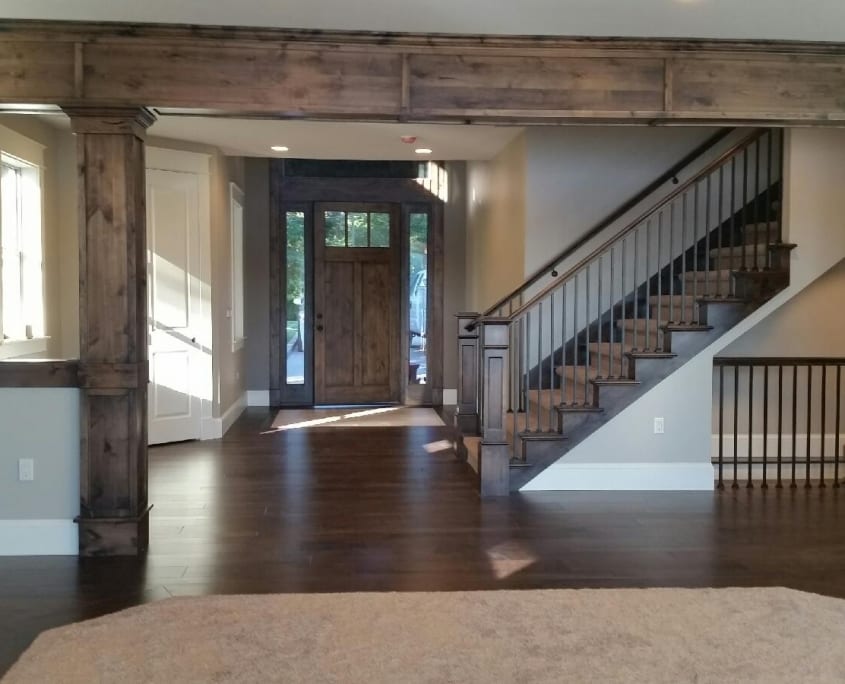
Fire Damage Restoration

Fire Damage Restoration: How to Rebuild Your Home Safely and Quickly

The unexpected impact of a fire extends far beyond charred wood and ash; it disrupts daily life and shatters the sense of security a home provides. While structural damage is often immediately visible, the emotional toll can be just as overwhelming, making the path forward seem unclear and daunting. Recovering from such a traumatic event requires patience, a clear head, and a focused approach, even when circumstances feel chaotic and uncertain.

Acting quickly is crucial, not just for getting life back to normal, but for preventing further complications that often follow a blaze. Delaying the restoration process can lead to secondary problems like mold growth from the water used to extinguish the flames, or deepening structural instability that increases repair costs significantly. Safety hazards also lurk in the aftermath, making immediate attention to the property vital for the well-being of everyone involved.

This guide aims to provide a clear roadmap for navigating the complex process of fire damage restoration. By breaking down the necessary steps into manageable actions, homeowners can approach the rebuilding process with confidence and clarity. From initial assessments to the final coat of paint, understanding what needs to be done ensures a safer, more efficient recovery journey.

Assessing Fire Damage Before Starting Restoration

Safety First

Before thinking about repairs, the structural integrity of the building must be verified to ensure no immediate collapse risks exist. Professional inspectors should evaluate the foundation, walls, and roof for hidden weaknesses that untrained eyes might miss. Entering a fire-damaged property without this official clearance can lead to severe injury, so caution remains the top priority until the site is deemed safe for entry.

Documenting Damage for Insurance

Once safety is assured, meticulous documentation becomes the most powerful tool for securing a fair insurance settlement. Take high-resolution photos and videos of every affected room, focusing on structural elements as well as personal property to create an undeniable record. Creating a detailed inventory list, including the age and approximate value of damaged items, simplifies the claims process and ensures nothing is overlooked during the chaotic aftermath.

Prioritizing Areas for Repair

Not all parts of a home require equal attention immediately; identifying critical zones helps streamline the restoration workflow. Focus first on essential systems like electrical wiring and plumbing, as well as key living areas such as the kitchen and bedrooms. Addressing these high-priority sections first prevents further damage and accelerates the timeline for making the home habitable again.


Fire Damage Restoration

Fire Damage Restoration

Hiring Professionals vs. DIY Restoration

When to Call Experts

While minor cleanup might seem manageable, fire damage often involves hazardous materials and complex structural issues that go beyond DIY capabilities. Soot particles can penetrate deep into walls, and water damage often accompanies fire, requiring specialized equipment to dry and dehumidify properly.

Finding Certified Restoration Companies

Selecting the right fire damage restoration partner involves looking for specific certifications and a proven track record of reliability. Check for credentials from organizations like the IICRC (Institute of Inspection, Cleaning and Restoration Certification) to ensure the team follows industry standards. Reading reviews and asking for references from past clients provides insight into a company’s trustworthiness and quality of work during stressful times.

Cost Analysis

Although tackling repairs independently might appear cheaper upfront, the hidden costs of mistakes can quickly exceed the price of professional services. Experts bring industrial-grade tools and experience that prevent costly rework and ensure repairs meet building codes. Comparing the comprehensive quote of a professional team against the potential expense of renting equipment and purchasing materials reveals the true value of hiring help.

Cleaning Up After Fire Damage

Debris Removal and Safe Disposal

The first major step in physical cleanup involves the careful removal of charred materials and unsalvageable debris. Hazardous residues often coat these items, requiring protective gear and specific disposal methods to avoid contaminating the local environment. Clearing out damaged furniture and building materials creates a blank slate, allowing the true extent of restoration work to begin safely.

Smoke and Soot Cleanup

Smoke damage often extends far beyond the areas touched by flames, leaving behind acidic residues and pervasive odors. Specialized cleaning agents and thermal fogging techniques are typically required to neutralize these smells rather than just masking them. Thoroughly cleaning walls, ceilings, and ventilation systems prevents soot from causing respiratory issues or corroding surfaces over time.

Salvaging Belongings

Not everything needs to be discarded; many personal items can be restored with the right techniques. Clothing, textiles, and even some furniture can often be cleaned using specialized laundering and ozone treatments that remove smoke particles. Professional restoration services often have the technology to save sentimental items, offering a small piece of normalcy amidst the recovery.

Structural Repairs and Safety Measures

Assessing Foundation and Roof Damage

Fire often weakens the very skeleton of a house, making a thorough check of the foundation and roof non-negotiable. Intense heat can crack concrete foundations or warp steel beams, compromising the building’s stability permanently if not addressed. Ensuring these core structures are sound provides a safe base for all subsequent repairs and cosmetic updates.

Electrical and Plumbing Checks

Heat can melt insulation on wires and compromise plumbing seals, creating hidden dangers behind the walls. A licensed electrician and plumber should conduct a comprehensive review to identify any melted components or potential leak points. Fixing these systems early prevents future electrical fires or water damage that could undo the restoration efforts.

Temporary Safety Measures

During the extensive repair phase, installing temporary barriers and supports keeps the worksite safe for contractors and homeowners. Tarping over damaged roofs prevents weather from causing further destruction, while shoring up weakened walls adds necessary stability.

Wheeler Painting: Bringing Your Home Back to Life

The Role of Professional Painting in Restoration

Applying a fresh coat of paint does more than just make a room look new; it seals surfaces and locks in any remaining odors. Professional painters understand how to prepare fire-damaged substrates to ensure proper adhesion and a smooth finish. This step marks a significant turning point in the restoration, signaling the transition from a damaged structure back to a livable home.

Choosing Fire-Resistant Paints

Modern paint technology offers options that actively contribute to a home’s safety profile. Intumescent paints expand when exposed to high heat, creating an insulating layer that protects the underlying material and slows the spread of flames. Selecting these advanced coatings adds an extra layer of defense, providing valuable time during any potential future emergencies.

Color and Mood Considerations

The psychological impact of rebuilding should not be underestimated, and color plays a vital role in restoring comfort. Soft, calming hues can help transform a space associated with trauma into a sanctuary of peace and relaxation. Working with professionals like Wheeler

Rebuilding Your Home Efficiently

Creating a Step-by-Step Restoration Plan

Efficiency relies on a well-structured plan that outlines every phase of the construction process. Establishing realistic milestones helps manage expectations and keeps the project moving forward without unnecessary delays. A clear timeline ensures that materials arrive when needed and that different trades can work in harmony without stepping on each other’s toes.

Sourcing Materials Smartly

Smart decisions regarding building supplies can enhance both the safety and sustainability of the rebuilt home. Opting for fire-resistant drywall, roofing, and insulation improves the home’s resilience against future disasters. Balancing cost-effectiveness with high-quality, durable materials ensures the investment in fire damage restoration pays off for years to come.

Coordinating Multiple Contractors

Managing a restoration project involves juggling carpenters, electricians, and painters simultaneously. Effective communication serves as the glue that holds these diverse teams together, preventing misunderstandings that lead to errors. Designating a central point of contact or hiring a general contractor simplifies this coordination, ensuring a smoother workflow and a higher quality result.

Fire Damage Restoration Service

Fire Damage Restoration Service

Preventing Future Fire Damage

Installing Safety Systems

Preventing future tragedies starts with installing robust early warning systems throughout the residence. Interconnected smoke alarms and carbon monoxide detectors provide crucial alerts that save lives by allowing for quick evacuation. Incorporating modern fire sprinkler systems can also suppress flames instantly, significantly reducing damage before emergency services arrive.

Fire-Resistant Home Upgrades

Structural upgrades offer long-term protection by making the home inherently harder to ignite. Replacing standard windows with dual-pane tempered glass and using non-combustible siding materials like fiber cement drastically lowers vulnerability. These changes not only increase safety but can also reduce insurance premiums by lowering the property’s risk profile.

Emergency Preparedness Planning

A physical rebuild should be paired with a comprehensive family safety plan. Establishing clear escape routes and a designated meeting place ensures everyone knows exactly what to do when an alarm sounds. Keeping safety kits accessible and conducting regular fire drills empowers every household member to act decisively and calmly in an emergency.

Emotional Recovery and Home Restoration Mindset

Coping With Loss and Stress

The emotional aftermath of a fire is often just as difficult to navigate as the physical reconstruction. Acknowledging feelings of grief and stress is a healthy part of the recovery process, and seeking support from counselors or community groups can be incredibly beneficial.

Celebrating Progress

Focusing on small victories helps combat the overwhelming nature of a large restoration project. Whether it’s the completion of electrical work or the first room being painted, acknowledging these milestones fosters a sense of control and optimism. These moments of progress serve as tangible reminders that the situation is improving and that normalcy is within reach.

Creating a Home That Feels Safe Again

The ultimate goal of restoration is to create a space that feels secure and welcoming once again. Combining functional safety upgrades with personal design touches reclaims the house from the memory of the fire. Walking into a fully restored home that reflects resilience and care brings the journey to a fulfilling close, offering a fresh start for the future.

Moving Forward with Confidence

From the initial safety assessment to the final brushstroke of paint, navigating the aftermath of a fire requires a blend of practical action and emotional fortitude. Understanding the critical steps—cleaning up hazardous debris, ensuring structural integrity, and choosing the right professionals—makes the journey less intimidating. Every decision made during this process contributes to a stronger, safer living environment.

Rest easy knowing that with the right strategy and support, recovering from fire damage is entirely possible. The road may seem long, but each step forward brings you closer to a restored home and a renewed sense of peace. Trust the process, rely on experts, and look forward to the comfort of a home rebuilt to last.

Wheeler Painting
https://maps.app.goo.gl/TkHPUUvsfohwTSm8A
1317 Central Ave S, Kent, WA 98032, United States
(253) 802-8656
https://wheelerpainting.com/