

Mold Remediation Services
From Hidden Spores to Safe Spaces: Finding Mold Remediation Services Near You
Mold is a quiet intruder that often establishes itself long before you notice the first dark spot on a wall. It thrives in the unseen corners of your home—behind drywall, under carpets, and inside ventilation systems—slowly compromising the structural integrity of the property while posing potential health risks to your family. Understanding that mold is more than just an aesthetic nuisance is the first step toward reclaiming a healthy living environment.
Ignoring the early warning signs of mold can lead to compounded problems that are far more difficult and expensive to fix. Beyond the visible stains, prolonged exposure can weaken building materials and lead to significant respiratory issues for those living in the space. This guide is designed to empower you with the knowledge needed to finding mold remediation services near me.
Recognizing Mold in Your Home
Visible vs. Hidden Mold
Identifying mold isn’t always as simple as spotting a patch of discoloration on the ceiling. While surface mold is easy to see, significant colonies often grow in dark, undisturbed areas like the backside of drywall or underneath flooring where moisture has accumulated. You must look beyond the obvious surfaces and investigate areas where water damage may have occurred previously, as these hidden spaces are often where the most extensive growth begins.
Common Growth Areas
Certain areas of the home are naturally more susceptible to mold due to higher humidity and water usage. Bathrooms, basements, and attics are prime real estate for spores because of the frequent presence of condensation and poor ventilation. Additionally, HVAC systems can inadvertently spread spores throughout the house if moisture collects within the ducts, making regular inspections of these utility areas essential for early detection.

Mold Remediation Services
Signs of Mold-Related Damage
Your senses are often the best tools for detecting a problem before it becomes visually apparent. A persistent musty odor is a strong indicator of active mold growth, even if you cannot see it. Other warning signs include peeling paint, warping wood, or unexplained water stains on walls and ceilings, all of which suggest that moisture is trapped nearby and creating an environment where mold can thrive.
Health Risks of Mold Exposure
Allergic Reactions and Respiratory Issues
For many individuals, the presence of mold manifests physically through allergic reactions that can mimic seasonal allergies. Spores released into the air can trigger sneezing, coughing, red eyes, and skin irritation in sensitive people. Those with asthma may experience more frequent or severe attacks, making it critical to address indoor air quality issues as soon as respiratory symptoms arise without a clear cause.
Toxic Mold Concerns
While most molds are allergenic, certain types, such as Stachybotrys chartarum (commonly known as black mold), produce mycotoxins that pose more serious health risks. Exposure to high levels of these toxins can lead to chronic fatigue, severe headaches, and other neurological symptoms.
Protecting Vulnerable Household Members
Mold affects everyone differently, but certain members of your household are at higher risk for severe complications. Infants, young children, the elderly, and individuals with compromised immune systems are far more susceptible to infection and respiratory distress. Prioritizing mold remediation services is an essential measure to safeguard the health of these vulnerable family members and ensure their living environment does not compromise their well-being.
Choosing the Right Mold Remediation Service Near You
Local Expertise Matters
When dealing with water damage and mold, time is of the essence, which is why proximity is a key factor in choosing a service provider. A local company can respond quickly to emergencies, preventing the infestation from spreading further. Furthermore, local experts are familiar with regional climate conditions and common building practices in your area, allowing them to offer more personalized and effective solutions for your specific situation.
Certifications and Equipment
Not all general contractors are equipped to handle hazardous biological growth safely. You should look for companies that employ certified technicians trained in industry-standard remediation protocols. A professional service will utilize specialized equipment, such as industrial-grade dehumidifiers and negative air pressure machines, to ensure the mold is removed completely without contaminating other parts of the home.
Customer Reviews and References
One of the most reliable ways to gauge the quality of a company is through the experiences of past clients. Reading online reviews and asking for references allows you to verify a company’s reliability, communication style, and effectiveness. A reputable provider will have a track record of satisfied homeowners who can attest to their thoroughness and the successful restoration of their properties.
The Mold Remediation Process
Initial Assessment and Containment
The professional remediation process begins with a thorough inspection to determine the extent of the damage. Once the affected areas are identified, technicians establish containment zones using plastic sheeting and negative air pressure to isolate the mold. This critical step prevents disturbed spores from traveling through the air and settling in clean areas of the house during the cleanup process.
Cleaning and Removal Techniques
Remediation involves more than just scrubbing surfaces; it requires the physical removal of mold and affected materials. Professionals use antimicrobial treatments to kill existing growth and HEPA vacuums to capture microscopic spores from surfaces and the air. Porous materials that cannot be salvaged, such as drywall or carpeting, are safely bagged and disposed of according to safety regulations to eliminate the source of the infestation.
Repair and Restoration
Once the mold is gone, the focus shifts to restoring your home to its original condition. This phase involves repairing or replacing the structural elements that were removed, such as hanging new drywall, installing flooring, or repainting. The goal of restoration is to leave the home looking as if the damage never occurred, while ensuring that the underlying moisture issues have been resolved to prevent recurrence.

Mold Remediation Services Provider
Wheeler Painting: Protecting and Beautifying Post-Remediation
The Role of Painting After Mold Cleanup
Applying a fresh coat of paint is the final seal on a successful remediation project. Beyond the aesthetic improvement, painting serves as a protective barrier that seals porous surfaces, making them less hospitable to future moisture absorption. Wheeler Painting specializes in this crucial finishing step, ensuring that the restored areas are not only beautiful but also fortified against environmental factors.
Choosing Mold-Resistant Paints
Selecting the right product is essential for long-term protection in moisture-prone areas. High-quality mold-resistant paints contain antimicrobial agents that inhibit the growth of mildew and mold on the paint film. Wheeler Painting recommends using these specialized coatings in bathrooms, kitchens, and basements to provide an extra layer of defense that standard paints simply cannot offer.
Color and Finish Tips
Restoration is the perfect opportunity to refresh the look of your home with new colors and finishes. Choosing a satin or semi-gloss finish is often a smart move for high-humidity areas because these sheens are easier to clean and more resistant to moisture than flat paints. The experts at Wheeler Painting can guide you toward color choices and finishes that enhance your home’s lighting and style while supporting a clean, healthy environment.
Preventing Future Mold Growth
Moisture Control
The most effective way to stop mold is to control the moisture that allows it to grow. This involves fixing leaky pipes immediately, ensuring that rain gutters drain away from the foundation, and ensuring proper ventilation in showers and cooking areas.
Routine Home Maintenance
Regular inspections of your home’s infrastructure can catch small problems before they turn into expensive disasters. Make it a habit to check under sinks, around water heaters, and in the attic for signs of leaks or condensation. Keeping your roof in good repair and ensuring that landscaping does not direct water toward your home are simple maintenance tasks that significantly reduce the risk of water intrusion.
Monitoring Humidity Levels
Keeping indoor humidity levels between 30% and 50% creates an environment where mold struggles to grow. Installing a simple hygrometer in your home allows you to monitor these levels daily and take action if the air becomes too saturated. If humidity consistently spikes, it may indicate a need for better ventilation or a whole-home dehumidification system to maintain consistent air quality.
Cost Considerations for Mold Remediation
Factors Influencing Price
The cost of professional remediati
varies widely depending on the scope of the project. Key factors include the size of the affected area, the location of the mold (such as in a crawlspace versus an easily accessible wall), and how much demolition and reconstruction is required.
Insurance Coverage Tips
Navigating insurance claims can help offset the financial burden of remediation, but coverage depends on the cause of the mold. Sudden events like a burst pipe are often covered, whereas mold resulting from long-term neglect or lack of maintenance typically is not. It is vital to document all damage with photos and keep detailed records of repairs to present a clear case to your insurance provider.
Budget-Friendly Prevention Tactics
Investing in prevention is always cheaper than paying for remediation. Simple, low-cost steps like caulking windows, cleaning gutters, and using exhaust fans cost very little but offer massive protection against water damage.
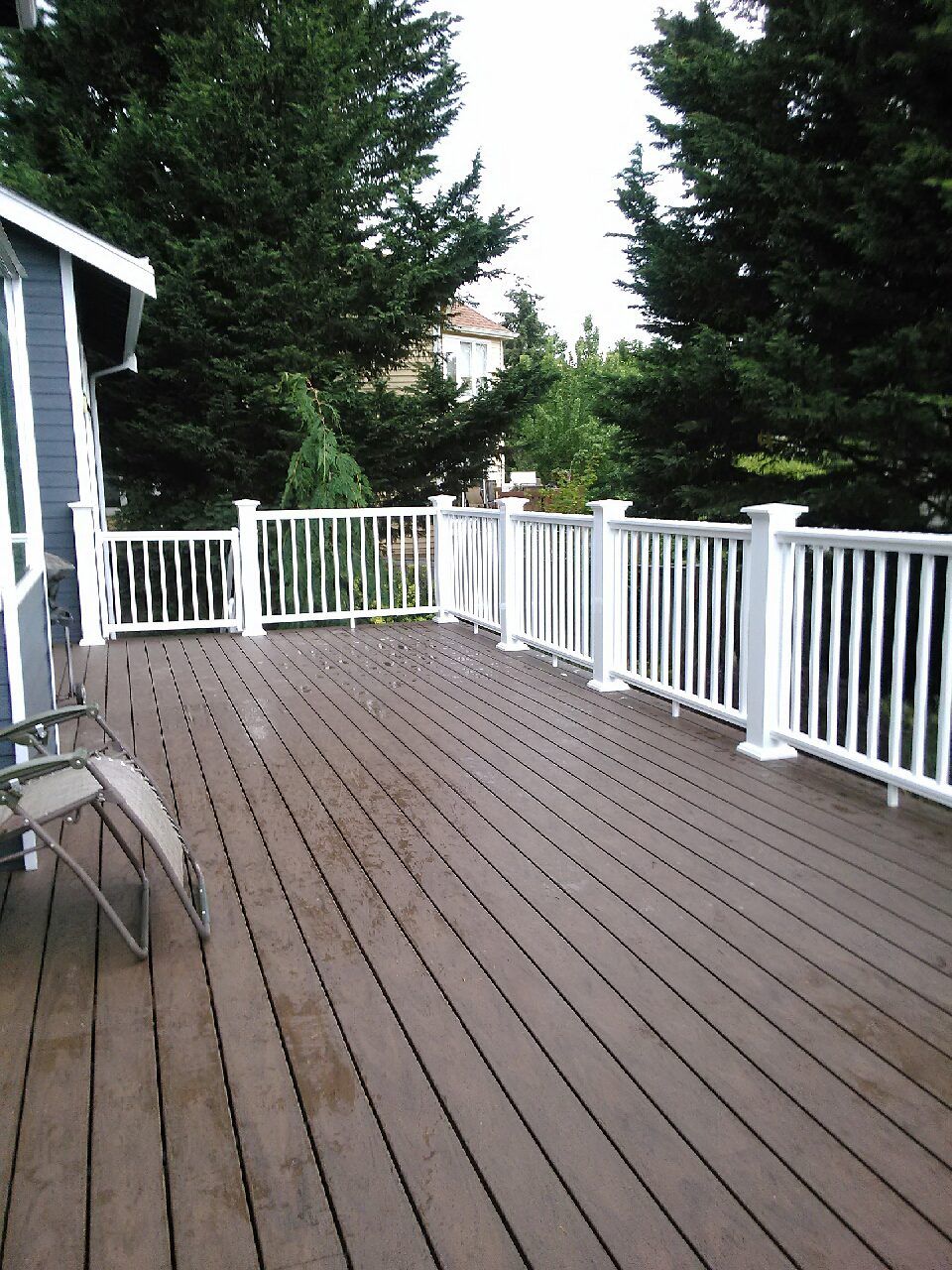
Residential Mold Remediation
DIY vs. Professional Mold Remediation
When DIY Is Appropriate
For small areas of surface mold—generally less than 10 square feet—homeowners can often handle the cleanup themselves. If the mold is on a non-porous surface like tile or glass, scrubbing with a detergent solution and ensuring the area dries completely is usually sufficient. However, you must wear protective gear, such as gloves and a mask, to avoid inhaling spores during the cleaning process.
Risks of Attempting Large-Scale Remediation Yourself
Tackling a large or hidden mold infestation without professional training can lead to serious consequences. Improper handling often releases massive amounts of spores into the air, contaminating the rest of the house and potentially causing severe health reactions.
Benefits of Hiring Professionals
Hiring a professional service provides peace of mind that the job will be done safely and correctly. Experts have the necessary containment equipment to protect your family from exposure and the tools to ensure every trace of mold is removed. Their experience allows them to identify the underlying cause of the moisture, ensuring that your investment in mold remediation services results in a permanent solution rather than a temporary fix.
Restoring Safety and Comfort to Your Home
Successfully dealing with mold requires a combination of vigilance, quick action, and professional expertise. By understanding the signs of growth and the health risks involved, you are better equipped to protect your home and family. Following through with proper remediation, whether it involves minor cleanup or major restoration, ensures that the structural integrity of your house remains intact.
Ultimately, a mold-free home is about more than just clean walls—it is about comfort and security. Whether you are sealing surfaces with Wheeler Painting or installing a new dehumidifier, every measure you take contributes to a healthier environment. With the right help and a proactive mindset, you can look forward to a home that is clean, beautiful, and safe for years to come.
Wheeler Painting
https://maps.app.goo.gl/TkHPUUvsfohwTSm8A
1317 Central Ave S, Kent, WA 98032, United States
(253) 802-8656
https://wheelerpainting.com/


 “Like” us on Facebook!