

Water Clean Up
Water Clean Up: How to Quickly Restore Your Home After Flooding
When water invades your home, every minute counts. Immediate water clean up is crucial to prevent structural damage, minimize property loss, and reduce the risk of mold growth. Even a small leak can quickly escalate, soaking floors, walls, and furniture, and creating conditions for long-term damage if not addressed promptly.
Homes can flood for many reasons: heavy storms, burst pipes, appliance failures, or even roof leaks. Understanding the source of the water can help you respond effectively and reduce further damage. Quick action can save not only your belongings but also your home’s structural integrity.
In this guide, you’ll learn essential steps for responding to water emergencies, effective cleanup strategies, safety precautions to protect yourself and your family, and restoration tips to return your home to its pre-flood condition. Acting fast and knowing the right steps ensures a safer, cleaner, and more resilient home after water damage.
Securing the Area and Prioritizing Safety
Turning Off Electrical Power and Utilities
Locate your main breaker panel and shut off the electricity before stepping into any standing water. Mixing water and active electrical outlets creates a severe, immediate danger to you and your family. If the breaker panel is located in the flooded area, contact a qualified electrician or your utility provider to disconnect the power from the outside.
Identifying the Source and Type of Water
Determine if the water comes from a clean pipe leak, a broken appliance, or a contaminated source like a sewer backup. Clean water requires urgent extraction, but contaminated water introduces severe health hazards that demand professional handling. Treat any outdoor floodwater as highly contaminated and avoid direct skin contact completely. Knowing the exact category of water helps dictate the specific safety measures and cleaning protocols required for the space.
Equipping Yourself with Proper Safety Gear
Wear thick rubber boots, heavy-duty gloves, and protective eyewear before entering the flooded zone. These essential items shield your skin from hidden debris, sharp objects, and dangerous pathogens hiding beneath the surface. Protect your lungs by wearing a respirator mask if the water has been sitting for more than 24 hours, as harmful bacteria multiply quickly in stagnant pools.

Water Damage
Documenting the Damage for Your Insurance Claim
Taking Comprehensive Photos and Videos
Capture clear images of the standing water, ruined furniture, and damaged walls before you begin the cleanup process. Record a slow video walking through the affected rooms to provide a complete visual record for your insurance adjuster. Visual evidence serves as the foundation of your insurance claim, proving the exact extent of the disaster.
Creating a Detailed Inventory of Ruined Items
Write down a specific list of damaged belongings, noting the brand, approximate age, and estimated value of each item. Keep small damaged items in a safe, dry area rather than throwing them away immediately, so the adjuster can verify the loss. A well-organized inventory prevents disputes over the value of your possessions and accelerates the reimbursement process.
Contacting Your Insurance Agent Promptly
Call your insurance provider as soon as you secure the property to start the claims process right away. Ask clear questions about your coverage limits and find out if your policy covers emergency professional water extraction. Early communication establishes a timeline for the adjuster’s visit and clarifies your out-of-pocket responsibilities. Acting quickly with your insurance company secures the financial support needed to fund the upcoming restoration work.
The Immediate Water Extraction Process
Removing Standing Water Quickly
Use wet-dry vacuums and submersible pumps to pull large volumes of water out of your home. Removing the bulk of the water fast prevents it from soaking deeper into your home’s structural framing. Every minute the water sits on your floors increases the risk of permanent damage to your baseboards, drywall, and subflooring. Rapid extraction is the most effective way to halt the progression of water damage in its tracks.
Pulling Up Soaked Carpets and Pads
Remove completely saturated carpets and their underlying foam pads, as these materials trap moisture against your subfloor. Discarding the ruined padding is necessary, even if you plan to have the top carpet professionally cleaned and dried later. Foam pads act like giant sponges, holding onto water and bacteria long after the surface feels dry. Eliminating these wet materials exposes the bare subfloor, allowing the drying process to begin in earnest.
Clearing Out Wet Furniture and Belongings
Move all damp furniture, rugs, and storage boxes out of the flooded room and into a dry, well-ventilated garage or patio. Wipe down wooden furniture immediately to prevent the moisture from warping the finish or causing the joints to swell. Relocating your belongings protects them from absorbing more ambient humidity and clears the floor space for extraction equipment.
Thoroughly Drying and Dehumidifying the Space
Setting Up Industrial Air Movers
Place high-velocity fans around the perimeter of the room to force dry air across the wet floors and walls. Keep these powerful air movers running constantly to speed up the evaporation process and prevent structural rot. Proper airflow lifts the moisture out of the building materials and pushes it into the surrounding air. Consistent air circulation drastically reduces the time it takes to return the room to a safe moisture level.
Utilizing High-Capacity Dehumidifiers
Run heavy-duty dehumidifiers to pull the evaporated moisture out of the indoor air. Controlling the indoor humidity prevents secondary damage, such as swelling doors and buckled hardwood floors throughout the rest of the house. Dehumidifiers collect the airborne water vapor and pump it outside, creating a dry environment that accelerates the evaporation process.
Monitoring Moisture Levels in the Walls
Use specialized moisture meters to check the water content hiding inside your drywall and wooden baseboards. Continue the drying process until these hidden areas reach a safe, normal moisture reading to completely stop mold growth. Surface dryness is deceiving, making diagnostic tools critical for verifying that the framing behind the walls is truly dry.
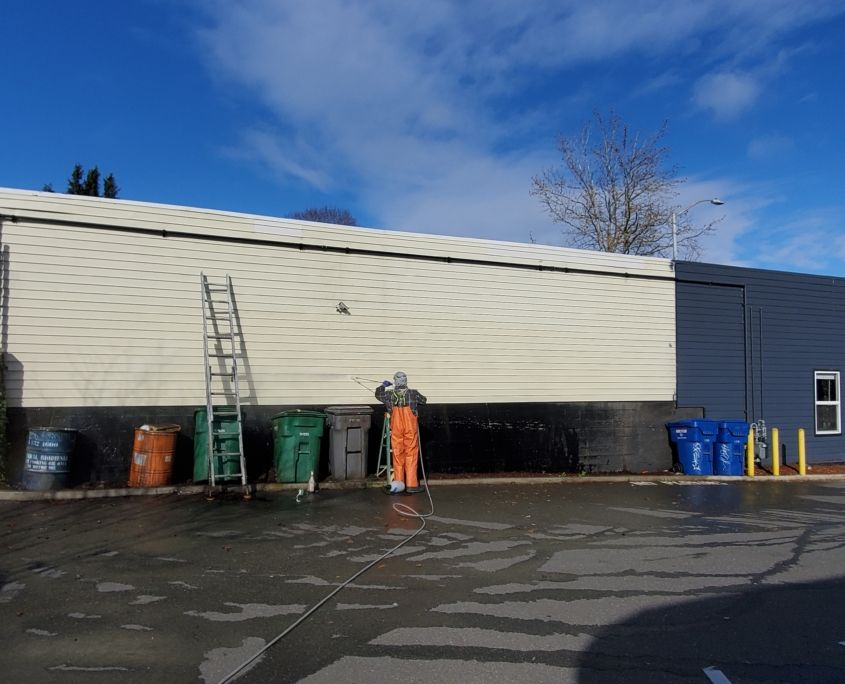
Commercial Water Damage Restoration
Wheeler Painting: Your Trusted Restoration Partner
Quality Services That Will Not Disappoint
Choosing a general contractor does not have to be difficult when you partner with Wheeler Painting for your post-flood recovery. Rely on extensive experience to deliver quality, competitive construction and restoration services that handle your water damage completely. A proven track record of excellence ensures that every detail of the rebuild meets the highest industry standards. Trusting dedicated experts guarantees the property looks pristine once the project reaches completion.
Respecting Your Time and Schedule
Your schedule is the top priority, meaning Wheeler Painting crews arrive exactly on time and work efficiently to resolve the water emergency. Expect straightforward, honest communication every step of the way, so you always know the exact status of the home. Professional contractors understand that a flooded house disrupts daily life, making swift and punctual service an absolute necessity.
Restoring Security and Comfort to Your Home
Feel happy and secure in your home again, thanks to thorough restoration and construction services. Enjoy the absolute peace of mind that comes from knowing competent experts have completely dried, cleaned, and rebuilt the space. Returning a house to its pre-flood condition requires dedication, skill, and a deep commitment to customer satisfaction.
Cleaning and Sanitizing the Affected Areas
Applying Professional Antimicrobial Treatments
Scrub all affected hard surfaces with strong, professional-grade antimicrobial solutions to kill hidden bacteria. Sanitizing the framing and subfloor is a mandatory step before any new building materials are installed. Floodwater leaves behind a toxic residue that basic household cleaners simply cannot neutralize effectively. Commercial-grade disinfectants provide the heavy-duty sanitation required to make the structural framework safe to enclose.
Preventing Future Mold Growth
Treat the exposed wall cavities and wooden studs with proven mold-inhibiting sprays. Ensure the environment remains completely dry and clean so dangerous mold colonies never have the chance to take root. Mold needs organic material and moisture to survive, so eliminating the dampness and applying protective coatings stops spores from thriving. Proactive mold prevention protects the health of the household and preserves the integrity of the new building materials.
Deodorizing to Eliminate Lingering Smells
Use commercial air scrubbers and specialized deodorizers to completely remove that damp, musty odor from the home. Breathe easily knowing the indoor air quality is fresh, clean, and completely safe for the family. Lingering smells indicate microscopic particles remain in the air, requiring advanced filtration to capture and neutralize them. Proper deodorization leaves the property smelling perfectly clean, erasing all sensory reminders of the flood.

Water Damage Restoration
Rebuilding and Restoring Your Property
Replacing Damaged Drywall and Insulation
Install fresh, dry insulation and hang brand-new drywall in the areas where the wet materials were cut away. Watch the damaged room transform from a gutted space back into a normal, comfortable living area. Proper installation restores the thermal barrier and structural strength of the walls. Seamless finishing techniques ensure the repaired sections blend flawlessly with the undamaged portions of the room.
Installing New Flooring and Baseboards
Lay down a choice of new flooring, ensuring the subfloor is perfectly dry and level before starting. Secure crisp, new baseboards to give the bottom of the walls a clean, finished appearance. The flooring serves as the visual foundation of the room, making its precise installation vital for a beautiful final result. Fresh trim work provides elegant transitions and covers the expansion gaps perfectly.
Applying Fresh, Moisture-Resistant Paint
Coat the new walls with high-quality primers formulated specifically to resist future moisture issues. Enjoy a beautiful, flawless paint finish that makes the newly restored room look better than it did before the flood. Premium paints provide a durable, washable surface that withstands daily wear and tear. The right color application serves as the final, satisfying step that brings the entire restoration project to a successful close.
Moving Forward After Flood Damage
Quick action is your best defense against lasting water damage. By prioritizing safety, extracting water rapidly, and bringing in reliable professionals, you protect your property and your health. Knowing exactly how to respond minimizes the financial impact and reduces the overall timeline of the recovery.
Do not wait for the damage to worsen. Contact a trusted, experienced restoration contractor today to secure your property and get your home back to normal fast. Fast, decisive steps ensure your living space becomes a comfortable, secure sanctuary once again.
Wheeler Painting
https://maps.app.goo.gl/TkHPUUvsfohwTSm8A
1317 Central Ave S, Kent, WA 98032, United States
(253) 802-8656
https://wheelerpainting.com/


 “Like” us on Facebook!