
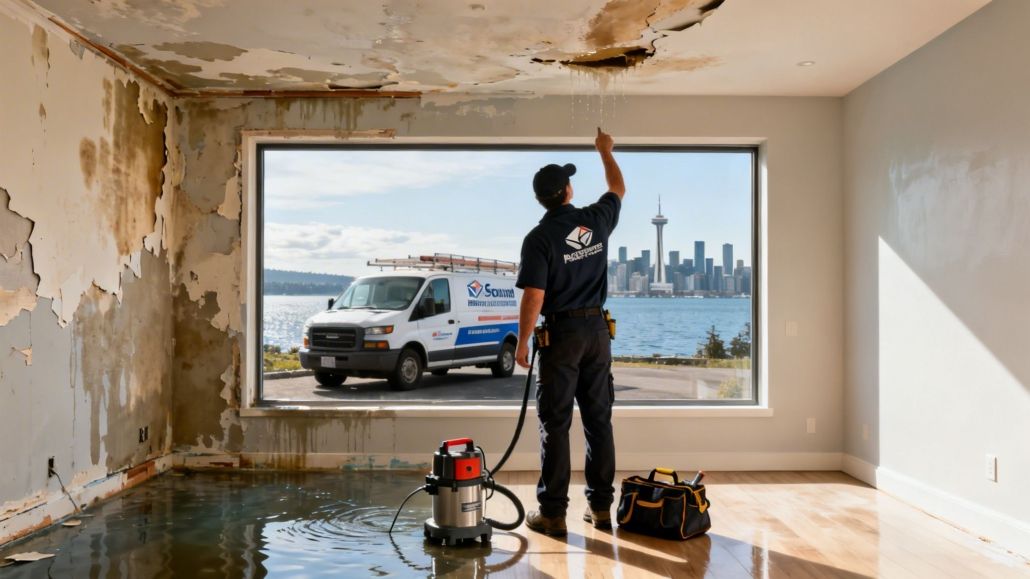
Water Damage Companies
The Homeowner’s Guide to Choosing Reliable Water Damage Companies
Water damage doesn’t wait for a convenient time. A burst pipe at 2 a.m., a flooded basement after a storm, a slow leak behind the wall that’s been quietly rotting your home for months—when water invades your home, every hour counts. The difference between a manageable repair and a complete structural overhaul often comes down to how fast you act and who you call.
Yet for most homeowners, choosing water damage companies is unfamiliar territory. You’re stressed, possibly displaced, and suddenly expected to make a high-stakes decision about a service you’ve (hopefully) never needed before. Contractor quality varies enormously, and the wrong choice can mean incomplete drying, recurring mold, and insurance headaches that drag on for months.
This guide cuts through the confusion. You’ll learn what untreated water damage actually does to a home, what separates a qualified restoration company from a cut-rate one, and what the restoration process should look like from start to finish. By the end, you’ll know exactly what to look for—and what to avoid—when choosing a company you can trust.
What Happens When Water Damage Goes Untreated
Most homeowners underestimate how quickly water damage compounds. Within the first 24 hours, standing water begins to saturate drywall, warp wood flooring, and seep into insulation. Furniture swells. Paint bubbles. Structural materials weaken.
By the 48-hour mark, mold can begin to grow. This isn’t a distant possibility—it’s a well-documented pattern. Mold spores are present in virtually every indoor environment; they just need moisture, warmth, and an organic surface to take hold. Drywall, wood framing, and carpet backing provide all three.
Left unchecked, mold spreads aggressively. Certain species, including black mold (Stachybotrys chartarum), are associated with serious respiratory issues, particularly in children, the elderly, and those with compromised immune systems. Beyond the health implications, mold remediation becomes dramatically more expensive the longer it’s delayed.
Structural damage follows a similar trajectory. Prolonged moisture exposure causes wood framing to rot, weakens concrete foundations, and can compromise load-bearing elements of your home. A repair that costs a few thousand dollars in the first week can balloon into a six-figure renovation if ignored.
The takeaway: water damage restoration is time-sensitive. Speed and thoroughness matter enormously.

Water Damage Restoration
How to Evaluate Water Damage Restoration Companies
Response Time and Availability
A reputable water damage company should offer 24/7 emergency response. Damage doesn’t follow business hours, and any company that can’t mobilize quickly isn’t built for this type of work. When you call, note how long it takes to reach a live person and how clearly they communicate estimated arrival times.
Scope of Services
Water damage rarely involves just one problem. You need a company that handles the full scope—water extraction, structural drying, mold testing and remediation, and final repairs including painting and finishing. Working with a single contractor from start to finish prevents the delays and miscommunication that come with coordinating multiple vendors.
Transparency in Pricing and Process
Before any work begins, a trustworthy company will walk you through a detailed assessment and provide a written estimate. Be cautious of vague quotes or companies that push you to sign contracts immediately without a thorough inspection. Reputable contractors explain what they’re doing and why.
Customer References and Reviews
Online reviews are a useful starting point, but direct references carry more weight. Ask for contacts from recent jobs with similar damage types. A company confident in its work will provide them without hesitation.
Industry Certifications to Look For
Certifications separate qualified professionals from general contractors who’ve expanded into water damage work opportunistically.
IICRC Certification
IICRC Certification is the gold standard. The Institute of Inspection, Cleaning and Restoration Certification sets the technical standards for water damage restoration. Look for technicians certified in Water Damage Restoration (WRT) and Applied Structural Drying (ASD). These credentials indicate training in moisture measurement, drying science, and safe removal of contaminated materials.
Mold Remediation Licensing
Mold remediation licensing is required in many states. Verify that any company performing mold work holds the appropriate state license for remediation services in your area.
Contractor Licensing and Insurance
Contractor licensing and insurance are non-negotiables. Confirm that the company carries general liability insurance and workers’ compensation. Without it, you could be held liable for injuries that occur on your property during the restoration.
Insurance Carrier Relationships
Insurance carrier relationships are also worth asking about. Companies with established relationships with major insurers understand documentation requirements and often help the claims process move faster.
Why Local Expertise Matters
National restoration chains exist, but local expertise has real advantages—especially when it comes to navigating regional building codes, understanding local weather patterns that contribute to water damage, and responding quickly to your specific area.
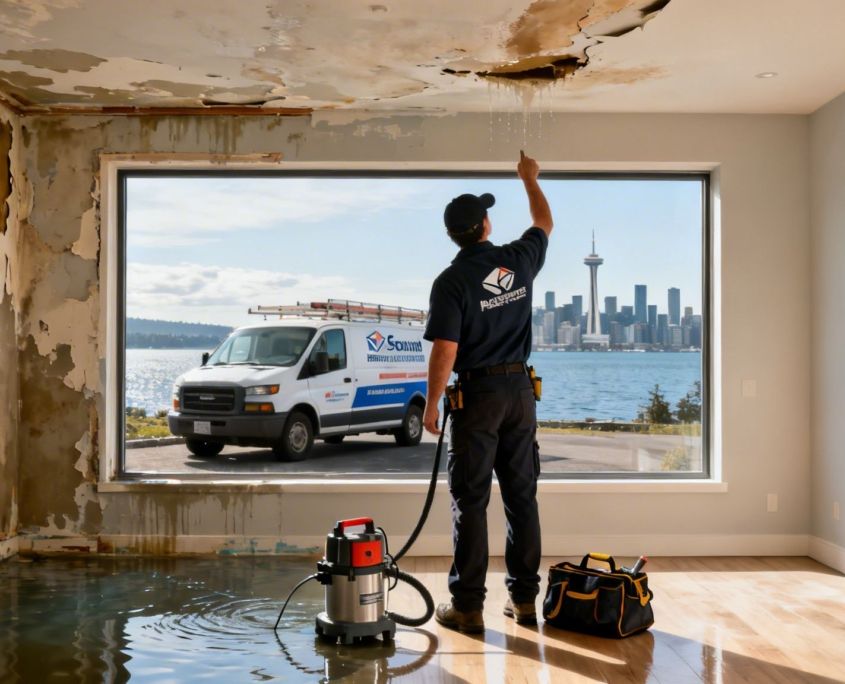
Water Damage Remediation Service
The Step-by-Step Restoration Process
Knowing what a comprehensive restoration process entails empowers you to hold your contractor accountable and ensure the job is done right. Here’s a detailed breakdown of what a professional process should look like from start to finish:
Initial Assessment and Inspection
The first crucial step is a thorough inspection. A certified technician should visit your property to assess the full extent of the damage. Using advanced tools like moisture meters and thermal imaging cameras, they can detect hidden moisture that has migrated behind walls, under floors, or into ceilings. This detailed evaluation is essential for creating an accurate drying plan and defining the complete scope of work required.
Water Extraction
Once the assessment is complete, the immediate priority is to remove all standing water. Professionals use powerful, industrial-grade truck-mounted or portable extractors to get this done quickly and efficiently. The speed at which water is removed is critical, as it directly minimizes the extent of secondary damage like swelling, warping, and the potential for mold growth.
Structural Drying and Dehumidification
After the bulk of the water is gone, the focus shifts to drying the structure itself. High-velocity air movers are strategically placed to accelerate evaporation, while commercial dehumidifiers pull excess moisture from the air. Technicians should monitor this process closely, taking daily moisture readings of affected materials like drywall, wood framing, and subfloors to track progress. This phase typically takes 3 to 5 days, but more severe water intrusion may require a longer drying period.
Mold Assessment and Remediation
If materials have been wet for more than 48 hours or if mold is already visible, a mold assessment is necessary. If mold contamination is confirmed, a specialized remediation protocol will be implemented. This often involves setting up containment barriers to prevent cross-contamination, removing affected non-salvageable materials, and using antimicrobial treatments to clean the area thoroughly before rebuilding can begin.
Structural Repairs and Reconstruction
With the structure fully dry and any mold issues resolved, the rebuilding process can commence. This phase addresses all the physical damage your home has sustained. Skilled craftspeople will repair or replace damaged drywall, insulation, subflooring, cabinetry, and any other structural components. The goal is to restore the home’s structural integrity and prepare it for the final cosmetic touches.
Final Finishing and Painting
The final stage returns your home to its pre-damage appearance. Professional painting and finishing work ensures the repaired areas blend seamlessly with the rest of the home. This step is often underestimated, but it’s what separates a truly complete restoration from a job that looks like a patch.
Navigating Insurance Claims
Water damage claims are among the most common homeowner insurance claims, and they’re also among the most frequently disputed. Understanding the process reduces stress and increases the likelihood of a fair settlement.
Document everything before any work begins. Photograph and video all affected areas. Create a written inventory of damaged belongings. This documentation is your foundation for the claim.
Understand your policy. Standard homeowners insurance typically covers sudden and accidental water damage—like a burst pipe—but excludes flooding from external sources, which requires separate flood insurance. Slow leaks resulting from deferred maintenance are often excluded as well. Review your policy carefully before assuming coverage.
Work with a restoration company experienced in insurance coordination. Companies familiar with the claims process know how to document damage in the format insurers require, communicate directly with adjusters, and advocate for a complete scope of repairs. This can significantly affect your final settlement.
Keep records of all communications. Log every conversation with your insurer, including dates, names, and what was discussed. If disputes arise, this documentation supports your case.
Don’t rush to settle. Insurance adjusters work for the insurance company. Their initial settlement offer may not fully cover the cost of a proper restoration. A professional contractor can provide a detailed estimate that supports a more complete claim.

Water Damage Restoration Company
Choosing a Restoration Partner You Can Trust
Water damage is one of the more disorienting experiences a homeowner can face. The property you’ve invested in is compromised, your routine is disrupted, and you’re expected to make decisions quickly about a process you may know very little about.
The right restoration company changes that experience. Qualified technicians, proper certifications, transparent communication, and end-to-end services—from extraction to final paint—give you a clear path back to normal.
Companies like Wheeler Painting & Restoration Services demonstrate that thorough, professional restoration is achievable when the right expertise is applied at every stage. When evaluating your options, use the criteria in this guide to ask sharper questions, verify credentials, and protect your home and your claim.
Wheeler Painting
https://maps.app.goo.gl/TkHPUUvsfohwTSm8A
1317 Central Ave S, Kent, WA 98032, United States
(253) 802-8656
https://wheelerpainting.com/


 “Like” us on Facebook!