
Your Guide to the Best Waterproof Ceiling Paint for Bathrooms in 2026
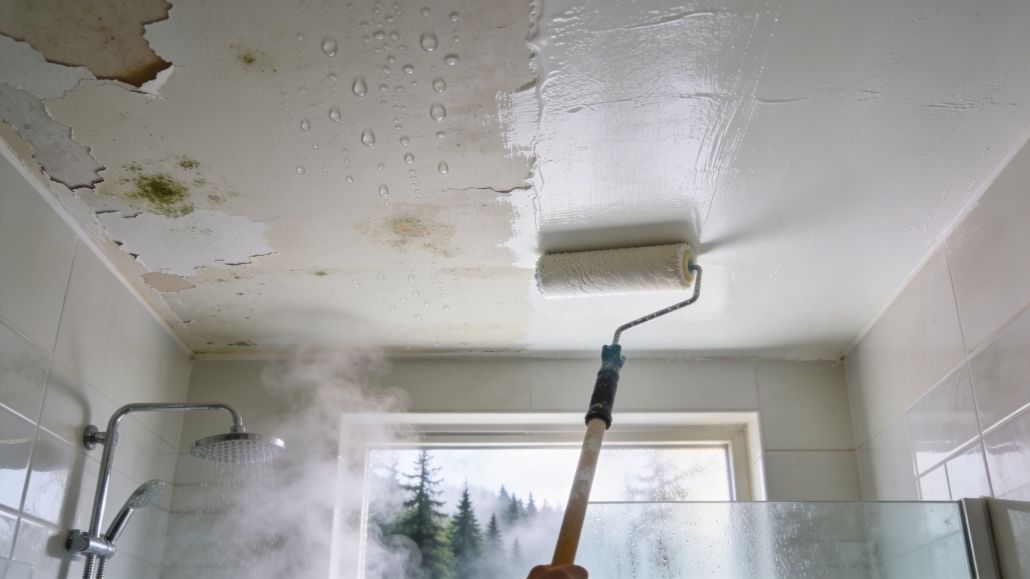
If you live anywhere in the Puget Sound, from Tacoma up to Seattle, you know the constant battle against dampness. This fight is never more obvious than in the bathroom, where your ceiling is ground zero for moisture problems. The cloud of steam from a hot shower rises, condenses on the cool ceiling, and quietly begins to cause damage.
It's a problem we see all the time at Wheeler Painting. As a local residential contractor serving the Kent area, we know that without the right protection, that daily dose of humidity can turn a pristine ceiling into a peeling, stained mess. This guide will help you understand why the right paint is crucial and how to get a lasting result.
Why Standard Paint Just Can’t Keep Up in a Bathroom
Think of regular interior paint as a cotton t-shirt in a rainstorm—it’s just not made for that kind of moisture. It soaks it all in. Standard latex or flat-finish paints are porous, meaning water vapor can easily work its way through the paint film and into the drywall underneath.
Once moisture gets trapped, the paint’s bond with the ceiling starts to fail. Pretty soon, you’ll notice a few tell-tale signs of trouble that could lead to needing a full residential remodel if not addressed.
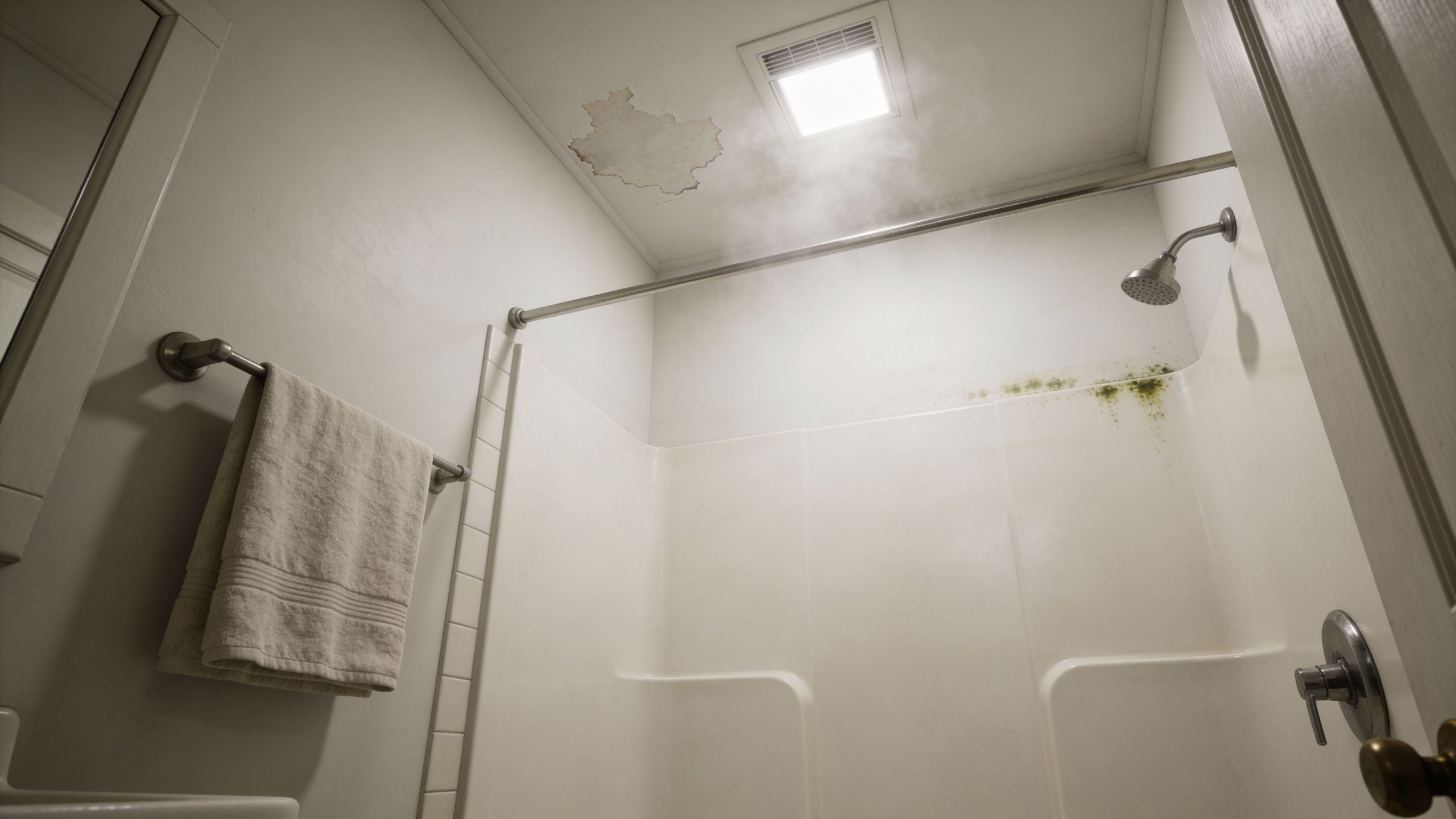
- Peeling and Bubbling: Trapped moisture physically pushes the paint off the surface, creating ugly blisters and peeling sheets.
- Ugly Stains: Water can leave behind yellowish or brownish streaks as it evaporates, making the ceiling look old and dirty.
- Mold and Mildew: This is the big one. Damp drywall is the perfect breeding ground for mold, which not only looks terrible but can also impact your home's air quality.
Let this go on for too long, and you're not just looking at a paint job anymore. You could be facing rotted drywall and a much more expensive visit from a drywall contractor.
How Waterproof Paint Creates a Real Defense
This is where a purpose-built waterproof ceiling paint changes the game. It acts less like a t-shirt and more like a high-quality raincoat for your ceiling—essential for homes and businesses in our area.
These paints are designed with special binders that form a tight, less-permeable surface. Instead of soaking in, moisture beads up on the paint and evaporates away. Critically, these formulas almost always include mildewcides—powerful additives that actively stop mold spores from taking hold and growing.
To give you a clearer picture, here’s a quick rundown of how different paints perform under the constant stress of a bathroom environment.
Paint Performance in High-Humidity Bathrooms
| Paint Type | Performance in High Humidity | Resistance to Mold and Mildew | Best Use Case |
|---|---|---|---|
| Standard Interior Paint | Poor. Absorbs moisture, leading to peeling and bubbling. | Low. Can actually feed mold growth. | Living rooms, bedrooms, and dry areas. |
| "Bathroom" Paint | Good. Moisture-resistant and more durable than standard paint. | Moderate to High. Usually contains mildewcides. | Guest bathrooms or low-steam powder rooms. |
| Waterproof/Epoxy Paint | Excellent. Creates an impermeable barrier against water. | High. Formulated to prevent mold and mildew growth. | Master bathrooms, shower ceilings, and commercial spaces. |
As you can see, choosing a true waterproof paint isn’t just about aesthetics; it's a practical investment in your property's longevity.
This is a vital first line of defense, but remember to look at the whole picture. Mold can also crop up in other damp spots, like around HVAC vents. For tips on that, check out this helpful Covenant Aire Solutions' mold guide.
Ultimately, using a top-tier waterproof paint is one of the smartest and most cost-effective forms of waterproofing you can do. For homeowners and facility managers here in Kent, WA, and across the region, it’s a non-negotiable step to protect your investment from our famously damp climate.
How Waterproof Paint Actually Works
Think of waterproof ceiling paint as a high-tech raincoat for your ceiling. A regular interior paint is more like a cotton sweatshirt—it’s going to get soggy. In the relentlessly damp climate we get here from Seattle to Tacoma, you need something specifically designed to keep the water out. But what exactly is going on inside the can that makes this paint so tough?
It all comes down to the paint’s unique formula. These aren’t your standard latex paints; they’re loaded with high-performance acrylic and epoxy resins. As the paint cures, these resins interlock to form a tight, continuous film across the surface. This creates a formidable barrier that stops water vapor from a steamy shower from ever reaching the drywall underneath. Moisture simply beads up on the surface and evaporates, instead of soaking in and causing damage.
The Science Behind a Moisture-Proof Barrier
The real measure of a paint's effectiveness against moisture is its permeability rating, or "perm rating" for short. It sounds technical, but it’s just a simple number that tells you how easily water vapor can pass through a material. The lower the perm rating, the better the barrier.
A standard interior latex paint lets moisture pass through pretty easily, giving it a high perm rating. In contrast, a true waterproof ceiling paint is engineered for a very low perm rating, creating a seal that's nearly impenetrable to steam and constant humidity.
This low permeability is what saves ceilings in bathrooms across the Pacific Northwest. It’s the difference between a ceiling that looks brand new for years and one that starts to stain, bubble, and peel after just a few damp seasons.
More Than Just a Barrier: It Fights Back
A great waterproof paint for a bathroom does more than just block water. It actively fights back against one of its worst side effects: mold and mildew. This isn't just a surface-level feature; it's built right into the paint's chemistry.
Mildewcides: These are EPA-registered antimicrobial agents blended directly into the paint. They create a surface that's hostile to mold spores, preventing them from ever getting a foothold. This protection doesn’t wear off; it lasts for the entire life of the paint job.
Fungicides: Working alongside mildewcides, fungicides target a wider variety of fungal growth, which is critical for keeping your bathroom’s air clean and healthy.
Bathroom ceilings face a constant battle with humidity. According to the EPA, mildew-resistant paints can slash mold growth by up to 90% in high-humidity areas—a vital stat for any home in the Puget Sound. You can get more professional insights on how paint combats moisture from painters who deal with it every day.
Water-Resistant vs. Waterproof: What's the Difference?
You’ll see plenty of paints on the shelf labeled "water-resistant" or "washable." And while they’re definitely a step up from basic wall paint, they aren't the same as a true "waterproof" formula. For any property owner looking for a real, long-term solution, knowing the difference is crucial.
Water-resistant paints are built to handle the occasional splash and can be wiped clean. They have some durability, but they simply can't hold up to the constant, high-humidity assault of a frequently used bathroom. Over time, they will fail.
Waterproof paints, on the other hand, are specifically formulated to create that impermeable barrier we talked about, designed for constant exposure to moisture. This is the only legitimate choice for a shower ceiling or in a commercial space like a gym locker room. For any project in our region, from a residential remodel in Kent to a commercial job in Seattle, choosing a true waterproof product is the only way to guarantee performance and avoid costly repairs down the road. At Wheeler Painting, we make sure the right material science is used to protect your investment.
Choosing the Right Finish for Your Bathroom Ceiling
Okay, you've decided on a top-notch waterproof ceiling paint for your bathroom. That’s a great first step, but now comes a decision that’s just as important: the finish. The paint's sheen isn't just a style choice; it plays a huge role in how well your ceiling stands up to moisture and how easy it is to clean.
Think of it this way: a paint's finish is like the armor on its surface. A flat, porous finish is like soft leather—it looks nice, but moisture can soak in. A glossier, harder finish is like a sheet of steel—water beads up and rolls right off. For anyone living in the damp Puget Sound region, from Kent to Seattle, getting this choice right is key.
Why a Little Shine Goes a Long Way in High-Moisture Areas
For years, the standard advice for bathroom ceilings has been to use a semi-gloss or satin finish, and for good reason. The more sheen a paint has, the smoother and less porous its surface becomes, creating a tougher barrier against moisture.
Semi-Gloss Finish: This has long been the champion for wet environments. Its noticeable shine comes from a tight, durable film that’s fantastic at repelling water. Steam from the shower beads up on it, and you can easily wipe away any mildew or grime without scuffing the paint. It’s our go-to for high-traffic commercial restrooms or a busy family bathroom that gets steamy every single day.
Satin Finish: This is the crowd-pleaser. Satin offers a much softer glow than semi-gloss but still packs a serious punch when it comes to moisture resistance and durability. It hits that perfect sweet spot between performance and a less reflective look, making it a reliable choice for most residential bathrooms.
On the other hand, traditional flat or eggshell finishes are usually a bad idea for a bathroom ceiling. Their chalky, matte texture acts like a sponge for moisture, which can lead to staining and mildew. They’re also notoriously difficult to clean; scrubbing often "burnishes" the surface, leaving ugly shiny patches. To get a deeper dive into how sheens work, you can learn more about selecting the right finish for ceiling paint in our other guide.
The New Guard: High-Performance Matte Finishes
For a long time, if you wanted a ceiling that could handle bathroom humidity, you had to live with some shine. But paint technology has come a long way. Now, you don’t have to sacrifice your modern, flat aesthetic for performance.
Big news for design lovers: major paint brands now offer specialty "bathroom paints" in a true matte finish. These aren't your grandpa's chalky flat paints. They're built with the exact same high-tech acrylic resins and mildew-fighting additives as their glossier cousins. You get that chic, non-reflective look without giving up an ounce of moisture protection.
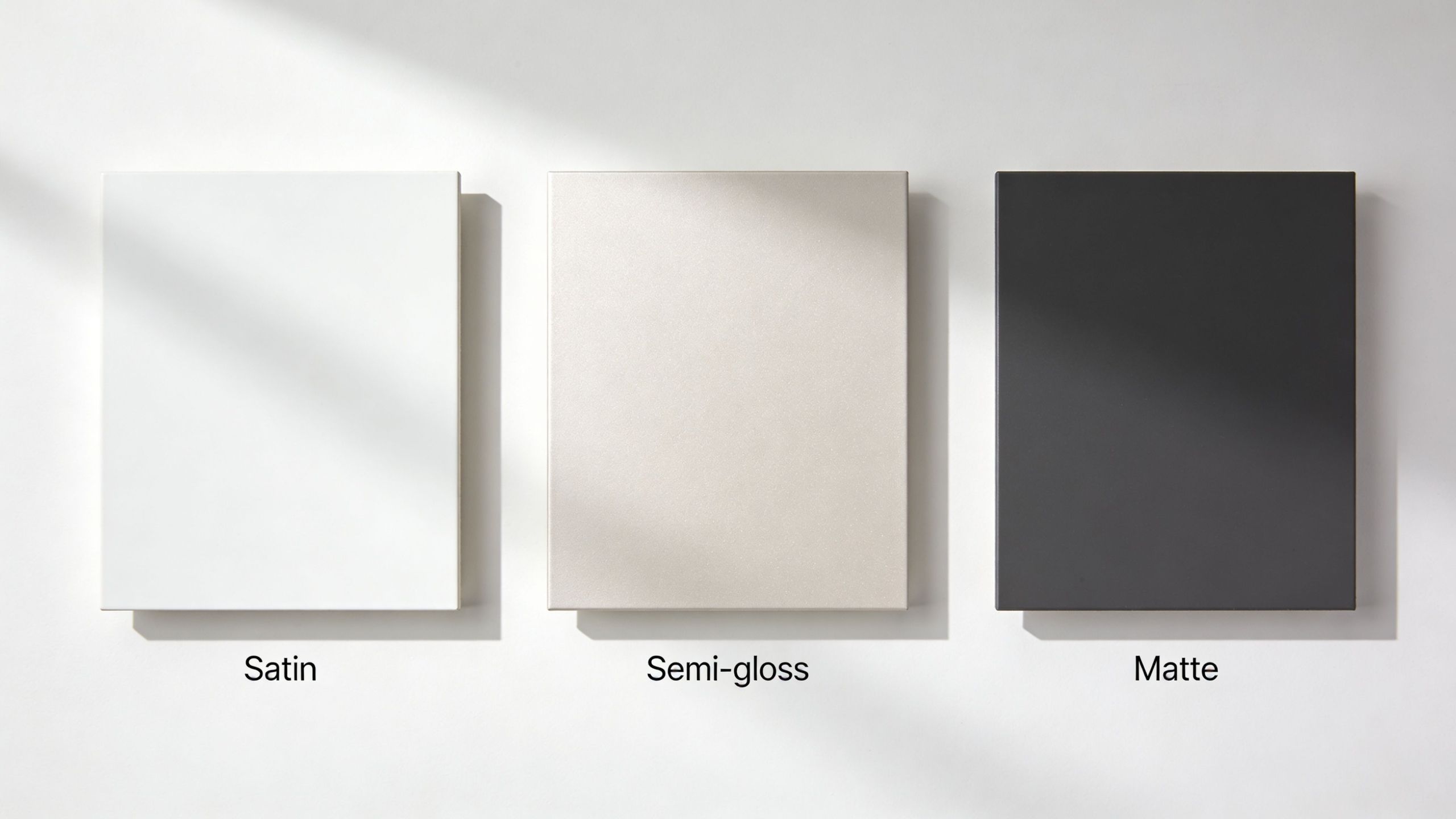
This is a game-changer for residential remodeling projects. You can finally have a bathroom with that sophisticated, velvety look that flows with the rest of your home's design, all while giving the ceiling the tough-as-nails protection it needs.
Making the Final Call for Your Space
So, what’s the right move for your property? For most homes we work on in the Tacoma area, a satin finish is the perfect all-rounder, delivering durability, washability, and a touch of elegance. If you’re a property manager dealing with a rental, a business with commercial renovations, or a bathroom with poor ventilation, the superior toughness of a semi-gloss is the smartest long-term play.
But if your heart is set on that contemporary, zero-shine look, a specialty matte bathroom paint is an fantastic choice. Just make absolutely sure the can says it's formulated for high-humidity areas. At Wheeler Painting, we walk our clients through these options every day, making sure the finish you choose not only looks beautiful but also provides the lasting protection your property deserves.
Knowing When Paint Alone Is Not the Answer
As professional painters who have served the damp Puget Sound climate for years, we've seen it all. A high-quality waterproof ceiling paint is a fantastic product, but it’s crucial to understand what it can—and can't—do. Think of it as the final layer of defense, not a structural fix.
Painting over a deeper moisture problem is like putting a fancy hubcap on a flat tire. It might look better for a little while, but it doesn’t solve the underlying issue. A lasting, quality paint job always starts with an honest assessment of what's really going on.
Surface Mildew vs. Deeper Structural Issues
The first step is figuring out if you have a simple surface problem or a sign of a much bigger headache.
Surface-Level Mildew: If you see small, dark specks on the paint, especially in corners or areas with poor airflow, that's often just surface mildew from humidity. After a thorough cleaning and proper prep, a fresh coat of waterproof ceiling paint is exactly what you need.
Deeper Structural Issues: On the other hand, if you’re seeing large, spreading brown or yellow stains, sagging drywall, or paint that’s bubbling and peeling off in sheets, you’re looking at an active water leak. These are red flags that demand immediate attention.
A common mistake we see is property owners trying to seal a leak with a coat of paint. It will not work. Water is persistent and will always find a way through, ruining the new paint and continuing to rot the drywall, framing, and insulation behind it.
When your ceiling shows signs of water damage, you have to stop the leak and repair the structure before a single can of paint is opened. For a better idea of what that repair process involves, resources explaining Portland area water damage solutions offer a great overview of the steps, which are very similar to what we handle here in the Seattle area.
The Overlooked Culprit: Poor Ventilation
Sometimes, the water isn't coming from a leak above, but from the air inside the room itself. Your bathroom's exhaust fan is your number one tool for getting all that hot, steamy air out before it condenses on your ceiling. If that fan is broken, too small for the room, or just never gets used, no paint in the world can win against constant condensation.
You'll know you have a ventilation problem if you see:
- Mirrors, walls, and windows that stay fogged up long after a shower.
- A room that always feels damp or clammy.
- Visible water droplets forming and dripping from the ceiling.
Painting a ceiling in a bathroom with bad ventilation is a temporary fix, at best. All that moisture will just cause even the best waterproof paint to fail prematurely. For our commercial clients with facilities in the Kent-Seattle corridor, we stress that proper ventilation is absolutely non-negotiable for maintenance. The only real solution is to repair or upgrade the ventilation system first.
At Wheeler Painting, we're not just here to sell an interior painting job; we're here to provide a solution that lasts. If we spot signs of a leak or a failed fan during an estimate in Kent or Tacoma, we’re going to tell you upfront. Our goal is to be the trusted partner who ensures your facility maintenance or residential remodeling project is done right from the ground up. This approach is fundamental to what we do, and you can learn more about what waterproofing is in construction in our comprehensive guide.
The Professional Process for a Flawless, Lasting Finish
Choosing the right paint for your bathroom ceiling is only half the battle. The real secret to a finish that looks perfect for years and actively fights off moisture lies in the process—the meticulous, step-by-step method that separates a quick touch-up from a true professional job.
It’s a truth we’ve seen countless times in homes and businesses around Kent, Seattle, and across the damp Pacific Northwest: paint jobs that fail early almost always do so because of shortcuts taken during prep. Our entire process is built around getting it right the first time, saving property owners from the future headaches of peeling, bubbling, and mildew.
The Prep Work Foundation
You wouldn’t build a house on a shaky foundation, and the same principle applies to painting. The hard truth is that the majority of our time on any professional painting project is spent on preparation, long before a can of finish paint is even opened. For a high-humidity room like a bathroom, every single prep step is critical.
We always start with a deep clean. Over time, bathroom ceilings accumulate a nearly invisible film of residue from soap, hairspray, and steam. This film is the enemy of new paint, preventing it from grabbing hold. We thoroughly wash the surface to give the paint a truly clean slate to adhere to.
Next, we tackle any signs of past failure. This is where the real detail work happens:
- Scraping: We meticulously scrape away any loose, peeling, or bubbling paint until we get back to a solid, stable surface.
- Sanding: The edges of those scraped areas are then carefully "feathered" by sanding, which ensures there are no ridges or lines that will show through the final coat.
- Patching: Any remaining divots, cracks, or imperfections are filled with a high-quality spackling compound, which is then sanded perfectly smooth once dry.
This transforms a damaged surface into a pristine, uniform canvas. Skipping this level of preparation is a guarantee that old problems will telegraph right through the new paint, and it will eventually peel all over again.
The following infographic shows how we diagnose moisture problems that might go deeper than just a coat of paint.
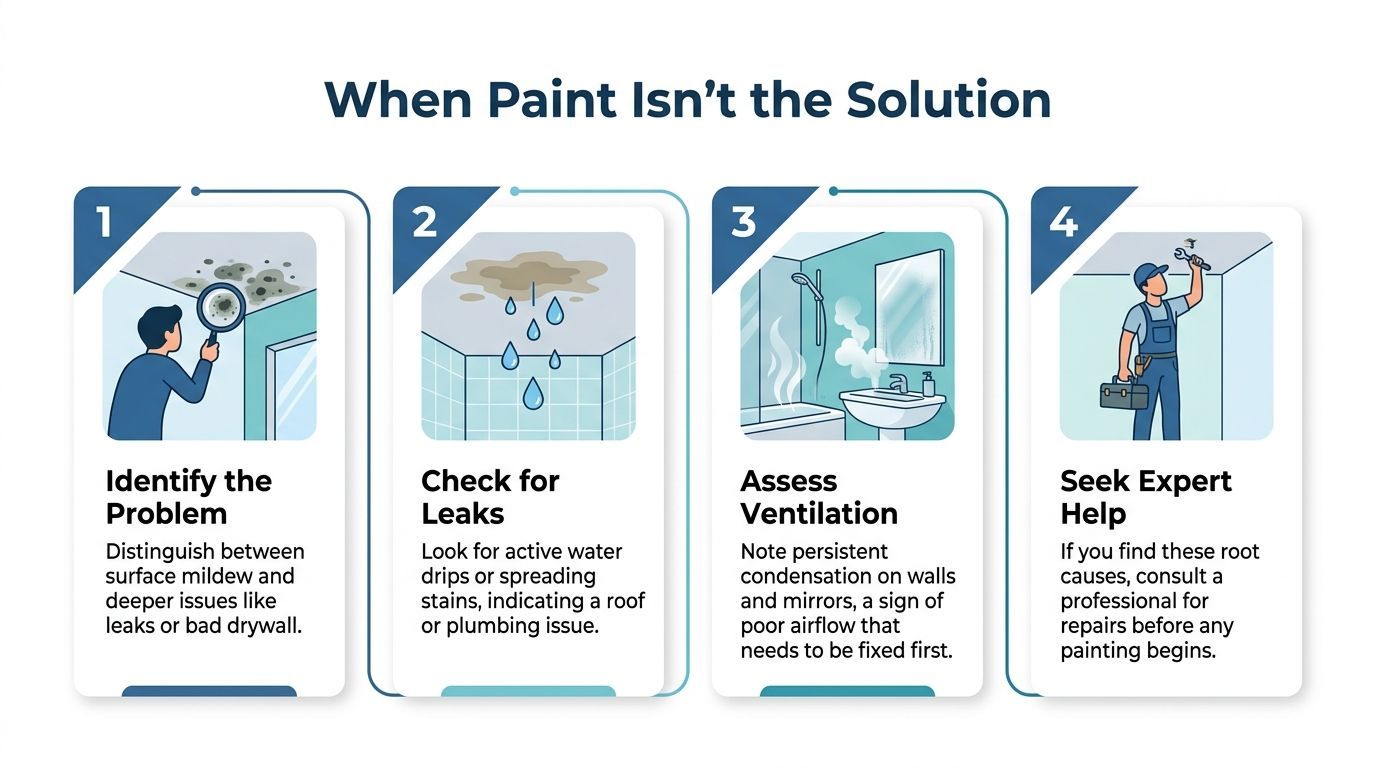
Following this process ensures we’re providing a real solution, not just covering up a symptom of a larger issue like an undetected leak or inadequate ventilation.
Priming and Painting for Maximum Durability
With a perfectly prepped surface, it's time to prime. If there's one step you should never, ever skip in a bathroom, it's this one.
Think of primer as the ultimate handshake between the ceiling and the paint. It’s an adhesive that grabs onto the prepared surface and creates the perfect bond for the topcoat, ensuring it won't peel or blister under the stress of constant humidity.
We use a specific type of primer—one that is high-adhesion, stain-blocking, and mold-resistant. It seals the fresh patches, stops old water stains from bleeding through, and adds a powerful layer of defense against mildew. For anyone thinking about repainting a bathroom ceiling, recognizing the power of a quality primer is essential.
Finally, we get to the main event: applying the finish coats with precision and care.
- Cutting In: First, we use a brush to meticulously paint the edges where the ceiling meets the walls and around any fixtures. This creates a clean, sharp line.
- Rolling: Next, we roll out the ceiling with two thin, even coats of the waterproof ceiling paint for bathroom applications. Applying two thin coats is far more effective than one thick one, as it allows the paint to cure properly and build maximum durability.
- Drying and Curing: We make sure the area is well-ventilated during and after painting. While the surface might feel dry in a few hours, the paint needs several days to fully cure and harden into its moisture-resistant shell.
This methodical approach is how we deliver a flawless finish that stands up to the demands of time and moisture for homeowners and facility managers across the Tacoma area. It’s the professional difference that turns a paint job into a long-term investment in your property.
Protect Your Property and Hire a Seattle Area Pro
We’ve covered a lot of ground in this guide, but it all comes down to one simple truth: using a high-quality waterproof ceiling paint is a non-negotiable for any bathroom project here in the damp Pacific Northwest. It’s so much more than a finishing touch—it's a critical shield for your entire property.
By choosing the right paint, you're actively preventing the kind of deep, structural rot that comes from unchecked moisture. You're also protecting your family’s air quality by stopping mold in its tracks and, in turn, safeguarding your property's value. For anyone managing a home or commercial building from Kent to Tacoma, this isn't just an expense; it's one of the smartest investments you can make.
What Does a Professional Bathroom Ceiling Project Cost?
It’s the first question on every property owner's mind: what’s this going to cost? In the Seattle-Tacoma area, the price for a professional to paint your bathroom ceiling really depends on a few things: the size of the room, what kind of shape the ceiling is in now, and how much prep work is needed.
A small, simple bathroom with a ceiling that’s already in good condition will naturally be on the lower end. But if the job involves scraping away layers of old, failing paint, patching up water stains, and applying a specialized stain-blocking primer, the price will reflect the hours and skill needed to do it right.
A professional quote isn't just for a bucket of paint and a few hours of work. It’s for the peace of mind that comes from a meticulous process. It covers thorough prep, top-tier materials, and the expertise to ensure the finish lasts for years, saving you money on future repairs.
Hiring a true expert ensures every single step—from cleaning and scraping to priming and applying those final coats—is handled with precision.
Partner with a Trusted Local Contractor
You now have a solid understanding of the what, why, and how behind a durable bathroom ceiling. The next step is translating that knowledge into a beautiful, lasting result in your own property. If you’re a property owner, building owner, or facility manager in the Puget Sound region who values quality work and a stress-free process, we’re here to help.
Wheeler Painting is a trusted local provider of residential and commercial painting services. We are the perfect fit for facility managers and property owners looking for a smaller firm that specializes in mid-size tenant improvement and facility maintenance projects. We're not just experts in house painting near me; we're a full-service residential contractor near me and commercial construction near me team that intimately understands the unique challenges our local climate throws at our buildings. We've built our name on clear communication and an unwavering commitment to getting the job done right the first time.
When you bring us in for your interior painting or commercial renovations, you’re getting more than just painters. You’re gaining a dedicated partner who will protect your property as if it were our own.
Don't let a damp bathroom ceiling quietly turn into a much bigger, more expensive problem. Take the final step and have it handled by professionals who know exactly how to deliver a flawless, moisture-proof finish. If you're ready to protect your property and feel the confidence that comes with expert craftsmanship, contact Wheeler Painting today. We’ll be happy to schedule a consultation and provide a clear, detailed estimate for your project.
Frequently Asked Questions About Bathroom Ceiling Paint
As a local painting contractor here in the Puget Sound for many years, we've heard just about every question you can imagine when it comes to bathrooms. Here are some of the most common ones we get from homeowners and property managers, with straightforward answers to help you get your project right.
Can I Just Use Regular Interior Paint on My Bathroom Ceiling?
That's a question we hear a lot, and our answer is always a firm no. Think of regular paint like a dry sponge. The moment your shower steams up the room, that paint will soak up the moisture. Before you know it, you're looking at peeling, bubbling, and the perfect setup for mold and mildew to move in.
In a damp climate like ours in the Pacific Northwest, using a dedicated waterproof ceiling paint for your bathroom isn't a luxury—it's essential for a finish that actually lasts.
How Long Should I Wait to Use the Shower After Painting?
This is a big one. While the new paint might feel dry to the touch in just a few hours, it’s not ready for a steam bath just yet. The paint is still "curing," which is the chemical process where it hardens into a durable, moisture-blocking shell.
We always tell our clients to wait at least 48-72 hours before turning on the shower. Giving it that time ensures the paint performs as it should and protects your ceiling for years to come.
What’s the Best Paint Finish for a Bathroom Ceiling?
Traditionally, satin and semi-gloss were the go-to choices. Their slicker surfaces are fantastic at repelling water droplets and are incredibly easy to wipe clean.
The great news is that paint technology has come a long way. You can now find high-performance specialty bathroom paints in a beautiful, modern matte finish. This means you can get that stylish, non-reflective look without giving up an ounce of durability or mildew resistance.
Is "Bathroom Paint" the Same as "Waterproof Paint"?
Not necessarily, and it's a critical distinction. The term "bathroom paint" usually refers to a quality latex paint that's formulated to resist moisture and contains mildewcides to stop mold growth. It’s a huge step up from regular paint.
However, a true "waterproof" paint, often an epoxy-based formula, creates a much stronger, non-porous barrier. We typically recommend this for ceilings directly over a shower stall or in commercial facilities, small bathrooms, or older homes with poor ventilation. For more answers to common renovation questions, you might find these SitePro Bathrooms renovation questions to be a useful resource.
The most critical step isn't just the paint, but the preparation. A professionally painted bathroom ceiling relies on meticulous cleaning, scraping, patching, and priming to guarantee the new waterproof paint can form a perfect, lasting bond.
Ready to stop worrying about your bathroom ceiling? The expert team at Wheeler Painting has provided durable, professional interior painting and remodeling solutions for homeowners and businesses from Seattle to Tacoma for years. Contact us today for a straightforward consultation and a project handled with care. Learn more about our interior painting services at wheelerpainting.com.




 “Like” us on Facebook!