Custom Cabinet Builders Near Me: How to Choose Craftsmanship That Lasts
Searching for custom cabinet builders near me usually means you are looking for more than storage. You are looking for a better way to use your kitchen, bathroom, laundry room, office, or built-in space. Maybe your current cabinets are dated, damaged, poorly laid out, or simply not built for how your household lives today.
Custom cabinetry can completely change the way a room feels and functions. It can make a kitchen easier to cook in, a bathroom more organized, a laundry room more efficient, or a living area more polished. But custom cabinets are also a long-term investment, which means the quality of the design, materials, finish, and installation matter from the beginning.
For homeowners in Kent, Seattle, Tacoma, Bellevue, and throughout Western Washington, choosing the right cabinet builder is especially important. Homes in the Puget Sound area often deal with moisture, older layouts, uneven walls, previous remodels, and changing design styles. A cabinet project needs to look good on day one, but it also needs to hold up to daily use over time.
Here is what to look for before starting your project.
Start With the Purpose of the Cabinets
Before choosing wood species, door styles, colors, or hardware, think about what the cabinets need to do. Good cabinetry starts with function.
In a kitchen, you may need deeper drawers for pots and pans, better pantry storage, a built-in trash pullout, appliance storage, or an island that adds seating without blocking movement. In a bathroom, you may need smarter vanity storage, linen space, or cabinetry that can handle daily moisture. In a laundry room, the priority may be utility, durability, and keeping supplies organized.
The best custom cabinet builders do not simply measure a wall and fill it with cabinets. They ask how the room is used, what is frustrating about the current layout, and what needs to change so the space works better.
A cabinet that looks beautiful but does not solve the everyday problem will eventually disappoint. Lasting craftsmanship starts with a design that fits your real life.
Custom Cabinet Builder
Look for Remodeling Experience, Not Just Cabinet Experience
Custom cabinets are often part of a larger remodeling project. Once old cabinets are removed, you may discover drywall damage, uneven walls, flooring gaps, plumbing issues, electrical needs, water damage, or trim problems. If the project involves changing the layout, the scope may also include countertops, lighting, flooring, painting, and finish repairs.
That is why it can be helpful to work with a contractor who understands the full remodeling process. Wheeler Painting & Restoration Services provides residential construction, remodeling, restoration, painting, and design-build services throughout Western Washington. Their kitchen remodeling work includes custom cabinetry, countertops, flooring, lighting, drywall, and final painting service as part of a coordinated project approach.
When cabinetry is handled as part of the full room, the final result tends to feel more complete. The cabinets line up with the trim. The paint works with the finish. The flooring transitions make sense. The countertop, lighting, and wall color support the design instead of competing with it.
Pay Attention to Material Quality
Cabinet materials affect durability, appearance, maintenance, and cost. A good cabinet builder should be able to explain the difference between common material options and help you choose what fits your home and lifestyle.
Solid wood brings natural beauty and strength, but each species performs and looks different. Maple is often selected for its smoother grain and clean appearance. Oak has a more visible grain and a classic feel. Cherry brings warmth and depth. Walnut creates a rich, premium look. Alder can offer a softer, warm appearance that works well in many Northwest homes.
Engineered cabinet materials may also be used in some applications, depending on the design and performance needs. The key is not choosing the most expensive option automatically. The key is choosing the right material for the way the cabinets will be used.
A busy family kitchen needs durability. A bathroom vanity needs moisture-aware planning. A painted cabinet project needs a material and prep process that can support a smooth finish. A cabinet builder should help you understand those differences before decisions are finalized.
Ask About the Finish Process
The finish is one of the biggest indicators of cabinet quality. A strong cabinet box and well-built doors can still look disappointing if the finish is uneven, poorly prepared, or not durable enough for daily use.
Cabinets are touched constantly. They deal with hand oils, steam, food splatter, cleaning products, moisture, and repeated opening and closing. Paint or stain needs to be applied with the right preparation and care.
For painted cabinets, proper cleaning, sanding, priming, and application are essential. Skipping prep work can lead to peeling, chipping, uneven sheen, or a finish that wears too quickly. For stained cabinets, the finish should enhance the natural character of the wood without looking blotchy or inconsistent.
This is one reason Wheeler’s painting and fine finish background is useful. Cabinetry is not only a carpentry project. It is also a finish project. The final look depends heavily on surface preparation, product selection, application skill, and attention to detail.
Make Sure the Cabinets Fit the Home
Custom cabinets should not look like they were copied from a showroom and dropped into your house. They should match the architecture, layout, and personality of the home.
In a traditional home, detailed trim, classic door profiles, warm finishes, and timeless hardware may feel right. In a modern space, slab doors, cleaner lines, simple pulls, and smooth finishes may be a better fit. In a transitional kitchen, shaker-style doors, soft neutral colors, and natural wood accents can create a balance between classic and current.
Western Washington homes vary widely. Some are older homes with character and irregular dimensions. Others are newer builds with open layouts and cleaner lines. Some have smaller kitchens where every inch of storage matters. Others have large open spaces where the cabinetry becomes a major design feature.
A good cabinet builder should look at the whole room, not just the cabinet wall. They should consider natural light, ceiling height, flooring, windows, doorways, adjacent rooms, and how the finished cabinetry will connect visually with the rest of the home.
Custom Cabinet Builder Service
Look Closely at Installation Details
Even the best cabinets can fall short if they are not installed correctly. Installation affects alignment, door operation, drawer movement, countertop fit, trim lines, and the overall finished appearance.
Look for signs of careful craftsmanship: consistent spacing, level lines, properly adjusted doors, smooth drawer operation, tight trim work, and clean transitions. Cabinets should feel solid. Doors should not rub. Drawers should not wobble. Hardware should be placed consistently.
Older homes can make installation more complicated because walls and floors may not be perfectly level. That does not mean custom cabinets cannot work. It simply means the builder needs the experience to adjust for real-world conditions.
A quality contractor will plan for those details instead of forcing standard solutions into an imperfect space.
Consider Moisture and Repair Issues First
Cabinet projects sometimes begin because the existing cabinets are worn or outdated. Other times, they begin because something has gone wrong. Water damage, leaking plumbing, swollen cabinet bases, damaged drywall, stained flooring, or mold-like odors can all point to a deeper issue.
If cabinets have been damaged by water, the source must be fixed before new cabinets are installed. Otherwise, the same problem may return and damage the new work.
In kitchens and bathrooms especially, moisture can affect more than cabinets. It can reach drywall, flooring, subflooring, trim, and paint. Wheeler’s restoration and construction experience can help homeowners look at the larger condition of the space before rebuilding begins.
The goal is not just to make the room look new. The goal is to repair the underlying problem and then finish the room properly.
Ask for a Clear Project Process
Custom cabinetry requires decisions, measurements, materials, scheduling, and coordination. Before hiring a cabinet builder or contractor, ask how the process works.
A professional team should begin with an on-site consultation. They should listen to your goals, evaluate the space, discuss options, and provide a clear proposal. You should understand what is included, what related repairs may be needed, how changes are handled, and who will communicate with you during the project.
Good communication matters because cabinet projects affect daily routines. If the work is in the kitchen, you may be without full use of the space for part of the project. If the work is part of a larger remodel, timing and sequencing become even more important.
The right contractor should reduce confusion, not add to it.
Custom Cabinet Service
Choose Craftsmanship That Holds Up
When you search for custom cabinet builders nearby, it can be tempting to focus only on photos. Photos matter, but they do not tell the whole story. Lasting craftsmanship comes from thoughtful planning, quality materials, proper finishing, skilled installation, and a contractor who understands how cabinetry fits into the full room.
For homeowners in Kent, Seattle, Tacoma, Bellevue, and across Western Washington, Wheeler Painting & Restoration Services brings together residential construction, remodeling, restoration, painting, and finish expertise. That combination is valuable when custom cabinets are part of a kitchen, bathroom, or home improvement project that needs more than a surface-level update.
Before starting your cabinet project, look for a team that asks good questions, understands your home, explains your options clearly, and pays attention to the details that matter after the work is done. Beautiful cabinets are important. Cabinets that function well, fit the home, and stand up to years of daily use are even better.
https://wheelerpainting.com/wp-content/uploads/2026/02/kitchen-cabinets-paint-color-ideas-paint-samples.jpg11522048Michele Wheelerhttps://wheelerpainting.com/wp-content/uploads/2019/11/Restoration-Logo-300x49.pngMichele Wheeler2026-08-15 09:00:252026-07-24 20:43:52Custom Cabinet Builders Near Me
If you're staring at a garage floor in Tacoma, Seattle, or anywhere around Puget Sound, you probably know the look. Dark damp spots near the door. Dust that keeps getting tracked into the house. Old oil marks that never really come out. A floor that makes the whole garage feel unfinished, even when everything else is organized.
That's a common Western Washington problem. Our garages work hard. They deal with rain, moisture, muddy boots, cold mornings, and the mess that comes home after trips over Snoqualmie Pass. A bare concrete slab can handle some abuse, but it won't stay clean-looking or easy to maintain for long.
A good coating changes that. It turns raw concrete into a surface that's easier to sweep, easier to wipe down, and better protected from daily wear. It also gives you options, from a straightforward workhorse finish to a more polished floor that feels like part of the house. If you're also thinking bigger about how to use the space, this garage man cave conversion guide is a helpful way to think through layout, comfort, and function before you pick a coating.
Transform Your Garage From Drab to Durable
Most garage floor coating options sound simple until you start comparing them. Then the questions pile up fast.
Is epoxy enough for a daily-use garage? What handles moisture better? What cures fast enough for our weather? Is the cheapest option just going to peel?
Those are the right questions. In Western Washington, the answer isn't only about color or finish. It's about how the coating handles damp concrete, tracked-in water, temperature swings, sunlight, and how you use the garage.
What homeowners usually want
Some people want a clean place to park and store tools. Others want a workshop floor that won't turn dusty every time they sweep. Commercial owners and facility managers may need a coating that handles traffic, cleanup, and regular wear without creating maintenance headaches.
Most needs fall into a few buckets:
Cleaner surfaces: Bare concrete sheds dust and grabs stains.
Moisture protection: A sealed floor helps reduce how much water and grime soak into the slab.
Better appearance: Flake finishes, solid colors, and glossy or satin topcoats can make a garage feel finished.
Less upkeep: A coated floor is easier to mop and sweep than open concrete.
Local reality: In Puget Sound, the right floor system isn't just about looks. It needs to fit the slab, the moisture conditions, and how quickly you need the garage back in service.
Why the right choice feels different here
Advice written for dry climates doesn't always hold up in Tacoma, Bellevue, Kirkland, or North Bend. A coating that performs fine in a hot, low-humidity market may behave very differently on a cool, damp slab here.
That's why it helps to look at garage floor coating options through a local lens. Once you understand how moisture, cure time, and surface prep affect performance, the decision gets much easier.
Why Your Puget Sound Garage Floor Needs Protection
Concrete seems solid, but it's porous. That matters in Western Washington because garages here spend much of the year dealing with moisture from the outside, moisture from the slab itself, or both.
If you park a wet car in the garage after a rainy commute, the slab takes it. If snow and de-icer come back from the mountains, the floor takes that too. If the garage stays shaded and cool, water can linger longer than people expect.
What moisture does to bare concrete
Moisture doesn't always show up as a puddle. Sometimes it's a darkened area by the wall. Sometimes it's that chalky dust you notice after sweeping. Sometimes it's a floor that always looks dirty because the surface keeps holding onto grime.
Over time, water and contaminants can create several problems:
Surface wear: The top layer of concrete starts to powder or break down.
Staining: Oil, road residue, and household chemicals soak in instead of wiping off.
Cracking and spalling: Repeated wetting and drying can make weak spots worse.
Indoor mess: Concrete dust and dirt travel into the house on shoes.
Why local driving habits matter
Around Puget Sound, a garage doesn't just see rainwater. It often sees sand, de-icer, road grime, and whatever the tires brought home from the freeway or the pass. That mix sits on the slab unless the surface is protected and easy to clean.
This is one reason coatings matter for both homes and commercial spaces. Property managers handling smaller tenant improvement or facility maintenance projects in Seattle, WA or Bellevue, WA often want floors that clean up quickly and don't keep degrading under regular use.
The part many blogs skip
Moisture can also move up through the slab. Homeowners sometimes hear this called hydrostatic pressure. The simple version is that water vapor can push from below and interfere with coatings if the floor wasn't tested and prepared correctly.
That's why garages in places like West Seattle, WA, Issaquah, WA, and Snoqualmie, WA can fool people. The floor may look dry on the surface, but the slab may still hold moisture that affects adhesion.
A coating can protect concrete well, but only if the installer treats the slab like a moisture-sensitive surface instead of just a painting project.
What protection really changes
A proper coating creates a sealed, easier-to-clean layer over the concrete. That helps limit staining, reduces dust, and makes routine cleanup much simpler. It also gives the slab a buffer against daily wear from tires, tools, and tracked-in debris.
For homes, that means the garage starts feeling like part of the property instead of a neglected utility space. For commercial renovations, retail build-outs, office space renovation work, and facility maintenance, it means one less surface that constantly looks worn before its time.
The Classic Choice Epoxy Floor Coatings
Epoxy is the coating commonly recognized first, and for good reason. It's still one of the most common garage floor coating options for homeowners who want a durable finish without jumping straight to the highest-end systems.
At a basic level, epoxy is a two-part system. You mix a resin with a hardener, and that chemical reaction creates a tough surface that bonds to properly prepared concrete. It isn't the same thing as regular garage paint, even though people often lump them together.
Why epoxy is still so popular
Epoxy has staying power because it checks several boxes at once. It can look sharp, add a solid protective layer, and give a garage that clean finished appearance many people want.
The market reflects that staying power. The epoxy flooring segment is projected to hold a 32.8% share of the global garage flooring market in 2026, driven by strength, chemical resistance, and design flexibility, according to Coherent Market Insights.
Here's where epoxy tends to make sense:
Budget-conscious upgrades: It usually lands below premium systems on upfront cost.
Decorative flexibility: Solid colors and flake finishes give homeowners a lot of visual choice.
Good everyday protection: It improves stain resistance and makes the floor easier to maintain.
Residential and commercial use: It's used in both home garages and work spaces where a tougher-than-paint surface is needed.
For readers comparing installation methods and finishes in more detail, Wheeler Painting has a service page on epoxy floor installation that shows how a professional system is typically built in layers.
Where epoxy struggles in Western Washington
Epoxy is a solid option, but it has limits. In our climate, the biggest issues are cure speed, moisture sensitivity, and sunlight exposure.
Traditional epoxy can take longer to cure, especially when the air is cool and damp. That slower cure can be inconvenient if the garage needs to go back into service quickly. It also means job conditions matter a lot more than many DIY kit labels suggest.
Another issue is UV exposure. If your garage door is open often, or the space gets regular sun through windows, epoxy can yellow over time. That doesn't always ruin the floor, but it can change how it looks.
Practical rule: Epoxy works well when the slab is properly prepared, the moisture conditions are under control, and the garage doesn't need ultra-fast return to service.
Best-fit examples for epoxy
Epoxy usually fits best when the garage is used for:
Use case
Why epoxy can work
Light to moderate daily parking
Good balance of appearance and value
Storage-focused garages
Easy cleanup and improved stain resistance
Workshops with controlled conditions
Tougher surface than paint, with decorative options
Commercial utility spaces
Can provide a cleanable finish if traffic demands are moderate
Later in the decision process, it helps to compare epoxy against faster-curing systems. This short video gives a useful visual look at garage floor coating basics before you decide:
The honest trade-off
If you want a clean, polished floor and you're watching budget, epoxy remains a legitimate choice. But it's not automatically the right answer for every garage in Tacoma, WA or Seattle, WA. A damp slab, strong sun exposure, or a need for very fast turnaround can push the recommendation toward something else.
The Premium Standard Polyaspartic and Polyurea Coatings
Polyaspartic and polyurea coatings sit in a different category from basic epoxy. People sometimes describe them as upgraded epoxy, but that isn't really accurate. They're a different chemistry, and that difference shows up in cure time, flexibility, UV performance, and long-term wear.
For Western Washington garages, those differences can be a big deal.
Why these systems get attention
The strongest selling point is speed. In a region where cool air and damp conditions can slow other coatings, a system that cures quickly is easier to schedule and easier to protect during the vulnerable early stage.
Polyaspartic coatings are often recommended for high-use garages or spaces with sunlight exposure because they cure fast, resist UV yellowing, and perform well under abrasion and temperature shifts, as outlined by Dea's Garage Floors. That makes them appealing in places like Kirkland, WA and New Castle, WA where some garages have windows, brighter orientation, or frequent in-and-out use.
What pro-grade application changes
The coating itself matters, but the installed system matters just as much. Professional-grade polyaspartic and polyurea systems require a minimum dry film thickness of 3–4 mils to create a real chemical bond with the concrete, which helps them resist impacts, chemicals, UV exposure, and hot-tire pickup, according to Garage Living.
That detail matters because these coatings aren't just meant to sit on top of the slab. Done correctly, they form a stronger bond and behave more like a complete floor protection system.
Where polyurea shines
Polyurea is known for toughness and service life. It also creates a continuous, watertight barrier, which is especially useful in climates where water exposure is part of normal life. Croc Coatings notes that polyurea coatings can last 15–30 years, while also offering UV resistance and protection against water and fluid penetration.
That makes polyurea a strong fit for:
Heavy-use garages: Frequent vehicle traffic, tool movement, and harder wear
Moisture-prone spaces: Garages where water management matters
Sun-exposed floors: Areas where yellowing would be a concern
Owners planning long-term: People who'd rather pay more once than recoat sooner
The trade-off is straightforward
These coatings usually cost more up front. That's the honest part most homeowners already expect. The question isn't whether they're cheaper. It's whether their faster return to service, stronger wear resistance, and better UV stability match how you use the space.
For a garage that sees regular moisture, daily traffic, and little tolerance for downtime, polyaspartic or polyurea often makes more sense than trying to stretch a lower-cost coating beyond its comfort zone.
For homeowners, building owners, and facility managers, this is often the “do it once and move on” option. It's especially relevant for smaller commercial renovations, service spaces, and garages tied to broader facility construction services where durability and predictable maintenance matter more than the lowest initial price.
Comparing Your Top Garage Floor Coating Options
Once you narrow the field, the decision usually comes down to three questions. How hard do you use the garage, how soon do you need it back, and how much maintenance are you willing to accept later?
That's where side-by-side comparison helps more than sales language.
Epoxy vs Polyaspartic At a Glance
Feature
Epoxy
Polyaspartic
Durability
Strong for light to moderate garage use
Better suited for heavier use and abrasion
Upfront cost
Usually lower
Usually higher
Cure speed
Slower
Faster
UV resistance
Can yellow over time
Better UV stability
Fit for damp, variable conditions
More sensitive to jobsite conditions
Often easier to schedule around weather
Best match
Budget-conscious residential garages
High-use or quick-turnaround garages
Acrylic garage floor paint belongs in the conversation too, mainly because many homeowners consider it first. It's the cheapest option overall, but it's also less durable than true coating systems, according to the earlier coating comparison reference from Dea's Garage Floors.
The cure-time issue matters more here
One of the biggest differences in Puget Sound is how long the garage stays out of service. A critical detail often missed is that polyaspartic coatings can reach full cure in 24–36 hours even in cool, damp conditions, while traditional epoxy may take 3–5 days. That same source notes that 42% of DIY coating failures are linked to re-entry before full cure, which is a major risk when people rush to move items back into the garage. That guidance comes from this garage floor curing discussion.
That isn't a small issue. In Tacoma or Seattle, a project scheduled during a cool spell can go sideways if someone treats a “dry to the touch” surface like a fully cured floor.
A simpler way to choose
If you're trying to decide quickly, this framework helps:
Choose epoxy if you want a proven, attractive coating and your garage use is fairly typical.
Choose polyaspartic if speed, UV stability, and stronger wear performance matter more than the lowest upfront price.
Choose paint only if you understand it's a short-term, budget-first option.
For a deeper look at how wear, tire traffic, and use patterns affect performance over time, this page on epoxy floor durability is a useful next step.
What about urethane
Some comparison charts include urethane because it's often used as part of a broader coating system, especially as a top layer in some applications. For most homeowners, though, the main buying decision is usually between an epoxy-based system and a polyaspartic or polyurea system.
A coating isn't “better” in the abstract. It's better when its strengths match the way your garage actually gets used.
That's why a parking-only garage in North Bend, WA may land on one answer, while a workshop garage in Bellevue, WA or a small commercial service space in Seattle, WA lands on another.
DIY vs Hiring a Local Pro in Seattle and Tacoma
A lot of garage floor failures start before the coating ever goes down. The problem isn't always the product. It's prep.
That's the part DIY kits tend to make look easy. Clean the floor, etch it, roll it on, and you're done. On a real Puget Sound slab, it usually isn't that simple.
Surface prep decides the outcome
Concrete has to be opened up so the coating can bond. In professional work, that usually means mechanical preparation such as diamond grinding, not just washing and hoping for the best.
Moisture testing matters too. Crack repair matters. Removing contamination matters. If oil, previous sealers, or hidden moisture stay in the slab, the coating can peel, blister, or wear unevenly no matter what the label promised.
Why fast-curing products raise the stakes
Modern coatings can perform well, but some of them also move fast. That's great when trained installers are managing the mix, spread rate, and working time. It's not so great when a first-time DIY user is still figuring out how the material behaves.
Rust-Oleum states that polycuramine coatings are marketed as being 20 times more durable than regular epoxy and typically allow traffic the next day, while standard epoxy requires three days of drying time before vehicles can be driven on it, as explained in this Rust-Oleum garage floor coating guide. That gap shows why product class matters, but it also shows why application skill matters. Faster materials don't leave much room for hesitation.
When hiring a pro makes more sense
For many homeowners and property managers, the value of a local installer is less about convenience and more about risk control.
A professional can evaluate:
Slab condition: Cracks, soft spots, old coatings, and contamination
Moisture concerns: Whether the floor is suitable for a given system
System fit: Matching coating type to use, light exposure, and downtime needs
Application timing: Working around weather and cure conditions
If your garage is part of a bigger upgrade, the floor may also need to coordinate with electrical, storage, or workshop improvements. For example, homeowners planning charging upgrades might find this guide for Riverside EV owners useful as a planning reference for how other contractors think through garage power and access needs.
One local option homeowners sometimes review while comparing finishes is garage floor staining, which can suit some concrete projects differently than a full coating system.
Why this matters for smaller commercial spaces too
This isn't only a residential issue. Facility managers, property managers, and owners looking for a smaller firm for tenant improvement, waterproofing, floor repairs and replacements, or facility maintenance often need a contractor who can look at the floor as part of a broader building-use problem.
That's one reason some owners in Tacoma, WA, Bellevue, WA, and West Seattle, WA lean toward working with Wheeler Painting on coating-related work. The company handles residential and commercial construction, restoration, painting, and related maintenance scopes, so garage and utility-floor decisions can be assessed in context instead of isolation.
Your Checklist for the Perfect Garage Floor
By the time you're comparing garage floor coating options seriously, the goal usually isn't to find the most advertised product. It's to find the one that fits your slab, your climate, and how you use the space week after week.
This checklist keeps the decision practical.
Ask these questions before you choose
How do you use the garage now: Is it mainly for parking, storage, a workshop, or a mix of uses?
How much moisture does it see: Do wet vehicles, boots, or drainage issues keep the slab damp?
How fast do you need it back: Can the garage sit for several days, or do you need quick return to service?
Does sunlight hit the floor: If yes, UV stability matters more.
What's your real budget horizon: Is lower upfront cost the priority, or do you want fewer coating headaches later?
What shape is the slab in: Cracks, old paint, soft concrete, and contamination all affect the right system.
A smart final step
If you're unsure whether the problem is coating choice or slab condition, start there. A floor that needs repair, moisture evaluation, or better prep can't be judged by product labels alone.
For general perspective on when concrete repair comes before a finish system, this overview from Atlanta Concrete Solutions is a useful reminder that coatings and concrete condition go hand in hand.
The best-looking finish won't stay that way if the slab underneath wasn't ready for it.
In Tacoma, Seattle, New Castle, Issaquah, Bellevue, Kirkland, North Bend, West Seattle, and Snoqualmie, the right answer usually comes from seeing the floor in person. Moisture, prep needs, and use patterns are easier to judge on site than from a product brochure.
If you want clear answers for your garage, talk with Wheeler Painting & Restoration Services. A site visit can help you sort out moisture concerns, compare coating systems realistically, and choose a floor that fits your home, commercial space, or facility without guesswork.
https://wheelerpainting.com/wp-content/uploads/2026/07/garage-floor-coating-options-epoxy-flooring.jpg9411672https://wheelerpainting.com/wp-content/uploads/2019/11/Restoration-Logo-300x49.png2026-07-09 02:12:262026-07-09 02:12:34Garage Floor Coating Options: A Puget Sound Guide
You bring home a few paint chips, hold them up in the bedroom, and suddenly the whole room gets complicated. The blue that looked calm in the store turns gray by noon in Tacoma light. The warm neutral you liked online picks up pink against your flooring in Bellevue. Add trim color, window direction, and bedding, and a small paint project starts to feel a lot bigger than it should.
A good bedroom palette has to do more than look nice on a sample card. It needs to feel restful at night, stay believable in our cool Puget Sound light, and hold up to the way the room is used. Guest room, primary suite, rental refresh, or bedroom-office combo, the right choice usually comes down to light, sheen, and what surfaces are staying in the room.
That practical side is what homeowners and property managers ask us about all the time across Tacoma, Seattle, Bellevue, Issaquah, Kirkland, West Seattle, Snoqualmie, North Bend, and New Castle. Online inspiration helps, but paint behaves differently in a north-facing Seattle bedroom than it does in a bright listing photo. For a broader starting point, our interior paint color guide for homeowners helps narrow down what works before you buy samples.
This guide keeps the focus on palettes you can use. Each one pairs color with lighting advice, finish recommendations, and real application notes from homes around the South Sound and Eastside. We also included a few home color design tips and, where it fits, outside styling resources like this blue wall decor guide so the paint choice connects to the rest of the room instead of stopping at the walls.
1. Serene Coastal Blue with Soft Whites and Warm Neutrals
Soft coastal blue works especially well in West Seattle and Bellevue bedrooms where the light can swing from bright to cool within the same day. It gives the room a calm base without pushing it into a beach-theme cliché. The trick is warming it up so it doesn't read icy in the morning or flat on gray afternoons.
Use the blue on the walls, a soft white on trim, and beige or sand tones in bedding, rugs, and upholstery. If you've got light oak furniture, whitewashed wood, or simple custom cabinets, this palette settles in naturally and feels finished without much effort.
How to keep it from feeling cold
Warm bulbs matter here. A warm-toned lamp setup keeps the blue comfortable and inviting, especially in a Seattle primary bedroom where natural light may stay muted much of the year.
A few practical moves make this palette work better:
Choose the right trim finish: Satin or semi-gloss trim holds up better around window sills, doors, and baseboards.
Add natural texture: Linen bedding, woven shades, and jute rugs keep the room from feeling too slick or coastal-showroom perfect.
Bring in wood tones: Warm wood floors, floating nightstands, or casework give the blue some needed balance.
Practical rule: If your wall color is cool, at least one major room element should add warmth. Wood, beige textiles, or brass hardware usually do the job.
2. Warm Sage Green with Cream and Soft Gold Accents
A lot of homeowners want a bedroom that feels calm by the end of the day but still looks warm on a gray Tacoma morning. Sage usually gets that balance right.
It is one of the more forgiving choices in a bedroom color palette because it sits between warm and cool undertones. That makes it easier to pair with existing wood floors, cream trim, brass lamps, and even gray or oatmeal bedding without forcing a full room makeover. In Bellevue primary suites, Seattle guest rooms, and older Tacoma homes with mixed finishes, that flexibility saves money and second-guessing.
Where sage works best
Sage does especially well in bedrooms with uneven natural light. I've used it in Puget Sound homes where one wall gets soft daylight and the rest of the room stays shaded for most of the day. The better sage shades stay grounded instead of flipping too yellow or reading mint.
Cream trim usually works better here than a sharp white. Bright white can make sage look flatter and colder than homeowners expect. Soft gold or brass accents add warmth, while muted black hardware gives the room a little structure if the furniture is simple.
A few practical choices make this palette look finished instead of tentative:
Sample on multiple walls: Put larger test patches where you see both daylight and lamplight. Sage can shift more than people expect once the sun drops.
Choose sheen carefully: Eggshell is a safe wall finish for most bedrooms. Satin can work, but only if the walls are in good shape because it shows patches and roller marks faster.
Layer warm materials: Cream curtains, natural wood, and soft metal finishes keep the room from feeling flat.
One last contractor note. Sage is easy to like, but the wrong undertone still causes trouble. In homes around Seattle, Bellevue, and Tacoma, I test it against the flooring first, then the light, because that is usually where the decision gets made.
3. Moody Charcoal Gray with White Contrast and Metallic Touches
Charcoal can look sharp, refined, and expensive. It can also look like a cave if the prep or lighting is wrong. That's the trade-off.
In a modern Seattle or Bellevue bedroom with clean lines and decent natural light, charcoal on the walls creates strong contrast with crisp white trim and pale bedding. Metallic accents such as brushed nickel, silver, or gunmetal work well here because they support the cooler palette without making the room feel sterile.
What makes charcoal succeed
Dark paint exposes surface flaws fast. If the walls have patches, tape lines, dents, or uneven texture, charcoal will make every one of them more visible. A solid drywall contractor proves invaluable before the first coat ever goes on.
If you're curious about using dark paint more selectively, Wheeler Painting shares useful accent wall color ideas that can help you decide whether to do all four walls or just one.
Dark colors don't forgive rushed prep. They reward it.
Use warm bedside lamps and layered textiles to soften the cool edge. A charcoal wall behind the bed often works better than wrapping the entire room, especially in Issaquah homes where the bedroom may already have a lot of shadow from trees or rooflines.
Good pairings include:
White trim and ceiling: This keeps the edges crisp and prevents the room from closing in.
Warm bedding textures: Knits, quilts, and wool blends stop the room from feeling too hard.
Premium paint products: Better coverage and a more even finish matter more with charcoal than with mid-tone neutrals.
For a property manager refreshing a guest suite or furnished unit, this palette can look polished quickly, but only if the lighting plan is handled at the same time.
4. Soft Blush Pink with Taupe and White Layering
Blush has come a long way from looking sugary or overly decorative. In the right version, it reads as a warm neutral with personality. That's why it works so well in West Seattle primary bedrooms, Kirkland guest suites, and New Castle homes where owners want softness without going beige.
The best blush for a bedroom color palette usually has a gray or dusty undertone. Pure pinks are harder to live with and can bounce too much warmth onto trim, ceilings, and skin tones.
Best use in Northwest light
Blush performs nicely in lower-light rooms because it brings in warmth that cool whites and pale grays often can't. Pair it with taupe rugs, white bedding, and soft brass or rose gold accents, and the room starts to feel layered instead of precious.
A few finishing notes matter here:
Skip stark white trim: Warm white or off-white sits more naturally beside blush.
Add grounding tones: Taupe, mushroom, and light brown keep the palette mature.
Lean on natural materials: Washed linen, oak, cotton, and matte ceramics keep it relaxed.
This palette is especially effective in bedrooms connected to bath remodel work, where homeowners want the sleeping space to feel calm and refined rather than sharply modern. It also plays well with upholstered headboards and soft window treatments, so it's a good candidate when you're refreshing more than just the paint.
5. Deep Forest Green with Cream and Dark Wood Accents
Forest green fits the Pacific Northwest naturally. In Bellevue, Seattle, and Issaquah homes with larger windows or mature landscaping outside, it can make the bedroom feel connected to the setting instead of cut off from it.
This is one of the richer palettes on the list, so balance matters. Cream trim, a lighter ceiling, and dark walnut or espresso furniture give it depth without making it heavy.
Lighting matters more than the paint chip
Forest green needs layered lighting. One overhead fixture usually isn't enough. Add bedside reading lamps, a warm accent lamp on a dresser, and if possible, some indirect light that washes the corners of the room.
A dark green bedroom should feel cocooning, not dim.
This palette works especially well for larger primary suites, but it can also suit a smaller room if the ceiling stays light and the furniture doesn't crowd the floor plan. Rich green walls also pair well with dark-stained millwork, which is helpful if the house already has established wood tones.
Keep trim and ceiling lighter: Cream usually looks better than icy bright white against forest green.
Use quality paint: Deeper greens need strong pigmentation for an even, rich finish.
Tie in surrounding finishes: If your home has stained exterior wood, master bedroom and bathroom ideas can help connect interior choices with larger remodeling plans, and deck & porch staining can visually support the same warm wood direction outside.
For homeowners who want a bedroom that feels substantial and grounded, this one usually lands well.
6. Warm Terracotta with Cream and Ochre Earth Tones
A bedroom that feels cold at 4:30 on a gray Tacoma afternoon usually does not need more gray. It needs warmth you can see even before the lamps come on. Terracotta does that well, especially in Puget Sound homes where north light and overcast weather can flatten cooler paint colors for months at a time.
This palette has been popular for a reason. Homeowners are tired of builder-white and chilly greige, and earth tones bring back some character without getting too dark or formal. Terracotta also plays nicely with materials already found in many Seattle, Bellevue, and Tacoma homes, including oak floors, warm tile, rattan, linen, and aged brass.
The catch is undertone. A good terracotta reads clay and sunbaked earth. A bad one turns orange by lamplight and starts to feel more like an accent wall from 2004 than a calm bedroom.
How to make terracotta feel finished
Cream is the stabilizer here. Use it on trim, bedding, or larger upholstered pieces so the room has places to rest. Ochre works best as a supporting note in pillows, artwork, or a bench rather than another full wall color.
Application matters with this palette because warm colors can flash and lap more easily than homeowners expect. In most bedrooms, I would use an eggshell on the walls for a little softness and easier wipe-down, then keep the ceiling a flat warm white so the room does not close in. Sample the color on at least two walls first, especially one that gets morning light and one that depends on lamps at night.
A few practical rules help:
Choose muted terracotta, not pumpkin orange: The wrong version gets sharp fast under LED bulbs.
Keep lighting warm: Bulbs in the softer warm range usually make this palette look grounded instead of harsh.
Use texture on purpose: Woven shades, plaster-like pottery, and natural bedding help the color feel collected.
Watch the sheen: Too much gloss makes earthy colors look busy, especially on imperfect walls.
This palette is a strong fit for homeowners and property managers who want a bedroom to feel personal, warm, and lived in without drifting rustic. It also works well during larger updates where flooring, trim, and wall color all need to make sense together.
7. Lavender-Gray with White and Soft Purple Accents
Lavender-gray is one of the more overlooked bedroom options, which is exactly why it can feel fresh. It doesn't shout purple, and it doesn't flatten out like some plain grays. In Seattle, Issaquah, and Bellevue homes, it can deliver a calm backdrop with just enough character to stand apart from the usual neutral palette.
This color is most successful when it clearly leans lavender. If the undertone disappears, you're left with a basic gray that won't give the room the softness you were after.
How to keep it sophisticated
White trim gives the walls clean definition, while soft purple accents in pillows, art, or a throw keep the palette intentional. Rose gold or warm brass works better than chrome here because it adds warmth to a color family that can otherwise turn cool and distant.
For a polished result:
Choose the undertone carefully: Compare samples side by side so you can see whether the purple stays visible.
Use eggshell on walls: A slight sheen helps this color show more depth.
Warm up the lighting: Without warm lamps, lavender-gray can drift toward an institutional feel.
This is a good option for contemporary guest rooms and quieter primary bedrooms where homeowners want something restful but less expected than blue or green. It also works well with simple furniture and minimal clutter, so if the room is already clean-lined, the palette has room to breathe.
8. Warm Greige with Soft Brown and Taupe Layering
If you want a bedroom color palette that won't fight with existing finishes, warm greige is still one of the most reliable options around. It's especially useful in Tacoma, Kirkland, and Bellevue homes where flooring, trim, and furniture may come from different eras of remodeling.
The key word is warm. According to the guidance summarized by Facade Colorizer's bedroom palette article, north-facing and basement bedrooms tend to strip warmth from paint colors, which makes cool grays and stark whites appear flat and clinical. Their recommendation is to reserve cooler tones for sunnier south- and west-facing rooms, while using warmer choices such as greige or blush in north-facing spaces.
Why greige solves a lot of problems
Greige adapts. It can support modern, traditional, or transitional furniture, and it gives you flexibility if the room will eventually be staged for sale or refreshed with different textiles later.
For the strongest result, layer the room instead of stopping at one neutral:
Use several related browns and taupes: Bedding, curtains, and rugs should vary slightly so the room doesn't look one-note.
Frame the room with lighter trim: Cream or soft white trim sharpens the edges.
Add warmth through lighting and wood: A natural wood bench, dresser, or nightstand keeps the room from drifting bland.
This palette makes a lot of sense for property owners who need a safe, refined choice that works in many conditions. It's also one of the easiest to pair with future updates such as siding replacement, bath remodel work, or custom cabinets elsewhere in the home.
9. Soft Dusty Blue with White and Silver Gray Accents
Dusty blue is calmer and quieter than a brighter coastal blue. It's a good fit for Seattle and West Seattle bedrooms with water views, but it also works inland in Snoqualmie, North Bend, Issaquah, and Bellevue where homeowners want a sky-and-water feel without making the room read theme-driven.
This color works best when it stays clearly blue. Some swatches that look refined in the store can turn muddy on the wall, especially in low winter light.
A restful choice for sleep-first rooms
Cool blues and greens are often the easiest path when the room's main job is rest. The hybrid-room challenge is different, though. The Color House notes in its bedroom paint color discussion that bedrooms used as both sleeping and work spaces need more than just calming color. Cool blues and greens support sleep, while brighter yellow accents can support focus, so a work-from-home bedroom may need a more mixed approach than most palette guides suggest.
That means dusty blue works beautifully for sleep, but if the room also has a desk, consider small alerting accents through art, a task lamp, or white accessories rather than changing the whole wall color.
In a hybrid bedroom, the wall color should calm you down. The desk zone can do the energizing.
Use white or cream trim, silver-gray textiles, and warm wood to keep the room balanced. This is one of the easier palettes to live with long term because it feels quiet rather than trendy.
10. Rich Espresso with Cream, Gold, and Soft Gray Layering
A lot of homeowners ask for a bedroom that feels warmer and more finished than the usual off-white, but they do not want it to tip rustic or heavy. Espresso can solve that problem. Used well, it gives a primary bedroom real depth and a refined look that reads custom instead of cautious.
As noted earlier, Zillow's paint color analysis found that warm, grounded bedroom colors had strong buyer appeal, and deeper brown tones stood out more than many homeowners expect. That does not make dark brown the right choice for every room. It does make it a serious option if the space has enough light and the rest of the palette is doing its job.
How to make dark brown look intentional
Espresso works best with clear support around it. In Tacoma, Seattle, and Bellevue homes, I usually advise keeping the ceiling light, using cream on trim or adjacent surfaces, and bringing in soft gray through bedding or an area rug. That mix prevents the walls from swallowing the room, which is the main risk with deep brown.
Sheen matters here more than people think. On bedroom walls, I prefer a matte or low-sheen eggshell because darker colors can flash badly when patching is uneven or the light hits roller marks. Semi-gloss espresso walls rarely look refined in a bedroom. They show too much texture and can make the color feel harder than intended.
A few practical moves help this palette succeed:
Layer the lighting: Use bedside lamps, a warm overhead fixture, and one secondary light source so the room does not go flat at night.
Sample on more than one wall: Espresso can read rich on one side of the room and muddy on another, especially during gray Puget Sound mornings.
Do better prep than you think you need: Dark paint highlights dents, lap marks, and patched drywall.
Use gold carefully: Brass or gold looks best in small hits like sconces, frames, or hardware, not spread across every accessory.
This palette fits best in larger primary bedrooms, older homes with strong trim detail, and higher-end remodels where the goal is a more dramatic finish. In a small room with limited natural light, I would usually keep espresso to one focal wall and let cream, soft gray, and warm metallic accents carry the rest. That approach still gives you the richness without making the room feel closed in.
Top 10 Bedroom Color Palette Comparison
If you are staring at ten paint options and they all look good on a phone screen, the question is which one will still work in a Tacoma bedroom on a gray morning, under lamplight at night, and after the walls show every patch and texture line. That is where a side by side comparison helps. I use this kind of chart with homeowners and property managers across Seattle, Bellevue, and Tacoma to narrow the field fast and match the color to the room, the light, and the amount of prep needed for the job.
Palette
Implementation complexity
Resource requirements
Expected outcomes
Ideal use cases
Key advantages
Serene Coastal Blue with Soft Whites and Warm Neutrals
Low to medium. Straightforward wall painting, with some trim and undertone coordination
Rich look, hides minor wear, creates strong visual impact
A chart like this helps sort out trade-offs. Some palettes are forgiving and budget-friendly. Others look great only if the drywall is clean, the sheen is right, and the lighting plan is handled before the first gallon gets opened.
Ready to Bring Your Vision to Life in the Puget Sound?
You pick a bedroom color in the store, get it on the wall, and by the first rainy afternoon it looks different than it did under showroom lights. I see that all the time in Tacoma, Seattle, and Bellevue homes. Puget Sound light shifts hard from morning to evening, and north-facing rooms, tree cover, and older window packages can change a paint color more than homeowners expect.
That is why sample boards beat guesswork. Check them in morning light, late afternoon light, and lamplight before you commit. Hold them next to flooring, bedding, trim, and built-ins too. Fixed finishes should lead the decision, especially in bedrooms where carpet, wood tones, and white trim already set part of the palette.
Undertones usually decide whether a room feels pulled together or slightly off. A practical way to start is with one anchor piece, such as a rug, bedding fabric, or artwork, then compare it to nearby paint strips and fan deck options, as explained in Pender & Peony's room color scheme process. That extra step helps catch the common miss. Warm walls beside cool trim, or a gray with a violet cast fighting a beige carpet.
Proportion matters just as much as color choice. The Cosy House Collection explanation of the 60-30-10 rule gives homeowners a simple way to keep the room balanced. In practice, that usually means the main wall color and larger furniture carry most of the visual weight, secondary colors show up in bedding and casegoods, and accents stay in smaller doses through art, lamps, and pillows.
Color temperature changes the feel fast. Southern Motion's discussion of color temperature and room feel points out the difference clearly. Warm neutrals tend to feel cozier. Cooler neutrals read cleaner and calmer. In a small bedroom, that trade-off matters. The wrong cool gray can make the room feel flat, while the right warm off-white can soften it without making it feel smaller.
Good results also come from execution, not inspiration alone. Dark palettes usually need better drywall prep, more careful cut lines, and closer sheen control. Lighter palettes are often more forgiving, but they can still flash or look uneven if the surface texture is rough or patches are not sealed correctly. That is the part many color roundups skip, and it is where local experience helps.
Whether you are updating one bedroom, repainting a rental, or planning a larger remodel, the process should be clear from the start. Wheeler Painting has served Tacoma, Seattle, Bellevue, and surrounding Western Washington communities since 1991. The focus stays the same. Help homeowners and property managers choose colors with confidence, match the finish to the room, and get the work done cleanly and professionally.
If you're ready to update your bedroom, plan a residential remodeling project, or need a dependable partner for tenant improvements, facility maintenance, or commercial renovations, contact Wheeler Painting & Restoration Services. Wheeler Painting helps homeowners, property managers, and business owners across Tacoma, Seattle, Bellevue, Issaquah, Kirkland, New Castle, North Bend, Snoqualmie, and West Seattle move from ideas to a clear proposal and professional results.
https://wheelerpainting.com/wp-content/uploads/2026/07/bedroom-color-palette-mood-board.jpg9411672https://wheelerpainting.com/wp-content/uploads/2019/11/Restoration-Logo-300x49.png2026-07-08 02:05:242026-07-08 02:05:3010 Bedroom Color Palette Ideas for Your WA Home
A lot of enamel paint problems start the same way. The surface is prepped, the color is right, the brush or sprayer is clean, and then the finish goes sideways because the paint came straight out of the can too heavy, or the wrong solvent got mixed in.
That shows up all over the Puget Sound. A homeowner in Bellevue may be trying to finish custom cabinets after a kitchen remodel. A property manager in Tacoma may be repainting metal handrails, doors, or trim in an occupied building. In both cases, enamel is chosen for the same reason. It dries into a hard, durable surface that stands up well to use. But enamel only performs well when the mix matches the application method and the weather in front of you.
Around Seattle, Tacoma, West Seattle, and Snoqualmie, local conditions matter more than many DIY guides admit. Damp marine air, cool mornings, and shifting indoor ventilation can all change how enamel flows, levels, and dries. For practical help instead of guesswork, this is the part that saves rework. If you're also tackling prep before repainting, this guide on how to remove old paint is worth reading first.
That Perfect Finish Starts with the Right Mix
A clean enamel finish doesn't happen by luck. It starts with getting the paint to the right working consistency for the job in front of you.
Take two common local jobs. In a Bellevue kitchen remodel, cabinet doors need a smooth, even surface that won't telegraph heavy brush lines. In a Tacoma commercial maintenance project, enamel on metal rails or doors has to level out cleanly and hold up to constant touch. Straight-from-the-can enamel often feels thick in both situations. That's where thinning stops being a trick and becomes part of the craft.
Why enamel gives people trouble
Enamel paint is valued for its hard finish and its ability to leave a more refined surface than many wall paints. That same quality is why it can be less forgiving during application. If it's too thick, it drags under a brush and won't atomize well through spray equipment. If it's thinned carelessly, the finish can lose the look and durability that made enamel the right choice in the first place.
Practical rule: Thin for the method you're using, not for convenience. Brushing, spraying, trim work, and metal work all ask the paint to behave a little differently.
That matters for homeowners, but it matters just as much for facilities teams and property managers looking for a smaller firm when searching for a commercial construction near me partner for tenant improvement or facility maintenance work. The finish on doors, rails, cabinets, and trim isn't a side detail. It's one of the first things tenants and visitors notice.
Where local climate changes the equation
In Tacoma, Seattle, and nearby areas, weather can nudge the mix one way or the other. On a damp day, enamel may stay open longer. In drier conditions, it can tighten up faster at the brush or spray tip. Good painters account for that before they start.
That same discipline carries over into broader residential remodeling and commercial renovations. Whether the scope is custom cabinets, institutional painting, office space renovation, or smaller facility construction services, the quality of the finish starts in the mixing cup, not at the end of the job.
Matching the Thinner to Your Enamel Paint
A lot of enamel problems start before the brush hits the surface. Someone grabs the nearest can labeled "paint thinner," adds it to the mix, and then wonders why the door lays down rough, dries unevenly, or smells stronger than it should. Around Tacoma and Seattle, I see that shortcut most often on trim, cabinets, metal doors, and railings where the finish has nowhere to hide.
Start by identifying the enamel
Check the label first. The coating tells you what it can be reduced with, and that matters more than the word enamel on the front of the can.
Enamel type
What it means for thinning
Water-based enamel
Use water if the manufacturer allows reduction
Oil-based or alkyd enamel
Use the reducer or thinner listed for that product line
That sounds basic, but it prevents expensive mistakes. Waterborne enamel and alkyd enamel do not respond the same way in the pot or on the surface. If you're planning a cabinet repaint, this guide to kitchen cabinet paints gives a useful side-by-side view of common coating types before you commit to one system.
Why the labeled reducer is usually the safer choice
Manufacturers design reducers to match the resin system in the paint. That affects flow, leveling, open time, and final appearance. A product sold as a general-purpose thinner may loosen the paint, but that does not mean it will help the enamel cure and level the way you want.
The practical trade-off is simple. A dedicated reducer can cost more up front, but it usually saves time on sanding, recoat work, and call-backs. On high-visibility surfaces such as entry doors, handrails, cabinets, and commercial trim packages, that is money well spent.
As explained in this overview of enamel thinner uses and types, enamel thinners are formulated for coating performance, while more generic solvents are often chosen for broader cleaning or dilution tasks.
The shortcut that causes trouble
Generic paint thinner is where a lot of do-it-yourself jobs go sideways. It may seem close enough, especially if the can says it works with oil-based paint, but enamel is less forgiving than that. The wrong solvent can throw off drying, increase brush drag, dull the finish, or leave the film looking heavy instead of smooth.
That problem shows up faster in Puget Sound conditions. In Seattle and Tacoma, damp air can already slow how a coating sets up. Add the wrong thinner and the enamel can stay open too long, collect dust, or sag on vertical surfaces. On a dry inland day, the opposite problem can show up, especially with spray work. The paint can flash unevenly and leave a rougher look than expected.
A contractor rule that holds up on real jobs
Match the thinner to the exact product, then confirm the manufacturer's reduction guidance on the label or data sheet. If the can specifies mineral spirits, use that grade and stop experimenting. If it calls for a proprietary reducer, use it.
That one step protects the finish better than any shortcut ever will.
How to Mix and Test for Perfect Paint Consistency
Mixing enamel isn't about dumping in solvent and hoping it sprays. The right approach is controlled, incremental, and easy to test in the field.
Start small and adjust
For alkyd enamel being sprayed, practitioners report starting above 10 percent, with many experienced users thinning high-performance enamel into the 15 to 20 percent range depending on conditions, according to this Woodweb discussion on thinning enamel paint.
That doesn't mean every batch should automatically go to the high end. It means the safe working habit is:
Mix the paint thoroughly first. Settled enamel gives false signals about thickness.
Add a small amount of the correct thinner. Stir fully before judging the result.
Repeat in small increments. Stop once the paint reaches the consistency your tool needs.
In the Puget Sound, that adjustment matters. More moisture in the air can change how the paint behaves at the nozzle or on the surface. A dry day in North Bend may call for a different feel than a muggy day in West Seattle.
Use the stir-stick drip test
A simple field check still works well. Dip a clean stir stick into the mixed paint and lift it out. Watch how the enamel leaves the stick.
You're looking for a steady, thin stream, not globs and not separated drips. If it hangs heavy and uneven, it's still too thick for spray work. If it runs off too freely, you've likely gone too far.
Don't chase a magic formula from the internet. Chase repeatable behavior in the paint you're actually using, in the room you're actually standing in.
For property managers and homeowners, that's the simplest way to avoid turning a cabinet repaint or metal trim job into a cleanup project.
Test before the full run
Before you commit to doors, handrails, or trim packages, test your mix on scrap, masking paper, or a less visible section. That tells you more than the can label ever will.
A quick visual walkthrough helps if you're new to the process:
When the paint atomizes evenly and lays down without immediate sagging or dry roughness, you're in the right range. That's the target.
Application Techniques for Brushing and Spraying
The reason for thinning changes with the tool in your hand. Brushing asks the paint to flow and level. Spraying asks it to atomize cleanly through the equipment.
Treat those as separate jobs, because they are.
For brushing trim, doors, and cabinets
When brushing enamel, the goal isn't to make the paint watery. It's to help it move more smoothly so brush marks can settle out before the coating sets.
Use these habits:
Load the brush properly. Don't dip too deep. A controlled load gives better edge control.
Work in smaller sections. Enamel can start setting while you're still trying to smooth out the previous pass.
Tip off lightly. One final light pass helps even the surface without overworking it.
Watch the edges. Runs usually start on corners, profiles, and lower edges.
This is especially important on high-visibility work like custom cabinets, bath remodel trim, or detailed woodwork in a residential contractor near me search scenario where the homeowner expects furniture-grade results.
For spraying metal, millwork, and larger surfaces
Spraying is less forgiving if the viscosity is wrong. Thick enamel clogs, spits, or throws a poor pattern. Properly reduced enamel moves through the gun in a finer, more even mist.
That matters on projects like:
Project type
Why spraying helps
Metal handrails and doors
More even coverage on hard, smooth surfaces
Office space renovation trim packages
Faster production with a cleaner finish
Retail build-outs and tenant improvement work
Consistency across repeated components
If you're coating metal, surface prep matters just as much as thinning. This guide on painting metal surfaces the right way is a useful companion if your project includes rails, frames, or exterior metal elements.
Match the method to the project
Brushing still makes sense for cut-in work, repairs, and smaller pieces. Spraying usually wins when the finish standard is high and the layout supports masking and overspray control.
A good enamel finish doesn't come from one "best" method. It comes from choosing the method that gives the surface enough time to level and enough control to stay clean.
That applies whether the scope is deck and porch staining around a remodel, drywall contractor touch-up before finish coats, institutional painting, or facility maintenance in occupied commercial space.
Safety First Ventilation and Proper Disposal
Enamel thinner is useful because it changes how the paint behaves. That's also why you need to treat it with respect. Strong solvent odor, airborne vapors, and solvent-soaked rags aren't small-job concerns. They're professional concerns.
Ventilation and personal protection
For indoor work, create airflow before opening the can. Open windows and doors where possible, and use fans to move fumes away from the work zone rather than across your breathing area.
Basic PPE should include:
Nitrile gloves to keep solvent off your skin
Eye protection to guard against splashes
A respirator with organic vapor protection for solvent-heavy work indoors
If you need an example of the kind of protection painters commonly use for this type of work, these Value Tools Co respirators show the style of reusable respirator many people choose for painting projects.
If odor is already a concern in the building, this article on paint odor in the house is helpful for planning ventilation and occupancy around the work.
Disposal is part of the job
The biggest disposal mistake is leaving solvent-soaked rags bunched together. That creates unnecessary risk. Spread them out to dry in a safe, ventilated area if appropriate for your local rules, or place them in water until they can be handled according to local disposal requirements.
Store leftover thinner in a tightly sealed container, away from heat and away from casual access. Homeowners often focus on the coating result. Professionals focus on the cleanup with equal seriousness, because that's where preventable hazards often show up.
Troubleshooting Common Enamel Finishing Problems
A lot of enamel failures are predictable. I see the same pattern on occupied commercial buildings in Tacoma and on residential trim jobs across the Sound. Someone tries to save time, adds the wrong thinner or too much of it, and the finish starts telling on them within minutes.
Runs and sags
Runs usually come from one of three problems. The paint is reduced too far, the coat is laid on too heavy, or the surface is too cold for the enamel to set up and hold where it lands.
In Puget Sound weather, that last one catches people off guard. A surface can feel dry enough to paint while still being cool from overnight moisture or marine air. On doors, rails, and cabinet end panels, that slows leveling just enough for the film to slide.
Once a run starts to tack up, stop touching it. Brushing at half-set enamel usually makes a wider mess and leaves a shiny ridge that shows after curing. Let it harden, sand it flat, then recoat with a better mix and a lighter pass.
Orange peel and rough texture
Orange peel is usually an application problem, not bad luck. The enamel is too thick for the tip size, the spray pattern is poor, the pressure is off, or the paint starts flashing before it can level.
That happens on spray work around Seattle and Tacoma more than people expect. Dry air is not the only issue. Humidity, cool substrate temperatures, and moving air from open bays or jobsite fans can all change how the enamel lays down.
On brush and roll work, a rough finish often comes from overworking the paint. On spray jobs, it often comes from trying to force heavy enamel through the gun instead of adjusting the mix for the equipment and conditions.
Watch for these causes:
Paint that is still too heavy for the gun setup
Poor atomization at the nozzle
Excess material in one pass
Re-spraying a bad area before the first pass has time to settle
Air movement or surface temperature cutting down leveling time
Slow drying and a weak-looking finish
If enamel stays tacky or loses that hard, clean look, reconsider the full setup. Too much thinner can leave the film soft and underbuilt. High humidity can stretch dry times. Poor airflow around trim, doors, or built-ins can make the problem look worse than it is for the first day or two.
A dull or uneven finish does not always need another coat right away.
On tenant improvements and occupied buildings, I prefer a small test area before committing to the full door package or trim run. That gives you a read on dry time, gloss, and leveling under actual site conditions. It also exposes risky shortcuts early, especially when someone swapped in a bargain solvent that was never meant for that enamel system.
Your Questions About Enamel Thinner Answered
A few questions come up on almost every enamel job, especially when someone is trying to save time or cut material cost without hurting the finish.
Can I use water with oil-based enamel
No. Water is for water-based enamel systems. Oil-based and alkyd enamel need a compatible solvent thinner.
If you're not sure which product you're holding, stop and verify the coating type first. That's faster than stripping a failed coat later.
Can I use acetone because it's cheaper
That's a risky shortcut. A hobbyist discussion that lines up with what painters see in the field notes that acetone is too "hot" for many enamel paints, which can damage the paint film and be especially harsh on underlying plastic surfaces, as described in this discussion about enamel thinner and acetone use.
On trim, hardware-adjacent parts, and detailed restoration work, that's not a gamble worth taking.
What should I do with leftover thinned paint
If you plan to keep it, seal it tightly, label it clearly, and understand that the mix may not behave exactly the same later if conditions change. For critical finish work, fresh mixing is usually the safer call.
How long should I wait before a second coat
Follow the paint manufacturer's recoat guidance for the specific enamel you're using. Dry time can shift with temperature, airflow, film thickness, and humidity, especially around Seattle, Tacoma, and nearby areas where indoor and outdoor moisture levels can vary a lot through the day.
When Your Project Needs a Professional Touch
Learning to use paint thinner for enamel paint correctly is worth it. It helps on cabinet touch-ups, metal railings, doors, trim, and plenty of other residential remodeling or facility maintenance tasks. But larger projects raise the stakes fast.
A broad trim package, occupied office space renovation, retail build-out, or tenant improvement job needs consistency from room to room and surface to surface. So does a high-visibility home project with custom cabinets, floor repairs and replacements, bath remodel details, or a kitchen remodel where every finish line is at eye level. At that point, equipment setup, masking, ventilation, scheduling, and finish control matter just as much as the paint itself.
For property owners and managers in Tacoma, Seattle, Bellevue, Kirkland, Issaquah, New Castle, North Bend, West Seattle, and Snoqualmie, professional help often saves time, avoids rework, and protects the overall look of the project.
If your project needs a clean, durable enamel finish and you want a dependable local partner for residential work, commercial renovations, tenant improvement, facility maintenance, or specialty painting, contact Wheeler Painting & Restoration Services. They serve the Puget Sound with practical guidance, clear proposals, and experienced craftsmanship for smaller to mid-size projects where detail and accountability matter.
https://wheelerpainting.com/wp-content/uploads/2026/07/paint-thinner-for-enamel-paint-paint-mixing.jpg9411672https://wheelerpainting.com/wp-content/uploads/2019/11/Restoration-Logo-300x49.png2026-07-07 01:24:582026-07-07 01:25:04Paint Thinner for Enamel Paint: A Pro’s How-To Guide
A lot of homeowners start this project the same way. They stand in front of a plain wall, a dated floor, or a tired piece of furniture and think a checkerboard pattern would completely change the room. Then the second thought hits: it also looks easy to mess up.
That hesitation is fair. A checkerboard finish has zero room for sloppy measuring, drifting tape, or rushed drying time. But it's also one of the most satisfying paint projects you can do if you approach it like a painter, not like someone winging it on a Saturday afternoon.
If you've been searching how do I paint a checkerboard pattern, the short answer is this: choose the right scale for the surface, prep more than you think you need to, lay out the grid carefully, seal the tape edges, and stay patient all the way through tape removal. That's what separates a sharp result from a checkerboard that looks homemade for the wrong reasons.
Your Guide to a Stunning Checkerboard Finish
A checkerboard pattern works because it's simple and bold at the same time. On a wall, it can create a playful accent without needing extra decor. On a floor, it can make an older room feel intentional again. On furniture, it can turn a plain cabinet door or side table into the feature people notice first.
The challenge isn't the idea. The challenge is getting it to look balanced, crisp, and sized correctly for the surface in front of you. A checkerboard that looks great on a Tacoma dining room wall may look oversized on a Bellevue vanity. A floor in Seattle can handle a different paint system than a decorative panel in Kirkland.
Start with the room, not the trend
Before you pick colors, decide what role the pattern is supposed to play. If you're trying to tie the whole room together, it helps to think about working with patterns in room design so the checkerboard doesn't fight the rest of the space.
Color choice matters just as much as layout. If you're still narrowing down the base and contrast colors, a guide to home interior paint color ideas can help you avoid pairing a warm cream with a cool black or choosing two tones that don't give enough contrast.
A checkerboard pattern looks timeless when the scale fits the surface. It looks awkward when the squares are chosen first and the room is considered second.
A weekend project can absolutely turn out well. You just need to treat the setup and layout like actual work, because they are.
Gathering Your Supplies for a Flawless Finish
The supply list isn't long, but the quality of each item matters. Cheap tape, a weak level, or the wrong paint sheen can create problems that no touch-up brush will hide.
What you need and why it matters
Bring these tools to the project from the start:
Paint matched to the surface. Use interior wall paint for walls, a tougher coating for floors, and a finish appropriate for furniture. The wrong paint may look fine on day one and fail later under cleaning, foot traffic, or repeated handling.
Low-tack painter's tape. Poor tape is a common cause of failed DIY jobs. Good tape gives you a cleaner edge and lowers the chance of lifting the base coat.
Measuring tape and steel ruler. A fabric tape can flex. A steel ruler or straightedge helps keep marks honest.
Level or laser level. On walls especially, your eye can't be trusted across a full span. A laser level makes long horizontal lines much easier to control.
Pencil. Mark lightly. You want lines visible enough to work from, but not so heavy they show through.
Rollers and angled brushes. Rollers are faster and more even on broad areas. Small angled brushes help on edges and smaller checks.
Drop cloths and cleaning supplies. Protection and cleaning are part of the finish quality, not an afterthought.
Match the tool to the scale
A wall and a cabinet door shouldn't be treated the same way.
For large walls and floors, tape-and-roll is usually the best method because it keeps the pattern consistent over a wide area.
For smaller surfaces, the tape itself can become the problem. Thick tape can visually eat into the square size, especially on small furniture faces or decorative trim panels. On those jobs, a stencil, small ruler, and artist brush may give you more control than trying to miniaturize a wall method.
Practical rule: If the tape width starts to look large compared with the square itself, stop and rethink the method.
If you're shopping locally in Bellevue or Kirkland, don't get distracted by novelty tools. Buy fewer things and buy better ones. A clean checkerboard finish usually comes from steady measuring, solid prep, and dependable tape, not from a crowded cart.
Prep and Base Coat The Foundation of Your Pattern
Most checkerboard failures start before the pattern ever goes on the surface. Dust, grease, patched areas, loose drywall texture, chipped floor paint, and uneven sheen all show up later once the straight lines go in. The pattern doesn't hide flaws. It frames them.
Clean first, repair second
Start by washing the surface well enough that tape can stick and paint can bond. Kitchen islands, cabinet doors, and floors often hold more residue than people realize. Soap film, hand oils, and cleaning product buildup will work against you.
Then look closely at the substrate:
Walls need filled nail holes, smooth patches, and sanded ridges.
Floors need stable paint or coating underneath. Loose or flaking material has to go.
Furniture needs firm edges, no waxy residue, and a surface that feels uniform to the touch.
If the wall has torn paper, broad patching, or exposed new board, prime it correctly. If you're dealing with fresh drywall or larger repair areas, this guide on whether you have to prime sheetrock before painting is worth reading before you move any farther.
Why the base coat decides the final result
The base coat isn't just background color. It becomes part of the system that gives you clean lines and even contrast later. Put it on carefully and let it dry properly.
On most checkerboard projects, the lighter color works best as the base because it's easier to cover selected squares with the darker contrast after the grid is taped off. What matters most is that the base coat looks even before you lay tape across it. If the sheen is patchy or the coverage is streaky, the checker pattern will amplify that.
Prep is where a professional look is earned. The pattern only reveals whether the surface was ready for it.
Damaged wall sections that need more than a quick patch
Subfloors or surfaces with movement
Existing finishes that keep peeling under tape
Large areas with visible texture inconsistency
In homes around Snoqualmie and North Bend, that often means the smartest move is fixing the substrate before touching the design. If the surface isn't sound, the checkerboard won't save it.
The Grid Layout Measuring and Taping for Perfect Squares
This is the part that makes people nervous, but it doesn't need to. The key is to stop thinking about the full pattern and build the grid one controlled step at a time.
For walls, the most reliable benchmark is 12 inches by 12 inches. The most common and authoritative square dimension for a painted checkerboard wall is exactly 12 inches by 12 inches, a standard used in professional DIY tutorials because it creates visual balance and manageable tape spacing, and it lets you use a single 12-inch tape measurement as a spacer for a precise grid, as shown in this checkerboard wall tutorial.
Find center before you mark anything else
A checkerboard usually looks best when it feels anchored to the space. That starts at the center.
Use this order:
Measure the full width and height of the surface.
Mark the center point.
Draw one vertical and one horizontal reference line through that center.
Build outward from those lines rather than starting in a corner.
This matters most on accent walls and furniture fronts, where an off-center layout can make trim, doors, or adjacent features look crooked even if every line is technically straight.
Use tape deliberately, not mechanically
The cleaner method is to decide which squares will stay the base color and tape for those boundaries with intention. Don't rush into covering the whole surface with strips just because it feels productive.
For a standard wall layout, the 12-inch spacing is practical because the measurement is easy to repeat and easy to verify. Keep in mind that tape placement affects the visible square size. If you place tape on the wrong side of a mark, you can slowly distort the whole pattern.
A few layout habits help:
Mark lightly and clearly so you don't lose your grid.
Check every row against the one above it before adding more tape.
Stand back often because visual drift is easier to catch from across the room.
Label the paint squares with small pencil marks so you don't accidentally fill the wrong ones.
If a single line starts wandering, every row after it inherits the mistake.
Adjust the method for floors, furniture, and mini checks
Many tutorials stop too early. A checkerboard on a floor, wall, and cabinet door may use the same idea, but not the same execution.
Here's the practical comparison:
Surface
Best starting method
Common risk
Wall
Tape grid with level or laser
Vertical lines drifting slightly
Floor
Tape grid after careful cleaning and base curing
Tape lifting at grout lines or texture
Furniture
Small ruler, stencil, or selective tape
Tape thickness distorting small squares
Mini decorative checks
Brush-led layout instead of standard tape
Squares becoming uneven fast
If you want larger or smaller squares than the standard wall size, do the math before any tape goes down. On larger rooms, some painters use bigger squares. On smaller decorative pieces, tighter checks can work better. The mistake is changing the square size without accounting for the tape edge and the visual scale of the piece.
For cabinet doors, side tables, and similar projects in Issaquah or West Seattle homes, I'd rather see fewer well-proportioned squares than a tiny crowded pattern that can't stay clean at the edges.
Painting and Peeling Pro Tips for Crisp Lines
There's one move that changes this project more than any other. After the tape is in place, seal the tape edges with the base color before applying the contrast color.
A critical technique for achieving a crisp checkerboard pattern is the burnish or seal coat. That means brushing a thin coat of the base color along the tape edges so it seals microscopic gaps and blocks bleed, a method detailed in this checkerboard how-to. If anything slips under the tape, it's the base color, not the contrasting checker color.
The sequence that works
Use this order and don't shortcut it:
Press the tape edges down firmly.
Apply a thin seal coat of the base color along the tape lines.
Let that seal coat dry completely.
Paint the open squares with the contrast color.
Apply two coats for solid, even coverage.
Remove the tape when the paint is dry but not fully cured.
That removal timing matters. Pulling too soon can smear. Waiting too long can make the edge more likely to peel.
Painter's habit: Pull tape back on itself at a low angle, slowly, and keep an eye on each edge as you go.
What changes on smaller projects
Mini checks on furniture, cabinet faces, and decorative panels need a different mindset. The source material around this topic notes that most guides focus on larger surfaces, while small-scale checkerboard projects are drawing more interest. It also notes a 42% year-over-year increase in DIY requests for small-scale checkerboard projects in the referenced discussion, along with the problem that traditional tape methods don't translate cleanly to tiny surfaces, as summarized in this small-scale checkerboard discussion.
On those pieces, standard wall-style taping can create clumsy proportions. A better approach is often to mark guide dots, expand them into squares, and paint with a controlled small brush instead of relying on tape for every edge.
A few smart adjustments help:
Use less paint on the brush so it doesn't flood the corners.
Thin only enough for smooth control, not so much that it runs.
Work in alternating sections so you don't drag your hand through wet paint.
Keep a small angled brush nearby for immediate cleanup.
If you also want cleaner detail work around bordering trim, these tips for painting trim pair well with checkerboard edge work.
Finishing Touches and When to Call a Professional
Once the tape is off, resist the urge to judge the project too early. Let the finish settle, then do small touch-ups with a steady artist brush. On floors and other hard-wearing surfaces, a protective topcoat is often the difference between a finish that looks good for a while and one that stands up to real use.
The final decision is whether you should have done the job yourself in the first place. That's not a criticism. It's part of good planning. Large floors, rooms with tricky angles, cabinet sets, and projects tied into bigger remodel work carry more risk because every small error repeats across the whole pattern.
The demand for smaller-scale checkerboard looks is growing, including furniture, cabinet doors, and tile-scale applications. The source discussion notes a 42% year-over-year increase in DIY requests for small-scale checkerboard projects and also highlights how scale changes the technique dramatically on those surfaces. That's one reason these jobs can be tougher than a typical wall feature. If you're already thinking about coordinating the finish with exterior wood elements, this article on choosing the right deck stain is a useful companion for keeping adjacent finishes intentional.
If your checkerboard is part of a broader kitchen remodel, bath remodel, tenant improvement, office space renovation, retail build-out, facility maintenance plan, or other commercial renovations in Seattle, Tacoma, New Castle, Bellevue, or surrounding communities, hiring a pro usually saves time and frustration.
If you want a checkerboard finish that looks sharp on the first try, or you're combining it with residential remodeling, tenant improvement, drywall repair, floor repairs and replacements, custom cabinets, waterproofing, or broader facility construction services, Wheeler Painting & Restoration Services can help. They serve homeowners, business owners, and facility managers across Tacoma, Seattle, New Castle, Issaquah, Bellevue, Kirkland, North Bend, West Seattle, and Snoqualmie with the kind of clear guidance and dependable workmanship people look for when searching for a residential contractor near me or commercial construction near me.
https://wheelerpainting.com/wp-content/uploads/2026/07/how-do-i-paint-a-checkerboard-pattern-checkerboard-painting.jpg9411672https://wheelerpainting.com/wp-content/uploads/2019/11/Restoration-Logo-300x49.png2026-07-06 02:44:022026-07-06 02:44:14Master How Do I Paint a Checkerboard Pattern: Quick Guide
If you're staring at rust on a deck railing in West Seattle, a metal door at a Bellevue storefront, or aging steel at a Tacoma facility, you're probably seeing the same pattern most property owners do. The paint starts bubbling. A few orange streaks show up at fasteners or welds. Then the problem spreads faster than expected because Puget Sound moisture keeps feeding it.
That's why generic paint advice usually falls short here. In Seattle, WA and Tacoma, WA, metal doesn't just need color. It needs a coating system that can handle damp air, repeated wetting, and in some locations, salt exposure. A can labeled for “metal” isn't enough by itself. Surface prep, primer choice, weather timing, film thickness, and maintenance all matter.
For homeowners searching for a residential contractor near me or property teams looking for commercial construction near me, this is one of those jobs where details decide whether the finish lasts or fails. The same practical thinking that applies to facility maintenance, tenant improvement, institutional painting, retail build-outs, roof repair, and office space renovation applies here too. Protect the substrate first. Then build the coating system around the actual conditions on site.
Protecting Your Puget Sound Property from the Elements
Metal in the Puget Sound climate rarely fails all at once. It usually starts in small areas that hold moisture longer than the rest of the surface. Balcony rails in Bellevue, WA. Steel siding on a Seattle, WA commercial building. Exterior stairs in West Seattle, WA. Once water gets under a weak coating, rust keeps moving.
Why generic metal paint advice fails here
A lot of people buy “metal paint” assuming that means waterproof. It doesn't. Metal paint is not universally waterproof; only paints explicitly labeled as water-resistant or waterproof can withstand extensive water exposure, as noted in this overview of metal paint selection.
That distinction matters in a region where surfaces may stay damp for long stretches. A decorative product might look fine going on, but if it isn't made for extended moisture exposure, it won't hold up on an exterior railing, a service door, or exposed structural steel.
Waterproofing is a system, not just a product
The coating is only one part of the job. The metal has to be cleaned properly, rust has to be treated correctly, and the application has to happen under the right site conditions. If any one of those steps is skipped, even a good product can fail early.
Practical rule: If a coating plan starts and ends with “just paint over it,” it's not a waterproofing plan.
That same system mindset helps with other exterior protection choices. If you're also trying to reduce weather exposure around the property, this guide to choosing outdoor storage is useful for keeping tools, cushions, and supplies out of the rain so moisture problems don't spread from neglected exterior zones.
For a broader look at envelope protection, construction waterproofing basics help explain where coatings fit and where they don't. That's especially useful on mixed-material properties with concrete, siding, trim, and metal all exposed to the same wet conditions.
The Critical First Step Surface Preparation
Most coating failures start before the first coat goes on. The problem isn't always the paint. It's the surface underneath it. If dirt, oxidation, grease, or unstable old coating stays in place, the new finish bonds to contamination instead of solid metal.
The preparation sequence is straightforward, but it has to be done thoroughly.
What a proper prep sequence looks like
On most residential and commercial jobs, prep includes these core steps:
Inspect the surface first. Identify loose coating, rusted areas, failed caulk lines, open seams, and spots where water sits.
Wash and clean thoroughly. Remove dirt, chalk, grease, oils, and airborne residue before any mechanical prep starts.
Strip away what won't hold. Loose rust, scale, and peeling paint need to come off with a scraper, wire brush, grinder, or other appropriate tool.
Degrease before priming. This is especially important on handrails, doors, and service areas where oils from hands or equipment collect.
Prime fast after prep. Guidance for metal painting practice calls for immediate priming post-preparation, often within the same day, to avoid recontamination, as noted in the Illinois Urban Manual reference.
In the Puget Sound area, that last point matters more than many people realize. Cleaned steel can pick up moisture and contamination quickly, especially in shaded or marine-influenced areas.
A quick visual walk-through can help if you want to see the basics before tackling a project:
Active rust and white rust are not the same problem
Many do-it-yourself jobs run into trouble when people see “rust” and assume all corrosion gets the same treatment. It doesn't.
Active rust on steel is the flaky orange-red corrosion widely recognized. White rust on galvanized metal is a different condition and needs a different response. Guidance on painting exterior metal points out that these conditions require distinct treatments, including products like naval jelly for active rust and a specialized primer such as HP1550 for galvanized white rust, as described in Benjamin Moore's metal painting guidance.
That matters on local projects. A galvanized fence in Kirkland, WA and a steel stair rail in Snoqualmie, WA may both look weathered, but they shouldn't get the same prep plan.
White rust on galvanized metal fools people because it can look less severe than red rust. It still has to be treated correctly or the new coating can delaminate.
Where people usually cut corners
These are the mistakes that show up later as blistering, peeling, or rust bleed:
Painting over tight-looking rust that's still active underneath
Skipping detailed prep at edges and welds where failure often starts
Using the wrong primer for galvanized surfaces
Letting prepped metal sit too long before priming
Assuming one product works for every metal type
If you want a more detailed look at compatibility and prep concerns, this page on whether you can paint metal is a useful reference point. It helps separate what's possible from what lasts.
Selecting the Right Waterproof Coating System
A steel handrail in Bellevue and metal siding near Elliott Bay do not fail the same way, even if both get called a "waterproof paint" job. In the Puget Sound climate, the right answer depends on how long the metal stays damp, how much salt or road grime hits it, how much sun it gets in summer, and whether the coating has to handle movement as temperatures swing.
A lot of generic advice skips that. It treats metal paint like a single product choice. On real projects around Seattle and Tacoma, long-term performance comes from a coating system. Primer, build coats, topcoat, and jobsite conditions all have to match the substrate and the exposure.
What works best for different conditions
Here is a practical comparison of common coating systems for metal in Western Washington:
Coating system
Best fit
Main advantage
Main limitation
Two-part epoxy
Structural steel, industrial settings, areas that stay wet longer
Tight moisture barrier and strong chemical resistance
Sun exposure can chalk or degrade the finish without the right topcoat
Polyurethane topcoat system
Exterior steel, railings, doors, and visible metal that needs color stability
Better UV resistance and a harder finish
Depends on the right primer and careful application
Water-based acrylic
Lower-exposure metal with easier access for maintenance
Lower odor and simpler cleanup
Shorter margin for error in heavy moisture or corrosive conditions
Oil-based metal paint
Exterior metal that needs a tougher water-resistant film
Good film build and decent weather resistance
Slower dry times and less forgiveness in damp conditions
Two-part epoxy remains a strong option where moisture exposure is severe. SPI Coatings product data describes epoxy systems designed for aggressive corrosion control, which is why they show up on tougher commercial and industrial work.
Matching the coating to the job
The substrate and the setting decide the system.
Steel stairs and handrails usually need a rust-inhibiting primer and a durable finish that can handle wet hands, abrasion, and frequent cleaning.
Commercial steel siding often benefits from a system with stronger moisture and chemical resistance, especially near loading areas, dumpsters, or traffic spray.
Metal roofs, flashings, and assemblies with more thermal movement need a finish coat with enough flexibility to move without cracking.
Galvanized metal needs products made to bond to galvanized surfaces. A standard steel primer can fail early even if the prep looked good.
This matters in local conditions. A decorative gate in West Seattle may deal with salt air and long damp mornings. A warehouse door in Tacoma may get hit with condensation inside and rain outside. Those are different failure patterns, so they need different coating choices.
If condensation is part of the problem, paint alone will not solve it. Moisture control inside the assembly matters too. This guide on how to insulate metal structures is useful for owners dealing with sweating metal in service buildings, shops, or utility spaces.
Primer and topcoat have to work together
Primer selection is where a lot of metal jobs go off course. Raw steel usually needs corrosion control first. Galvanized metal needs adhesion first. Exterior architectural metal often needs both, followed by a topcoat that can handle UV and standing moisture.
I tell clients the same thing on fence, railing, and metal trim projects. The can on the shelf is only part of the answer. Lasting protection comes from a full system built for that exact surface and exposure.
Flexible topcoats can help in the right setting, especially on exterior assemblies that see more movement or hairline cracking nearby. This overview of where elastomeric paint fits and where it does not helps clarify the difference. On metal, those products are situational, not universal.
Generic recommendations fail fast in the Puget Sound climate because they ignore how long metal stays wet here. The coating has to match the metal, the moisture load, and the use. That is how you keep a good-looking job from turning into rust bleed and peeling a year later.
Applying Waterproof Paint for Lasting Results
A metal gate in West Seattle can look ready by 10 a.m. after an overnight dry spell, then fail by next winter because the steel was still cool, the air stayed heavy, and moisture sat in the joints under the new coating. That is a common Puget Sound problem. Good application depends on timing, film control, and site conditions that generic paint advice usually skips.
The site conditions that matter
Application should start with the metal itself, not the weather app. In Bellevue and Tacoma, I have seen surfaces stay too cold in shade long after the air warms up, especially on north-facing railings, stair stringers, and shop doors. Dark metal can create the opposite problem and get hot fast in direct sun, which makes the coating skin over before it levels properly.
As noted earlier, manufacturers set temperature and humidity limits for a reason. If the steel is too cold, too hot, or carrying condensation, adhesion suffers and cure slows down. High humidity causes trouble too, especially near the water or during those gray mornings when everything feels damp even without active rain.
The condition of the metal at the hour you paint matters more than the forecast headline.
How the coating should go on
A lasting finish usually looks controlled and uneventful. The coat lays down evenly. Edges are covered without flooding the profile. Welds, bolts, and corners get extra attention because those are the first places water works its way in.
Use the application method the product allows, whether that is brush, roller, or spray, but keep the film consistent. Heavy coats are a shortcut that often backfires in Seattle area conditions. They sag, trap solvents, bridge over sharp edges, and stay soft longer than expected. On handrails, fence panels, and exterior metal trim, that often turns into premature peeling where the coating looked thickest.
A simple field routine helps keep the job honest:
Check surface temperature, not just air temperature
Look for dew or hidden moisture at seams, fasteners, and laps
Apply full, even coats instead of trying to finish in one heavy pass
Respect the recoat window listed for that system
Stop if conditions shift late in the day
Common failures during application
The repeat mistakes are predictable here. Crews start too early because the surface looks dry. They rush the build because rain is in the forecast. They miss residual moisture around joints, underside edges, and hardware where water hangs on longer than the flat field.
Heat creates problems too, even in Western Washington. A black steel enclosure in direct afternoon sun can make the coating tack off too fast, which hurts flow and can reduce bond strength. That is less common than cold, damp application conditions around Puget Sound, but it still shows up on exposed metal in places like Issaquah and south-facing commercial entries in Bellevue.
Waterproofing metal is not about getting paint on the surface. It is about getting the right film thickness, under the right conditions, over every place water will test first. That is the difference between a coating system that holds up and one that starts rusting at the corners after one wet season.
Curing, Testing, and Long-Term Maintenance
A coating that's dry to the touch isn't finished. Curing takes longer, and that's where a lot of otherwise solid jobs get damaged. Doors get used too soon. Railings get leaned on. Surfaces get washed down before the film has developed full hardness.
What to do right after application
The first priority is protection. Keep traffic, impact, standing moisture, and harsh cleaning off the surface until the coating reaches full cure under the manufacturer's schedule.
Then inspect it carefully. Look for missed spots, thin edges, runs, fisheyes, and early loss of adhesion. Critical areas include corners, welds, joints, penetrations, and horizontal sections where water tends to sit.
A waterproof coating usually fails first at edges, fasteners, and transitions, not in the middle of a perfect flat panel.
A simple maintenance routine that works
Most property owners don't need a complicated program. They need a repeatable one. For apartment balconies in Bellevue, WA, commercial railings in Issaquah, WA, or service doors in Tacoma, WA, a basic inspection routine goes a long way.
Use a checklist like this:
Inspect at least once a year. Look for chips, scratches, cracking, rust bleed, and failed sealant near the coating line.
Clean off grime and pollutants. Dirt holds moisture against metal and hides early coating damage.
Check drainage points. Make sure water isn't pooling at base plates, sill edges, or horizontal trim.
Touch up small failures quickly. Minor damage is easier to stop before moisture spreads under the surrounding film.
Why maintenance matters more in Puget Sound
In drier climates, a neglected scratch might stay cosmetic for a while. Around Seattle, WA or West Seattle, WA, moisture tends to turn small coating damage into a larger repair. If you stay ahead of those failures, the system lasts longer and repairs stay manageable.
On high-exposure surfaces, owners should also pay attention to changes in building use. New irrigation overspray, added planters, blocked drainage, or altered landscaping can create wet conditions the original coating system wasn't designed to handle.
When to Call a Pro for Your Issaquah or Bellevue Project
Some metal painting jobs are realistic for an experienced do-it-yourselfer. A small gate or light-use railing in a protected location may be manageable if the prep is done correctly and the right coating is used. But many failures happen because the underlying issue isn't paint at all.
The signs paint alone won't fix it
If moisture is being driven by the building assembly, the coating won't solve the problem. Metal waterproofing fails when hydrostatic pressure or condensation persists despite coating, as paint cannot stop water ingress if the environment traps moisture. The same source notes that drainage defects account for 60% of metal corrosion cases in Western Washington, which is why repeat failures are common when owners treat paint as a one-step solution in commercial build-outs and maintenance settings, according to this waterproofing guide.
That matters on projects involving:
Balconies or rails below leaking decks
Metal near roof edges with chronic runoff
Commercial renovations with poor drainage
Retail build-outs where condensation is ongoing
Facility maintenance issues tied to trapped moisture inside walls or assemblies
When experience changes the outcome
Professional help makes sense when the project includes height, difficult access, specialty surface prep, coating compatibility questions, or active moisture problems. It also matters when the metal is part of a larger scope such as tenant improvement, office space renovation, institutional painting, siding replacement, drywall contractor work, floor repairs and replacements, or broader commercial renovations.
For homeowners, the trigger is usually uncertainty about the substrate. If you don't know whether you're dealing with steel, aluminum, or galvanized metal, or you can't tell whether the rust is active, the safest move is to have the surface assessed before coating starts.
For building owners and managers, it's usually about consequences. If coating failure affects safety, appearance, tenant operations, or long-term facility maintenance, shortcuts cost more than the initial savings.
If you're in Issaquah, WA, Bellevue, WA, New Castle, WA, Kirkland, WA, Snoqualmie, WA, or Seattle, WA and need help sorting out a metal waterproofing problem as part of a larger residential remodeling or commercial improvement scope, the best results come from treating the job like a system from the start.
If you need a practical plan for metal protection, waterproofing, tenant improvement, facility maintenance, or a larger residential or commercial project, Wheeler Painting & Restoration Services serves Tacoma, Seattle, Bellevue, Issaquah, New Castle, Kirkland, North Bend, Snoqualmie, and West Seattle with experienced construction, restoration, and coating support. Reach out to schedule a consultation and get a clear assessment of what your metal surfaces need to last in the Puget Sound climate.
https://wheelerpainting.com/wp-content/uploads/2026/07/waterproof-paint-for-metal-paint-roller.jpg9411672https://wheelerpainting.com/wp-content/uploads/2019/11/Restoration-Logo-300x49.png2026-07-04 01:50:372026-07-04 01:50:45Shield Metal: Top Waterproof Paint for Metal in Puget Sound
You walk outside after another long stretch of rain in Seattle, Tacoma, or Bellevue and notice a new crack running across the stucco. Maybe it's thin. Maybe there's a stain under a window that wasn't there last winter. Maybe the surface looks chalky, bubbled, or patched in a way that never blended back in.
That's usually the moment people start searching for a residential contractor near me, or a commercial construction near me partner who can give a straight answer. The hard part is that stucco problems in Western Washington don't behave the way generic paint blogs say they should. In this climate, the wrong repair or coating can make the wall look better for a short time while subtly making the assembly worse.
Stucco painting and repair works when the wall can dry, the patch matches the existing texture, and the coating fits the way our regional weather loads moisture into exterior walls. It fails when cracks get covered instead of repaired, moisture gets trapped, or someone treats a cement-based wall like ordinary siding.
The Western Washington Stucco Challenge
A common call starts the same way. A homeowner in Issaquah or West Seattle notices a crack after the rainy season, touches the wall, and assumes the fix is simple: patch it, paint it, move on. Sometimes that works on a very minor surface blemish. Often, it doesn't.
In Western Washington, stucco trouble often starts with moisture entrapment, not just visible cracking. Rain, cool temperatures, limited drying windows, and repeated wetting put a lot of pressure on stucco walls. If someone applies a coating that doesn't let the wall breathe the way it should, moisture can stay inside the system. The result is blistering, staining, soft areas, and gradual decay that starts behind the finish.
That risk isn't theoretical. Recent 2024-2025 industry data from the Building Science Corporation shows 68% of stucco failure in Puget Sound and Western Washington markets stems from moisture entrapment due to improper paint permeability, as cited in this regional stucco moisture discussion.
Practical rule: A clean-looking paint job can still be a bad stucco job if the coating traps water inside the wall.
That's why local judgment matters. A wall in North Bend doesn't dry like a wall in a hot inland climate. A building in Kirkland with shaded exposures and heavy tree cover behaves differently than a sun-exposed facade in another state. Standard national advice tends to flatten those differences, and that's where property owners get pushed toward the wrong product or the wrong sequence.
For walls that already show signs of moisture pressure, repairs often need to be paired with a broader exterior moisture strategy, not just paint. That's why building owners often look at waterproofing exterior walls alongside stucco work, especially around windows, parapets, and other vulnerable transitions.
Inspecting Your Stucco Like a Pro
A good inspection doesn't start with a ladder. It starts from the ground, moving slowly around the building and looking at the wall as a system instead of hunting for one dramatic defect.
Start with the visual clues
Look for these conditions first:
Hairline cracks: Small cracks may be cosmetic, but they still deserve attention if they're multiplying or showing up around openings.
Alligator cracking: A network of small, interconnected cracks often points to coating failure or movement that needs closer evaluation.
Bulging sections: If the stucco plane looks swollen or uneven, that can mean the material is losing bond.
Chalking: Rub your hand across the surface. A heavy powder can mean the coating is worn out.
Staining: Brown, gray, or dark streaks under windows, roof edges, or deck attachments often suggest water is moving where it shouldn't.
If you own a commercial property in Seattle or Bellevue, check elevations that get less sun first. Those faces tend to reveal moisture issues earlier.
Use simple field checks
You don't need specialized tools to learn a lot.
Tap test: Gently tap suspicious areas. A hollow sound can indicate detachment behind the finish.
Trim and window review: Inspect where stucco meets windows, doors, vents, and rooflines. Failed sealant and weak flashing details often show up there first.
Ground line check: Look near grade for splash-back, dirt staining, moss, or areas that stay damp.
Patch review: Older repairs often tell the story. If you can clearly see a past patch, ask whether it was only filled and painted or properly rebuilt and blended.
Hollow spots and water stains matter more than whether the color still looks uniform from the street.
Know what's cosmetic and what's a warning sign
Cosmetic issues usually include isolated hairline cracking and surface fading. Structural or moisture-related red flags include soft areas, bulges, repeated staining, separation around windows, and repairs that keep reopening.
A useful next step is comparing what you see outside with indoor symptoms. If there are musty smells, paint issues, or wall staining inside, review these signs of water damage in walls and connect the exterior evidence with what's happening indoors.
For homeowners and facility managers, that's the value of a proper inspection. You stop guessing which problems are only finish-deep and which ones are telling you the wall assembly needs more than a cosmetic reset.
A Practical Guide to Stucco Repair
The right repair depends on crack size, location, and whether the surrounding stucco is still sound. Small flaws can sometimes be handled as targeted maintenance. Larger cracks, recurring cracks, or damaged areas near windows and transitions require a more disciplined repair process.
What proper crack repair looks like
For cracks or crevices larger than 1/16 inch, the accepted process is to scrape and patch them with caulk, then wait 7 to 10 days before painting larger cracks. Skipping that pause can lead to up to 40% higher incidence of crack reappearance within the first year because moisture gets trapped and the repair hasn't cured properly, according to this professional stucco painting and crack repair process.
That waiting period is where many fast repairs go wrong. The wall might feel dry on the surface, but the patch hasn't stabilized enough for coating.
A basic repair sequence usually includes:
Open and clean the crack so loose material, dust, and failed paint are removed.
Apply the right patch or elastomeric-grade sealant for the condition and substrate.
Tool the repair carefully so it bonds and sits at the proper depth.
Let it cure fully before primer or topcoat.
Rebuild the texture, not just the plane of the wall.
Texture blending matters more than most people expect
Professional stucco painting and repair distinguishes itself from simple patching. Even when the crack is filled correctly, the repair can still look obvious if the texture doesn't match the surrounding wall. Paint rarely hides that.
Some walls have a tighter sand finish. Others have heavier aggregate, skip trowel variation, or a dash pattern that changes with age and past maintenance. Matching that takes trial, hand skill, and patience. It isn't just “fill and paint.”
A patch that's structurally sound but visually flat will flash through the finish every time sunlight hits the wall at an angle.
On properties where surrounding materials are also failing, owners sometimes compare stucco restoration with broader envelope work or even siding installation services to understand whether patching one wall is the right long-term path.
Where DIY usually stops making sense
DIY can be reasonable for a tiny, stable crack in an accessible area if you understand the cure time and don't rush to paint. It stops making sense when any of these show up:
Movement around windows or doors
Soft or hollow areas
Repeated crack return
Water staining
Second-story access
Large patches that need texture matching
This visual gives a good field view of how repair work is handled before coating goes on:
For owners who want one contractor to handle both repair and finish work, Wheeler Painting & Restoration Services can address stucco and related exterior restoration needs as part of a larger maintenance scope. That's useful when the visible crack is only one part of the problem.
Prepping and Painting for the Puget Sound Climate
Painting stucco in Western Washington is less about color and more about drying, permeability, and timing. If those three aren't right, even a neat paint job can fail early.
Surface prep comes first
Stucco has to be clean and dry before anything goes on it. Dirt, biological growth, chalk, and loose coating all interfere with adhesion. In shaded areas around Tacoma, Snoqualmie, and North Bend, walls often need more than a quick wash because moisture hangs around longer and contamination settles into the texture.
Prep also includes checking that repairs have cured, transitions are sealed correctly, and problem areas around windows and flashings are addressed. Painting over an unresolved leak path only covers the symptom.
The coating has to fit the wall
A lot of bad advice starts with the idea that thicker is always safer. In the Puget Sound region, that can backfire. Some coatings create too much of a barrier for Portland cement-based stucco systems that need to release moisture vapor.
That's why product choice isn't just a paint-store decision. It's a building-science decision. Owners comparing coating types can get useful background from this explanation of what an elastomeric paint is, but the key point is simple: the wrong film build on the wrong wall can trap moisture instead of protecting the assembly.
A contractor needs to look at existing coatings, crack history, sun exposure, and moisture behavior before choosing a path. A breathable system may be the better answer on one building, while another may need a different approach because of prior repairs or wall condition.
Coating stucco is not the same as sealing a board. Cement-based walls need a finish strategy that respects how moisture moves.
New stucco has to cure before paint
Fresh stucco is especially unforgiving. For successful stucco painting, fresh stucco must cure for at least 28 days to ensure the pH level drops to 10 or below before applying primer; failure to verify pH using a pH pencil and distilled water frequently leads to coating adhesion failure, according to Dunn-Edwards guidance on painting fresh stucco.
In plain language, new stucco stays highly alkaline while it cures. If primer or paint goes on too soon, the coating can lose bond because the wall chemistry hasn't settled yet.
A practical field checklist for fresh or recently repaired stucco looks like this:
Confirm cure time: Don't guess based on appearance alone.
Test pH properly: Use a pH pencil and distilled water rather than relying on touch or color.
Check dryness by condition, not schedule: A shaded wall may lag behind an exposed one.
Prime only when the substrate is ready: Primer won't fix uncured stucco.
That's the difference between a coating that lasts and one that starts failing from the substrate outward.
Budgeting Your Project and When to Call a Pro
A common Western Washington scenario goes like this. A homeowner plans for paint, then the estimate turns into patching, scaffold access, trim repairs, and extra drying time because the wall has been holding moisture longer than expected. On stucco, the finish coat is only part of the bill. Diagnosis and prep often decide whether the job lasts.
At estimate time, the first question is simple. Are you paying for appearance work, moisture-related repair, or a wall assembly that is close to replacement planning? In the Puget Sound climate, that distinction matters because advice built for drier regions can lead owners to underbudget the repair side of the project.
Estimated costs for stucco painting and repair 2026
Whole-home scope, system condition, removal and reinstallation
Painting a stucco house
$3,600 to $7,200
Prep level, condition, home size
Painting a standard 2,000 sq ft stucco home
$4,500 average
Typical residential exterior painting scope
Most stucco repairs in the United States cost between $600 and $2,660, with an average expense of $1,630. Minor repairs can be as low as $250, while extensive restoration projects may reach $6,900 or more. Full replacement or re-stuccoing an entire home generally costs $8,000 to $20,000 or more, compared to $500 to $2,000 for basic repairs. Labor can account for over 50% of the cost, based on Angi's stucco repair cost guide. For painting, the cost of painting a stucco house typically ranges from $3,600 to $7,200, with an average of $4,500 for a standard 2,000-square-foot property, according to StuccoSafe's cost overview.
Those national numbers are a starting point, not a local guarantee. Around Seattle, Tacoma, and the rest of Western Washington, pricing moves fast when crews need careful staging, detailed texture matching, or extra site visits to work around weather and drying conditions.
What pushes the number up
Access is one cost driver. Moisture investigation is another.
A hairline crack over a garage door is one kind of repair. A soft area below a window, with staining and failed sealant at the trim line, is a different project with more wall opening, more drying time, and more rebuild work. That is why a low bid can become the expensive option if it skips diagnosis and treats every crack like a cosmetic patch.
On local stucco projects, these are the items that usually change the price:
Height and access: Second-story walls, steep grades, and tight side yards raise labor and setup costs.
Repair depth: Surface patching costs less than removing loose material, correcting substrate issues, and rebuilding the finish.
Texture matching: Dash, sand, lace, and older hand-applied finishes take time to blend well.
Moisture-related detailing: Window edges, penetrations, flashing lines, and sealant transitions often need more attention than the field of the wall.
Scheduling around weather: In Western Washington, crews sometimes need to pause between repair phases so materials can dry and cure under the right conditions.
Good estimate questions are practical:
How are you determining whether the problem is cosmetic, structural, or moisture-related?
What material are you using for the repair, and how will you match the existing texture?
What conditions have to be met before primer and paint go on?
Are window perimeters, joints, and flashing transitions included in the scope?
At what point would you recommend replacement instead of continued patching?
Insurance should be part of the conversation too. Owners comparing proposals can review Coverage Axis's painter insurance guide for a plain-English summary of the coverage a painting contractor should carry.
When to bring in a professional
Call a pro if the stucco is bulging, sounds hollow, shows recurring cracks in the same area, stains after wet weather, or sits in a location where ladders are not enough to work safely. Those symptoms point past simple paint failure.
Professional help also makes sense when patching has already been done once and the same section keeps reopening. Repeated failure usually means the visible crack was not the whole problem. On Western Washington homes, trapped moisture at windows, roof-wall intersections, deck attachments, and poorly maintained sealant joints is common enough that guessing gets expensive.
For commercial buildings and occupied properties, the threshold is even lower. Tenant access, storefront appearance, safety planning, and maintenance coordination all add complexity that a handyman-style repair usually does not cover well.
A good contractor should be willing to say when paint is still a smart investment and when the wall needs broader repair planning instead. That answer protects your budget better than a cheap number on page one.
Your Stucco Painting and Repair Questions Answered
How often should stucco be repainted in Western Washington
Stucco should be repainted every 5 to 10 years on average, but homes in areas with harsh weather conditions like Western Washington may require more frequent repainting to maintain the protective coating, according to Revel Painting's stucco repainting guidance.
In practice, repainting frequency depends on exposure. South-facing walls, wind-driven rain, tree shade, and older coatings all change the schedule. Condition matters more than the calendar.
Can you paint directly over stucco cracks
No. Paint won't repair a crack. It may hide it briefly, but it doesn't address movement, failed bond, or moisture behind the wall. If the crack is large enough to need repair, it should be opened, cleaned, patched correctly, allowed to cure, and then coated.
That shortcut is one of the most common reasons a “fresh” exterior still looks bad after the next wet season.
What time of year is best for stucco work around Seattle and Tacoma
The best window is the period when the wall has reliable drying conditions and enough stable weather for repair materials and coatings to cure as intended. Dry days, mild temperatures, and low overnight moisture pressure help.
That doesn't mean every project has to happen in one narrow season. It means scheduling should follow substrate condition, not wishful thinking. In Western Washington, that judgment call matters.
Does this apply to commercial buildings too
Yes. Commercial stucco has the same core vulnerabilities, but the stakes are often higher. Retail facades, office space renovation work, institutional painting projects, tenant improvement scopes, and ongoing facility maintenance all involve tighter schedules and more coordination around occupants and public-facing areas.
Property managers in Seattle, Bellevue, Kirkland, and New Castle usually need more than a painter. They need a contractor who can assess water intrusion risk, sequence repairs properly, coordinate access, and keep the scope clear enough for budgeting and operations.
If you're dealing with cracks, staining, bubbling, or aging exterior finishes on a home or commercial building in Tacoma, Seattle, New Castle, Issaquah, Bellevue, Kirkland, North Bend, West Seattle, or Snoqualmie, Wheeler Painting & Restoration Services can help you sort out what's cosmetic, what's moisture-related, and what a practical repair plan looks like. Reach out to schedule a consultation or estimate and get a clear path forward for your stucco painting and repair project.
https://wheelerpainting.com/wp-content/uploads/2026/07/stucco-painting-and-repair-wall-repair.jpg9411672https://wheelerpainting.com/wp-content/uploads/2019/11/Restoration-Logo-300x49.png2026-07-03 00:48:082026-07-03 00:48:17Stucco Painting and Repair: A WA Homeowner’s Guide
Elastomeric paint is a thick, flexible, waterproof coating made for exterior masonry, and it's about 10 times thicker than traditional coatings while filling hairline cracks up to 1/16 of an inch. It acts like a rubberized shield for buildings, which is why it's such a strong fit for the Pacific Northwest's constant moisture.
If you're looking at a stucco wall in Tacoma, WA and noticing tiny cracks, dark streaks, or moss showing up in the damp season, you're not overreacting. In the Puget Sound, small exterior problems rarely stay small. Water finds those weak spots, works its way in, and turns a cosmetic issue into repair work.
That's why homeowners, property managers, and facilities teams often ask what is an elastomeric paint, and whether it's better than standard exterior paint. The short answer is yes, in the right situation. It isn't a universal coating for every surface, but on stucco, concrete block, brick, and other masonry, it can be a very practical waterproofing system.
Protecting Your Property from Pacific Northwest Weather
A common Tacoma scenario goes like this. A building looks mostly fine from the curb. Then after another stretch of rain, someone notices bubbling near a window line, mildew on a shaded wall, or a hairline crack in stucco that seemed harmless last summer. That's how moisture trouble often starts in the Puget Sound.
On masonry surfaces, tiny cracks matter. Rain doesn't need a large opening. It only needs time, repeated exposure, and a wall surface that never fully dries out. In places like Seattle, WA, West Seattle, WA, and Bellevue, WA, that cycle happens over and over.
Why small cracks become big headaches
Traditional paint mostly adds color and a basic layer of protection. Elastomeric paint works differently. Think of it as a raincoat for the building, not just a finish coat. It's built to form a flexible outer membrane over stucco, concrete, and block so water has a harder time getting in.
For property owners trying to think ahead, broad exterior planning matters too. Resources on HIBCO ROOF storm protection can help frame how roofs, walls, drainage, and weather exposure all work together during heavy storms.
A wall doesn't fail all at once. Water usually gets invited in through small, ignored details.
That's also why wall coatings shouldn't be chosen in isolation. If you're comparing options for exterior moisture control, it helps to understand how waterproofing exterior walls fits into the larger building envelope.
Why this matters so much in Tacoma and nearby cities
In Tacoma, WA, Seattle, WA, Issaquah, WA, and Kirkland, WA, many homes and commercial buildings have surfaces that deal with constant dampness, shade, and seasonal movement. Stucco and concrete block can perform well here, but they need the right coating system.
Elastomeric paint is especially useful when a property owner wants more than a fresh color change. It makes sense when the primary goal is protection. That's true whether you're a homeowner searching for a residential contractor near me or a facility manager balancing facility maintenance, commercial renovations, and waterproofing decisions on a smaller tenant improvement project.
How Elastomeric Paint Creates a Waterproof Shield
Regular exterior paint is closer to a T-shirt. It covers the surface, but it doesn't do much when weather gets serious. Elastomeric paint is closer to a rain jacket. It's thicker, more flexible, and made to handle moisture and movement without splitting open.
That difference starts with how the coating film behaves after it cures. Instead of forming a thin decorative skin, elastomeric products create a high-build layer that can move with masonry.
Thick enough to act like a membrane
One reason this coating performs differently is thickness. Elastomeric paint requires a dry film thickness of 12 to 15 mils, compared with 1.5 mils for conventional paints, and that's why coverage rates drop to 50 to 65 square feet per gallon with a minimum of two coats needed to form a continuous waterproof membrane, according to Acrymax's explanation of elastomeric coating thickness.
That's a big jump from ordinary paint. You're not just changing color. You're building a protective layer.
The stretch is what makes it special
Flexibility is often a source of confusion. Buildings move a little. Stucco expands and contracts with weather changes. Concrete shifts. Minor settling happens. A rigid coating can crack when the substrate moves. Elastomeric paint is designed to stretch instead.
High-performance elastomeric coatings can show elongation ranging from 300% to 600%, and the 100% acrylic resin formulation creates a breathable film that lets moisture vapor escape from the wall cavity while blocking liquid water from the outside, as described in Sika's elastomeric coating technical overview.
That breathable-but-water-blocking behavior is a major advantage in damp climates. Walls need to shed rain from the outside, but they also need a way to let trapped interior moisture vapor out.
Practical rule: If a wall coating traps water inside, it can create a different problem than the one you started with.
The biggest reason people choose elastomeric paint in the Puget Sound isn't style. It's protection. In a climate where walls stay wet for long stretches, a coating that seals the surface and handles minor movement can prevent a lot of future trouble.
Better defense against rain and damp air
Elastomeric paint is about 10 times thicker than traditional coatings, it can fill hairline cracks up to 1/16 of an inch, and its service life often exceeds a decade, while resisting damage from water, UV radiation, and wind, according to The Craftsman Blog's breakdown of elastomeric paint performance.
For a stucco home in Snoqualmie, WA or a concrete block commercial wall in Tacoma, that matters. The coating helps stop wind-driven rain from reaching the substrate through tiny openings that standard paint may not cover well.
Why owners and managers like the long view
For commercial properties, this often becomes a maintenance question more than a paint question. If a facility manager is trying to reduce recurring touch-ups, deal with weather exposure, and avoid interior water complaints, a longer-lasting masonry coating can support a more stable facility maintenance plan.
That also ties into commercial construction near me searches from owners planning tenant improvement, office space renovation, retail build-outs, or broader commercial renovations. If the exterior shell is masonry and shows minor cracking, coating selection affects future maintenance work.
Here's a practical side-by-side comparison.
Feature
Elastomeric Paint
Traditional Acrylic Paint
Film build
High-build coating designed to form a membrane
Thinner architectural coating
Crack handling
Can fill hairline cracks on masonry
Limited crack-bridging ability
Best surfaces
Stucco, concrete, block, brick, masonry
Broad use, but less specialized for crack-prone masonry
Moisture protection
Strong waterproofing value when properly applied
More basic surface protection
Movement tolerance
Built to flex with substrate movement
More rigid by comparison
Typical role
Protection-first system
Paint-first finish
Helpful in shady, mildew-prone areas
In our region, north-facing walls and shaded elevations often stay damp longer. A properly chosen exterior system can help those surfaces stay cleaner and more stable over time, especially when paired with maintenance planning and the right prep work. If mildew is part of the problem, it's worth understanding how mold and mildew resistant paint fits into the broader solution.
A related idea shows up in roofing too. For owners evaluating whole-building protection, this article on understanding commercial roof coating ROI gives useful context on why higher-performance coatings can make sense when long-term protection matters more than the lowest upfront cost.
For Puget Sound exteriors, the question usually isn't whether the wall will get wet. It's how often, how long, and whether the coating can keep up.
Ideal Applications for Elastomeric Coatings
Elastomeric paint shines when the surface is masonry-based and the problem is exposure, hairline cracking, or repeated wetting. It's not the right answer for every building material, but when it matches the substrate, it can solve a very specific set of Pacific Northwest problems.
Where it works best
The most common good candidates include:
Stucco exteriors on homes in West Seattle, WA or Bellevue, WA where small surface cracks show up after years of weather exposure.
Concrete block walls on commercial properties in Tacoma, WA where moisture protection matters as much as appearance.
Brick and masonry facades on older properties in Issaquah, WA or Kirkland, WA that need a breathable exterior barrier.
Concrete surfaces that need a flexible coating rather than a standard paint film.
If you're planning residential remodeling, siding replacement, roof repair, or even exterior work tied to a bath remodel or kitchen remodel, coating decisions matter most where the exterior surface is mineral-based. The same applies to commercial properties handling facility construction services, institutional painting, or smaller tenant improvement work.
Roofing uses are real too
Elastomeric coatings aren't limited to walls. They're also used on roofing systems. American WeatherStar notes that elastomeric coatings are widely used to restore built-up roofs (BUR), modified bitumen, and concrete, often with 10 or 20-year warranty coverage that extends roof life and helps prevent leaks, as explained in their guide to elastomeric roof coatings.
That broader use helps explain why people describe the material as a membrane rather than just paint.
After seeing still images, a quick product walkthrough can help make the concept more concrete.
Where it's usually the wrong choice
Sound guidance is essential. Elastomeric paint is generally meant for masonry surfaces, not every exterior. It's usually not the best pick for wood siding, and it shouldn't be treated like a cure for active structural movement.
If a wall has major failures, loose substrate, water entering around flashing, or movement that keeps reopening large cracks, coating over it won't fix the root cause. That kind of issue needs repair first. On the right surface, elastomeric works well. On the wrong surface, it can create false confidence.
The Professional Application Process and What to Avoid
A Tacoma wall can look fine on a dry afternoon, then show its problems after a week of rain. Moisture hiding in stucco, chalky residue on old paint, and hairline cracks around window lines all change how an elastomeric coating bonds and performs. That is why application matters so much with this product.
A good elastomeric job works more like installing a thin exterior rain jacket than brushing on a color coat. If the surface underneath is dirty, weak, or still holding the wrong kind of moisture, the coating cannot do its job for long.
Why prep decides the outcome
Professional crews usually start with inspection before they start coating. They look for failed caulking, loose material, mildew, old coatings that are peeling, and cracks that need repair instead of simple coverage. On Puget Sound buildings, that step matters because shaded walls often stay damp longer than owners expect, especially on north-facing stucco and concrete block.
Cleaning comes next, and it is more than a quick rinse. The goal is to remove chalk, dirt, moss staining, and anything else that blocks adhesion. Primer may also be needed, depending on the substrate and the condition of the existing surface.
One simple question helps here. Is the wall ready to hold a flexible membrane, or does it only look ready from the driveway?
Application has to match the product
Elastomeric coatings need to be applied at the proper film build, usually in multiple coats, so the finished layer can act like a protective skin instead of a thin decorative paint film. If a contractor stretches the material too far, skips a coat, or applies it over a surface that has not fully dried, the coating may lose much of the water-resisting performance that made it appealing in the first place.
That is a common source of disappointment with do-it-yourself jobs. The bucket says paint, but the application acts more like a coating system.
Weather timing matters too. In western Washington, crews have to watch temperature, overnight moisture, and drying windows carefully. A wall that gets morning fog, limited sun, or constant tree shade can behave very differently from one on the south side of the same building.
Common mistakes to avoid
A few problems show up again and again on masonry exteriors:
Coating over active water-entry problems, such as failed flashing, leaking windows, or roof runoff issues.
Using elastomeric as a crack repair substitute when movement is still opening the wall.
Applying over dirt, mildew, chalk, or loose paint and expecting long-term adhesion.
Putting it on the wrong surface, especially wood or other materials better served by a different coating.
Applying it too thin, which weakens the membrane effect owners are paying for.
Cost confusion often starts here. Elastomeric jobs usually require more prep, more material, and tighter application control than standard exterior painting. On stucco and concrete buildings in the Tacoma area, that extra work is often what separates a coating that sheds weather for years from one that starts failing early.
When to Choose Elastomeric Paint for Your Property
Elastomeric paint makes the most sense when your building has a stucco, concrete, block, brick, or other masonry exterior, and your main concern is long-term moisture protection rather than just a color refresh.
For many Puget Sound properties, the decision gets easier with a simple checklist.
A good fit usually looks like this
You have masonry surfaces with hairline cracking or weather wear.
Your property sees persistent rain exposure or stays shaded and damp for long periods.
You want waterproofing performance, not just appearance.
You're planning around long-term maintenance, whether that's for a house, mixed-use property, or light commercial facility.
You want a coating that can move with the substrate instead of turning brittle.
It may not be the right choice if
The surface is wood siding or another non-masonry material better served by a different system.
The cracks are large or active, which points to repair issues first.
Water is entering through windows, roofs, or flashing, where the underlying fix is elsewhere.
If you're in Tacoma, WA, Seattle, WA, New Castle, WA, Issaquah, WA, Bellevue, WA, Kirkland, WA, North Bend, WA, West Seattle, WA, or Snoqualmie, WA, local climate should be part of the decision. Damp air, repeated rain, moss, and slow drying times change how exterior coatings perform.
For property owners searching for a residential contractor near me or a commercial construction near me partner, the smartest next step is a site-specific assessment. A good coating choice starts with the wall, not the label on the bucket.
If you want a professional assessment of your stucco, concrete, or masonry exterior, Wheeler Painting & Restoration Services can help. Their team serves Puget Sound property owners with practical guidance, clear estimates, and experienced support for waterproofing, residential upgrades, tenant improvement work, facility maintenance, and exterior restoration.
https://wheelerpainting.com/wp-content/uploads/2026/07/what-is-an-elastomeric-paint-exterior-painting.jpg9411672https://wheelerpainting.com/wp-content/uploads/2019/11/Restoration-Logo-300x49.png2026-07-02 00:34:082026-07-02 00:34:16What Is an Elastomeric Paint? Your 2026 Waterproofing
A lot of people in the Puget Sound area notice foundation trouble the same way. They walk into a basement storage room, open a crawl space hatch, or check a lower-level wall after a stretch of rain and catch a musty smell that wasn't there before. Then they see damp concrete, peeling paint, a dark line near the slab, or water showing up where it shouldn't.
That kind of moisture gets your attention fast, and it should. In Seattle, Tacoma, Bellevue, Issaquah, Kirkland, and surrounding communities, wet weather, saturated soils, and drainage problems can turn a small leak into a larger repair if it's ignored. Water doesn't just stain surfaces. It can feed mold, damage finishes, and put long-term stress on the structure below grade.
Protecting Your Puget Sound Property from Water Damage
A damp basement in this region usually doesn't mean you did something wrong. It often means the building is doing battle with exactly what the Pacific Northwest delivers for much of the year. Soil stays wet, runoff builds around the house or commercial building, and older coatings that were never designed to stop standing water start to fail.
For homeowners, that often shows up as a wet corner near a foundation wall, a crawl space that smells earthy, or flooring that starts to cup along an exterior wall. For property managers, the pattern may be broader. Tenants report odors, stored materials get damaged, or a lower utility room develops visible moisture after storms.
Ignoring it is expensive in the practical sense, even before anyone talks about repairs. Moisture can spread into insulation, trim, drywall, flooring systems, and framing. It can also turn a manageable waterproofing project into a larger restoration job that affects schedules, occupancy, and maintenance planning. If you're thinking through the broader risk side of property protection, this overview of NW Claims Management on property risks is a useful companion read.
Waterproofing has become a bigger focus across construction for good reason. The global foundation waterproofing membrane market was valued at USD 10.5 billion in 2024 and is forecast to reach USD 15.8 billion by 2033, growing at a CAGR of 5.8% according to this foundation waterproofing membrane market overview. That growth reflects how central below-grade protection has become in modern building work.
If you want a plain-language look at the basics before getting into methods and materials, this guide on what waterproofing means in construction gives a solid starting point.
Water problems below grade rarely fix themselves. They usually get easier to solve only when they're caught early.
Why Foundations Leak in the Pacific Northwest
Foundation leaks in Western Washington usually come from pressure, pathways, and weak details. The wet climate is the obvious part. The less obvious part is how local soils and site drainage keep water in contact with the foundation long after the rain stops.
Hydrostatic pressure and saturated soil
When the soil around a foundation gets saturated, that water pushes against the wall and footing. The easiest way to think about hydrostatic pressure is a bathtub pressing on the drain area. The deeper the water sits, the more force it applies. Below grade, that force keeps looking for any seam, crack, tie hole, cold joint, or weak coating.
In Seattle and West Seattle neighborhoods with tight sites, drainage can be harder to improve because buildings, paving, fences, and nearby properties limit where water can go. In places like Snoqualmie or North Bend, the site may offer more room, but slope and runoff can create their own problems.
Common leak points homeowners miss
A lot of leaks don't come through the middle of a wall. They show up at transitions and openings.
Window wells and stairwells: These collect runoff fast if drains clog or grading settles.
Footing-to-wall joints: This cold joint is one of the most vulnerable areas in any below-grade assembly.
Cracks from settling or shrinkage: Even small cracks can become reliable water paths under pressure.
Pipe penetrations and utility entries: Sealant failure around these openings is common.
Aging dampproof coatings: Many older buildings have a black coating that was meant to resist soil moisture, not stop active water pressure.
If you're trying to sort out symptoms before deciding on repairs, this article on identifying basement dampness causes is helpful because it breaks down how moisture can show up in different ways.
Soil movement and drainage patterns
In parts of Bellevue, Issaquah, and New Castle, clay-heavy soils can hold water and expand when wet. That doesn't just increase pressure. It also changes how water moves along the wall and where it pools. Add in roof runoff, short downspouts, settled backfill, or landscaping beds that trap water near the house, and the leak isn't mysterious anymore.
Practical rule: If water is allowed to stay beside the foundation, it will eventually find the weakest detail in the wall assembly.
Comparing Foundation Waterproofing Methods
There isn't one cure for every wet basement or crawl space. The right method depends on whether you need to stop water before it reaches the wall, manage water that's already getting in, or fix a very specific entry point. In the Puget Sound climate, that distinction matters.
Exterior excavation and membrane
This is the gold standard when the goal is true foundation waterproofing. The work starts outside. Soil is excavated down to the footing, the wall is cleaned and prepared, defects are repaired, a membrane is applied, and drainage components are added before backfill.
This method works because it stops water at the outside face instead of allowing it to enter and dealing with it later. It also gives the installer access to the most failure-prone details, especially the footing-to-wall connection and corners.
The technical details matter here. Effective systems follow the Three D principle: Drain Down, Drain Along, Drain Out. A dimple mat creates a 0.5-inch air gap that redirects hydrostatic pressure laterally toward a perimeter French drain, and the cold joint between footing and wall needs a 1.2 cm (0.5 in) bead of elastomeric sealant because that interface sees the highest pressure, as explained in this Three D waterproofing reference.
Exterior systems are usually the best fit when:
The wall is accessible from outside: No hardscape, retaining structures, or neighboring obstructions make excavation impossible.
Water entry is broad, not isolated: Multiple damp areas usually mean pressure along the exterior wall.
You want the most complete correction: This approach addresses the cause, not just the symptom.
Interior drainage systems
Interior systems don't stop water from touching the outside of the wall. They manage it after it gets in. Typically, that means collecting water at the slab edge or base of the wall and directing it to a sump pump for discharge.
That makes interior drainage useful when exterior excavation is too disruptive, too limited by access, or not the first move a property needs. For some commercial spaces and occupied residential basements, it can be the least invasive path. It's often chosen in dense Seattle or Kirkland locations where excavation equipment access is limited and exterior hardscape replacement would add complexity.
The trade-off is straightforward. Interior drainage controls water inside the building envelope. It does not reduce the same way an exterior membrane and drainage board reduce outside wall exposure.
Crack repair and localized sealing
Some leaks come from one or two identifiable cracks. In those cases, localized crack repair can make sense. This is a targeted fix, not a whole-foundation strategy. If the wall is otherwise dry and the issue is clearly tied to a specific crack, injection repair or sealing can be effective.
It's the right tool when:
one crack is actively leaking
the rest of the wall shows no broad moisture pattern
you need a focused repair before considering broader drainage work
It's the wrong tool when moisture is showing up in several places, when the wall coating is failing generally, or when site drainage is poor.
Coatings and the myth about trapped moisture
A common mistake is assuming any roll-on coating from a store counts as waterproofing. Most don't. Some help with minor dampness. They are not a substitute for a full exterior membrane system when hydrostatic pressure is present.
There's also an old myth that exterior waterproofing somehow pushes curing moisture inward and creates interior moisture problems for a long period. That claim doesn't hold up against how modern assemblies function. A proper exterior system with membrane, drainage layer, and protection components is designed to stop capillary and vapor transmission while moving water away from the structure, not trapping it in the building.
If a system doesn't control drainage, protect corners, and seal the footing joint properly, the label on the bucket won't save it.
Foundation Waterproofing Costs in the Seattle Area
Cost is usually the first question after a leak is confirmed, and the honest answer is that foundation waterproofing isn't priced from a single flat number. The final budget depends on access, depth, site conditions, the repair method, and how much of the building perimeter needs work. A house tucked tightly into a West Seattle lot may require more labor and more careful staging than a property with easier access in North Bend.
Still, rough budgeting helps. The ranges below reflect the kinds of numbers property owners in the Seattle area often see when comparing common approaches.
Typical project ranges
Service
Typical range
Exterior waterproofing
$15,000 – $30,000
Interior drainage system
$5,000 – $15,000
Crack repair per crack
$500 – $1,500
Sump pump installation
$1,000 – $2,500
These ranges are useful for planning, not for replacing an on-site evaluation. One property may need targeted crack work and drainage corrections. Another may need full excavation, membrane installation, drainage board, perimeter drain improvements, and restoration of landscaping or concrete after the work is complete.
What moves the price up or down
Several job conditions have more impact on price than most owners expect.
Excavation access: Tight side yards, fences, decks, retaining walls, and utility congestion make exterior work slower.
Foundation depth: Deeper walls require more excavation, more spoil handling, and more safety planning.
Site drainage conditions: If downspouts, grading, or perimeter drainage are poor, the repair may need to address those conditions too.
Finish restoration: Walkways, plantings, patios, and stairs often need to be protected, removed, or rebuilt.
Commercial occupancy concerns: For facility managers, scheduling and access coordination can change labor planning.
A good estimate should show where the money is going. If a proposal is vague on excavation, waterproofing membrane type, drainage layer, protection board, discharge routing, or site restoration, it's hard to compare one contractor to another.
Why drainage details affect the budget
Drainage is often the hidden line item that separates a short-lived fix from a durable repair. A membrane alone isn't enough if water has nowhere to go. That's why perimeter drain function matters so much. If you want a helpful plain-English breakdown of how this part of the system works, this Encano Plumbing & Drainage guide is worth reviewing.
The cheapest waterproofing quote is often missing the exact detail that keeps the wall dry during the next long stretch of rain.
DIY Fixes vs Professional Waterproofing Solutions
Some moisture problems do improve with homeowner maintenance. Others need full professional waterproofing. The key is knowing which is which before time and money go into the wrong fix.
What you can handle yourself
Basic water management around the building is worth doing, and it often reduces the load on the foundation.
Clean gutters and downspouts: Overflow near the foundation creates avoidable saturation.
Extend discharge away from the building: Water should leave the immediate perimeter, not dump beside the wall.
Improve grading where possible: Soil should encourage runoff to move away from the foundation.
Keep window wells clear: Leaves and debris turn them into collection points.
Watch for new stains or odor changes: Early signs are easier to investigate than active leaks.
These are smart maintenance steps. They are not substitutes for a real below-grade system when water pressure is involved.
Where DIY stops
The line is usually crossed when water is entering through concrete, through the footing joint, or through repeated leak points after heavy rain. At that stage, store-bought coatings and patch products tend to become temporary cover-ups. They can hide symptoms while water keeps moving behind the surface.
The code side matters too. IRC Section R406.2 requires foundation walls in areas with high water tables or severe soil-water conditions to be fully waterproofed, not just dampproofed, and professionally applied systems typically last 10 to 20 years depending on material quality, application, and conditions, according to this IRC foundation waterproofing overview. That's one reason professional installation matters so much. Product choice alone doesn't create a durable result.
Why professional work protects value
Professional waterproofing isn't just labor. It's diagnosis, surface preparation, detail work, drainage planning, and code-compliant installation. A good contractor should know when a leak is really a site drainage issue, when it's a cold-joint problem, and when the building needs a full exterior assembly instead of an interior workaround.
For a homeowner comparing options, this practical guide to how to waterproof basement walls helps clarify what real system work involves versus cosmetic patching.
A dry wall surface doesn't always mean the problem is solved. It may only mean the water hasn't shown itself again yet.
Hiring a Contractor in Tacoma and Bellevue
Choosing the right contractor for foundation waterproofing is less about advertising and more about how they think through the job. In Tacoma, Bellevue, Seattle, Issaquah, Snoqualmie, and New Castle, local experience matters because drainage, access, slope, and soil conditions vary a lot from one site to the next.
What to ask before you sign
Start with the basics, but don't stop there.
Licensing and insurance: Ask for current documentation.
Local project experience: A contractor who works regularly in Puget Sound conditions will usually diagnose faster and propose more realistic solutions.
Clear written scope: You want to see excavation limits, prep work, membrane approach, drainage details, and restoration expectations.
Detail knowledge: Ask how they handle corners, footing transitions, and reinforcement strips.
Communication during the job: Water intrusion repairs often uncover site conditions once digging starts. You need a contractor who explains changes clearly.
One of the best homeowner questions is simple: how do you protect the most leak-prone transitions? That tends to separate general promises from real field knowledge.
Technical details that reveal experience
Codes and manufacturer requirements include details that an experienced contractor should know without hesitation. Exterior corners require two layers of membrane for protection, and the membrane should cover two-thirds of the footing while overlapping reinforcement strips by at least 1 inch, according to this below-grade wall waterproofing guide. Those aren't flashy details, but they're exactly where failures often start.
If a contractor can explain those transitions in plain language, that's a good sign. If they stay vague and keep returning to generic terms like “seal it up” or “coat the wall,” keep asking questions.
A useful next step is reviewing what a specialist service includes. This page on waterproofing contractors near me gives a practical view of what owners should expect from a qualified local partner.
For property owners who want to see related construction work in action, this video is a helpful reference point.
Why smaller firms often fit mid-size projects better
For many homeowners, facility managers, and property managers, the best fit isn't always the largest company. Mid-size repairs, tenant improvement coordination, facility maintenance planning, and occupied-site work often benefit from a smaller firm that communicates directly, keeps scope realistic, and doesn't treat the job like a number in a queue.
That matters whether you're managing a lower-level leak in a Bellevue office, planning facility maintenance in Kirkland, or addressing moisture before a bath remodel, kitchen remodel, siding replacement, or office space renovation.
Long Term Maintenance and Spotting Warning Signs
Once a waterproofing repair is complete, the next job is keeping the site working the way it should. In the Pacific Northwest, routine checks are part of protecting the investment. Water management around foundations is never something to ignore for years at a time.
A simple maintenance rhythm
Walk the exterior during and after heavy rain when you can safely do it. That's when drainage issues show themselves most clearly.
Check downspout discharge: Make sure roof water is moving away from the building.
Look at grade near the wall: Soil and mulch shouldn't trap water against the foundation.
Inspect window wells and drains: Clear debris before it blocks flow.
Test sump pump operation: Don't wait until the next storm to find out it failed.
Watch the inside perimeter: Basement corners and crawl space edges often show the first warning signs.
Early signs worth taking seriously
Some of the most important clues are subtle.
Musty odor, white chalky residue on concrete, bubbling paint, damp carpet edges, and recurring stains near the floor line all deserve attention.
If you see any of the following, it's time to investigate:
Persistent odors: Especially in basements, utility rooms, or crawl spaces.
Efflorescence: White residue on concrete or masonry means moisture is moving through the wall.
Peeling coatings or swollen trim: Finishes often react before structural materials do.
New cracks or widening cracks: These may become active leak paths.
Mold around stored items or lower wall areas: Moisture may be present even if standing water isn't visible.
Catching these signs early usually keeps the repair smaller, cleaner, and easier to schedule.
If you're seeing damp walls, musty odors, crawl space moisture, or repeat leaks around your home or commercial property in Tacoma, Seattle, New Castle, Issaquah, Bellevue, Kirkland, North Bend, West Seattle, or Snoqualmie, contact Wheeler Painting & Restoration Services. Wheeler is a trusted local general contractor for homeowners, building owners, facility managers, and property managers who need clear answers, practical waterproofing solutions, and dependable help on smaller to mid-size projects, tenant improvements, facility maintenance, residential remodeling, commercial renovations, and related repair work.
https://wheelerpainting.com/wp-content/uploads/2026/07/foundation-waterproofing-seattle-foundation.jpg9411672https://wheelerpainting.com/wp-content/uploads/2019/11/Restoration-Logo-300x49.png2026-07-01 02:37:002026-07-01 02:37:08Seattle Foundation Waterproofing Guide 2026
You walk back into the property after the fire department leaves, and the first thing you notice isn't always the burned area. It's the smell. Then the film on the walls. Then the way smoke seems to have reached rooms that never burned at all.
That's the part that unsettles homeowners and business owners in Tacoma, Bellevue, Kirkland, and across the Puget Sound. The fire may be out, but the house or business still doesn't feel safe, clean, or normal. If you own a home, manage a building, or oversee a small commercial space, you need a clear plan, not guesswork.
This guide is meant to give you that plan. If you've been searching for a residential contractor near me or commercial construction near me after a fire event, the goal isn't just to clean up visible soot. It's to understand what smoke did to the property, what proper smoke damage restoration looks like, what affects cost, and when cleanup turns into repair, remodeling, or tenant improvement work.
First Steps After a Fire Understanding Smoke Damage
The first hours after a fire are usually a blur. People want to open windows, wipe things down, or start washing fabrics right away. That instinct makes sense, but smoke damage doesn't behave like ordinary dirt.
In the United States, homes experience more than 329,500 structure fires annually, causing over $11 billion in property damage and leaving behind toxic residue that often requires professional remediation long after the flames are out, according to fire damage facts from Restopros. That matters because smoke keeps affecting a property even when the visible fire damage seems limited.
What smoke actually does inside a home or building
Smoke is made up of tiny particles and chemical residues. Those particles settle on hard surfaces, sink into porous materials, and travel through air pathways you can't see. In many Bellevue and Kirkland homes, that means smoke can move from a kitchen, garage, or utility area into bedrooms, closets, attic spaces, and ductwork.
A few common examples help:
Dry smoke: Often leaves a finer residue. It may seem easier to brush away, but it can work its way into drywall, unfinished wood, and fabrics.
Wet smoke: Sticky, smeary residue is harder to remove and more likely to stain painted walls, trim, and cabinetry.
Protein residue from cooking fires: This can be especially confusing because surfaces may not look badly damaged, yet the odor lingers and keeps resurfacing.
Practical rule: If a cloth wipe makes the stain spread, stop cleaning. That usually means the residue needs a material-specific method, not household scrubbing.
Why different materials react differently
Not every surface in the property will respond the same way. Drywall can absorb odor. Wood floors can trap residue in seams and grain. Upholstery and insulation can hold smoke long after a room looks clean.
In Puget Sound homes, that matters because many properties mix painted drywall, trim, wood cabinetry, textured ceilings, attic insulation, and layered flooring. A smoke event in one room can affect all of those materials differently. The same is true for small offices, retail suites, and tenant spaces in Seattle, Issaquah, or West Seattle.
Here's the safest starting point:
Limit traffic through affected areas so soot isn't tracked or spread.
Avoid wiping residue with standard cleaners unless a professional tells you the surface is safe for that method.
Document what you see with photos and notes.
Arrange a professional inspection before deciding what can be cleaned and what may need removal or replacement.
If you need a closer look at what that early response can involve, Wheeler's page on fire damage cleanup is a useful starting point for understanding the immediate work after a loss.
The Professional Smoke Damage Restoration Process
Once the scene is safe to enter, professional smoke damage restoration follows a defined sequence. That order matters. If the wrong step happens too early, residue can spread, odors can deepen, and hidden contamination can be missed.
Professional smoke damage restoration follows a scientifically validated 5-step protocol, including HVAC isolation, HEPA-filtered debris removal, targeted dry and wet chemical cleaning, molecular-level deodorization, and NADCA-compliant HVAC verification to prevent cross-contamination, as described in this overview of smoke damage restoration methods.
Inspection comes before cleaning
A proper job starts with a room-by-room inspection. The crew identifies where residue is visible, where odor is strongest, what materials are porous, and whether the HVAC system may have circulated smoke.
For a home in Snoqualmie or North Bend, that can include attic access, insulation review, cabinet interiors, flooring transitions, and return air pathways. For a small business or office space renovation setting, it may also include shared walls, ceiling plenums, storage rooms, and leased areas outside the obvious fire zone.
The inspection usually answers four questions:
What was affected directly
What was affected indirectly through airflow
What can likely be restored
What should be removed or rebuilt
Cleaning has to follow the right sequence
Professionals don't just start washing walls. First, they isolate affected HVAC zones and remove loose debris with HEPA-filtered equipment so particles aren't redistributed. Then they choose the cleaning approach based on the residue and the material.
That may include:
Dry chemical sponging: Often used before wet cleaning on soot-affected surfaces.
Wet chemical cleaning: Uses the right agent for the residue and substrate.
Targeted content cleaning: Personal items, fixtures, and salvageable materials are cleaned separately when possible.
Deodorization: Thermal fogging, hydroxyl generation, or similar methods address odor at the molecular level instead of covering it up.
If the property still smells smoky after “basic cleaning,” that usually means the source wasn't fully removed. Odor control only works when residue removal and source control happen together.
For owners dealing with outdoor smoke infiltration or lingering fire-related indoor contamination, this guide on how to find wildfire smoke cleaning help can also help you understand what questions to ask when the issue extends beyond the obvious burn area.
Restoration includes repair work, not just cleaning
Smoke damage restoration often overlaps with construction. If firefighters used water, drying may come before cleaning. If windows, doors, or roof sections were compromised, board-up or temporary protection may come first. If drywall, insulation, trim, or flooring can't be restored, those materials are removed and replaced.
One local option for understanding that full sequence is Wheeler Painting, which outlines a step-by-step fire damage restoration process that connects emergency response, cleaning, deodorization, and final repairs.
By the time the job is complete, the process should include a final inspection and a walk-through. You shouldn't be left wondering whether the smell will come back in two weeks.
DIY Cleanup Risks vs Professional Restoration
It's common to want to do something right away. You may want to save family items, wipe counters, vacuum floors, or shampoo carpets. A little caution here can prevent a lot of extra damage.
The biggest problem with DIY smoke cleanup is that smoke damage is uneven. A room may look lightly affected but still contain residue in insulation, wall cavities, vents, and soft goods that aren't easy to assess without training.
A critical challenge that DIY cleanup misses is hidden contamination. United Policyholders notes that attic insulation can act as a “smoke sponge,” and toxic residues can remain trapped inside wall cavities for months, which can lead to recurring odors and health concerns even when visible surfaces appear clean. That guidance appears in their smoke restoration guide.
What you can usually do safely
There are a few limited tasks owners can handle carefully:
Secure valuables: Remove unaffected documents, jewelry, electronics, or sentimental items from safe areas.
Take photos: Document rooms, contents, and visible residue before movement changes the scene.
Follow access instructions: Only enter areas cleared as safe.
That's about where DIY should stop for most losses.
Where DIY efforts go wrong
The mistakes are usually simple and understandable:
Rubbing soot into paint or fabric: That can smear residue deeper and make stains permanent.
Using household sprays on the wrong surface: Some cleaners react poorly with smoke residue or damage finishes.
Skipping air system concerns: If ducts, returns, or filters were affected, surface cleaning alone won't solve the problem.
Judging by smell alone: Reduced odor does not prove complete restoration.
Aspect
DIY Approach
Professional Restoration
Inspection
Focuses on visible damage
Evaluates visible and hidden contamination
Cleaning method
Uses common household tools and cleaners
Matches tools and chemistry to residue and material
Air quality
Often overlooked
Includes containment, filtration, and system verification
Odor removal
May mask odor temporarily
Targets odor sources inside materials and systems
Outcome
Can be partial or inconsistent
Aims to restore the property fully and document the work
A useful parallel shows up in floor and textile care too. This comparison of professional carpet cleaning comparison illustrates a broader point that applies here as well. Surface-level cleaning and true contaminant removal are not the same thing.
Bottom line: If smoke reached insulation, ducts, wall cavities, or multiple rooms, a DIY approach may make the property look better while leaving the real problem in place.
Understanding Restoration Costs and Insurance Claims
Most owners ask two questions first. What will this cost, and who pays for it?
Those are fair questions, and the honest answer is that smoke damage restoration cost depends on the size of the affected area, how far residue traveled, what materials were exposed, whether the HVAC system was involved, and whether the job includes demolition, rebuilding, or both.
The broader disaster restoration market is valued at over $48 billion, and for homeowners, smoke-related work can range from a few hundred dollars for minor remediation to over $100,000 for severe cases. The same source notes that HVAC evaluation alone may cost $150 to $500, and repair work can exceed $1,000 if ductwork needs deeper cleaning or replacement. Those cost ranges come from this disaster restoration market overview.
What usually drives the final cost
Two homes can have the same fire source and very different restoration scopes. A small contained kitchen fire may leave heavy odor in cabinets, drywall, insulation, and the return air path. A larger but more isolated event may create obvious burn damage yet less whole-house contamination.
Common cost drivers include:
Affected square footage
Type of smoke residue
Porous materials involved
HVAC contamination
Content cleaning needs
Demolition and rebuilding requirements
Testing and verification before reoccupancy
Another factor is whether the work stops at cleanup or expands into reconstruction. If trim, drywall, flooring, cabinetry, or painted finishes need replacement, the claim and estimate become more like a renovation project.
How insurance usually fits into the process
Insurance carriers typically want documentation, a defined scope, and support for why each cleaning or replacement step is needed. That means photos, notes, moisture or contamination observations, material lists, and a clear estimate.
Many owners find themselves overwhelmed. The paperwork, calls, adjuster visits, and revisions can feel like a second job.
A practical approach looks like this:
Document before moving items if possible
Report the loss promptly
Schedule a professional assessment
Review the scope line by line
Keep records of communication and approvals
If you want a better sense of what that claim workflow can involve, Wheeler's guide to an insurance claim for fire damage helps explain the contractor side of the process in plain language.
For owners who run into delays or disputes, it can also help to understand the broader insurance claim appeals process so you know what options may exist if the first decision doesn't match the documented damage.
A short overview can help make the paperwork side feel less abstract:
Keep every estimate, email, photo set, and change authorization in one place. Insurance questions are much easier to answer when the timeline and scope are organized from day one.
Beyond Cleanup Structural Repairs and Remodeling
Smoke damage restoration often starts with cleaning and ends with construction. That surprises people, especially when the burned area seems small. But once damaged drywall comes out, insulation is removed, or odor-sealed surfaces need refinishing, the project shifts into repair and rebuild work.
For homeowners, that can mean more than replacing what was there before. A smoke event may expose old drywall issues, worn flooring, outdated cabinets, or layout problems that were already on your list. If the insurance scope opens the wall or removes finishes, that can be the practical moment to coordinate a bath remodel, kitchen remodel, custom cabinets, or related residential remodeling work rather than treating it as a separate project later.
Common repair work after smoke damage
The rebuild portion often includes a mix of trades, such as:
Floor Repairs and Replacements: Addressing damaged subfloor, wood and tile floors, transitions, or smoke-affected carpet and pad.
Cabinet and trim work: Cleaning some sections, replacing others, then matching finishes.
Paint and coatings: Re-sealing and refinishing walls, ceilings, doors, and trim after odor control is complete.
Roof Repair or exterior protection: Needed if the fire response or event compromised the building envelope.
When restoration becomes an upgrade opportunity
A damaged deck door area can lead into siding replacement, waterproofing, or new exterior finishes. A compromised back patio may be the right time to revisit Custom Decks and Patios or Deck & porch staining as part of a broader repair plan. If the smoke source involved a sunroom, enclosed porch, or addition, the conversation may expand into Solarium Builds or other layout improvements.
For commercial owners and facility teams, the same principle applies. A smoke loss in a small office or retail suite may turn into Commercial renovations, Retail build-outs, Office space renovation, or Tenant Improvement work once damaged finishes are removed. In institutional or mixed-use properties, related needs may include Institutional painting, Facility Maintenance, and broader Facility construction services.
The easiest projects to manage usually have one accountable team handling cleanup, repairs, finishes, and final punch work under the same plan.
That matters if you're a property manager in Seattle, a facility lead in Tacoma, or a small business owner in New Castle trying to reopen quickly. The fewer handoffs you have between separate companies, the easier it is to keep scope, schedule, and finish quality aligned.
Your Local Restoration Partner in Puget Sound
Smoke damage is stressful anywhere, but local context matters. A house in Bellevue may have a different attic layout, finish package, and HVAC setup than an older home in Tacoma or a townhome in Kirkland. A small office in Issaquah has different needs than a retail suite in West Seattle or a light commercial property in Snoqualmie.
That's why local owners often prefer a contractor who understands the scale of the job they have. Not a massive regional disaster response campaign. Not a one-size-fits-all approach. A clear plan for a Puget Sound home, tenant space, office, or facility that needs careful assessment, disciplined cleanup, and quality reconstruction.
What high-quality restoration should include
The strongest smoke damage restoration work follows the ANSI/IICRC S700 Standard, which requires a rigorous inspection process, a top-down cleaning sequence, and post-cleaning testing with air quality sampling to help confirm the property has been returned to pre-loss condition. You can read more about that benchmark in this article on the ANSI/IICRC S700 Standard.
For property owners, that standard translates into practical expectations:
A detailed inspection, not a quick glance
A written remediation plan
Cleaning that follows a defined sequence
HVAC attention, not just wall wiping
Verification at the end, not guesswork
Why local fit matters for smaller projects
If you're searching for a residential contractor near me after a smoke event, you may also need someone who can handle repainting, drywall, flooring, cabinets, and finish carpentry once remediation is done. If you're searching for commercial construction near me, you may need a team that understands smaller to mid-size tenant improvement, facility maintenance, and partial-space rebuilding without treating your property like a giant catastrophe site.
That's where a regional general contractor can make the process smoother for:
Homeowners in Tacoma, Bellevue, Kirkland, and Seattle
Property managers in West Seattle, Issaquah, and New Castle
Business owners in Snoqualmie and North Bend
Facilities teams coordinating repairs and occupancy planning
The goal isn't just to remove odor. It's to return the property to a condition you can confidently live in, work in, lease, or reopen.
When you talk with a contractor, ask direct questions. Will they inspect hidden cavities if needed? Can they coordinate demolition and rebuild work? Do they understand both residential finishes and small commercial requirements? Can they produce a clear proposal instead of a vague allowance sheet?
Those answers matter just as much as the first cleanup step.
If your home, office, or commercial space in Tacoma, Seattle, New Castle, Issaquah, Bellevue, Kirkland, North Bend, West Seattle, or Snoqualmie needs smoke damage restoration, repairs, or follow-up remodeling, contact Wheeler Painting & Restoration Services for an on-site consultation and a clear proposal. A calm, documented plan can make the next step much easier.
https://wheelerpainting.com/wp-content/uploads/2026/06/smoke-damage-restoration-home-inspection.jpg9411672https://wheelerpainting.com/wp-content/uploads/2019/11/Restoration-Logo-300x49.png2026-06-30 02:38:132026-06-30 02:38:22Smoke Damage Restoration: A Puget Sound Homeowner’s Guide


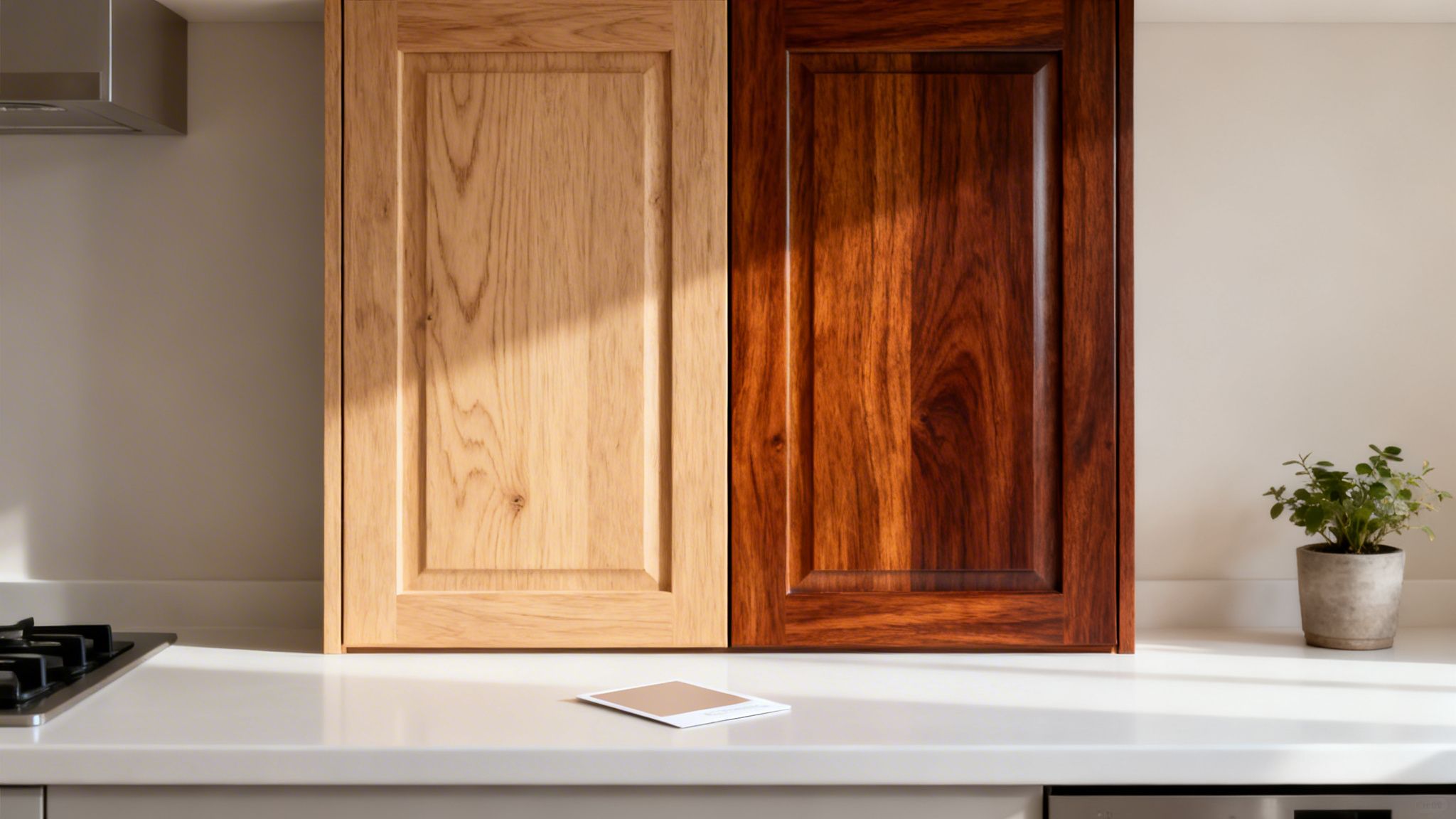









 “Like” us on Facebook!