

Shield Metal: Top Waterproof Paint for Metal in Puget Sound
If you're staring at rust on a deck railing in West Seattle, a metal door at a Bellevue storefront, or aging steel at a Tacoma facility, you're probably seeing the same pattern most property owners do. The paint starts bubbling. A few orange streaks show up at fasteners or welds. Then the problem spreads faster than expected because Puget Sound moisture keeps feeding it.
That's why generic paint advice usually falls short here. In Seattle, WA and Tacoma, WA, metal doesn't just need color. It needs a coating system that can handle damp air, repeated wetting, and in some locations, salt exposure. A can labeled for “metal” isn't enough by itself. Surface prep, primer choice, weather timing, film thickness, and maintenance all matter.
For homeowners searching for a residential contractor near me or property teams looking for commercial construction near me, this is one of those jobs where details decide whether the finish lasts or fails. The same practical thinking that applies to facility maintenance, tenant improvement, institutional painting, retail build-outs, roof repair, and office space renovation applies here too. Protect the substrate first. Then build the coating system around the actual conditions on site.
Protecting Your Puget Sound Property from the Elements
Metal in the Puget Sound climate rarely fails all at once. It usually starts in small areas that hold moisture longer than the rest of the surface. Balcony rails in Bellevue, WA. Steel siding on a Seattle, WA commercial building. Exterior stairs in West Seattle, WA. Once water gets under a weak coating, rust keeps moving.

Why generic metal paint advice fails here
A lot of people buy “metal paint” assuming that means waterproof. It doesn't. Metal paint is not universally waterproof; only paints explicitly labeled as water-resistant or waterproof can withstand extensive water exposure, as noted in this overview of metal paint selection.
That distinction matters in a region where surfaces may stay damp for long stretches. A decorative product might look fine going on, but if it isn't made for extended moisture exposure, it won't hold up on an exterior railing, a service door, or exposed structural steel.
Waterproofing is a system, not just a product
The coating is only one part of the job. The metal has to be cleaned properly, rust has to be treated correctly, and the application has to happen under the right site conditions. If any one of those steps is skipped, even a good product can fail early.
Practical rule: If a coating plan starts and ends with “just paint over it,” it's not a waterproofing plan.
That same system mindset helps with other exterior protection choices. If you're also trying to reduce weather exposure around the property, this guide to choosing outdoor storage is useful for keeping tools, cushions, and supplies out of the rain so moisture problems don't spread from neglected exterior zones.
For a broader look at envelope protection, construction waterproofing basics help explain where coatings fit and where they don't. That's especially useful on mixed-material properties with concrete, siding, trim, and metal all exposed to the same wet conditions.
The Critical First Step Surface Preparation
Most coating failures start before the first coat goes on. The problem isn't always the paint. It's the surface underneath it. If dirt, oxidation, grease, or unstable old coating stays in place, the new finish bonds to contamination instead of solid metal.
The preparation sequence is straightforward, but it has to be done thoroughly.

What a proper prep sequence looks like
On most residential and commercial jobs, prep includes these core steps:
- Inspect the surface first. Identify loose coating, rusted areas, failed caulk lines, open seams, and spots where water sits.
- Wash and clean thoroughly. Remove dirt, chalk, grease, oils, and airborne residue before any mechanical prep starts.
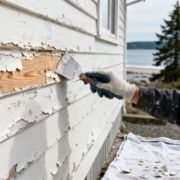
- Strip away what won't hold. Loose rust, scale, and peeling paint need to come off with a scraper, wire brush, grinder, or other appropriate tool.
- Degrease before priming. This is especially important on handrails, doors, and service areas where oils from hands or equipment collect.
- Prime fast after prep. Guidance for metal painting practice calls for immediate priming post-preparation, often within the same day, to avoid recontamination, as noted in the Illinois Urban Manual reference.
In the Puget Sound area, that last point matters more than many people realize. Cleaned steel can pick up moisture and contamination quickly, especially in shaded or marine-influenced areas.
A quick visual walk-through can help if you want to see the basics before tackling a project:
Active rust and white rust are not the same problem
Many do-it-yourself jobs run into trouble when people see “rust” and assume all corrosion gets the same treatment. It doesn't.
Active rust on steel is the flaky orange-red corrosion widely recognized. White rust on galvanized metal is a different condition and needs a different response. Guidance on painting exterior metal points out that these conditions require distinct treatments, including products like naval jelly for active rust and a specialized primer such as HP1550 for galvanized white rust, as described in Benjamin Moore's metal painting guidance.
That matters on local projects. A galvanized fence in Kirkland, WA and a steel stair rail in Snoqualmie, WA may both look weathered, but they shouldn't get the same prep plan.
White rust on galvanized metal fools people because it can look less severe than red rust. It still has to be treated correctly or the new coating can delaminate.
Where people usually cut corners
These are the mistakes that show up later as blistering, peeling, or rust bleed:
- Painting over tight-looking rust that's still active underneath
- Skipping detailed prep at edges and welds where failure often starts
- Using the wrong primer for galvanized surfaces
- Letting prepped metal sit too long before priming
- Assuming one product works for every metal type
If you want a more detailed look at compatibility and prep concerns, this page on whether you can paint metal is a useful reference point. It helps separate what's possible from what lasts.
Selecting the Right Waterproof Coating System
A steel handrail in Bellevue and metal siding near Elliott Bay do not fail the same way, even if both get called a "waterproof paint" job. In the Puget Sound climate, the right answer depends on how long the metal stays damp, how much salt or road grime hits it, how much sun it gets in summer, and whether the coating has to handle movement as temperatures swing.

A lot of generic advice skips that. It treats metal paint like a single product choice. On real projects around Seattle and Tacoma, long-term performance comes from a coating system. Primer, build coats, topcoat, and jobsite conditions all have to match the substrate and the exposure.
What works best for different conditions
Here is a practical comparison of common coating systems for metal in Western Washington:
| Coating system | Best fit | Main advantage | Main limitation |
|---|---|---|---|
| Two-part epoxy | Structural steel, industrial settings, areas that stay wet longer | Tight moisture barrier and strong chemical resistance | Sun exposure can chalk or degrade the finish without the right topcoat |
| Polyurethane topcoat system | Exterior steel, railings, doors, and visible metal that needs color stability | Better UV resistance and a harder finish | Depends on the right primer and careful application |
| Water-based acrylic | Lower-exposure metal with easier access for maintenance | Lower odor and simpler cleanup | Shorter margin for error in heavy moisture or corrosive conditions |
| Oil-based metal paint | Exterior metal that needs a tougher water-resistant film | Good film build and decent weather resistance | Slower dry times and less forgiveness in damp conditions |
Two-part epoxy remains a strong option where moisture exposure is severe. SPI Coatings product data describes epoxy systems designed for aggressive corrosion control, which is why they show up on tougher commercial and industrial work.
Matching the coating to the job
The substrate and the setting decide the system.
- Steel stairs and handrails usually need a rust-inhibiting primer and a durable finish that can handle wet hands, abrasion, and frequent cleaning.
- Commercial steel siding often benefits from a system with stronger moisture and chemical resistance, especially near loading areas, dumpsters, or traffic spray.
- Metal roofs, flashings, and assemblies with more thermal movement need a finish coat with enough flexibility to move without cracking.
- Galvanized metal needs products made to bond to galvanized surfaces. A standard steel primer can fail early even if the prep looked good.
This matters in local conditions. A decorative gate in West Seattle may deal with salt air and long damp mornings. A warehouse door in Tacoma may get hit with condensation inside and rain outside. Those are different failure patterns, so they need different coating choices.
If condensation is part of the problem, paint alone will not solve it. Moisture control inside the assembly matters too. This guide on how to insulate metal structures is useful for owners dealing with sweating metal in service buildings, shops, or utility spaces.
Primer and topcoat have to work together
Primer selection is where a lot of metal jobs go off course. Raw steel usually needs corrosion control first. Galvanized metal needs adhesion first. Exterior architectural metal often needs both, followed by a topcoat that can handle UV and standing moisture.
I tell clients the same thing on fence, railing, and metal trim projects. The can on the shelf is only part of the answer. Lasting protection comes from a full system built for that exact surface and exposure.
Flexible topcoats can help in the right setting, especially on exterior assemblies that see more movement or hairline cracking nearby. This overview of where elastomeric paint fits and where it does not helps clarify the difference. On metal, those products are situational, not universal.
Generic recommendations fail fast in the Puget Sound climate because they ignore how long metal stays wet here. The coating has to match the metal, the moisture load, and the use. That is how you keep a good-looking job from turning into rust bleed and peeling a year later.
Applying Waterproof Paint for Lasting Results
A metal gate in West Seattle can look ready by 10 a.m. after an overnight dry spell, then fail by next winter because the steel was still cool, the air stayed heavy, and moisture sat in the joints under the new coating. That is a common Puget Sound problem. Good application depends on timing, film control, and site conditions that generic paint advice usually skips.
The site conditions that matter
Application should start with the metal itself, not the weather app. In Bellevue and Tacoma, I have seen surfaces stay too cold in shade long after the air warms up, especially on north-facing railings, stair stringers, and shop doors. Dark metal can create the opposite problem and get hot fast in direct sun, which makes the coating skin over before it levels properly.
As noted earlier, manufacturers set temperature and humidity limits for a reason. If the steel is too cold, too hot, or carrying condensation, adhesion suffers and cure slows down. High humidity causes trouble too, especially near the water or during those gray mornings when everything feels damp even without active rain.
The condition of the metal at the hour you paint matters more than the forecast headline.
How the coating should go on
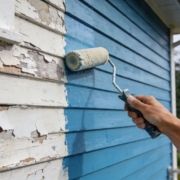
A lasting finish usually looks controlled and uneventful. The coat lays down evenly. Edges are covered without flooding the profile. Welds, bolts, and corners get extra attention because those are the first places water works its way in.
Use the application method the product allows, whether that is brush, roller, or spray, but keep the film consistent. Heavy coats are a shortcut that often backfires in Seattle area conditions. They sag, trap solvents, bridge over sharp edges, and stay soft longer than expected. On handrails, fence panels, and exterior metal trim, that often turns into premature peeling where the coating looked thickest.
A simple field routine helps keep the job honest:
- Check surface temperature, not just air temperature
- Look for dew or hidden moisture at seams, fasteners, and laps
- Apply full, even coats instead of trying to finish in one heavy pass
- Respect the recoat window listed for that system
- Stop if conditions shift late in the day
Common failures during application
The repeat mistakes are predictable here. Crews start too early because the surface looks dry. They rush the build because rain is in the forecast. They miss residual moisture around joints, underside edges, and hardware where water hangs on longer than the flat field.
Heat creates problems too, even in Western Washington. A black steel enclosure in direct afternoon sun can make the coating tack off too fast, which hurts flow and can reduce bond strength. That is less common than cold, damp application conditions around Puget Sound, but it still shows up on exposed metal in places like Issaquah and south-facing commercial entries in Bellevue.
Waterproofing metal is not about getting paint on the surface. It is about getting the right film thickness, under the right conditions, over every place water will test first. That is the difference between a coating system that holds up and one that starts rusting at the corners after one wet season.
Curing, Testing, and Long-Term Maintenance
A coating that's dry to the touch isn't finished. Curing takes longer, and that's where a lot of otherwise solid jobs get damaged. Doors get used too soon. Railings get leaned on. Surfaces get washed down before the film has developed full hardness.

What to do right after application
The first priority is protection. Keep traffic, impact, standing moisture, and harsh cleaning off the surface until the coating reaches full cure under the manufacturer's schedule.
Then inspect it carefully. Look for missed spots, thin edges, runs, fisheyes, and early loss of adhesion. Critical areas include corners, welds, joints, penetrations, and horizontal sections where water tends to sit.
A waterproof coating usually fails first at edges, fasteners, and transitions, not in the middle of a perfect flat panel.
A simple maintenance routine that works
Most property owners don't need a complicated program. They need a repeatable one. For apartment balconies in Bellevue, WA, commercial railings in Issaquah, WA, or service doors in Tacoma, WA, a basic inspection routine goes a long way.
Use a checklist like this:
- Inspect at least once a year. Look for chips, scratches, cracking, rust bleed, and failed sealant near the coating line.
- Clean off grime and pollutants. Dirt holds moisture against metal and hides early coating damage.
- Check drainage points. Make sure water isn't pooling at base plates, sill edges, or horizontal trim.
- Touch up small failures quickly. Minor damage is easier to stop before moisture spreads under the surrounding film.
Why maintenance matters more in Puget Sound
In drier climates, a neglected scratch might stay cosmetic for a while. Around Seattle, WA or West Seattle, WA, moisture tends to turn small coating damage into a larger repair. If you stay ahead of those failures, the system lasts longer and repairs stay manageable.
On high-exposure surfaces, owners should also pay attention to changes in building use. New irrigation overspray, added planters, blocked drainage, or altered landscaping can create wet conditions the original coating system wasn't designed to handle.
When to Call a Pro for Your Issaquah or Bellevue Project
Some metal painting jobs are realistic for an experienced do-it-yourselfer. A small gate or light-use railing in a protected location may be manageable if the prep is done correctly and the right coating is used. But many failures happen because the underlying issue isn't paint at all.
The signs paint alone won't fix it
If moisture is being driven by the building assembly, the coating won't solve the problem. Metal waterproofing fails when hydrostatic pressure or condensation persists despite coating, as paint cannot stop water ingress if the environment traps moisture. The same source notes that drainage defects account for 60% of metal corrosion cases in Western Washington, which is why repeat failures are common when owners treat paint as a one-step solution in commercial build-outs and maintenance settings, according to this waterproofing guide.
That matters on projects involving:
- Balconies or rails below leaking decks
- Metal near roof edges with chronic runoff
- Commercial renovations with poor drainage
- Retail build-outs where condensation is ongoing
- Facility maintenance issues tied to trapped moisture inside walls or assemblies
When experience changes the outcome
Professional help makes sense when the project includes height, difficult access, specialty surface prep, coating compatibility questions, or active moisture problems. It also matters when the metal is part of a larger scope such as tenant improvement, office space renovation, institutional painting, siding replacement, drywall contractor work, floor repairs and replacements, or broader commercial renovations.
For homeowners, the trigger is usually uncertainty about the substrate. If you don't know whether you're dealing with steel, aluminum, or galvanized metal, or you can't tell whether the rust is active, the safest move is to have the surface assessed before coating starts.
For building owners and managers, it's usually about consequences. If coating failure affects safety, appearance, tenant operations, or long-term facility maintenance, shortcuts cost more than the initial savings.
If you're in Issaquah, WA, Bellevue, WA, New Castle, WA, Kirkland, WA, Snoqualmie, WA, or Seattle, WA and need help sorting out a metal waterproofing problem as part of a larger residential remodeling or commercial improvement scope, the best results come from treating the job like a system from the start.
If you need a practical plan for metal protection, waterproofing, tenant improvement, facility maintenance, or a larger residential or commercial project, Wheeler Painting & Restoration Services serves Tacoma, Seattle, Bellevue, Issaquah, New Castle, Kirkland, North Bend, Snoqualmie, and West Seattle with experienced construction, restoration, and coating support. Reach out to schedule a consultation and get a clear assessment of what your metal surfaces need to last in the Puget Sound climate.



 “Like” us on Facebook!