

How to Choose Exterior Paint Colors for Your Property
Choosing a new exterior paint color can feel like a major decision for any property owner, but it doesn’t have to be overwhelming. This guide is designed for homeowners and commercial property managers, moving beyond generic advice to tackle the real challenges of selecting colors that look fantastic under our often-gray skies and complement the beautiful stone, brick, and natural scenery that define our region's architecture.
The process boils down to three main phases: evaluating your property's permanent features, considering how light and location affect color, and testing your top choices before you make the final call. A little thoughtful planning makes all the difference and ensures a professional, lasting result.

Following this simple process helps you avoid expensive mistakes and feel confident that you’ll be thrilled with the final look, whether for your home or business.
Start With a Clear Vision
Before looking at paint chips, take a moment to define your goal. Are you hoping for a classic, timeless feel that will look great for decades? Or are you aiming for something more modern and eye-catching to attract customers or enhance your home's curb appeal? Knowing your objective helps narrow down the countless options from the very start.
For most properties, a neutral palette is a stylish and safe bet. Market data consistently shows that achromatic colors—think white, gray, and black—make up around 74% of all exterior color choices. There's a good reason for this. Neutrals have incredible staying power and are a proven way to boost curb appeal for both residential and commercial buildings. You can explore these global color trends to see how they align with what we see locally.
Our goal is to walk you through a proven process so you can land on a color scheme you'll love for years. We'll cover how to:
- Work with your property’s fixed architectural elements.
- Understand our unique Pacific Northwest light.
- Build a cohesive palette of body, trim, and accent colors.
- Test colors effectively to make a final decision.
Let's demystify this process and give you the confidence to completely transform your property's exterior.
Look at What You Can't Change

Before you even think about picking up a paint chip, take a slow, deliberate walk around your property. It's easy to fall in love with a color in a vacuum, but the most impressive paint jobs are the ones that feel like they belong—the ones that work in harmony with the parts of your home or building you aren't painting.
These permanent features are your starting point. We're talking about things like brick or stone accents, the color of your roof shingles, vinyl window frames, and even your concrete driveway. One of the biggest mistakes property owners make is trying to ignore these fixtures, which almost always results in a final look that feels slightly off.
The key is to stop fighting these elements and start working with them. When you learn to see their underlying tones, you can choose paint colors that make the whole property look cohesive and professionally designed.
Find the Undertones in Your Fixed Features
Every material, from stone to asphalt, has a color temperature. The first step is to get up close with your property’s most prominent features and determine if they lean warm, cool, or neutral.
A classic red brick facade, for instance, is packed with warm orange, terracotta, and brown undertones. It’s going to look fantastic with colors that share that warmth—creamy off-whites, mossy greens, or rich tans. On the other hand, a building with cool-toned gray stonework or a slate-blue roof will feel much more at home with crisp whites, deep navy blues, or sleek charcoals.
The secret to a beautiful exterior is to let your property's existing materials guide the decision. Don't try to force a color you love if it clashes with your roof or stonework. Listening to what's already there removes the guesswork and guarantees a more balanced, intentional result.
Your Property's Unchangeable Checklist
Grab a notepad and walk your property. Taking a quick inventory of these "forever" features is the best way to build a solid foundation for your color palette.
- Roofing: Take a good look at your shingles. Are they a warm brown, a cool gray, black, or perhaps a reddish clay color? A brown roof practically begs for warmer body colors, while a black or gray roof is more of a blank slate, giving you more flexibility.
- Stone or Brick: This is where the magic is. Look closely at the variations within the material itself. Try to pull out the least dominant color—that subtle gray fleck in your granite or the deep plum-brown in your brick—and consider using it as an accent. It's a pro-level trick for creating a sophisticated palette.
- Window Frames: White vinyl windows are easy—they go with anything. But if you have beige, tan, or bronze frames, they have very distinct undertones that your trim color must coordinate with.
- Driveways and Paths: Don't forget the ground! The color of your concrete, pavers, or asphalt is part of the big picture. A reddish brick walkway can influence your color choices just as much as the siding can.
Once you have a handle on these foundational colors, you've essentially created a pre-approved palette to guide your choices. It makes the whole process feel less intimidating and sets you on the right path to a finished look that truly celebrates your property's character.
Master Color in Pacific Northwest Light

The quality of light here in the Pacific Northwest is unique, and it has a massive impact on how exterior paint colors actually look on a building. We don’t get the bright, direct sun you find in other parts of the country. Our light is almost always soft and filtered through a persistent layer of cloud cover.
This unique light can dramatically mute colors, making them appear grayer, cooler, or less vibrant than they do on a tiny paint chip under a store’s fluorescent lights.
It’s the reason a cheerful light blue that looked perfect online can suddenly feel chilly and stark on a home in Western Washington. In the same way, a subtle off-white might get completely washed out by the overcast sky, losing all the warmth and character you fell in love with. The secret to choosing the right exterior paint in our climate is learning to work with our specific light, not against it.
Embrace a Darker, Warmer Approach
After years of providing painting services in our community, we can tell you a reliable strategy is to lean just a bit darker and warmer than your gut tells you.
If you’re stuck between two shades of gray, the one with a subtle warm undertone will almost always look better, resisting that cold, clinical feel. If you're looking at a beige, the one that seems a little too "tan" indoors often mellows out into the perfect creamy neutral once it's outside.
This doesn't mean you’re stuck with dark, moody colors. It's about compensating for the cool, muting effect of our light. By choosing a color with a bit more depth and warmth, you’re making sure it holds onto its personality when it's up on your walls.
A color’s undertone is its most important characteristic in the Puget Sound. A gray with a hint of green or brown will feel grounded and natural, while a pure, cool gray can sometimes appear flat or even slightly purple in our diffuse light.
The Non-Negotiable Step: Testing on Every Side
We can’t stress this enough: the single most critical part of this process is testing large paint samples directly on your property. A tiny paint chip is completely useless for making a final decision. To truly understand how a color will live and breathe, you have to see it in its final environment.
For any home or commercial building, we always recommend painting large swatches—at least two-by-two feet—on different sides of the structure.
A color will look completely different on the south-facing wall that gets sun all day compared to the constantly shaded north-facing side. It’s also crucial to paint samples right next to permanent features like your window trim and any stone or brick accents to see how they play together.
Watch those samples for several days. Look at them in the bright morning light, at midday, and during the soft glow of dusk. Does the color hold up, or does it wash out? Does it turn an unexpected shade in the afternoon? This step removes all the guesswork and ensures your decision is based on reality, not a showroom fantasy.
Getting this right is also key to timing your project. You can learn more about when to schedule your work by reading our guide on the best time to paint your house exterior.
Create a Balanced Three-Part Color Scheme
A stunning exterior is never just about one color. It’s the result of a carefully chosen palette where every shade works together to create a cohesive, polished look. The best-looking properties almost always follow a classic three-part approach, which is the secret to achieving that professional, custom-designed feel.
This strategy breaks the project down into three distinct, manageable parts:
- Field Color: This is your main event, the color that covers the siding and makes up the bulk of your property's appearance. It sets the entire mood.
- Trim Color: Used on elements like window and door frames, fascias, and roof eaves, the trim color’s job is to create definition and outline the architecture.
- Accent Color: This is where you get to have a little fun. The accent is that final pop of color on the front door, shutters, or another special feature that you want to draw attention to.
Thinking in these three layers simplifies the whole process. Instead of being paralyzed by options, you can focus on finding three colors that tell a single, beautiful story.
The 60-30-10 Rule for Exteriors
So, how do you get the balance right? A timeless design principle that works wonders for exteriors is the 60-30-10 rule. It’s a simple ratio that helps create visual harmony.
Think of it like this: your main field color should cover about 60% of your property’s surface. The trim color should take up roughly 30%, providing that crucial contrast and definition. The final 10% is reserved for your accent color, delivering just enough personality without overwhelming the design.
This ratio ensures that no single color dominates the others, resulting in a look that’s balanced and easy on the eyes.
A well-executed three-part color scheme makes a property look intentional and thoughtfully planned. It’s the same strategy our color consultants use to instantly boost curb appeal for homes and businesses all over the Puget Sound region.
Bringing Your Palette to Life
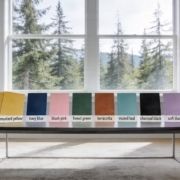
Visualizing how these colors will actually look together is the most important step. For a classic Puget Sound Craftsman, you might see an earthy sage green on the body (field) paired with a warm, creamy off-white trim. A rich, welcoming burgundy on the front door (accent) provides that perfect finishing touch.
Another popular Northwest look is a deep, moody blue-gray for the field color, contrasted with crisp, bright white trim. From there, a vibrant marigold yellow or even a cheerful aqua on the front door can add a modern, unexpected twist.
We've put together a few examples to help you see how different combinations work for various architectural styles.
| Style | Field Color Example | Trim Color Example | Accent Color Example |
|---|---|---|---|
| Craftsman | Earthy Green (SW 6178 Clary Sage) | Creamy Off-White (SW 7008 Alabaster) | Deep Red (SW 7594 Carriage Door) |
| Modern | Dark Charcoal (SW 7069 Iron Ore) | Bright White (SW 7757 High Reflective White) | Natural Wood Stain (on door/beams) |
| Tudor | Warm Greige (SW 7036 Accessible Beige) | Dark Brown/Black (SW 7069 Tricorn Black) | Forest Green (SW 6208 Pewter Green) |
| Mid-Century | Muted Blue-Gray (SW 6246 North Star) | Soft White (SW 7005 Pure White) | Bright Orange (SW 6632 Geyser) |
Building your palette this way gives every color a purpose. It’s truly the difference between just painting your property and designing its exterior to highlight its best features.
The Critical Importance of Testing Samples

Here's the single biggest—and most common—mistake property owners make: relying on a tiny paint chip from the hardware store. Those little one-inch squares simply cannot show you how a color will behave across the entire surface of your building out in the real world.
The only way to know for sure is to test large samples directly on your property. This is the step that removes all the guesswork and prevents the expensive regret of choosing a color that looks completely different than you imagined. It’s what gives you total confidence before we open the first gallon.
An Action Plan for Accurate Sampling
Effective sampling is all about seeing the color in context. It’s a straightforward process that makes sure your final decision is based on reality, not just a hopeful guess from a swatch.
For the best results, paint big swatches—at least two-by-two feet—on multiple sides of your building. A color can look completely different on the sun-drenched south wall compared to the shady north wall. Seeing that variation is key.
Make sure you place these test swatches right next to the things that aren't changing:
- Your window trim and fascia boards
- Any brick, stone, or rock accents
- Your roofline, if possible
Watching how the new color interacts with these fixed features is essential for creating a cohesive, professional look.
Live with your samples for at least two to three days. Look at them in the bright morning light, at high noon, and as the sun sets in the evening. This is the only way to see how the color shifts and adapts to our region's unique, often-changing light.
Research Before You Commit
Taking your time here is smart and aligns with what we see across the industry. Property owners in the Puget Sound area often spend three to four months researching before kicking off an exterior paint project, doing everything from gathering inspiration to vetting contractors.
For instance, national data from a study on exterior paint color trends from Accio shows that blue is a massively popular choice, with 62% of Americans preferring it. But even the "safest" color needs to be tested on your specific property, with its unique lighting and materials.
This testing phase is also the perfect time to think about the technical side of things, like the ideal temperature for application. If you’re curious about how our seasons affect the work, check out our guide on what temperature is too cold for exterior painting. Getting the timing right is crucial for ensuring the paint adheres properly for a durable, long-lasting finish.
Why Professional Application Makes the Difference
Choosing the perfect color is a huge part of the process, but all that careful planning can go to waste if the paint isn’t applied correctly. A professional paint job is so much more than just brushing on a new color—it’s a long-term investment in protecting your home or commercial building from the notoriously damp Western Washington climate.
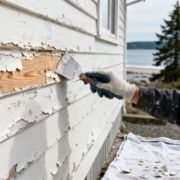
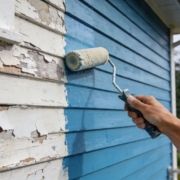
The real secret to a paint job that lasts? It all comes down to surface preparation. This is where professional contractors shine. The painstaking work of cleaning, scraping, sanding, and priming is what makes or breaks the final result. It’s this foundational step that ensures the new paint adheres properly and can stand up to years of rain and shifting temperatures. Cutting corners on prep is the fastest way to see your investment peel, bubble, and fail.
Expertise Beyond the Brush
Beyond meticulous prep work, a seasoned painting crew brings technical knowledge that most property owners simply don't have. It's the details that make a big difference in the end, whether for a home, an office space renovation, or a retail build-out.
- Sheen Selection: The finish you choose is about more than just looks; it's about performance. A durable satin finish is fantastic for siding because it has a slight sheen that's easy to clean. For trim, a crisp semi-gloss creates a tough, protective shell that stands up to the worst of the weather.
- Product Knowledge: The paint market is always evolving. A pro knows exactly which formulas are best for fighting off mildew, resisting UV fading, and blocking moisture in our unique climate. They’ve seen what works and what doesn't, so you don’t have to learn the hard way.
The global exterior paint market is expected to hit USD 84.5 billion by 2035, largely because of huge leaps in paint technology and durability. You can read more about the expanding exterior paint market on futuremarketinsights.com. Having an expert on your side means you get access to the best products that truly protect your property.
Partnering with an expert team ensures your investment is protected and your vision is realized with precision and quality, from the initial color consultation through to the final, flawless coat.
Ultimately, hiring a professional turns a good color choice into a beautiful, long-lasting finish that protects your property for years. To see how a trusted local provider makes all the difference, learn more about our exterior painters near you and see our commitment to craftsmanship firsthand.
Still Have Questions? Here Are a Few Common Ones
Making the final decision on your property's new color scheme can feel daunting. It's completely normal to have a few last-minute questions. Here are some of the most common things homeowners and business owners ask us right before a project begins.
How Can I Pick a Color That Won't Look Dated in a Few Years?
This is a big one. For a look with real staying power, you can't go wrong by taking cues from the Pacific Northwest landscape itself. Think about the colors that define our region: earthy greens, the deep blues of the Sound, and the versatile, misty grays and greiges of our skies. These shades just belong here and rarely look out of place.
Does that mean you have to play it safe? Not at all. If you're drawn to a bolder, trendier color, use it as an accent. The front door is the perfect spot for a pop of personality. It's a small, high-impact area that's incredibly easy and inexpensive to repaint down the road when you're ready for a change.
Should My Building Color Match My Neighbors?
The goal here is harmony, not conformity. Take a walk around your block and get a feel for the neighborhood's overall vibe. Are the colors generally warm and earthy? Cool and modern? Crisp and traditional?
Choosing a palette that complements the surrounding homes or businesses creates a cohesive, attractive streetscape that benefits everyone. You can absolutely express your own style while still ensuring your property looks like it belongs. It’s about fitting in while still standing out just the right amount.
What's the Best Paint Finish for Our Rainy Climate?
This is a crucial question in the damp Puget Sound. The right paint sheen isn't just about looks—it's your property's first line of defense against moisture.
For Siding: We almost always recommend a satin or low-lustre finish. This gives you the perfect balance: it offers a durable, moisture-resistant surface that’s easy to clean, but without the harsh glare of a shinier finish.
For Trim & Doors: For all the details—trim, window frames, doors, and fascia—a semi-gloss finish is the professional standard. It provides maximum durability for these high-touch, high-exposure areas and creates a subtle, crisp contrast that really makes your architectural features pop.
Ready to bring your vision to life with a flawless, durable finish? The expert team at Wheeler Painting offers professional color consultation and exterior painting for residential and commercial properties throughout the Puget Sound. Contact us today for a free, no-obligation estimate!





 “Like” us on Facebook!