

Smoke Damage Restoration: A Puget Sound Homeowner’s Guide
You walk back into the property after the fire department leaves, and the first thing you notice isn't always the burned area. It's the smell. Then the film on the walls. Then the way smoke seems to have reached rooms that never burned at all.
That's the part that unsettles homeowners and business owners in Tacoma, Bellevue, Kirkland, and across the Puget Sound. The fire may be out, but the house or business still doesn't feel safe, clean, or normal. If you own a home, manage a building, or oversee a small commercial space, you need a clear plan, not guesswork.
This guide is meant to give you that plan. If you've been searching for a residential contractor near me or commercial construction near me after a fire event, the goal isn't just to clean up visible soot. It's to understand what smoke did to the property, what proper smoke damage restoration looks like, what affects cost, and when cleanup turns into repair, remodeling, or tenant improvement work.
First Steps After a Fire Understanding Smoke Damage
The first hours after a fire are usually a blur. People want to open windows, wipe things down, or start washing fabrics right away. That instinct makes sense, but smoke damage doesn't behave like ordinary dirt.
In the United States, homes experience more than 329,500 structure fires annually, causing over $11 billion in property damage and leaving behind toxic residue that often requires professional remediation long after the flames are out, according to fire damage facts from Restopros. That matters because smoke keeps affecting a property even when the visible fire damage seems limited.
What smoke actually does inside a home or building
Smoke is made up of tiny particles and chemical residues. Those particles settle on hard surfaces, sink into porous materials, and travel through air pathways you can't see. In many Bellevue and Kirkland homes, that means smoke can move from a kitchen, garage, or utility area into bedrooms, closets, attic spaces, and ductwork.
A few common examples help:
- Dry smoke: Often leaves a finer residue. It may seem easier to brush away, but it can work its way into drywall, unfinished wood, and fabrics.
- Wet smoke: Sticky, smeary residue is harder to remove and more likely to stain painted walls, trim, and cabinetry.
- Protein residue from cooking fires: This can be especially confusing because surfaces may not look badly damaged, yet the odor lingers and keeps resurfacing.
Practical rule: If a cloth wipe makes the stain spread, stop cleaning. That usually means the residue needs a material-specific method, not household scrubbing.
Why different materials react differently
Not every surface in the property will respond the same way. Drywall can absorb odor. Wood floors can trap residue in seams and grain. Upholstery and insulation can hold smoke long after a room looks clean.
In Puget Sound homes, that matters because many properties mix painted drywall, trim, wood cabinetry, textured ceilings, attic insulation, and layered flooring. A smoke event in one room can affect all of those materials differently. The same is true for small offices, retail suites, and tenant spaces in Seattle, Issaquah, or West Seattle.
Here's the safest starting point:
- Limit traffic through affected areas so soot isn't tracked or spread.
- Avoid wiping residue with standard cleaners unless a professional tells you the surface is safe for that method.
- Document what you see with photos and notes.
- Arrange a professional inspection before deciding what can be cleaned and what may need removal or replacement.
If you need a closer look at what that early response can involve, Wheeler's page on fire damage cleanup is a useful starting point for understanding the immediate work after a loss.
The Professional Smoke Damage Restoration Process
Once the scene is safe to enter, professional smoke damage restoration follows a defined sequence. That order matters. If the wrong step happens too early, residue can spread, odors can deepen, and hidden contamination can be missed.
Professional smoke damage restoration follows a scientifically validated 5-step protocol, including HVAC isolation, HEPA-filtered debris removal, targeted dry and wet chemical cleaning, molecular-level deodorization, and NADCA-compliant HVAC verification to prevent cross-contamination, as described in this overview of smoke damage restoration methods.

Inspection comes before cleaning
A proper job starts with a room-by-room inspection. The crew identifies where residue is visible, where odor is strongest, what materials are porous, and whether the HVAC system may have circulated smoke.
For a home in Snoqualmie or North Bend, that can include attic access, insulation review, cabinet interiors, flooring transitions, and return air pathways. For a small business or office space renovation setting, it may also include shared walls, ceiling plenums, storage rooms, and leased areas outside the obvious fire zone.
The inspection usually answers four questions:
- What was affected directly
- What was affected indirectly through airflow
- What can likely be restored
- What should be removed or rebuilt
Cleaning has to follow the right sequence
Professionals don't just start washing walls. First, they isolate affected HVAC zones and remove loose debris with HEPA-filtered equipment so particles aren't redistributed. Then they choose the cleaning approach based on the residue and the material.
That may include:
- Dry chemical sponging: Often used before wet cleaning on soot-affected surfaces.
- Wet chemical cleaning: Uses the right agent for the residue and substrate.
- Targeted content cleaning: Personal items, fixtures, and salvageable materials are cleaned separately when possible.
- Deodorization: Thermal fogging, hydroxyl generation, or similar methods address odor at the molecular level instead of covering it up.
If the property still smells smoky after “basic cleaning,” that usually means the source wasn't fully removed. Odor control only works when residue removal and source control happen together.
For owners dealing with outdoor smoke infiltration or lingering fire-related indoor contamination, this guide on how to find wildfire smoke cleaning help can also help you understand what questions to ask when the issue extends beyond the obvious burn area.
Restoration includes repair work, not just cleaning
Smoke damage restoration often overlaps with construction. If firefighters used water, drying may come before cleaning. If windows, doors, or roof sections were compromised, board-up or temporary protection may come first. If drywall, insulation, trim, or flooring can't be restored, those materials are removed and replaced.
One local option for understanding that full sequence is Wheeler Painting, which outlines a step-by-step fire damage restoration process that connects emergency response, cleaning, deodorization, and final repairs.
By the time the job is complete, the process should include a final inspection and a walk-through. You shouldn't be left wondering whether the smell will come back in two weeks.
DIY Cleanup Risks vs Professional Restoration
It's common to want to do something right away. You may want to save family items, wipe counters, vacuum floors, or shampoo carpets. A little caution here can prevent a lot of extra damage.
The biggest problem with DIY smoke cleanup is that smoke damage is uneven. A room may look lightly affected but still contain residue in insulation, wall cavities, vents, and soft goods that aren't easy to assess without training.

A critical challenge that DIY cleanup misses is hidden contamination. United Policyholders notes that attic insulation can act as a “smoke sponge,” and toxic residues can remain trapped inside wall cavities for months, which can lead to recurring odors and health concerns even when visible surfaces appear clean. That guidance appears in their smoke restoration guide.
What you can usually do safely
There are a few limited tasks owners can handle carefully:
- Secure valuables: Remove unaffected documents, jewelry, electronics, or sentimental items from safe areas.
- Take photos: Document rooms, contents, and visible residue before movement changes the scene.
- Follow access instructions: Only enter areas cleared as safe.
That's about where DIY should stop for most losses.
Where DIY efforts go wrong
The mistakes are usually simple and understandable:
- Rubbing soot into paint or fabric: That can smear residue deeper and make stains permanent.
- Using household sprays on the wrong surface: Some cleaners react poorly with smoke residue or damage finishes.
- Skipping air system concerns: If ducts, returns, or filters were affected, surface cleaning alone won't solve the problem.
- Judging by smell alone: Reduced odor does not prove complete restoration.
| Aspect | DIY Approach | Professional Restoration |
|---|---|---|
| Inspection | Focuses on visible damage | Evaluates visible and hidden contamination |
| Cleaning method | Uses common household tools and cleaners | Matches tools and chemistry to residue and material |
| Air quality | Often overlooked | Includes containment, filtration, and system verification |
| Odor removal | May mask odor temporarily | Targets odor sources inside materials and systems |
| Outcome | Can be partial or inconsistent | Aims to restore the property fully and document the work |
A useful parallel shows up in floor and textile care too. This comparison of professional carpet cleaning comparison illustrates a broader point that applies here as well. Surface-level cleaning and true contaminant removal are not the same thing.
Bottom line: If smoke reached insulation, ducts, wall cavities, or multiple rooms, a DIY approach may make the property look better while leaving the real problem in place.
Understanding Restoration Costs and Insurance Claims
Most owners ask two questions first. What will this cost, and who pays for it?
Those are fair questions, and the honest answer is that smoke damage restoration cost depends on the size of the affected area, how far residue traveled, what materials were exposed, whether the HVAC system was involved, and whether the job includes demolition, rebuilding, or both.

The broader disaster restoration market is valued at over $48 billion, and for homeowners, smoke-related work can range from a few hundred dollars for minor remediation to over $100,000 for severe cases. The same source notes that HVAC evaluation alone may cost $150 to $500, and repair work can exceed $1,000 if ductwork needs deeper cleaning or replacement. Those cost ranges come from this disaster restoration market overview.
What usually drives the final cost
Two homes can have the same fire source and very different restoration scopes. A small contained kitchen fire may leave heavy odor in cabinets, drywall, insulation, and the return air path. A larger but more isolated event may create obvious burn damage yet less whole-house contamination.
Common cost drivers include:
- Affected square footage
- Type of smoke residue
- Porous materials involved
- HVAC contamination
- Content cleaning needs
- Demolition and rebuilding requirements
- Testing and verification before reoccupancy
Another factor is whether the work stops at cleanup or expands into reconstruction. If trim, drywall, flooring, cabinetry, or painted finishes need replacement, the claim and estimate become more like a renovation project.
How insurance usually fits into the process
Insurance carriers typically want documentation, a defined scope, and support for why each cleaning or replacement step is needed. That means photos, notes, moisture or contamination observations, material lists, and a clear estimate.
Many owners find themselves overwhelmed. The paperwork, calls, adjuster visits, and revisions can feel like a second job.
A practical approach looks like this:
- Document before moving items if possible
- Report the loss promptly
- Schedule a professional assessment
- Review the scope line by line
- Keep records of communication and approvals
If you want a better sense of what that claim workflow can involve, Wheeler's guide to an insurance claim for fire damage helps explain the contractor side of the process in plain language.
For owners who run into delays or disputes, it can also help to understand the broader insurance claim appeals process so you know what options may exist if the first decision doesn't match the documented damage.
A short overview can help make the paperwork side feel less abstract:
Keep every estimate, email, photo set, and change authorization in one place. Insurance questions are much easier to answer when the timeline and scope are organized from day one.
Beyond Cleanup Structural Repairs and Remodeling
Smoke damage restoration often starts with cleaning and ends with construction. That surprises people, especially when the burned area seems small. But once damaged drywall comes out, insulation is removed, or odor-sealed surfaces need refinishing, the project shifts into repair and rebuild work.
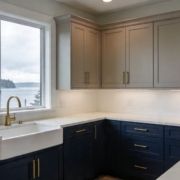
For homeowners, that can mean more than replacing what was there before. A smoke event may expose old drywall issues, worn flooring, outdated cabinets, or layout problems that were already on your list. If the insurance scope opens the wall or removes finishes, that can be the practical moment to coordinate a bath remodel, kitchen remodel, custom cabinets, or related residential remodeling work rather than treating it as a separate project later.
Common repair work after smoke damage
The rebuild portion often includes a mix of trades, such as:
- Drywall Contractor services: Removing smoke-affected board, patching, taping, texturing, and repainting.
- Floor Repairs and Replacements: Addressing damaged subfloor, wood and tile floors, transitions, or smoke-affected carpet and pad.
- Cabinet and trim work: Cleaning some sections, replacing others, then matching finishes.
- Paint and coatings: Re-sealing and refinishing walls, ceilings, doors, and trim after odor control is complete.
- Roof Repair or exterior protection: Needed if the fire response or event compromised the building envelope.
When restoration becomes an upgrade opportunity
A damaged deck door area can lead into siding replacement, waterproofing, or new exterior finishes. A compromised back patio may be the right time to revisit Custom Decks and Patios or Deck & porch staining as part of a broader repair plan. If the smoke source involved a sunroom, enclosed porch, or addition, the conversation may expand into Solarium Builds or other layout improvements.
For commercial owners and facility teams, the same principle applies. A smoke loss in a small office or retail suite may turn into Commercial renovations, Retail build-outs, Office space renovation, or Tenant Improvement work once damaged finishes are removed. In institutional or mixed-use properties, related needs may include Institutional painting, Facility Maintenance, and broader Facility construction services.
The easiest projects to manage usually have one accountable team handling cleanup, repairs, finishes, and final punch work under the same plan.
That matters if you're a property manager in Seattle, a facility lead in Tacoma, or a small business owner in New Castle trying to reopen quickly. The fewer handoffs you have between separate companies, the easier it is to keep scope, schedule, and finish quality aligned.
Your Local Restoration Partner in Puget Sound
Smoke damage is stressful anywhere, but local context matters. A house in Bellevue may have a different attic layout, finish package, and HVAC setup than an older home in Tacoma or a townhome in Kirkland. A small office in Issaquah has different needs than a retail suite in West Seattle or a light commercial property in Snoqualmie.
That's why local owners often prefer a contractor who understands the scale of the job they have. Not a massive regional disaster response campaign. Not a one-size-fits-all approach. A clear plan for a Puget Sound home, tenant space, office, or facility that needs careful assessment, disciplined cleanup, and quality reconstruction.

What high-quality restoration should include
The strongest smoke damage restoration work follows the ANSI/IICRC S700 Standard, which requires a rigorous inspection process, a top-down cleaning sequence, and post-cleaning testing with air quality sampling to help confirm the property has been returned to pre-loss condition. You can read more about that benchmark in this article on the ANSI/IICRC S700 Standard.
For property owners, that standard translates into practical expectations:
- A detailed inspection, not a quick glance
- A written remediation plan
- Cleaning that follows a defined sequence
- HVAC attention, not just wall wiping
- Verification at the end, not guesswork
Why local fit matters for smaller projects
If you're searching for a residential contractor near me after a smoke event, you may also need someone who can handle repainting, drywall, flooring, cabinets, and finish carpentry once remediation is done. If you're searching for commercial construction near me, you may need a team that understands smaller to mid-size tenant improvement, facility maintenance, and partial-space rebuilding without treating your property like a giant catastrophe site.
That's where a regional general contractor can make the process smoother for:
- Homeowners in Tacoma, Bellevue, Kirkland, and Seattle
- Property managers in West Seattle, Issaquah, and New Castle
- Business owners in Snoqualmie and North Bend
- Facilities teams coordinating repairs and occupancy planning
The goal isn't just to remove odor. It's to return the property to a condition you can confidently live in, work in, lease, or reopen.
When you talk with a contractor, ask direct questions. Will they inspect hidden cavities if needed? Can they coordinate demolition and rebuild work? Do they understand both residential finishes and small commercial requirements? Can they produce a clear proposal instead of a vague allowance sheet?
Those answers matter just as much as the first cleanup step.
If your home, office, or commercial space in Tacoma, Seattle, New Castle, Issaquah, Bellevue, Kirkland, North Bend, West Seattle, or Snoqualmie needs smoke damage restoration, repairs, or follow-up remodeling, contact Wheeler Painting & Restoration Services for an on-site consultation and a clear proposal. A calm, documented plan can make the next step much easier.







 “Like” us on Facebook!