Tag Archive for: ceiling water damage repair

Drywall Water Damage

Drywall Water Damage: Signs, Risks, and When Replacement Is Needed

Drywall water damage can start small. A faint stain on the ceiling, a soft spot near the baseboard, bubbling paint behind a sink, or a musty smell in one room may not seem urgent at first. But once water reaches drywall, the problem can move quickly behind the surface.

Drywall is absorbent, which means it can pull in moisture and hold it longer than many homeowners realize. Even if the surface feels dry, water may still be trapped inside the wall cavity, behind paint, under trim, or along the framing. That is why water-damaged drywall should never be ignored.

For homeowners in Kent, Seattle, Tacoma, Bellevue, and throughout Western Washington, moisture is a familiar concern. Heavy rain, roof leaks, plumbing failures, appliance leaks, damp crawl spaces, and storm-related intrusion can all create conditions where drywall water damage appears. The key is knowing what signs to look for, what risks are involved, and when drywall repair is no longer enough.

What Causes Drywall Water Damage?

Drywall water damage can come from several sources. Some are sudden, such as a burst pipe, overflowing toilet, leaking water heater, or failed washing machine hose. Others happen slowly over time, such as a roof leak, poor exterior sealing, condensation, plumbing seepage, or water entering around windows, siding, or foundation areas.

In many cases, the visible stain is only part of the story. Water often travels before it shows itself. A ceiling stain may come from a roof issue, an upstairs bathroom, or a pipe running above the room. A wet wall near the floor may be connected to a slow plumbing leak, exterior drainage problem, or water trapped behind baseboards.

That is why it is important to identify the source before repairing the drywall. If the source is not corrected first, new drywall, paint, and trim may be damaged again.

Drywall Water Damage

Drywall Water Damage

Common Signs of Water-Damaged Drywall

Some drywall water damage is obvious. Other signs are easy to miss until the problem has spread. Homeowners should watch for changes in appearance, texture, smell, and structure.

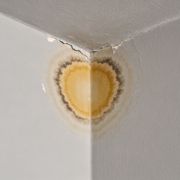
One of the most common signs is staining. Water stains often appear as yellow, brown, gray, or darker patches on walls or ceilings. The edges may look uneven, like a ring or cloud. If the stain grows after rain or plumbing use, that is a strong sign of an active moisture problem.

Paint and texture changes are also common. Water can cause paint to bubble, blister, peel, or separate from the drywall surface. Wall texture may look swollen, cracked, or uneven. In some areas, the wall may feel soft when pressed.

A musty odor is another warning sign. Even if you cannot see a large stain, a damp smell may suggest moisture is trapped behind the wall or ceiling. This is especially important in bathrooms, laundry rooms, kitchens, basements, and rooms with poor airflow.

Baseboards and trim can also reveal hidden problems. If trim is pulling away from the wall, swelling, warping, or showing discoloration near the floor, moisture may be affecting the drywall behind it.

Why Drywall Water Damage Gets Worse Over Time

Drywall is made with a paper facing over a gypsum core. When it absorbs water, the paper can weaken, the gypsum can soften, and the surface can lose its strength. If the drywall stays wet long enough, it may sag, crumble, or separate.

The longer moisture remains inside the wall, the greater the risk of related damage. Water can affect insulation, framing, flooring, cabinets, paint, electrical components, and nearby finishes. What begins as a small wall repair can become a larger restoration project if moisture is not addressed early.

In Western Washington homes, damp weather can make drying more challenging. Opening a window may not be enough, especially during rainy or humid conditions. Professional moisture detection and drying evaluation can help determine whether the wall is truly dry or still holding moisture behind the surface.

When Drywall Can Be Repaired

Not every water-damaged wall needs full replacement. In some cases, drywall can be repaired if the damage is minor, the water source was clean, the affected area dried quickly, and the wall remains firm and stable.

For example, a small surface stain from a brief leak may only need drying, stain-blocking primer, texture touch-up, and repainting once the source is fixed. Minor paint bubbling or texture damage may also be repairable if the drywall itself has not softened.

However, repair should only happen after the area has been properly evaluated. Painting over a stain too soon can hide the problem temporarily while moisture remains inside the wall. That often leads to recurring stains, peeling paint, odors, or deeper damage later.

When Drywall Replacement Is Needed

Drywall replacement is usually needed when the material has lost its strength or has been exposed to too much water for too long. If the wall feels soft, swollen, crumbly, sagging, or warped, patching the surface may not be enough.

Replacement may also be needed if the water came from a contaminated source. Toilet overflows, sewer backups, floodwater, and drain backups can introduce materials that should not remain inside wall systems. In those cases, affected drywall often needs to be removed and replaced as part of a safer restoration process.

Large stains, recurring moisture, visible mold-like growth, strong odors, or damage that extends behind cabinets, trim, or flooring are also signs that replacement may be necessary. If drywall has been wet for an extended period, removing the damaged section may be the only way to properly dry and inspect the area behind it.

Ceiling drywall deserves special caution. Wet ceiling drywall can sag or weaken, and in some cases, sections can fall. If you see bulging, dripping, spreading stains, or sagging overhead, keep people away from the area and call a qualified professional.

 Water Damaged Drywall

Water Damaged Drywall

Why Moisture Detection Matters

One of the biggest mistakes homeowners make is relying only on what they can see. Drywall can look dry on the outside while moisture remains behind it. Water can also travel along studs, base plates, insulation, flooring, and ceiling cavities.

Restoration professionals use moisture meters and infrared thermal cameras to help locate hidden moisture pockets. These tools help map the affected area before repairs begin, reducing the chances of missing wet materials or removing more than necessary.

This is especially helpful after leaks in kitchens, bathrooms, laundry rooms, and multi-level homes. A dishwasher leak, for example, may damage cabinets, drywall, flooring, and the wall behind the appliance. A roof leak may affect ceiling drywall, insulation, framing, and wall surfaces below.

The Role of a Restoration Contractor

A restoration contractor does more than patch the visible wall. The right team looks at the source of the water, the extent of the damage, the condition of surrounding materials, and what needs to happen before the space is rebuilt.

A proper restoration plan may include stopping the water source, removing damaged drywall, drying the wall cavity, repairing framing or insulation if needed, replacing drywall, matching texture, priming, painting, and restoring nearby trim or flooring. If cabinets, waterproofing, or other construction details are involved, those should be coordinated as part of the same plan.

Wheeler Painting & Restoration Services handles both restoration and reconstruction work, including drywall, flooring, cabinets, waterproofing, and painting. That kind of continuity can help homeowners avoid the stress of hiring separate contractors for each phase of the repair.

Do Not Repaint Too Soon

Repainting is often the first thing homeowners want to do because it makes the room look normal again. But paint should be one of the final steps, not the first.

If the wall is still damp, new paint may peel, bubble, discolor, or fail to bond properly. If the stain was caused by an active leak, it will likely return. If damaged drywall was not removed, the finished surface may look uneven or continue to weaken.

A good repair sequence matters. First, identify and stop the water source. Next, evaluate the moisture. Then dry or remove affected materials. After that, repair the drywall, match the texture, prime correctly, and repaint.

This sequence protects both the appearance and the durability of the repair.

Drywall Damage Around Kitchens and Bathrooms

Kitchens and bathrooms are common areas for drywall water damage because they contain plumbing, fixtures, appliances, and frequent humidity. In a kitchen, leaks may come from the sink, dishwasher, refrigerator line, or wall plumbing. In a bathroom, damage may appear near showers, tubs, toilets, vanities, or ceilings below upstairs bathrooms.

These areas often involve more than drywall. Cabinets, flooring, trim, tile, and paint may also be affected. If moisture reaches behind cabinets or under flooring, a simple wall patch may not solve the full problem.

That is why water damage in kitchens and bathrooms should be evaluated carefully. The repair may need to include drywall replacement, cabinet repair, flooring work, waterproofing improvements, and finish painting.

 Water Damaged Drywall Issue

Water Damaged Drywall Issue

Drywall Damage in Commercial Spaces

Drywall water damage is not limited to homes. Commercial buildings, offices, retail spaces, tenant suites, and multifamily properties can also experience leaks and moisture problems. In a commercial setting, fast response and clear communication matter because damage can affect employees, tenants, customers, and business operations.

Commercial water damage may require drywall repairs, painting, flooring work, tenant improvement updates, and restoration coordination. A contractor with both construction and restoration experience can help property managers and business owners move from damage assessment to finished repairs with less disruption.

When to Call for Professional Help

Call a restoration contractor if the water damage affects more than a small surface stain, if the drywall feels soft, if the stain keeps returning, if there is a musty smell, if the water source is unknown, or if the affected area involves ceilings, cabinets, flooring, or multiple rooms.

You should also call for help if the water came from a roof leak, burst pipe, appliance failure, toilet overflow, sewer backup, or storm intrusion. These situations often involve hidden moisture that is difficult to judge without proper tools.

For homeowners and property owners in Kent, Seattle, Tacoma, Bellevue, and the surrounding Puget Sound area, local experience matters. Wheeler Painting & Restoration Services understands the moisture challenges common in Western Washington and provides restoration, construction, drywall, painting, and finish repair services to help return damaged spaces to a clean, finished condition.

Restoring the Wall and Protecting the Space

Drywall water damage is more than a cosmetic issue. A stain, bubble, or soft spot may be the first sign of a larger moisture problem inside the wall. The sooner it is evaluated, the easier it is to limit damage and plan the right repair.

Sometimes, drywall can be dried, patched, primed, and painted. Other times, replacement is the safer and more durable option. The difference depends on the source of the water, how long the material stayed wet, whether the drywall has weakened, and what hidden damage may exist behind the surface.

If you notice signs of drywall water damage, do not cover it and hope it goes away. Find the source, check the extent of the moisture, and bring in an experienced restoration contractor when the damage goes beyond a simple surface repair. With the right approach, your walls can be restored properly and your home or commercial space can feel finished, safe, and comfortable again.

Wheeler Painting
https://maps.app.goo.gl/TkHPUUvsfohwTSm8A
1317 Central Ave S, Kent, WA 98032, United States
(253) 544-5233
https://wheelerpainting.com/
Water Damage Ceiling

Water Damage Ceiling? Here’s How to Find the Best Repair Options

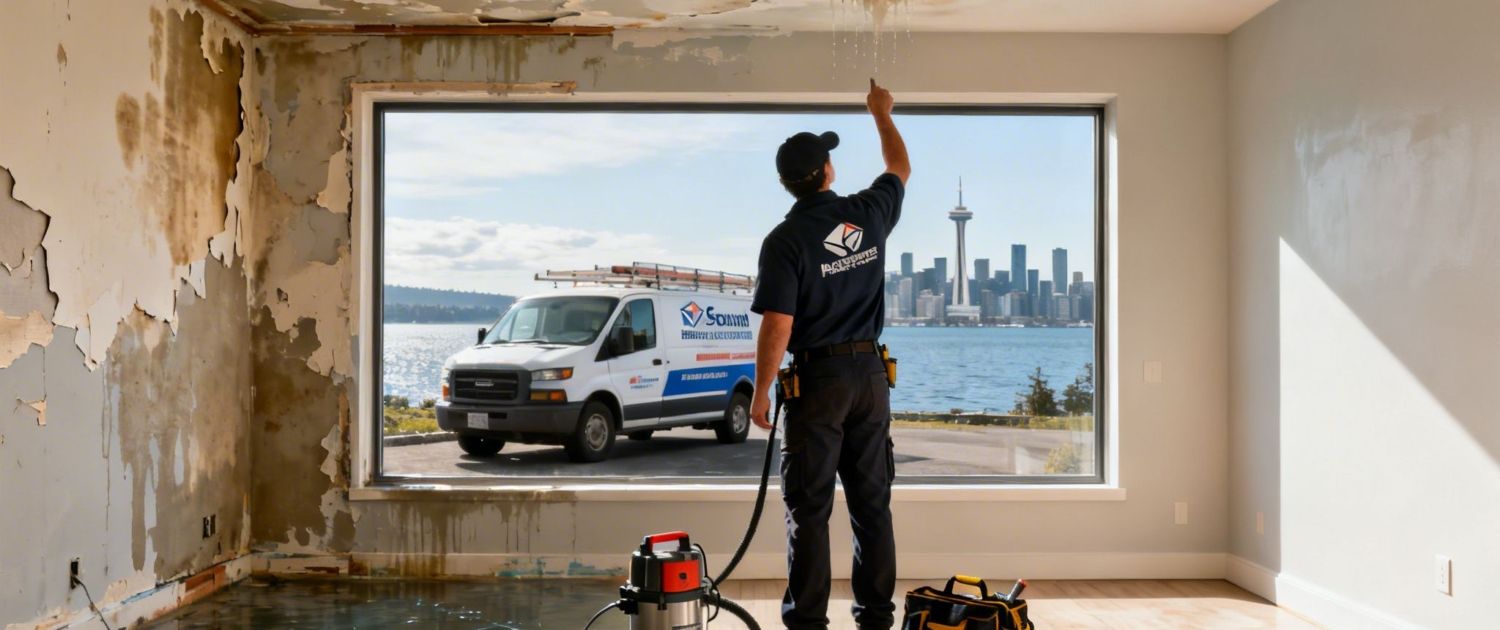
A brown stain spreading across your ceiling. Paint bubbling near the light fixture. A slow, steady drip you noticed after last night’s storm. Water damage has a way of announcing itself at the worst possible time—and demanding immediate attention.

The good news? A water damage ceiling isn’t always a disaster. With the right approach, most damage is entirely fixable. The tricky part is knowing what you’re dealing with, whether to tackle it yourself or call in a professional, and how to make sure the problem doesn’t come back.

This guide walks you through everything: from spotting the signs of water damage to choosing the best repair path—and why Wheeler Painting & Restoration Services is the contractor homeowners trust for high-quality ceiling restoration.

Why Water-Damaged Ceilings Are More Serious Than They Look

A stain or patch of peeling paint might seem like a cosmetic issue, but water-damaged ceilings can hide far more serious problems beneath the surface.

Here’s what’s actually at stake:

Structural compromise:

Prolonged moisture weakens drywall, plaster, and wooden support beams. Over time, a saturated ceiling can sag—or worse, collapse.

Mold growth:

Damp conditions create the perfect environment for mold. Once it takes hold, it spreads fast and can pose real health risks, particularly for those with respiratory conditions.

Electrical hazards:

Water and wiring don’t mix. If moisture reaches your ceiling’s electrical fixtures or wiring, the risk of short circuits or fires increases significantly.

Hidden rot:

Moisture that seeps into wall cavities or roof structures can cause rot that goes unnoticed until major repairs are needed.

The longer you wait, the worse—and more expensive—the damage becomes. Acting quickly is always the right call.

Water Damage Ceiling Restoration

Water Damage Ceiling Restoration

Common Causes of Ceiling Water Damage

Before you can fix the problem, you need to understand what caused it. Water damage rarely has a single, obvious source. Some of the most common culprits include:

Roof leaks:

Damaged shingles, cracked flashing, or blocked gutters allow rainwater to seep through.

Plumbing failures:

Burst pipes, loose connections, and aging fixtures above the ceiling are frequent offenders.

Condensation buildup:

Poor attic ventilation or inadequate insulation can cause moisture to accumulate over time.

HVAC issues:

Air conditioning units that aren’t draining properly can leak onto ceilings below.

Appliance overflows:

Washing machines, dishwashers, and water heaters on upper floors can cause significant ceiling damage when they malfunction.

Identifying the correct source is critical. Repairing the ceiling without fixing the underlying cause will only lead to the same problem recurring weeks or months later.

What to Do the Moment You Notice a Ceiling Leak

Speed matters. Here’s what to do as soon as you spot the signs:

Contain the water

Place buckets or towels under the leak to prevent further water from spreading to floors or furniture. If there’s visible bulging in the ceiling, carefully puncture it with a screwdriver to release the collected water in a controlled way—this relieves pressure and reduces the risk of a sudden collapse.

Turn off electricity in affected areas

If the leak is near any light fixtures, ceiling fans, or visible wiring, switch off the electricity to those circuits at your breaker box. Don’t wait.

Document everything

Take photos and videos of the damage before touching anything. This documentation is essential for insurance claims.

Contact your insurance provider

Most homeowner policies cover sudden, accidental water damage. Notify your insurer promptly—delays can complicate your claim.

Locate the source

Do not begin any repairs until you’ve found and stopped the source of the water. Trace the leak back to its origin, whether it’s a rooftop issue, a burst pipe, or a faulty appliance.

How to Assess the Severity of the Damage

Not all water damage is equal. Some repairs are minor. Others require a professional crew and significant reconstruction.

Minor damage typically involves:

Small, contained stains with no sagging
Surface-level paint bubbling or peeling
Drywall that’s still structurally firm

Moderate damage may include:

Larger stained areas with visible soft spots
Multiple affected sections or spreading discoloration
Signs of early mold growth (dark patches, musty odor)

Severe damage requires urgent professional attention:

Sagging or bowing ceiling sections
Widespread mold or visible rot
Compromised structural elements, such as exposed joists

When in doubt, have a professional inspect the area. What looks minor on the surface can sometimes point to deeper structural issues.

DIY vs. Professional Repair: Choosing the Right Path

When DIY Makes Sense

For small, clearly contained stains caused by a one-time event—such as a minor roof tile that’s since been fixed—a DIY repair may be perfectly appropriate. This typically involves:

Letting the area dry completely (at least 24–48 hours)
Cutting out and replacing damaged drywall sections
Applying a stain-blocking primer
Repainting with a ceiling-grade paint

DIY works best when the source of the leak has been definitively resolved, the damage is superficial, and there’s no sign of mold or structural compromise.

When to Call a Professional

For anything beyond minor cosmetic repairs, professional restoration is the smarter investment. Here’s why:

Accuracy: Professionals use moisture meters and thermal imaging to detect hidden water damage that’s invisible to the naked eye.
Mold remediation: Certified contractors can safely remove mold and treat the affected area to prevent regrowth.
Structural repairs: Replacing joists, beams, or large drywall sections requires expertise and the right tools.
Quality finish: A professionally repaired ceiling looks seamless. DIY patches often leave visible seams, uneven textures, or mismatched paint tones.

Attempting a complex repair without the right skills often costs more in the long run when the work needs to be redone.

How to Choose a Reliable Repair Contractor

The water damage restoration contractor you choose will determine both the quality and longevity of the repair. Here’s what to look for:

Licensing and insurance: Always verify that the contractor holds the appropriate licenses and carries liability insurance. This protects you if something goes wrong during the job.

Relevant experience: Ceiling restoration requires specific skills in drywall repair, plastering, texture matching, and painting. Ask for examples of similar projects they’ve completed.

Written quotes: Reputable contractors provide detailed, written estimates that break down materials and labor costs. Avoid anyone who quotes vaguely or pressures you to decide on the spot.

References and reviews: Check Google reviews, ask for references, and look for a consistent track record of satisfied customers.

Clear communication: A good contractor explains the scope of work clearly, provides realistic timelines, and keeps you updated throughout the job.

Warranty on work: Quality contractors stand behind their work. Ask whether they offer a warranty on the repair and finishing work.

 Ceiling Water Damage Restoration

Ceiling Water Damage Restoration

Why Homeowners Choose Wheeler Painting & Restoration Services for Ceiling Restoration

When it comes to ceiling restoration and finishing, Wheeler Painting & Restoration Services stands out for a clear reason: the quality of the work speaks for itself.

Wheeler Painting & Restoration Services specializes in high-quality interior and exterior painting and surface restoration, with deep expertise in ceiling repair finishing. Their team brings the kind of attention to detail that makes a repaired ceiling look as good—or better—than the original.

Here’s what sets Wheeler Painting & Restoration Services apart:

Expert surface preparation:

The team at Wheeler Painting & Restoration Services knows that a flawless finish starts with thorough preparation. They identify and treat problem areas properly before a single drop of paint is applied.

Premium materials:

Wheeler Painting & Restoration Services uses high-quality, durable paints and primers that protect against moisture and stand the test of time.

Seamless texture matching:

One of the hardest parts of ceiling repair is matching the existing texture. Wheeler Paint’s experienced team ensures the repaired section blends seamlessly with the surrounding ceiling.

Reliable, professional service:

Clients trust Wheeler Painting & Restoration Services for their clear communication, punctuality, and commitment to getting the job done right the first time.

If you’re dealing with water-damaged ceilings and want a finish that looks truly seamless, Wheeler Painting & Restoration Services is a trusted partner for the job.

Preventative Measures to Protect Your Ceiling

Once your ceiling is repaired, keep it that way. A few simple habits can significantly reduce the risk of future water damage.

Inspect your roof regularly: Check for cracked or missing shingles, damaged flashing, and blocked gutters, especially after heavy storms. Annual inspections by a roofing professional are a worthwhile investment.

Service your plumbing: Have a licensed plumber inspect pipes and fixtures periodically, particularly in older homes. Look out for slow leaks under sinks and around toilet bases.

Improve attic ventilation: Proper ventilation prevents moisture from building up in roof spaces, reducing the risk of condensation damage.

Check appliances: Inspect the hoses and connections on washing machines and dishwashers regularly. Replace rubber hoses with braided steel alternatives for added durability.

Use moisture-resistant paint: In bathrooms, kitchens, and laundry rooms, opt for moisture-resistant ceiling paint. It won’t prevent leaks, but it slows damage and buys you time to notice a problem.

Act early on small stains: A small water stain is easy to dismiss. Don’t. Trace its origin promptly—catching a minor leak early can save you thousands in repair costs.

Don’t Let Ceiling Damage Go Unchecked

Water damage doesn’t fix itself. What begins as a small, seemingly insignificant stain on your ceiling can quickly escalate into a much larger issue. Left unaddressed, it can compromise your home’s structural integrity, foster unhealthy mold growth, and eventually lead to a major, costly renovation project. Taking proactive steps is crucial. The process is straightforward: first, identify the source of the leak, then assess the full extent of the damage, and finally, choose a repair strategy that matches the severity of the problem.

While minor fixes might be tempting for a DIY project, ensuring a lasting and safe repair often requires professional expertise. For homeowners who want the job done right the first time—from addressing any underlying structural issues to achieving a flawless, perfectly blended painted finish—working with an experienced contractor makes all the difference. Wheeler Painting & Restoration Services brings the specialized knowledge and meticulous craftsmanship needed to restore your ceiling to its original, pristine condition.

Don’t let a small issue become a major headache. Ready to get started? Contact Wheeler Painting & Restoration Services today for a professional assessment and a detailed quote.

Wheeler Painting
https://maps.app.goo.gl/TkHPUUvsfohwTSm8A
1317 Central Ave S, Kent, WA 98032, United States
(253) 802-8656
https://wheelerpainting.com/

Water Damage Near Me

Water Damage Near Me: Fast Solutions to Protect Your Home

Discovering a flood, leak, or burst pipe in your home can be an overwhelming experience. The sight of water pooling where it shouldn’t be often triggers a sense of panic, but immediate action is your best defense. Whether it is a slow leak that has finally burst or a sudden flood from a storm, the urgency of the situation cannot be overstated. Water damage spreads quickly, soaking into floors, walls, and furniture, threatening the structural integrity of your property. Addressing the issue right away minimizes the destruction and saves you from significant financial headaches down the road.

Delaying a response to water issues can lead to severe consequences. Within hours, untreated moisture begins to warp wood, degrade drywall, and ruin carpeting. Perhaps even more concerning is the risk of mold growth, which can start in as little as 24 hours. Mold poses serious health risks and often requires expensive, specialized remediation. Beyond the physical structure, your personal belongings and memories are at risk. This guide aims to educate you on the critical steps to take immediately, the importance of professional “water damage near me” services, and how to protect your home for the long term.

The First 30 Minutes: Your Immediate Action Plan

Prioritize Safety Above All Else

Before doing anything else, ensure the safety of everyone in the household. Water and electricity are a dangerous combination, so avoid entering standing water if the power is still on. If there is a risk of structural collapse or if the water is contaminated (such as sewage backup), evacuate the area immediately.

Shut Off the Main Water Supply

Stipulating that it is safe to do so, locating and turning off the main water valve is the most effective way to stop the flow of water. This valve is typically found in the basement, garage, or near the street curb. Turning it clockwise will cut off the water supply to the entire house, preventing thousands of gallons from flooding your living space.

Call for Emergency Professional Help

Once the water source is controlled and safety is assured, the next step is to contact a professional restoration company. When searching for “water damage near me,” look for services that offer 24/7 emergency response. Time is of the essence, and professional teams have the industrial-grade equipment needed to extract water and dry your home far faster than typical household tools.

Water Damage Restoration Service

Water Damage Restoration Service

Understanding the Timeline of Water Damage

Within Minutes: The Initial Impact

Water spreads incredibly fast, following the path of least resistance throughout your property. Within the first few minutes, water saturates carpets, upholstery, and books. It can seep behind baseboards and into subflooring, beginning the silent process of structural degradation. Valuable photographs and paper documents may swell and warp, often becoming unsalvageable if not treated instantly.

Within Hours (1-24): The Onset of Damage

As hours pass, the severity of the situation escalates rapidly. Drywall begins to swell and break down, while wooden furniture legs may start to crack or stain the carpet. Metal surfaces can begin to tarnish, and a musty odor typically starts to develop, indicating the beginning of bacterial activity.

Within Days (2-4): The Growth of Mold and Bacteria

If water remains for several days, the damage often becomes extensive and hazardous. Mold and mildew will likely have taken root, spreading spores through the air and compromising indoor air quality. Wood floors may experience severe warping or cupping, and structural components like studs and joists can swell and weaken.

The Role of a 24/7 Emergency Response Team

Rapid On-Site Arrival

A reliable emergency response team understands that water damage waits for no one. The best providers aim to be at your doorstep promptly after your call, regardless of the time of day or night. This rapid arrival is crucial for mitigating loss, as every hour that passes allows water to penetrate deeper into the structure of your home.

A Quick and Thorough Damage Assessment

Upon arrival, trained technicians conduct a comprehensive assessment of the property. They use advanced moisture detection tools, such as infrared cameras and hygrometers, to identify trapped moisture that is not visible to the naked eye. This thorough inspection allows the team to create a precise plan of action tailored to the specific extent of the water intrusion.

Starting Mitigation Without Delay

After the assessment, the mitigation process begins immediately to prevent further deterioration. Technicians will start moving furniture, securing belongings, and setting up containment barriers to stop water from spreading to unaffected areas. The goal is to stabilize the environment as quickly as possible, ensuring that the recovery path is clear and manageable.

The Water Extraction and Drying Process

Using Commercial-Grade Extraction Equipment

Professionals utilize powerful pumps and truck-mounted vacuum units to remove the bulk of standing water. These industrial machines are capable of extracting thousands of gallons quickly, far outperforming a standard Shop-Vac.

Deploying Air Movers for Enhanced Evaporation

Once the standing water is gone, the focus shifts to the moisture absorbed by walls, floors, and furniture. High-velocity air movers are strategically placed to create consistent airflow across wet surfaces. This process accelerates evaporation, pulling moisture out of porous materials and into the air, where it can be captured and removed.

Industrial Dehumidifiers to Dry the Air

To complete the drying cycle, industrial-grade dehumidifiers are deployed to extract water vapor from the air. These units work in tandem with the air movers to lower the relative humidity in the room significantly. By maintaining a dry environment, the growth of mold is inhibited, and deep-seated moisture in structural elements is effectively drawn out.

Handling Your Personal Belongings

Pack-Out Services for Salvageable Items

In many water damage scenarios, personal items need to be removed from the affected area to be treated properly. Restoration companies often offer pack-out services, where they carefully document, pack, and transport your belongings to a secure, climate-controlled facility.

Specialized Cleaning and Restoration

Items such as clothing, electronics, and documents require specialized cleaning techniques to be restored. Professionals use ultrasonic cleaning, freeze-drying for documents, and anti-microbial treatments to salvage belongings that might otherwise be considered lost. The goal is to return your treasured possessions to their pre-loss condition whenever possible.

Creating a Detailed Loss Inventory

For items that are deemed unsalvageable, a detailed inventory is created to assist with insurance claims. This list typically includes the description, quantity, and age of the damaged items. having a professional third party document this loss adds credibility to your insurance claim and helps ensure you are compensated fairly for your personal property.

Water Damage Restoration

Water Damage Restoration

Wheeler Painting: The Final Step in Restoration

Seamless Repair of Damaged Structures

Once the water is gone and the area is dry, the reconstruction phase begins. Wheeler Painting specializes in repairing the physical damage left behind, from replacing soggy drywall to installing new baseboards.

Flawless Painting for a Fresh Start

A fresh coat of paint does more than just cover up repairs; it signals a fresh start. Wheeler Painting provides professional painting services that blend new repairs seamlessly with the existing decor. The result is a flawless finish that makes the water damage feel like a distant memory, restoring the beauty and comfort of the living space.

Simple and Straightforward Project Management

Dealing with contractors can often be stressful, but Wheeler Painting prioritizes a simple and transparent process. From the initial quote to the final walkthrough, communication remains clear and direct. Homeowners can expect a project management style that is organized and supportive, taking the burden off their shoulders during the restoration journey.

Navigating the Insurance Claim Process

Providing Comprehensive Documentation

Successful insurance claims rely heavily on detailed documentation. Restoration professionals assist by providing photos of the damage, moisture readings, and itemized lists of the work performed. This comprehensive evidence supports the claim and helps insurance adjusters understand the necessity and scope of the remediation efforts.

Communicating Directly with Your Adjuster

To alleviate stress for the homeowner, restoration companies often communicate directly with the insurance adjuster. They speak the same technical language and can explain the mitigation steps and costs clearly. This collaborative approach helps streamline the approval process and ensures that the claim moves forward without unnecessary delays.

Understanding Your Coverage

It is important for homeowners to review their insurance policy to understand what is covered regarding water damage. Policies can vary significantly on coverage for flood damage versus burst pipes or sewer backups. Having a clear understanding of the policy helps manage expectations and ensures that informed decisions are made throughout the restoration process.

Preventing Future Water Emergencies

Performing Regular Appliance Maintenance

Many water damage incidents are caused by failing appliances. Regularly inspecting hoses on washing machines, dishwashers, and refrigerators for signs of wear or brittleness can prevent sudden leaks. Replacing old rubber hoses with steel-braided ones is a simple upgrade that offers significantly better protection against bursting.

Installing Water Detection Sensors

Modern technology offers an extra layer of security through smart water leak detectors. These small sensors can be placed near water heaters, toilets, and under sinks. If moisture is detected, they send an alert to a smartphone, allowing for a rapid response even when no one is home.

Knowing Your Home’s Plumbing

Familiarity with the home’s plumbing system is a powerful preventative tool. Knowing the location of the main water shut-off valve and testing it annually ensures it is operational in an emergency. Additionally, keeping an eye on water bills for unexplained increases can help identify hidden leaks before they cause major damage.

Water Damage Restoration Company

Water Damage Restoration Company

Restoring Comfort and Safety to Your Home

Facing water damage is a stressful event, but knowing the right steps to take provides a clear path to recovery. From the initial detection and emergency shut-off to the arrival of professional remediation teams, speed and safety remain the top priorities. Partnering with trusted experts for extraction, drying, and final repairs ensures that the home is not just fixed, but fully restored to its former comfort. By combining immediate action with professional restoration services and future preventative measures, homeowners can reclaim their sanctuary and enjoy peace of mind for years to come.

Wheeler Painting
https://maps.app.goo.gl/TkHPUUvsfohwTSm8A
1317 Central Ave S, Kent, WA 98032, United States
(253) 802-8656
https://wheelerpainting.com/