Tag Archive for: water damage repair near me

Water Damage Services

Water Damage Services 101: How to Pick the Right Contractor

Water damage is one of the most stressful situations a homeowner or property manager can face. A burst pipe, a flooded basement, a leaking roof after a storm—within hours, what looks like a minor inconvenience can spiral into a full-scale structural crisis. The costs add up fast, and so do the mistakes if you hire the wrong contractor.
The good news? Knowing what to look for makes a real difference. The right water damage services doesn’t just show up with a wet-dry vacuum—they bring certified expertise, professional-grade equipment, and a systematic approach that protects your property from further deterioration. The wrong one? They might leave hidden moisture behind walls, setting the stage for mold growth and long-term structural damage.
This guide walks you through everything you need to know: what causes water damage, why the first 48 hours are critical, how to vet a contractor, and what the restoration process actually looks like from start to finish—including how companies like Wheeler Painting & Restoration Services play an essential role in bringing your property back to its pre-loss condition.

What Causes Water Damage in Residential and Commercial Properties?

Water damage doesn’t always announce itself dramatically. Sometimes it’s a slow drip behind a wall; other times it’s a flash flood that submerges an entire ground floor. Understanding the common causes helps you act faster when something goes wrong.

Residential Causes

In homes, water damage most often stems from:
Plumbing failures: Burst pipes, leaking joints, and worn-out supply lines are among the leading culprits, particularly in older homes.
Appliance malfunctions: Dishwashers, washing machines, refrigerators with ice makers, and water heaters all carry risk when connections fail or seals deteriorate.
Roof leaks: Damaged shingles or flashing allow water to penetrate during heavy rainfall, often pooling in attics before seeping through ceilings.
Storm and flooding: Heavy rain, flash floods, and sewer backups can overwhelm drainage systems, forcing water into basements and crawl spaces.
HVAC condensation: Poor maintenance can cause condensation buildup or drain line clogs that lead to water pooling around units.

Commercial Causes

Commercial properties face similar risks, but the scale is often much larger. Sprinkler system failures, roof drainage problems on flat commercial rooftops, and plumbing issues across multi-story buildings can affect dozens of offices or units simultaneously. The financial impact compounds quickly when business operations are disrupted alongside the structural damage.
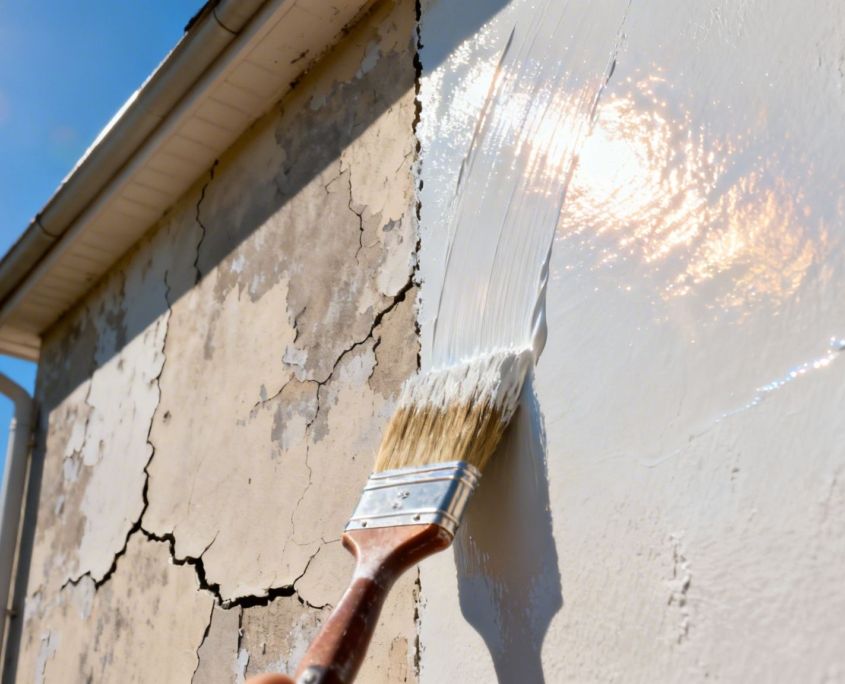
Water Damage Restoration Service

Water Damage Restoration Service

The 24-48 Hour Window: Why Speed Is Everything

Here’s the reality of water damage: the clock starts the moment moisture enters your property. Within the first 24 to 48 hours, mold can begin to develop on affected surfaces. Structural materials—drywall, subfloors, insulation, wooden framing—begin absorbing water rapidly, and the longer they stay wet, the harder and more expensive the restoration becomes.
Acting within this critical window allows a professional mitigation team to:
Extract standing water before it spreads further
Set up industrial drying equipment to prevent moisture from settling into structural materials
Identify hidden pockets of moisture using thermal imaging and moisture mapping tools
Prevent secondary damage, including mold colonization, warping, and corrosion
Waiting even a day or two can mean the difference between a straightforward drying job and a full-scale demolition and reconstruction project. This is why emergency response time should be near the top of your contractor checklist.

Key Credentials to Look for in a Water Damage Contractor

Not all restoration companies are created equal. Before you commit to anyone, verify the following credentials.

IICRC Certification
The Institute of Inspection, Cleaning and Restoration Certification (IICRC) sets the industry standard for water damage restoration professionals. Look for contractors certified under the IICRC’s Water Damage Restoration Technician (WRT) or Applied Structural Drying (ASD) programs. These certifications confirm that technicians have been trained in the science of drying, moisture control, and safe restoration practices.

State Licensing
Requirements vary by state, but most jurisdictions require contractors performing restoration work to hold a valid contractor’s license. Ask to see proof before any work begins. A licensed contractor is accountable—they have legal standing to perform the work and are subject to regulatory oversight.

Comprehensive Insurance
At a minimum, your contractor should carry general liability insurance and workers’ compensation coverage. General liability protects your property if the contractor causes additional damage during the restoration process. Workers’ comp protects you from liability if a technician is injured on your premises. Ask for certificates of insurance directly—not just verbal confirmation.

Questions to Ask Before Hiring

Even with the right credentials, the quality of service can vary widely. Ask these questions to separate professional operations from contractors who may not be equipped to handle your situation properly.

What is your emergency response time?
Reputable water damage contractors offer 24/7 emergency services and commit to on-site arrival within a defined timeframe—often two to four hours. If a company can’t give you a clear answer, that’s a red flag.

What moisture mapping and detection tools do you use?
Professional contractors use thermal imaging cameras, moisture meters, and hygrometers to locate water that isn’t visible to the naked eye. This equipment is essential for ensuring no moisture is left behind in walls, ceilings, or subfloors.

What drying equipment do you use?
Look for contractors who deploy commercial-grade air movers, dehumidifiers, and desiccant systems where appropriate. Residential fans won’t cut it for significant water intrusion—industrial equipment creates the controlled airflow and humidity conditions needed for efficient structural drying.

Do you coordinate with insurance companies?
An experienced contractor will be familiar with the insurance claims process and can help document damage thoroughly—photos, moisture readings, drying logs—to support your claim.

Can you handle both mitigation and restoration?
Some contractors only perform the initial water extraction and drying (mitigation). Full-service restoration—which includes repairing or replacing damaged materials and restoring the property to its original condition—requires additional expertise. Knowing upfront what a contractor can and can’t handle avoids delays and handoffs that complicate the process.

Water Damage Restoration

Water Damage Restoration

The Role of Wheeler Painting & Restoration Services in Post-Mitigation Restoration

Structural drying gets your property safe and dry. But when the dehumidifiers are switched off, you’re often left with bare drywall, exposed framing, sanded-down surfaces, and walls stripped of their finishes. This is where companies like Wheeler Painting & Restoration Services step in.
Wheeler Painting & Restoration Services specializes in the aesthetic finishing phase of water damage restoration—the work that transforms a structurally sound but visually bare space back into a finished, livable property. This includes:
Surface preparation: Sanding, priming, and treating water-stained or repaired surfaces to ensure proper adhesion and a smooth final finish.
Interior and exterior painting: Repainting walls, ceilings, trim, and other surfaces affected by water damage or restoration work.
Specialty coatings: Applying moisture-resistant primers and sealants where appropriate to provide an extra layer of protection against future water intrusion.
Color matching: Blending new paint with existing finishes to create a seamless, unified appearance throughout the affected space.
Working with a skilled painting and surface finishing team as part of your restoration process ensures that the final result isn’t just structurally sound—it looks the way it did before the damage occurred. For homeowners and commercial property managers alike, that final aesthetic outcome is just as important as the technical restoration work that precedes it.

The Restoration Process: Step by Step

Understanding what happens during a professional water damage restoration helps you know what to expect—and helps you spot shortcuts that compromise quality.

Step 1: Inspection and Assessment

A qualified technician performs a thorough assessment of the affected area, using moisture meters and thermal cameras to map the extent of the damage. This step establishes a baseline that informs the entire restoration plan.

Step 2: Water Extraction

Using truck-mounted or portable extraction units, the team removes all standing water. Speed here is critical—the faster the bulk water is removed, the less secondary absorption occurs in porous materials.

Step 3: Structural Drying

Industrial air movers and dehumidifiers are positioned strategically throughout the affected space. This phase can take anywhere from three to five days depending on the severity of the damage, the materials involved, and environmental conditions. Moisture levels are monitored daily.

Step 4: Cleaning and Sanitization

Contaminated water—especially from sewage backups or floodwater—introduces bacteria and pathogens. The affected area is cleaned and treated with appropriate antimicrobial agents to ensure the space is safe before reconstruction begins.

Step 5: Demolition of Unsalvageable Materials

Any drywall, insulation, or flooring that cannot be dried and restored is carefully removed and disposed of. This step is critical—leaving compromised materials in place is a common cause of ongoing mold problems.

Step 6: Reconstruction and Finishing

Structural repairs are completed, and materials are replaced. New drywall is hung, subfloors are repaired, and the space is prepared for finishing. This is the stage where Wheeler Paint’s expertise becomes invaluable—surface finishing, priming, painting, and final touches that restore the property’s appearance to match or exceed its pre-loss condition.

Water Damage Remediation

Water Damage Remediation

Why the Right Contractor Protects More Than Your Walls

Choosing a qualified water damage contractor isn’t just about fixing the immediate problem—it’s about protecting long-term property value. Poorly executed water damage restoration leads to mold, compromised structural integrity, and problems that surface during property inspections down the line. These issues don’t just cost money to fix; they affect what your property is worth.
A contractor with proper IICRC certification, verified licensing, comprehensive insurance, and professional-grade equipment gives you documented proof that the work was done correctly. That documentation matters for insurance claims, resale disclosures, and your own peace of mind.
When you add a skilled finishing partner like Wheeler Painting & Restoration Services to the restoration process, you ensure the job is complete—not just technically, but visually. The result is a property that’s dry, safe, structurally sound, and restored to the standard it deserves.
Water damage is never convenient. But with the right team in place, recovery is entirely possible—and it starts with knowing exactly what to look for before you sign anything.

Wheeler Painting
https://maps.app.goo.gl/TkHPUUvsfohwTSm8A
1317 Central Ave S, Kent, WA 98032, United States
(253) 802-8656
https://wheelerpainting.com/

Water Damage Repair Near Me

Water Damage Repair Near Me: How Experts Restore Homes After Floods and Leaks

Water damage poses a severe threat to any home, capable of compromising safety, structural integrity, and indoor air quality in a remarkably short time. Floods, leaks, or burst pipes do not just create a mess; they introduce moisture that can weaken building materials and create breeding grounds for mold and bacteria. If left unchecked, what starts as a wet floor can escalate into a major structural issue, making it essential to understand the risks involved.

Acting fast is the single most important factor in limiting long-term damage and repair costs. The longer water sits, the deeper it penetrates into walls, floors, and furniture, often turning minor repairs into major reconstruction projects. Immediate professional intervention halts this progression, saving valuable possessions and reducing the overall scope of restoration needed.

Homeowners reading this guide will gain a clear understanding of the full restoration process, from the initial assessment to the final touches. You will learn how water damage repair near me identify hidden moisture, the advanced techniques used for drying and dehumidification, and how expert finishing—like painting—ensures your home looks as good as new.

Understanding Water Damage in Residential Homes

Common Sources of Water Damage

Water damage rarely happens without a cause, and identifying the source is the first step toward a solution. Burst pipes often occur during freezing temperatures, while roof leaks can develop slowly over time due to wear and tear. Appliance failures, such as a malfunctioning dishwasher or washing machine, are frequent culprits, as are natural disasters like heavy rainfall and flooding.

Visible vs. Hidden Damage

While pooling water on the floor is obvious, much of the harm caused by leaks happens out of sight. Moisture easily seeps behind drywall, soaks into insulation, and travels under floorboards, creating hidden pockets of dampness that are difficult to detect without the right tools. This hidden damage is often more dangerous than visible water because it can persist for weeks or months, silently deteriorating building materials and creating an environment for mold growth.

Short-Term and Long-Term Effects

The effects of water exposure begin immediately but can worsen significantly over time if not addressed. In the short term, materials like wood and drywall absorb water, swelling and warping within hours. Long-term neglect leads to severe consequences such as structural weakening, electrical hazards from corroded wiring, and persistent mold infestations that pose health risks to your family.

Water Damage Restoration Service

Water Damage Restoration Service

Emergency Response and Initial Assessment

Rapid Inspection Process

When professionals arrive on the scene, a rapid inspection determines the scope of the problem. This involves identifying all affected areas, measuring moisture levels, and categorizing the type of water contamination involved—ranging from clean water to hazardous sewage.

Safety Precautions

Safety remains the top priority before any active restoration work begins. Technicians will typically shut off electricity to affected areas to prevent shock hazards and assess the structural stability of the home to ensure it is safe to enter. Preventing further exposure to contaminants is also critical, especially if the water source is unclean, requiring protective gear and containment measures to keep everyone safe.

Creating a Restoration Plan

Once the site is secure and assessed, a detailed restoration plan is developed. This step-by-step approach outlines the specific actions needed, tailored to the extent of the damage found during inspection. Whether the job requires simple drying or extensive reconstruction, having a clear plan ensures the process moves efficiently and transparently, keeping you informed at every stage of the recovery.

Water Removal and Moisture Control

Professional Water Extraction Methods

Effective restoration begins with physically removing as much water as possible using industrial-grade equipment. Powerful submersible pumps and truck-mounted vacuums are deployed to extract standing water quickly, drastically reducing drying time. Specialized equipment is also used to pull water from carpets and padding, ensuring that the bulk of the moisture is removed before secondary damage can occur.

Moisture Mapping Technology

After surface water is removed, finding trapped moisture is essential for a complete repair. Technicians use advanced moisture mapping technology, including thermal imaging cameras and hygrometers, to detect water hidden inside walls, ceilings, and floors.

Preventing Secondary Damage

Stopping mold growth and material deterioration early is the primary goal of moisture control. By removing water and lowering humidity levels rapidly, the conditions that favor mold and rot are eliminated. This proactive approach prevents secondary damage—such as warping wood or crumbling drywall—ensuring that the repair water damage process focuses on restoration rather than dealing with new, avoidable issues.

Drying, Dehumidification, and Air Quality

Structural Drying Techniques

Structural drying involves more than just opening windows; it requires a scientific approach to removing moisture from building materials. High-velocity air movers are strategically placed to evaporate water from walls, subfloors, insulation, and framing. In some cases, specialized techniques like cavity drying allow air to circulate behind walls, ensuring that the structure is thoroughly dried from the inside out.

Humidity Management

Controlling moisture levels in the air is just as important as drying surfaces. Industrial dehumidifiers run continuously to pull evaporated moisture out of the air, maintaining a low-humidity environment that accelerates the drying process. This careful management prevents lingering dampness, which can otherwise re-absorb into porous materials and prolong the restoration timeline.

Air Filtration Systems

Improving indoor air quality is a crucial component of the restoration process, especially when contaminants or mold are concerns. Air scrubbers equipped with HEPA filters are often used to capture airborne particles, dust, and potential allergens stirred up during work.

Water Damage Repairing

Water Damage Repairing

Repairs, Restoration, and Surface Recovery

Structural Repairs

Once the area is dry, the focus shifts to repairing the physical structure of the home. This often involves cutting out and replacing damaged drywall, installing new insulation, and repairing compromised flooring or subfloors. Carpenters and contractors work to restore the integrity of ceilings and trim, ensuring that the framework of your home is as solid as it was before the incident.

Material Replacement Decisions

Not every item affected by water can be saved, and making the right call on replacement is vital. Porous materials like carpet padding or soaked ceiling tiles are often discarded to prevent mold, while harder surfaces might be salvageable with proper treatment.

Restoring Functionality

The ultimate goal of water damage repair is to return your home to full functionality. This means verifying that electrical systems are safe, plumbing leaks are permanently fixed, and all structural elements are stable. It is about ensuring your home is safe, comfortable, and fully usable again, allowing you to return to your normal routine without worry.

Wheeler Painting and Final Restoration Touches

Seamless Paint Restoration

After the structural work is complete, painting is the key to making the damage disappear. Repainting water-damaged walls and ceilings requires skill to ensure a smooth, uniform finish that hides any signs of previous repairs. A fresh coat of paint not only improves aesthetics but also provides a psychological boost, signaling the end of the restoration journey.

Surface Preparation Expertise

Proper preparation is the secret to a lasting finish after water exposure. Surfaces must be thoroughly cleaned, dried, and primed with high-quality sealers and stain blockers to prevent old water stains from bleeding through the new paint. Expert preparation ensures that the topcoat adheres correctly and that the repairs remain invisible for years to come.

Blending Repairs with Existing Spaces

A successful restoration means you cannot tell where the damage occurred. Skilled painters and finishers focus on blending the repaired areas seamlessly with the rest of the home. Color matching and careful attention to texture ensure that the new work matches the existing walls and trim perfectly, restoring the visual harmony of your living space.

Preventing Future Water Damage

Identifying Vulnerable Areas

Prevention starts with knowing where your home is most vulnerable. Basements, crawl spaces, and attics are common trouble spots, as are areas around plumbing fixtures and appliances. Regularly checking roofing valleys and drainage systems can also reveal potential entry points for water, allowing you to address weaknesses before they turn into emergencies.

Maintenance and Inspection Tips

Routine checks are your best defense against future water issues. Simple tasks like cleaning gutters, inspecting hoses on washing machines, and testing sump pumps can prevent major failures. Establishing a seasonal maintenance schedule helps catch small problems early, significantly reducing the likelihood of needing emergency water damage repair near me in the future.

Upgrades for Protection

Investing in proactive upgrades provides an extra layer of security for your home. Waterproofing basements, installing leak detection systems with automatic shut-off valves, and using moisture-resistant materials in bathrooms and kitchens are smart moves.

Water Damage Restoration

Water Damage Restoration

Choosing the Right Water Damage Repair Experts

What to Look for in a Local Service

When searching for “water damage repairing,” experience and reliability are paramount. Look for a local service provider with a proven track record, modern equipment, and the ability to respond immediately to emergencies. A local presence ensures they can arrive quickly when time is of the essence, minimizing the extent of the damage.

Certifications and Professional Standards

Industry certifications indicate that a company adheres to high professional standards. Training from organizations like the IICRC (Institute of Inspection, Cleaning and Restoration Certification) ensures technicians are knowledgeable about the latest restoration techniques.

Customer Communication and Transparency

Clear communication is a hallmark of a trustworthy service provider. You deserve transparency regarding timelines, costs, and the expected outcome of the repairs. A professional company will provide detailed documentation and keep you informed throughout the process, ensuring there are no surprises and that your expectations are met or exceeded.

Restoring Your Home with Confidence

Navigating the aftermath of a flood or leak is challenging, but understanding the restoration process makes the path forward much clearer. From the initial emergency response and water extraction to the detailed structural repairs and final painting, every step is designed to return your home to a safe and comfortable state.

Professional help is essential not just for fixing the visible mess, but for protecting your home’s long-term value and structural integrity. Attempting to handle extensive moisture issues alone can lead to hidden damage and lingering health risks. Relying on experts ensures that moisture is completely eradicated and that repairs are built to last.

When you choose experienced professionals for water damage repairs—including finishing specialists like Wheeler Painting—you ensure a complete and efficient recovery. The right team will guide you through every phase, providing the expertise and reassurance needed to make your home feel like home again.

Wheeler Painting
https://maps.app.goo.gl/TkHPUUvsfohwTSm8A
1317 Central Ave S, Kent, WA 98032, United States
(253) 802-8656
https://wheelerpainting.com/
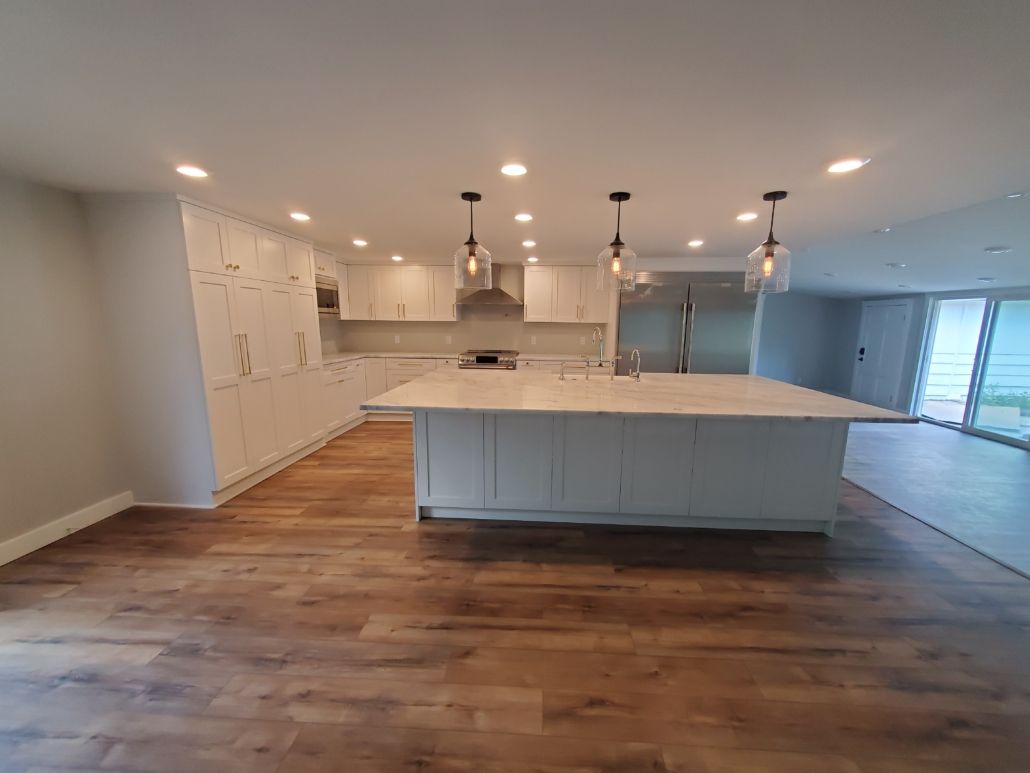
Water Damage Restoration Companies Near Me

Burst Pipes, Flooded Floors, Big Problems: Water Damage Restoration Companies Near Me

Water damage has a way of escalating from a minor inconvenience to a major home emergency in the blink of an eye. Whether it stems from a burst pipe in the dead of winter or an appliance failure while you are at work, the speed at which water spreads can feel overwhelming. Suddenly, the sanctuary of your home feels compromised, leaving you with soaked carpets, ruined drywall, and a growing fear of mold. It is a stressful situation that requires immediate, clear-headed action to minimize the long-term impact on your property.

When disaster strikes, the impulse is often to grab a mop and frantically search for “water damage restoration companies near me.” This search reflects both the urgency of the situation and the inherent risk involved. Homeowners need to know that help is available and that specific steps can be taken right now to protect the home. This guide explores the causes of water damage, the immediate actions required to mitigate loss, and how a professional water damage restoration company can help return your life to normal.

The First 24 Hours: A Crucial Timeline for Water Damage Control

Safety First: Electricity and Structural Integrity

Before rushing in to save personal belongings, take a moment to assess the safety of the environment. Water and electricity are a dangerous combination, so the power to the affected area must be shut off at the breaker box immediately if it can be reached safely. If the ceiling is sagging or the water level is high enough to hide potential hazards on the floor, entering the room might risk injury or structural collapse.

Stop the Source and Start the Drying

Once the area is deemed safe, the priority shifts to stopping the flow of water. Locate the main water shut-off valve for the home and turn it off to prevent further flooding, then begin the process of moving air through the space. Opening windows (if the weather permits) and setting up fans or dehumidifiers helps reduce the humidity levels right away, which is the first step in preventing moisture from settling into the walls and furniture.

Documentation for Insurance Success

Before the heavy cleanup begins, grab a camera or smartphone to document the scene thoroughly. Take clear photos and videos of the standing water, the source of the leak, and any damaged items, as this visual evidence will be vital when filing a claim. Creating a detailed list of impacted belongings now ensures that you have the necessary proof to support a fair settlement with the insurance provider later.


Water Damage Restoration Company

Water Damage Restoration Company

Beyond the Mop: Why Professional Restoration Matters

The Science of Water Migration

Water does not just sit on the surface; it actively seeks out dry materials and wicks into them like a sponge. Drywall, insulation, and subflooring can absorb significant amounts of moisture that remain hidden from the naked eye, creating pockets of dampness that DIY methods simply cannot reach.

Advanced Equipment vs. Household Tools

While shop vacs and box fans are helpful for minor spills, they lack the power required to extract deep-seated moisture from a flooding event. Professional water damage restoration teams utilize industrial-grade air movers and dehumidifiers capable of pulling gallons of water out of the air and structure daily.

Preventing Secondary Damage

Ignoring deep moisture often leads to secondary damage that appears weeks or even months after the initial spill. Wood floors may begin to warp or “cup,” drywall can lose its structural integrity, and metal fixtures might corrode. Professional extraction and thorough drying prevent these delayed reactions, saving homeowners from expensive structural repairs down the road.

Wheeler Painting & Restoration: Your Partner in Home Recovery

More Than Just Paint: Comprehensive Restoration

Wheeler Painting & Restoration Services offers far more than cosmetic fixes; the team provides a full spectrum of recovery solutions. From the initial emergency water extraction and drying to the final touches of repainting and remodeling, every step is handled with precision.

Transparency and Communication

A commitment to clear, straightforward explanations ensures that you never feel out of the loop regarding your own home. The restoration process can be complex, but Wheeler Painting & Restoration Services prioritizes transparency, breaking down the necessary work into understandable stages.

Restoring Comfort and Normalcy

The ultimate goal is not just fixing a building, but returning a safe, beautiful, and functional home to the family living in it. Disruptions to daily life are minimized as much as possible, with a focus on quality craftsmanship that makes the damage feel like a distant memory. Trusting a professional partner ensures that the sanctuary of the home is fully restored.

The Hidden Enemy: Detecting and Preventing Mold After Leaks

The Moisture-Mold Connection

Mold spores are always present in the air, but they require specific conditions—humidity, temperature, and organic material—to colonize and grow. After a water event, damp drywall or carpet provides the perfect food source, allowing mold to thrive within 24 to 48 hours.

Sensory Clues: Smell and Sight

Often, the first sign of a mold problem isn’t visual, but a distinctive, musty odor that persists even after cleaning. If you notice earthy smells or spot subtle discoloration on walls or ceilings, it likely indicates growth behind the paint or wallpaper.

Remediation vs. Cleaning

Simply wiping a mold patch with bleach is rarely enough to solve the problem, as it often leaves the root system intact within porous materials. Professional remediation involves containing the area to prevent spore spread, physically removing the contaminated materials, and treating the structure with antimicrobial agents.


Burst Pipes in Winter: Prevention and Immediate Fixes

Insulation and Temperature Management

Proactive steps like insulating exposed pipes in basements, attics, and crawl spaces create a barrier against freezing temperatures. Keeping the thermostat set to a consistent temperature day and night helps maintain circulation within the plumbing system.

The Warning Signs of Freezing

Recognizing the tell-tale signs of a frozen pipe can prevent a disaster before it happens. If water flow is reduced to a trickle or frost accumulates on the exterior of a visible pipe, it indicates a blockage is forming. catching these signs early allows for intervention before the pressure builds enough to rupture the metal or plastic.

Thawing Safely

If a pipe is frozen but has not yet burst, safe thawing methods include using a hair dryer, a portable space heater, or heat tape applied to the pipe. It is crucial to avoid open flames, which can damage the pipe or start a fire, and to work from the faucet back toward the frozen section. If you are unsure where the freeze is or cannot thaw it safely, calling a plumber immediately is the best course of action to avoid cracking the metal.


Water Damage Restoration

Water Damage Restoration

Flooring Salvage: Can My Hardwood and Carpet Be Saved?

The Hardwood Challenge: Cupping and Crowning

Hardwood reacts to water by expanding, often leading to “cupping” (edges raising) or “crowning” (center raising) as the wood absorbs moisture. However, specialized drying mats and controlled environments can sometimes draw the moisture out slowly, allowing the wood to settle back into place. If caught early enough, the floor may be salvaged with sanding and refinishing rather than total replacement.

Carpet and Pad: When to Toss and When to Clean

While the carpet fabric itself can often be professionally cleaned and sanitized, the padding underneath acts like a sponge for contaminants. In cases of significant flooding or “grey” water damage, the padding almost always needs to be replaced to prevent odors and bacterial growth. Professional cleaners can determine if the carpet can be disengaged, dried, and reinstalled over new padding.

Tile and Grout Vulnerabilities

Although tile surfaces are water-resistant, water can seep through grout lines or beneath the baseboards, loosening the adhesive. When moisture gets trapped in the subfloor, it can cause tiles to lift or crack over time. A professional assessment is needed to check if the subfloor is compromised, even if the tiles look fine on the surface.

Categorizing Water: Clean, Grey, and Black Water Explained

Category 1: Clean Water

Clean water originates from sanitary sources, such as a broken supply line, a leaking faucet, or rainwater entering through a roof leak. This type poses the least immediate health risk to occupants, but it must be addressed quickly. If left untreated for too long, clean water can degrade into a more dangerous category as it mixes with soil or building materials.

Category 2: Grey Water (Greywater)

Grey water contains significant contamination and has the potential to cause discomfort or sickness if consumed or contacted. This category typically includes discharge from dishwashers, washing machines, or toilet overflows containing urine but no feces. Handling this water requires care and protective gloves, as it carries detergents and biological matter.

Category 3: Black Water

Black water is grossly contaminated and can contain pathogenic, toxigenic, or other harmful agents. This includes sewage backups, seawater, rising floodwaters from rivers, or standing water that has begun to support microbial growth. Full protective gear and professional remediation are strictly required to ensure safety, as exposure can lead to serious illness.

Rebuilding After the Dry-Out: The Construction Phase

Assessing Structural Repairs

Once the drying process is complete, the team assesses which materials were too damaged to save and require replacement. This often involves installing new drywall, insulation, and framing to ensure the skeleton of the home is sound.

Opportunity for Upgrades

The reconstruction phase presents a unique silver lining: the chance to make desired changes to the home. Since construction is already underway, homeowners often choose to upgrade flooring materials, modernize fixtures, or change a room layout.

Choosing a Full-Service Contractor

Hiring a company that handles both mitigation and reconstruction streamlines the schedule and communication for the homeowner. Dealing with a single point of contact reduces the stress of coordinating between a drying company and a separate builder.

Big Problems Need Fast, Professional Solutions

Burst pipes and flooded floors create immediate chaos, but they don’t have to result in permanent ruin. The speed at which you react to water damage dictates how well your home recovers. By shutting off the water, prioritizing safety, and calling for help immediately, you take control of the situation.

Choosing the right water damage restoration company near you ensures that hidden moisture is found, mold is prevented, and your home is rebuilt to the highest standard. Professional restoration offers the peace of mind that comes from knowing your property is safe, dry, and secure. If you are facing a water emergency, don’t wait—reach out to a trusted expert today.

Wheeler Painting
https://maps.app.goo.gl/TkHPUUvsfohwTSm8A
1317 Central Ave S, Kent, WA 98032, United States
(253) 802-8656
https://wheelerpainting.com/