

Water Damage Repair Near Me
Water Damage Repair Near Me: How Experts Restore Homes After Floods and Leaks
Water damage poses a severe threat to any home, capable of compromising safety, structural integrity, and indoor air quality in a remarkably short time. Floods, leaks, or burst pipes do not just create a mess; they introduce moisture that can weaken building materials and create breeding grounds for mold and bacteria. If left unchecked, what starts as a wet floor can escalate into a major structural issue, making it essential to understand the risks involved.
Acting fast is the single most important factor in limiting long-term damage and repair costs. The longer water sits, the deeper it penetrates into walls, floors, and furniture, often turning minor repairs into major reconstruction projects. Immediate professional intervention halts this progression, saving valuable possessions and reducing the overall scope of restoration needed.
Homeowners reading this guide will gain a clear understanding of the full restoration process, from the initial assessment to the final touches. You will learn how water damage repair near me identify hidden moisture, the advanced techniques used for drying and dehumidification, and how expert finishing—like painting—ensures your home looks as good as new.
Understanding Water Damage in Residential Homes
Common Sources of Water Damage
Water damage rarely happens without a cause, and identifying the source is the first step toward a solution. Burst pipes often occur during freezing temperatures, while roof leaks can develop slowly over time due to wear and tear. Appliance failures, such as a malfunctioning dishwasher or washing machine, are frequent culprits, as are natural disasters like heavy rainfall and flooding.
Visible vs. Hidden Damage
While pooling water on the floor is obvious, much of the harm caused by leaks happens out of sight. Moisture easily seeps behind drywall, soaks into insulation, and travels under floorboards, creating hidden pockets of dampness that are difficult to detect without the right tools. This hidden damage is often more dangerous than visible water because it can persist for weeks or months, silently deteriorating building materials and creating an environment for mold growth.
Short-Term and Long-Term Effects
The effects of water exposure begin immediately but can worsen significantly over time if not addressed. In the short term, materials like wood and drywall absorb water, swelling and warping within hours. Long-term neglect leads to severe consequences such as structural weakening, electrical hazards from corroded wiring, and persistent mold infestations that pose health risks to your family.

Water Damage Restoration Service
Emergency Response and Initial Assessment
Rapid Inspection Process
When professionals arrive on the scene, a rapid inspection determines the scope of the problem. This involves identifying all affected areas, measuring moisture levels, and categorizing the type of water contamination involved—ranging from clean water to hazardous sewage.
Safety Precautions
Safety remains the top priority before any active restoration work begins. Technicians will typically shut off electricity to affected areas to prevent shock hazards and assess the structural stability of the home to ensure it is safe to enter. Preventing further exposure to contaminants is also critical, especially if the water source is unclean, requiring protective gear and containment measures to keep everyone safe.
Creating a Restoration Plan
Once the site is secure and assessed, a detailed restoration plan is developed. This step-by-step approach outlines the specific actions needed, tailored to the extent of the damage found during inspection. Whether the job requires simple drying or extensive reconstruction, having a clear plan ensures the process moves efficiently and transparently, keeping you informed at every stage of the recovery.
Water Removal and Moisture Control
Professional Water Extraction Methods
Effective restoration begins with physically removing as much water as possible using industrial-grade equipment. Powerful submersible pumps and truck-mounted vacuums are deployed to extract standing water quickly, drastically reducing drying time. Specialized equipment is also used to pull water from carpets and padding, ensuring that the bulk of the moisture is removed before secondary damage can occur.
Moisture Mapping Technology
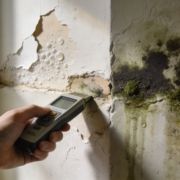
After surface water is removed, finding trapped moisture is essential for a complete repair. Technicians use advanced moisture mapping technology, including thermal imaging cameras and hygrometers, to detect water hidden inside walls, ceilings, and floors.
Preventing Secondary Damage
Stopping mold growth and material deterioration early is the primary goal of moisture control. By removing water and lowering humidity levels rapidly, the conditions that favor mold and rot are eliminated. This proactive approach prevents secondary damage—such as warping wood or crumbling drywall—ensuring that the repair water damage process focuses on restoration rather than dealing with new, avoidable issues.
Drying, Dehumidification, and Air Quality
Structural Drying Techniques
Structural drying involves more than just opening windows; it requires a scientific approach to removing moisture from building materials. High-velocity air movers are strategically placed to evaporate water from walls, subfloors, insulation, and framing. In some cases, specialized techniques like cavity drying allow air to circulate behind walls, ensuring that the structure is thoroughly dried from the inside out.
Humidity Management
Controlling moisture levels in the air is just as important as drying surfaces. Industrial dehumidifiers run continuously to pull evaporated moisture out of the air, maintaining a low-humidity environment that accelerates the drying process. This careful management prevents lingering dampness, which can otherwise re-absorb into porous materials and prolong the restoration timeline.
Air Filtration Systems
Improving indoor air quality is a crucial component of the restoration process, especially when contaminants or mold are concerns. Air scrubbers equipped with HEPA filters are often used to capture airborne particles, dust, and potential allergens stirred up during work.
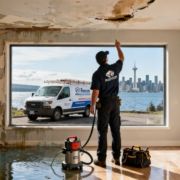
Water Damage Repairing
Repairs, Restoration, and Surface Recovery
Structural Repairs
Once the area is dry, the focus shifts to repairing the physical structure of the home. This often involves cutting out and replacing damaged drywall, installing new insulation, and repairing compromised flooring or subfloors. Carpenters and contractors work to restore the integrity of ceilings and trim, ensuring that the framework of your home is as solid as it was before the incident.
Material Replacement Decisions
Not every item affected by water can be saved, and making the right call on replacement is vital. Porous materials like carpet padding or soaked ceiling tiles are often discarded to prevent mold, while harder surfaces might be salvageable with proper treatment.
Restoring Functionality
The ultimate goal of water damage repair is to return your home to full functionality. This means verifying that electrical systems are safe, plumbing leaks are permanently fixed, and all structural elements are stable. It is about ensuring your home is safe, comfortable, and fully usable again, allowing you to return to your normal routine without worry.
Wheeler Painting and Final Restoration Touches
Seamless Paint Restoration
After the structural work is complete, painting is the key to making the damage disappear. Repainting water-damaged walls and ceilings requires skill to ensure a smooth, uniform finish that hides any signs of previous repairs. A fresh coat of paint not only improves aesthetics but also provides a psychological boost, signaling the end of the restoration journey.
Surface Preparation Expertise
Proper preparation is the secret to a lasting finish after water exposure. Surfaces must be thoroughly cleaned, dried, and primed with high-quality sealers and stain blockers to prevent old water stains from bleeding through the new paint. Expert preparation ensures that the topcoat adheres correctly and that the repairs remain invisible for years to come.
Blending Repairs with Existing Spaces
A successful restoration means you cannot tell where the damage occurred. Skilled painters and finishers focus on blending the repaired areas seamlessly with the rest of the home. Color matching and careful attention to texture ensure that the new work matches the existing walls and trim perfectly, restoring the visual harmony of your living space.
Preventing Future Water Damage
Identifying Vulnerable Areas
Prevention starts with knowing where your home is most vulnerable. Basements, crawl spaces, and attics are common trouble spots, as are areas around plumbing fixtures and appliances. Regularly checking roofing valleys and drainage systems can also reveal potential entry points for water, allowing you to address weaknesses before they turn into emergencies.
Maintenance and Inspection Tips
Routine checks are your best defense against future water issues. Simple tasks like cleaning gutters, inspecting hoses on washing machines, and testing sump pumps can prevent major failures. Establishing a seasonal maintenance schedule helps catch small problems early, significantly reducing the likelihood of needing emergency water damage repair near me in the future.
Upgrades for Protection
Investing in proactive upgrades provides an extra layer of security for your home. Waterproofing basements, installing leak detection systems with automatic shut-off valves, and using moisture-resistant materials in bathrooms and kitchens are smart moves.

Water Damage Restoration
Choosing the Right Water Damage Repair Experts
What to Look for in a Local Service
When searching for “water damage repairing,” experience and reliability are paramount. Look for a local service provider with a proven track record, modern equipment, and the ability to respond immediately to emergencies. A local presence ensures they can arrive quickly when time is of the essence, minimizing the extent of the damage.
Certifications and Professional Standards
Industry certifications indicate that a company adheres to high professional standards. Training from organizations like the IICRC (Institute of Inspection, Cleaning and Restoration Certification) ensures technicians are knowledgeable about the latest restoration techniques.
Customer Communication and Transparency
Clear communication is a hallmark of a trustworthy service provider. You deserve transparency regarding timelines, costs, and the expected outcome of the repairs. A professional company will provide detailed documentation and keep you informed throughout the process, ensuring there are no surprises and that your expectations are met or exceeded.
Restoring Your Home with Confidence
Navigating the aftermath of a flood or leak is challenging, but understanding the restoration process makes the path forward much clearer. From the initial emergency response and water extraction to the detailed structural repairs and final painting, every step is designed to return your home to a safe and comfortable state.
Professional help is essential not just for fixing the visible mess, but for protecting your home’s long-term value and structural integrity. Attempting to handle extensive moisture issues alone can lead to hidden damage and lingering health risks. Relying on experts ensures that moisture is completely eradicated and that repairs are built to last.
When you choose experienced professionals for water damage repairs—including finishing specialists like Wheeler Painting—you ensure a complete and efficient recovery. The right team will guide you through every phase, providing the expertise and reassurance needed to make your home feel like home again.
Wheeler Painting
https://maps.app.goo.gl/TkHPUUvsfohwTSm8A
1317 Central Ave S, Kent, WA 98032, United States
(253) 802-8656
https://wheelerpainting.com/



 “Like” us on Facebook!