Tag Archive for: bathroom remodel

Tub to Shower Conversions: Modernize Your Bath Safely

More and more, we're seeing property owners in the Greater Puget Sound area decide their old bathtub has overstayed its welcome. They're swapping them out for spacious, modern showers, and it's a smart move that goes far beyond just a style update. Here in our local communities, a slippery tub edge isn't just an inconvenience—it can be a daily hazard for families and commercial tenants alike.

Why Puget Sound Home & Business Owners Make the Switch

From Seattle to Tacoma, the standard bathtub-shower combo is quickly falling out of favor, making way for the much more practical walk-in shower. This isn't about chasing a trend; it's a direct response to how we live and work today. For many homeowners, business owners, and facilities managers, the bathtub is an underused fixture taking up valuable square footage that could be put to much better use.

A tub-to-shower conversion reclaims that wasted space, instantly making a cramped bathroom feel more open, functional, and inviting. As a trusted local provider, Wheeler Painting is here to help you understand the process and make an informed decision for your residential or commercial property.

Beyond the Bathtub: Top Reasons for the Upgrade

When property owners call us about this project, their reasons usually boil down to a few key benefits that dramatically improve their daily routine and property value.

  • Safety and Accessibility First: This is, without a doubt, the number one reason. Stepping over a high tub wall every single day is a genuine slip-and-fall risk, particularly for older adults, anyone with mobility challenges, or even just someone nursing a temporary injury. A low-threshold or zero-entry shower removes that barrier, making the bathroom a much safer space for everyone, from your family at home to employees and customers at your business.

  • A Fresh, Modern Look: Let’s face it, a dated, clunky bathtub can make an entire bathroom feel stuck in the past. A beautiful walk-in shower, especially one with sleek frameless glass and contemporary tile, provides an immediate and dramatic update. It transforms the room from purely functional to a spa-like retreat you'll actually enjoy spending time in.

  • Less Time Cleaning: Nobody enjoys scrubbing a deep tub or fighting a losing battle with mildew in old grout lines. It's a chore. Thankfully, modern shower materials like solid surface panels and large-format tiles are specifically designed for easy maintenance, cutting your cleaning time way down—a huge benefit for both busy homeowners and commercial property managers.

To give you a clearer picture, here’s a quick summary of why so many local property owners are making this change.

Quick Look: Why Homeowners Make the Switch

Benefit Why It Matters for Puget Sound Properties Key Consideration
Enhanced Safety Our damp climate can increase slip risks; a low-entry shower provides a secure, daily solution for all ages. Perfect for anyone planning to "age in place" or for businesses needing ADA-compliant solutions.
Modern Aesthetics Updates the entire look and feel of your bathroom, moving away from dated fixtures to a clean, spa-like vibe. A great way to boost your home’s resale value or elevate the appeal of a commercial space.
Space Optimization Reclaims wasted square footage from an unused tub, making small Seattle bathrooms feel larger and more open. A walk-in shower can make a tight floor plan feel significantly more spacious and luxurious.
Easier Maintenance Modern, non-porous materials and fewer grout lines mean less scrubbing and fighting mildew. Choose materials like solid surface panels or large-format tiles to minimize cleaning chores.

This isn't just a project about looks; it's about making your property work better for you, right now and for years to come.

A Smart Move Backed by Real-World Numbers

This shift isn't just something we're noticing locally; it's part of a huge movement in property renovation. Tub-to-shower conversions are a major force in the bathroom fixture market, which was valued at a staggering $27.29 billion globally in 2025 and continues to climb. A big part of that growth is happening right here in North America.

It makes perfect sense. With 10,000 adults nationwide turning 65 every single day, the demand for safer, more accessible living solutions is exploding. If you’re curious about the bigger picture, you can explore more about these industry trends in the full market research report.

For most homeowners and property managers we talk to, the decision comes down to one simple question: "What will make my daily life better and my property more valuable?" A walk-in shower delivers convenience and safety that a traditional tub just can’t.

As a full-service residential and commercial contractor serving our local community, Wheeler Painting has seen this trend up close. The goal is always the same: create spaces that are both beautiful and incredibly functional. A tub-to-shower conversion is one of those rare projects that hits the mark on both fronts, offering immediate benefits and excellent long-term value. It’s simply a smart, practical upgrade that makes homes and businesses in our area better places to be.

A Step-by-Step Look at the Tub to Shower Conversion Process

Thinking about a major bathroom project can feel overwhelming. But a tub-to-shower conversion, when handled by an experienced residential or commercial contractor, is a very methodical and predictable process. Let's walk through each stage, from the first conversation to the final polish, so you know exactly what’s coming.

This whole journey usually starts with one of three main goals: making the bathroom safer, giving it a modern update, or simply creating more usable space.

A flowchart illustrating three key motives for tub to shower conversions: safety, modernizing, and space.

As you can see, the decision is almost always a practical one—a direct solution to a real-world need in your home or facility.

Step 1: Consultation and Design

Every great project starts with a good conversation. We'll come to your property to talk about what you want to achieve, take careful measurements, and get a feel for your vision. This is the time to lay it all out—whether your top priority is a safe, low-threshold entry for your home or an ADA-compliant solution for your office space.

From there, we’ll guide you through selecting materials that match your style and fit your budget. We'll look at shower pans, tile or wall surrounds, fixtures, and any custom features you have in mind, like a built-in bench or grab bars. Afterwards, you'll get a detailed proposal that clearly outlines the scope of work, timeline, and costs, so there are absolutely no surprises down the road.

Step 2: Demolition and Preparation

With a solid plan in place, the real work begins. The first priority is always protecting your property. Our crew will lay down floor protection and seal off the bathroom to keep dust and debris contained. Then, we get to work carefully taking out the old tub and any surrounding walls or tile.

Once the old tub is gone, we can truly see what we're working with. We'll inspect the existing plumbing and the condition of the subfloor to prepare for the new shower installation.

Demolition is more than just tearing things out; it's a phase of discovery. This is our chance to see what's behind the walls and under the floor, confirming we have a solid, problem-free foundation to build on.

Step 3: Plumbing and Waterproofing

This is arguably the most important stage for the long-term health of your bathroom. Our licensed plumber will reconfigure the drain and water supply lines for the new shower. This might mean moving the controls to a more convenient spot or raising the height of the showerhead.

Next comes the single most critical step: waterproofing. Here in our damp climate, proper waterproofing is non-negotiable. We install a comprehensive, multi-layered system, including a waterproof membrane on the walls and a sealed, pre-sloped shower pan. This creates a completely sealed-off "boat" that protects your property’s structure from water damage and mold. Cutting corners here is a recipe for disaster and very expensive repairs later on.

Step 4: Installation and Finishing Touches

Now that all the crucial behind-the-scenes work is done, you'll start to see the beautiful new shower take shape. The team will begin installing all the components you selected.

  • Shower Pan: The foundation of your shower is set perfectly level, ensuring every drop of water heads straight for the drain.
  • Walls and Tile: Your new tile or solid surface panels are installed over the fully waterproofed walls. Every seam is meticulously grouted and sealed for a watertight finish.
  • Fixtures and Glass: The showerhead, control valve, and any other hardware are installed. If your design includes a glass door or panel, it’s professionally fitted at this stage.

Finally, we handle all the finishing touches that bring the room together. The Wheeler Painting team will patch any drywall, then prime and paint to make the new shower look like it was always there. We finish with a final bead of caulk and a thorough cleanup, followed by a final walkthrough with you to ensure you’re 100% happy with your new shower.

Budgeting Your Tub to Shower Conversion in Our Area

Let’s get right to it—the money. For any of us living and working in the Puget Sound region, figuring out the budget is the first real step in any property improvement project. Converting that old tub into a new shower is a fantastic investment in your property’s value and daily life, but the final bill can land anywhere on a pretty broad spectrum.

The total cost really hinges on your vision. Are you looking for a quick and clean swap, or are you dreaming of a fully custom, spa-like walk-in shower? The answer will depend on the materials you choose, how much plumbing needs to be moved around, and what other touch-ups, like new drywall or paint, are part of the job.

Understanding the Cost Spectrum

Think of it this way: a basic conversion using a standard-sized acrylic or fiberglass unit is going to be your most straightforward, budget-friendly option. On the other hand, if you’re picturing a custom-tiled masterpiece with frameless glass and high-end fixtures for your home or retail build-out, you’re looking at a larger, more involved project with a higher price tag.

This isn't just a local trend; it's a huge shift in how people want their properties to function. The bathroom remodeling market, where tub to shower conversions are a major component, is set to hit USD 398.1 billion in 2024. Here in Western Washington, that translates to a typical cost starting around $3,000 for a basic switch. That number can easily climb to $15,000 or more for high-end custom work. If you're a numbers person, you can discover more insights about bathroom remodeling trends from this industry report.

Key Factors That Drive Your Project's Cost

So, what separates a $3,000 project from a $15,000 one? It all comes down to the materials, the amount of labor involved, and the overall complexity. Let's break down where the money goes so you can plan effectively for your residential or commercial renovation.

  • Shower System Type: The most direct route is a pre-fabricated shower kit, usually made of acrylic or fiberglass. They are efficient to install. A custom-tiled shower, however, gives you complete creative freedom but takes a lot more skilled labor for building the pan, applying layers of waterproofing, and meticulously setting the tile.

  • Materials and Fixtures: The tile itself—whether it's affordable ceramic, durable porcelain, or luxury natural stone—is a major cost factor. The same goes for the "jewelry" of the shower: the showerhead, valve, and handles. A simple, functional fixture set costs far less than a thermostatic valve system with a rainfall showerhead.

  • Plumbing and Electrical Work: If we can place the new shower drain exactly where the old tub drain was, we keep the plumbing costs down. But if you want to move the drain, shift the water lines to a different wall, or add fancy new lighting for your office space renovation, that will increase the labor and materials needed.

  • Waterproofing: This is the one area where you absolutely cannot cut corners. Proper, professional waterproofing is the single most important step to prevent leaks, rot, and mold down the road. Trying to save a few hundred dollars here can easily lead to tens of thousands in structural repairs later. It’s a classic "ounce of prevention" scenario.

A quick word of caution: while a DIY approach looks like a great way to save money, it’s a huge gamble. We've seen firsthand how improper waterproofing leads to devastating hidden water damage. Hiring a licensed, insured residential or commercial contractor near you protects your property and your investment.

To give you a clearer picture of how these choices add up, we've put together a table showing typical cost ranges for different parts of the project.

Estimated Cost Breakdown for Conversion Projects

This table helps illustrate how different choices and materials contribute to the final cost.

Cost Factor Budget-Friendly Range ($) Mid-Range and Custom ($) What Drives the Cost
Shower System $1,500 – $4,000 $4,000 – $10,000+ Prefabricated acrylic kits vs. custom tile, pan, and waterproofing labor.
Plumbing Work $500 – $1,500 $1,500 – $3,500+ Using existing plumbing vs. relocating drains or supply lines.
Fixtures & Glass $400 – $1,200 $1,200 – $5,000+ Standard fixtures and a curtain rod vs. designer faucets and frameless glass doors.
Finishing Work $300 – $800 $800 – $2,000+ Minimal drywall patching vs. extensive wall repair, texturing, and professional painting.

As you can see, your decisions directly shape the budget. The good news is that this flexibility allows you to design a project that fits both your aesthetic and your wallet.

At the end of the day, a tub to shower conversion is a smart, practical upgrade that adds real safety, style, and value to your property. By understanding these cost factors, you can make confident, informed decisions. A professional partner like Wheeler Painting will always provide a detailed, transparent estimate, so you know exactly where every dollar is going before any work begins.

Designing for Safety, Accessibility, and Modern Style

When you decide to convert your tub into a shower, you’re doing more than just a simple bathroom update. This is your opportunity to completely rethink the space, creating a bathroom that’s not only stylish but also perfectly adapted to your life and business needs, both now and in the future. It’s about blending smart, essential safety features with the modern design you’ve always wanted.

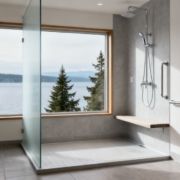
A modern accessible shower with grey tiles, grab bars, a built-in bench, and a rain showerhead.

For many local homeowners and facilities managers, this project is far more than cosmetic—it’s a critical step toward ensuring people can use the space safely and independently for years to come.

Prioritizing Safety and Aging-in-Place

Honestly, the biggest reason we see for tub-to-shower conversions is safety. This is especially true for homeowners who are planning to age in place or businesses looking to improve accessibility. With 76 million Americans set to be over 50 by 2030, the demand for barrier-free bathrooms is skyrocketing. People want to maintain their independence, and a safe bathroom is non-negotiable.

When you consider that over 60% of homes in the U.S. are more than 30 years old, it’s no wonder so many are finally ditching those bulky, high-sided tubs. You can read more about the bathroom remodeling market's growth to see just how big this trend has become.

A few key features are what truly make a walk-in shower a safer, more comfortable space for everyone:

  • Zero-Threshold Entry: A curbless or very low-curb shower pan gets rid of that high tub wall, which is one of the most common trip hazards. This seamless entry is a game-changer for anyone with mobility concerns and essential for ADA compliance in commercial renovations.
  • Built-in Bench or Seating: Adding a built-in or fold-down seat gives you a stable, comfortable spot to sit while showering. It reduces fatigue and dramatically lowers the risk of a slip or fall.
  • Strategically Placed Grab Bars: Forget the institutional-looking bars of the past. Today’s grab bars are stylish and functional. When we install them into reinforced wall blocking, they provide solid, reliable support right where you need it.
  • Handheld Showerhead: An adjustable handheld sprayer on a slide bar is incredibly practical. It allows you to direct the water exactly where you need it, whether you’re standing or sitting.

When you bring these elements together, you're not just remodeling a bathroom; you're creating a safe harbor. It’s less about preventing falls and more about providing genuine peace of mind and preserving dignity for every person using the space.

Embracing Modern Shower Styles and Trends

While safety is the foundation, your new shower is also a chance to seriously upgrade your bathroom's look and feel. Modern shower design has moved far beyond cramped, utilitarian stalls. We’re now creating open, spa-like retreats that become the true centerpiece of the room, whether in a private home or an upscale commercial facility.

For a deeper look at blending safety and style, you can learn more about designing a handicap-accessible shower in our detailed guide.

Here are a few of the most popular trends we’re incorporating into our projects right now:

  • Frameless Glass Enclosures: Using heavy, frameless glass doors and panels makes the whole bathroom feel bigger, brighter, and more open. It’s a clean, sophisticated look that gets rid of the visual clutter of old metal frames.
  • Luxurious Showerheads: A ceiling-mounted rain showerhead, invigorating body jets, or a thermostatic valve that keeps the water temperature perfectly consistent can turn a daily routine into a high-end spa experience.
  • Custom Niches and Storage: We love building tiled niches directly into the shower walls. They offer elegant, out-of-the-way storage for shampoos and soaps, eliminating the need for those clumsy shower caddies.
  • Large-Format Tiles: Big tiles on the walls and floor mean far fewer grout lines to scrub. This not only makes cleaning easier but also creates a seamless, expansive look that feels incredibly clean and modern.

Here at Wheeler Painting, we are a local residential and commercial contractor that specializes in helping property owners find that perfect balance between long-term safety and beautiful design. A tub-to-shower conversion is a smart investment that pays you back every single day in comfort, confidence, and lasting property value.

Waterproofing and Ventilation for Puget Sound Bathrooms

Here in the Pacific Northwest, we know a thing or two about rain. So when you're inviting more water inside your property with a new shower, managing it properly isn't just a good idea—it's everything. The long-term health of your home or commercial building hinges on two things that are easy to overlook: rock-solid waterproofing and smart ventilation.

Detailed cutaway of a shower's construction layers, including cement board, waterproof membrane, tile, shower pan, drain, and exhaust fan.

I always tell my clients to think of their shower as a small boat built right inside their bathroom. Every single seam, corner, and screw hole has to be perfectly sealed to keep water contained. Getting this wrong is one of the most expensive mistakes you can make, often leading to thousands in repairs from hidden rot, mold, and structural damage down the line.

The Layers of Protection Behind Your Tile

Behind the beautiful tile you see is where the real magic happens. This is the waterproofing system, and it’s far more than just a sheet of plastic. It’s a complete, integrated system designed to create a watertight basin from the ground up.

At Wheeler Painting, we are meticulous about this process. A bulletproof shower waterproofing system involves several key components working together:

  • A Flawless Shower Pan: This is the floor of your shower. We create a custom-sloped mortar bed or install a pre-formed pan that ensures every single drop of water is guided directly to the drain. The pan is then integrated with the drain assembly and sealed up the walls, forming the base of your "boat."
  • Continuous Waterproof Membranes: We go over the cement backer board with modern liquid-applied membranes or specialized fabric systems. This creates a seamless, monolithic barrier across the walls, covering every joint and screw head. Water simply can't get through it.
  • Expertly Sealed Details: The most vulnerable spots for leaks are always corners, seams, and built-in niches for shampoo bottles. These areas get extra layers of reinforcement and sealant to make them completely invulnerable.

Without this comprehensive system, water vapor can slowly work its way into your wall cavities, feeding mold and silently destroying your building's framing from the inside out. As a local commercial construction service, we've been called in to fix too many of these disasters; they are silent destroyers that a professional installation completely prevents.

Waterproofing isn't a product you buy off the shelf; it's a system that's meticulously built. A properly constructed shower has multiple layers of defense, so even if grout cracks years from now, your property's structure is still bone-dry and protected.

Clearing the Air: Why Ventilation is Non-Negotiable

Once the water is safely down the drain, you have to deal with the moisture left hanging in the air. A steamy, foggy bathroom isn't just annoying—it's the perfect breeding ground for mildew and peeling paint. In our damp local climate, a powerful exhaust fan is your single best defense.

It's not just about having a fan; it's about having the right fan for the size of your room, and making sure it's ducted properly to vent all that moisture straight outside—not into your attic.

What a Good Exhaust Fan Really Does

A high-quality fan does a lot more than just make a little noise. It actively pulls the warm, humid air out of your bathroom, and that simple action is critical.

  • It starves mold and mildew. By dropping the humidity level quickly after a shower, you remove the moisture that mold needs to grow on your grout, ceiling, and walls.
  • It protects your investment. Excess moisture wreaks havoc on finishes. It can make fresh paint fail, cause wood trim to warp, and even make wallpaper peel right off the wall.
  • It improves air quality. A dry bathroom is a healthier bathroom. Good ventilation reduces airborne spores and creates a much more pleasant space for family, employees, or customers.

A pro will calculate the right fan capacity for your room—measured in Cubic Feet per Minute (CFM)—to ensure it has the muscle to do the job right.

We take this stuff seriously because we've seen what happens when it's ignored. If you want to dive deeper into the technical side, you can learn more about our waterproofing solutions for wet rooms and see how we approach moisture management. At Wheeler Painting, we believe that proper waterproofing and ventilation are the foundation of a residential or commercial renovation that will look great and last for decades.

How to Hire the Right Local Remodeling Contractor

A tub-to-shower conversion is a significant investment, one that boosts your property's value and daily function. But honestly, the success of the whole project really comes down to the team you hire to build it. Choosing the right "residential contractor near me" or "commercial construction near me" isn't about chasing the lowest bid; it's about finding a genuine local partner who will protect your property, keep you in the loop, and deliver work they stand behind.

Here in our community, that means finding someone who truly gets the unique challenges of our climate, especially when it comes to waterproofing. A full-service contractor who handles everything—from the plumbing and framing to the final tile and paint—is your best bet for a seamless project with a single point of accountability.

Your Contractor Vetting Checklist

Before you sign on the dotted line, you’ve got to do your homework. Any contractor worth their salt will expect and welcome your questions, providing clear, straightforward answers. Use this checklist during your initial chats to make sure you're teaming up with a real pro.

  • Licensing and Insurance: The first thing you should ask is, "Are you licensed, bonded, and insured to work here?" Don't just take their word for it—ask for proof. Their license shows they meet state and local requirements, and insurance is what protects you from any liability if an accident happens on your property.

  • Specific Experience: Get right to the point: "How many tub to shower conversions have you actually done?" Ask to see a portfolio of their residential remodeling and commercial renovation work. This confirms they have hands-on, relevant experience with the specific plumbing, framing, and waterproofing challenges that come with these jobs.

  • Written Proposals: Never, ever move forward with just a verbal quote. A professional will give you a detailed written proposal that breaks down the entire scope of work, the specific materials they'll use, a project timeline, and a transparent payment schedule.

This kind of detailed paperwork protects both of you and makes sure everyone is on the same page from the get-go.

The Importance of Communication and Transparency

A great contractor does more than just the physical work; they communicate. From the first meeting to the final walkthrough, you should feel like you're being heard and kept informed. Look for a team that sets clear expectations about their daily work schedule, how they’ll manage dust and protect your property, and who your main point of contact will be.

A contractor’s willingness to answer your questions thoroughly and patiently is one of the best indicators of a successful project. If communication feels difficult before the job even starts, it will only get worse once demolition begins.

A trustworthy local partner will also be upfront about potential surprises. For example, they might explain that it's possible to find hidden water damage or old, failing plumbing once the old tub is out. A transparent contractor will talk about how they handle those "what-if" scenarios and even build contingencies into the estimate, minimizing the chance of sticker shock later.

For a more in-depth look at making the right hire, check out our guide on how to choose a general contractor.

At Wheeler Painting, we’ve built our reputation on trust and clear communication since 1991. Whether we're managing a complex commercial construction project or a residential tub to shower conversion, our goal is to make the process straightforward and stress-free for our clients in the community. We believe that providing detailed proposals and keeping an open line of communication is the only way to get your project done on time, on budget, and exactly how you envisioned it.

Answering Your Top Questions About Tub-to-Shower Conversions

It's smart to ask a lot of questions before you start a bathroom renovation. Here are the answers to the questions we hear most often from homeowners and business owners around the Puget Sound who are thinking about making the switch.

How Long Does a Tub to Shower Conversion Take?

Most of our tub-to-shower projects wrap up in 3 to 7 days. The exact timing really depends on the path you choose. If we're installing a beautiful pre-fabricated shower system, we can often hit the shorter end of that window.

A fully custom tile shower, on the other hand, might lean toward the longer end, especially if we need to move plumbing around. Either way, a professional contractor will give you a clear, day-by-day schedule so you know exactly what to expect and can plan around it.

Will This Project Hurt My Property's Resale Value?

We get this question all the time, and the answer is almost always a resounding "no." In fact, it usually does the opposite. As long as you have at least one other bathtub somewhere in the house, converting a secondary tub into a spacious, modern walk-in shower often increases your property's value.

In the current market, buyers and tenants are looking for updated, functional bathrooms. A well-done shower conversion can deliver a significant return on investment.

The real secret is balance. For a home, keep one bathtub for families with small kids, and upgrade the other bathroom to a sleek, accessible shower. That way, you appeal to the widest possible range of future buyers.

Can a New Shower Actually Fit in the Old Tub's Space?

Yes, absolutely. This is exactly what these conversions are designed for. Most tub to shower conversions are engineered to slot right into the alcove your old tub occupied.

A standard bathtub footprint is about 60 inches long and 30-32 inches wide, which is more than enough room for a comfortable, spacious shower. Sticking to this original layout is the key to making the project efficient and keeping costs down, as it avoids a full-scale bathroom redesign.

Is a Building Permit Required for This?

It really depends on the scope of the project. If we're just swapping out the tub for a shower stall and not touching the plumbing's location, you often don't need a permit.

However, the moment we start moving drains, adding new electrical for lighting, or touching any walls, a permit is almost always required. A reputable residential contractor or commercial construction firm will know the local codes inside and out and will manage the entire permitting process for you, ensuring everything is built to last and completely up to code.


Ready to see how a new shower could transform your bathroom? Whether it's a single residential project or a larger commercial upgrade, Wheeler Painting brings professionalism and quality craftsmanship to every job in our community. Schedule your free consultation with us today!

Your Guide to a Handicap Accessible Shower in Puget Sound

Imagine starting your day without having to navigate a single obstacle. That’s the real benefit of a handicap accessible shower—it's a space designed for genuine independence, safety, and comfort. For homeowners, business owners, and facilities managers in our community, it transforms what could be a challenging part of the daily routine into something smooth and worry-free.

What Makes a Shower Handicap Accessible?

A standard shower, with its high curb and slick floor, can be a daily hazard for many. A truly accessible shower, on the other hand, is all about smart design that puts safety and ease of use first. It’s about removing those physical barriers so that anyone, regardless of their mobility, can use the space comfortably and with confidence.

For anyone planning a project here in the Puget Sound area, whether for a home or a commercial facility, understanding what goes into one of these showers is the first step. This isn't just about ticking boxes on a compliance form; it’s about creating a fundamentally safer and more inclusive experience. The goal is to give people the confidence to bathe on their own, whether they use a walker, a wheelchair, or just need a bit more stability on their feet.

Key Principles of Accessible Design

When you break it down, a handicap accessible shower is built on a few core ideas. Think of them less as "features" and more as practical, reassuring solutions to common problems.

  • Zero-Barrier Entry: This is perhaps the most important element. A curbless or "zero-threshold" entry means there's no lip or step to navigate. A wheelchair can roll right in, and the risk of tripping is virtually eliminated for everyone.
  • Sufficient Space: An accessible shower needs to have enough room to move around. This means plenty of space for a wheelchair user to turn comfortably or for a caregiver to assist without feeling cramped, a key consideration for both residential and commercial renovations.
  • Support and Stability: Safety is everything. Grab bars installed in strategic locations provide crucial support for sitting, standing, and moving around. A built-in or fold-down shower bench also offers a secure place to rest.
  • Ease of Use: Every control needs to be within easy reach from a seated position. This simple consideration, from the faucet handles to the handheld showerhead, makes a massive difference in allowing someone to maintain their independence.

By focusing on these principles, a handicap accessible shower transforms from a medical necessity into a feature of universal design—one that adds value, style, and safety to any property. It's an investment in quality of life.

Whether you're planning a residential remodel, an office space renovation, or a retail build-out, these elements are the foundation of a successful project. Working with an experienced local provider like Wheeler Painting & Restoration Services ensures that every detail is handled correctly, resulting in a shower that is safe, durable, and looks great.

Choosing the Right Accessible Shower Type for Your Needs

Once you have a handle on what makes a shower "accessible," the next big decision is picking the right type for your space. This isn't a one-size-fits-all situation. The best choice comes down to the specific mobility needs of the user, both for today and for the years ahead.

Think of it like buying a car. A person who uses a wheelchair full-time needs the equivalent of a spacious van with a ramp. Someone else might just need a reliable sedan with top-notch safety features for extra peace of mind. Your shower choice should be just as personalized.

This decision tree can help you start visualizing which path makes the most sense for your project.

Decision tree flowchart guiding selection of standard, assisted, or roll-in accessible showers based on user needs.

The main takeaway here is clear: for anyone who uses a mobility aid or needs a bit of help, a true accessible shower with features like barrier-free entry and grab bars is always the safer, more functional choice.

To help you compare the most common options we install for local homeowners and businesses, here’s a quick breakdown of roll-in showers, transfer showers, and tub-to-shower conversions.

Accessible Shower Type Comparison

This table offers a side-by-side look at the three main types of accessible showers, helping you match their features to your specific requirements.

Shower Type Best For Key Feature Typical Threshold Height
Roll-In Shower Full-time wheelchair users or those planning to age in place Completely flat, no-barrier entry 0 inches
Transfer Shower Individuals who can stand and pivot from a walker or wheelchair Built-in bench or seat for seated bathing 0.5 inches or less
Tub-to-Shower Conversion Homeowners wanting to replace a hazardous high-sided tub with a safer shower Dramatically improves safety and accessibility Varies (can be 0 to 3 inches)

Each of these designs solves a unique set of challenges. A roll-in shower offers maximum independence for residential and commercial users alike, a transfer shower provides stable, seated bathing, and a conversion project is a fantastic safety upgrade for almost any home. Let's look at each one in more detail.

Roll-In Showers for Maximum Accessibility

A roll-in shower is exactly what it sounds like—a shower designed for a wheelchair to roll right in. It has a completely flat, zero-threshold entry, meaning there’s no curb, lip, or barrier to overcome. This seamless design is the gold standard for independent living and is a cornerstone of our residential and commercial construction services.

For commercial spaces in Western Washington like hotels, gyms, or office buildings, a roll-in shower is a must-have for serving all patrons. In a home, it’s the ideal solution for anyone who uses a wheelchair full-time or wants the ultimate "age-in-place" design.

We've found that a roll-in shower gives wheelchair users the most freedom, often allowing them to bathe with little to no help. The open, spacious design also makes it far easier for a caregiver to assist without being cramped.

The minimum ADA-recommended size for a roll-in shower is 60 inches wide by 30 inches deep. This provides enough room for a wheelchair to enter and for the user to safely transfer to a shower seat if needed.

Transfer Showers for Seated Safety

A transfer shower is built for someone who can stand up from a wheelchair or walker and pivot onto a shower seat. Unlike a roll-in shower, these can have a very low curb—typically no more than half an inch high. This minimal threshold is great for containing water while still being easy to step over.

These are a very popular choice for residential remodeling where a completely flat floor isn't necessary or practical. The star of the show here is the built-in bench.

  • Integrated Seating: A sturdy, built-in bench is much safer than a freestanding, wobbly shower chair.
  • Smaller Footprint: Transfer showers are versatile and can often be designed to fit in the same space as a standard bathtub or small shower stall.
  • Enhanced Stability: When you pair the bench with well-placed grab bars, users have the confidence they need to move securely from their walker or wheelchair to the seat.

For many homeowners we work with in the Puget Sound area, a transfer shower hits that perfect sweet spot between improved safety and a more conventional bathroom aesthetic.

Tub-to-Shower Conversions

One of our most common accessibility projects is the tub-to-shower conversion. It involves removing a high-sided, traditional bathtub and replacing it with a much safer low-threshold or roll-in shower. This single change is one of the most powerful ways to reduce the risk of bathroom falls, since stepping over a 15-inch tub wall is a major hazard for anyone with mobility challenges.

A tub-to-shower conversion is a full-scale safety upgrade. As local contractors, our team at Wheeler Painting & Restoration Services handles the entire process—from demolition and installing a properly waterproofed shower pan to finishing the walls and installing grab bars to code. It’s a renovation that immediately makes a home safer, more functional, and more valuable.

Must-Have Design and Safety Features for Your Accessible Shower

A well-lit, handicap-accessible shower stall featuring grab bars, a built-in seat, and a handheld shower.

The real magic of an accessible shower isn't just its open design; it’s in the details. After you've decided on a roll-in or transfer style, a handful of specific features come together to create a space that’s truly safe, comfortable, and empowering. These aren't just add-ons; they are the non-negotiable elements that turn a standard shower into a personal sanctuary of independence.

Understanding how each component works is crucial. For homeowners and facility managers here in the Puget Sound, getting these features right from the start ensures your renovation delivers genuine safety and lasting value. Let's walk through the essential components that make an accessible shower actually work.

Strategically Placed Grab Bars

If there’s one feature you can't skip, it's grab bars. They are the single most important safety element in an accessible bathroom, providing vital support for almost every move—from getting in and out of the shower to simply adjusting your position on a bench. Where you put them isn't a guessing game; it’s a science.

  • Horizontal Bars: These are your mainstays for support when pushing up to stand or lowering down to sit. They should run along the side and back walls.
  • Vertical Bars: Placing a vertical bar near the shower entrance gives a steadying handhold right when you need it most—when stepping over a small threshold or pivoting.
  • Diagonal Bars: While not as common, these can be a big help for anyone who needs extra leverage to pull themselves up from a seated position.

The Americans with Disabilities Act (ADA) gives us a clear guideline: install grab bars between 33 and 36 inches from the shower floor. This height makes them easy to reach whether you’re standing or sitting. And this is not a DIY job—they must be professionally anchored into wall studs to withstand at least 250 pounds of force.

A Comfortable and Secure Shower Bench

A shower bench is a game-changer. It offers a stable place to sit for anyone who struggles with standing for long periods, has balance concerns, or just wants a more relaxing shower experience. It completely eliminates the risk posed by those wobbly plastic chairs that can slip out from under you.

A built-in or professionally installed fold-down bench is always the safer, more reliable choice. It’s integrated directly into the shower’s structure and built to handle significant weight, providing a solid foundation for bathing with confidence.

Fold-down benches are especially practical in commercial settings or bathrooms used by multiple people. They simply tuck away when not needed, freeing up space. For a truly custom project, a tiled, built-in bench can be designed to perfectly match the rest of the shower, creating a seamless, high-end look.

A Flexible Handheld Showerhead

An adjustable handheld showerhead mounted on a sliding bar is another absolute must-have. It provides a level of control that a fixed, wall-mounted showerhead just can't offer.

This simple feature allows you or a caregiver to direct the water precisely where it’s needed, which is invaluable when seated on a bench. Being able to bring the water to you, rather than having to maneuver your body under a fixed stream, makes bathing far easier and more dignified.

Slip-Resistant Flooring and Waterproofing

It's no secret that a wet shower floor is a major fall hazard. That’s why your choice of flooring is one of the most critical safety decisions you'll make. Modern non-slip tiles feature textured surfaces that give you excellent grip, even when wet and soapy. For a seamless and incredibly durable alternative, specialized epoxy coatings create a continuous, slip-resistant, and completely waterproof surface ideal for both residential and commercial applications.

Proper waterproofing is the unsung hero of any great accessible shower. You can learn more about how our professional techniques create a fully protected space in our guide on complete waterproofing for wet rooms.

Demand for these features is growing fast. In fact, the global market for handicap bathroom accessories is expected to grow at a compound annual growth rate (CAGR) of 7.5% through 2033. For property owners in Western Washington, this trend highlights the importance of working with a contractor who truly understands these products. A feature like a curbless entry, for example, can improve access for 100% of wheelchair users while also dramatically cutting down on fall risks for everyone.

Navigating ADA Guidelines and Puget Sound Building Codes

Trying to make sense of renovation rules can feel like learning a new language, especially when you’re building a handicap accessible shower. You'll hear about the Americans with Disabilities Act (ADA) and a whole host of local Puget Sound building codes. It’s a lot to take in, but we’re here to translate it for you in simple terms.

At their core, these regulations aren’t about creating hurdles. They exist for one simple, vital reason: to guarantee that the shower is truly safe and usable for anyone, regardless of their mobility. The ADA provides the national standard, and it serves as an incredible blueprint for residential projects, too.

ADA as the Gold Standard for Safety

For public and commercial construction—think hotels, gyms, or office space renovations—the ADA lays out legally binding rules. If you're a business owner or facilities manager in Western Washington, complying with these standards isn't a suggestion; it's the law. These guidelines cover everything from the minimum size of the shower stall to the exact height of the water controls.

Now, for a private home, the story is a little different. Your residential remodeling project isn't legally required to follow ADA rules. But here’s our professional take: treating the ADA as your guide is the smartest move you can make. It’s the best way to build a shower that’s not just accessible today, but safe and functional for decades.

Think of the ADA as a best-practice manual that's been perfected over years with real-world safety data. While your home doesn't need official ADA certification, our commercial and residential contractors build to these standards because they represent the peak of safety and function. It ensures your investment delivers true accessibility, not just the appearance of it.

Following these principles means your remodel will meet the highest level of universal design, making your property significantly safer and adding long-term value.

Key Dimensions and Requirements

The technical details are where a project can get tricky, but understanding the basics helps you see why certain measurements are so important. These aren't just arbitrary numbers; they are the dimensions that make a shower work for someone with mobility challenges.

Here are a few of the most critical specifications we build into our projects:

  • Roll-In Shower Size: The interior needs a clear space of at least 60 inches wide by 30 inches deep. This gives a wheelchair user enough room to roll in, turn, and operate the shower controls comfortably.
  • Transfer Shower Size: These are designed for someone to slide from a wheelchair onto a built-in bench. They require a minimum interior of 36 inches by 36 inches.
  • Grab Bar Placement: Grab bars are non-negotiable for safety. They must be installed 33 to 36 inches from the shower floor and be strong enough to support at least 250 pounds of force. This height is the sweet spot for providing support whether you're standing or seated.
  • Shower Bench Height: For transfer showers, the bench height is crucial. It must be 17 to 19 inches from the floor, which lines up perfectly with the seat of a standard wheelchair and makes transferring much safer and easier.

You Don't Have to Be the Expert

Feeling a little overwhelmed by all these numbers? That's completely normal. The good news is that you don’t need to memorize a single building code or ADA chapter. That’s our job.

As your local residential or commercial contractor, a team like ours at Wheeler Painting & Restoration Services handles all the technicalities. We manage the entire process, from creating a compliant design to pulling the right permits for your specific city or county in the Puget Sound region. We make sure every grab bar is anchored correctly and every floor is sloped for perfect drainage.

Your role is to share your vision for a beautiful, functional bathroom. We’ll handle the rest, ensuring the final result is safe, compliant, and everything you hoped for.

How to Budget for Your Accessible Shower in Western Washington

Alright, let's talk about the dollars and cents. When you're planning for a handicap accessible shower, figuring out the budget is just as important as picking out the tile. For anyone managing a home or commercial property here in Western Washington, getting a handle on the costs early on makes the whole project go a lot smoother, with no surprises down the road.

It helps to think of this as more than just a remodel. You're making a long-term investment in safety and independence, and you're adding real, measurable value to your property. The final price can swing quite a bit, so let's break down exactly what goes into it.

Key Cost Drivers for Your Project

The final number on an estimate depends on the scope of work and the materials you land on. Thinking about these elements one by one will give you a much clearer picture of where your money is going.

  • Project Scope: Are we simply swapping a tub for a shower within the same footprint? That's your most straightforward and budget-friendly option. If you're looking to move walls, reroute a lot of plumbing, or expand the bathroom for a retail build-out or residential remodel, the complexity and cost will naturally increase.
  • Material Choices: This is where you have a ton of control over the budget. High-end porcelain or natural stone tiles will have a very different price tag than classic, clean ceramic options. Likewise, a custom solid-surface wall system will be priced differently than standard tile work.
  • Plumbing and Fixtures: The plumbing work is a major factor. If we can tie into the existing water lines and drains easily, costs stay down. But if we need to move a drain to create a true curbless entry or install premium thermostatic fixtures, that requires more labor and materials.
  • Permit and Inspection Fees: Any remodel in the Puget Sound area that touches plumbing or structural elements is going to require permits. These fees vary from one city to the next, but they're a non-negotiable part of making sure your project is built to code and is completely safe.

A professional proposal from a trusted local provider like Wheeler Painting & Restoration Services is essential. We provide a detailed, line-by-line breakdown of every cost, so you have complete transparency and confidence in your budget before work ever begins.

Seeing the Bigger Picture

It’s not just you—we’re seeing a huge increase in demand for these kinds of renovations. It's part of a bigger shift toward making homes and commercial spaces more inclusive for everyone. In fact, the market for inclusive bathroom products is projected to hit $10.19 billion by 2025 and could soar to over $35 billion by 2030. For property owners in Western Washington, that's a strong signal that investing in these upgrades is a smart move. You can explore more about this growing market and what it means for property values.

Since 1991, Wheeler Painting & Restoration has been on the front lines of these projects. We know how to expertly integrate the features that matter—from fold-down seats and adjustable showerheads to incredibly durable, slip-resistant epoxy-coated floors that will stand up to years of daily use. Whether it's for a private home or a commercial construction project, we make a complex process feel straightforward.

Your Project Roadmap with a Local Contractor

Couple reviews bathroom renovation blueprints, selecting tiles and fixtures for a handicap accessible shower.

Turning the vision of a safe, accessible shower into reality can feel overwhelming. But when you team up with an experienced local contractor here in the Puget Sound, that big project suddenly becomes a clear, manageable process. It’s not just about getting the job done; it’s about having a single, accountable partner who ensures clear communication and reliable timelines from start to finish.

A renovation shouldn't be chaotic. It should feel like a genuine collaboration, where your needs are heard and your vision is respected every step of the way.

The Initial Consultation and Needs Assessment

It all starts with a conversation. A project manager from a trusted local company like Wheeler will meet you right where the project is happening. This isn't just about taking measurements; it's about listening to you. We want to understand the daily challenges, the specific mobility needs, and what you hope to achieve with the new space.

This is the perfect time to ask all your questions and really define what a successful project looks like. Are you planning for a wheelchair user who needs a roll-in shower, or would a transfer shower with a sturdy bench be the right fit? We’ll help you sort through these crucial decisions.

Collaborative Design and Material Selection

Once we have a clear picture of your needs, the fun part begins: the design. We bring our technical know-how, you bring your style, and together we create a plan. We'll guide you through selecting materials that are not only beautiful but also built for safety and long-term durability.

  • Flooring: We’ll look at options like handsome, textured non-slip tile or even a seamless, high-grip epoxy coating.
  • Fixtures: We'll find the perfect handheld showerhead, easy-to-operate controls, and grab bars that blend style with solid, reliable support.
  • Wall Surrounds: You can explore everything from timeless tile to modern, grout-free solid surface panels that are a breeze to maintain.

Every choice we make together is aimed at creating a space that looks and feels completely cohesive. We aim to show that function and style can go hand-in-hand in any residential or commercial renovation.

The goal here is simple: to prove that a handicap accessible shower doesn't have to look clinical. With the right materials, we can build a space that feels like a spa while delivering absolute peace of mind.

Detailed Proposal and Timeline

After we’ve nailed down the design, you’ll get a comprehensive proposal. Think of this as the blueprint for your project. It will provide a transparent, line-by-line breakdown of all the costs and a realistic construction schedule.

No surprises, no guesswork. You'll know exactly what to expect and when, making it easy to plan your budget and your time.

Construction and Final Inspection

This is where the plans on paper become a reality. Our professional crew handles everything—demolition, plumbing, waterproofing, and all the finishing touches—with skill and respect for your home or business. We pride ourselves on working efficiently to minimize disruption.

The need for these types of projects is growing fast. The global market for bathroom and toilet assist devices is set to become a $4.88 billion industry in 2025 and is projected to hit $6.48 billion by 2030. Since 1991, Wheeler Painting & Restoration Services has been a trusted leader for Puget Sound homeowners and businesses, guiding them through the entire process to create results that are durable, compliant, and beautiful.

When the work is done, we’ll do a final, thorough walkthrough with you. We want to make sure every single detail meets your expectations and our own high standards. That’s our promise of a job well done.

A Few Common Questions We Hear About Accessible Showers

As you get closer to starting your project, you're bound to have some questions. That’s a good thing. Building a handicap accessible shower is a big step toward making your property safer and more independent, and you should feel confident about every decision.

Here are some of the questions we answer most often for homeowners and business owners around the Puget Sound.

How Long Does an Accessible Shower Installation Take?

This really depends on the scope of your project. For a straightforward tub-to-shower conversion where we’re working within the existing bathroom footprint, we can often have the job wrapped up in just 3-5 days.

If you're planning a more extensive custom remodel—maybe moving a wall, rerouting significant plumbing, or doing complex tile work for a residential or commercial renovation—you should plan for a timeline closer to 1-3 weeks. A trusted local contractor will always give you a detailed project schedule before a single tool comes out, so you know exactly what to expect.

Can an Accessible Shower Actually Look Modern and Stylish?

Absolutely. The days of institutional-looking, clinical accessible fixtures are long gone. Modern design has completely caught up, blending crucial safety features with high-end style. You don’t have to choose between a bathroom that works for you and one that you love to look at.

  • Sleek Drains: We can install elegant trench-style drains that create a completely seamless, spa-like floor.
  • Designer Grab Bars: Many of the best grab bars now double as towel racks or built-in shelving, making them a stylish and functional part of the design.
  • Beautiful Materials: You have an incredible selection of gorgeous, non-slip tile and solid surface materials to match any aesthetic you're going for.

A well-designed accessible shower can—and should—be a beautiful focal point in your bathroom.

Is a Permit Required for This Kind of Remodel in Washington?

In almost every case across Western Washington, the answer is yes. A permit is usually required for any project that involves changing the plumbing or modifying structural elements. This isn't just bureaucratic red tape; it's an essential safeguard. It ensures all the work meets current building codes, protecting your safety and your property's value.

As your residential or commercial contractor, we handle that entire permitting process from start to finish. Having the right partner makes all the difference, and you can learn more about how to choose a general contractor in our detailed guide.

What’s the Difference Between “ADA Compliant” and “Accessible”?

This is a great question, and it’s a source of a lot of confusion. Think of it this way:

“ADA compliant” refers to a strict set of legally enforceable standards. These are the rules that public and commercial buildings must follow for any commercial renovations or construction.

“Accessible” or “universal design” is what we talk about for private homes. It’s the practice of applying those same safety principles and dimensions to a residential remodeling project.

While your home shower isn’t legally required to meet ADA code, following those guidelines is the absolute best practice. It’s the gold standard we use to make sure your shower is as safe, comfortable, and easy to use as possible.


Ready to transform your bathroom into a safer, more beautiful, and truly accessible space? The team at Wheeler Painting & Restoration Services has been serving Puget Sound since 1991, delivering expert craftsmanship for residential and commercial projects. Contact us today for a straightforward consultation and a detailed, transparent proposal.