
Your Guide to Commercial Build Out Services
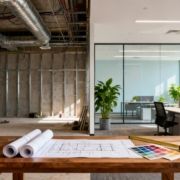
So, you’ve leased a new commercial space in Kent, WA. It’s exciting, but when you walk in, you’re greeted by four concrete walls, a bare floor, and maybe a few wires hanging from the ceiling. This is what we in the industry call a "shell." A commercial build-out is the process of transforming that empty shell into a space that’s ready for business. It’s the journey from a blank canvas to a fully functional office, storefront, or facility.
As a local business owner or facility manager, the process might feel overwhelming. That's where a trusted partner comes in. A build-out covers everything that happens between getting the keys and opening your doors—from putting up walls and installing plumbing to painting and laying down flooring.
What Is A Commercial Build Out?
Think of a commercial build-out as custom-tailoring a suit, but for your business. The empty commercial space is the raw fabric. It has potential, but it isn't functional yet. A build-out is the entire construction process that shapes that raw space into a finished environment designed specifically for your operations.
This isn't just a simple paint job or a minor renovation. It's a full-scale construction project inside an existing building, managed by a contractor who coordinates every detail. The goal is to create a space that not only looks great but also supports your workflow, reflects your brand, and meets all safety codes in your local area, whether it's Seattle or Tacoma.
From Empty Shell To Finished Space
The scope of every build-out is different, but they all involve turning a blank canvas into a fully functional facility. This could mean creating individual offices, a bustling kitchen, a sleek retail floor, or a high-tech medical clinic.
A professional contractor will manage a wide range of services to bring the vision to life, including:
- Interior Construction: Framing and erecting walls, installing ceilings, and building out the core floor plan.
- Systems Installation: All the essentials like HVAC (heating, ventilation, and air conditioning), electrical wiring, data cables, and plumbing.
- Flooring and Finishes: Laying your chosen flooring—be it tile, wood, or commercial-grade carpet—and handling all drywall, painting, and trim work.
- Fixtures and Cabinetry: Installing light fixtures, bathroom components, custom reception desks, shelving, and any other built-in elements.
This process is the backbone of the commercial real estate world. In fact, the global market for commercial buildings, which depends on these essential services, is projected to hit $1,990.53 billion in 2026. This growth reflects a huge demand for new and updated spaces, from e-commerce warehouses to modern offices.
At Wheeler Painting, we've been guiding businesses through this journey in Kent, Tacoma, and Seattle since 1991. As a local contractor, our job is to make the complex feel manageable. We handle the blueprints, permits, and construction, so you can stay focused on your business.
Whether you're launching a new restaurant, expanding your office, or opening a boutique, professional commercial construction services are what make sure your space is built right, on time, and ready for business from day one.
The Commercial Build Out Process From Start To Finish
Taking on a commercial build-out can feel overwhelming, but with a clear roadmap, the process becomes much more manageable. At Wheeler Painting, we've spent decades refining our approach for businesses across the Puget Sound region, so you feel confident from the first phone call right up to your grand opening. We break every project down into five distinct, manageable phases.
This structured journey takes a raw building shell or an outdated floor plan and turns it into a fully customized storefront, office, or facility ready for business.
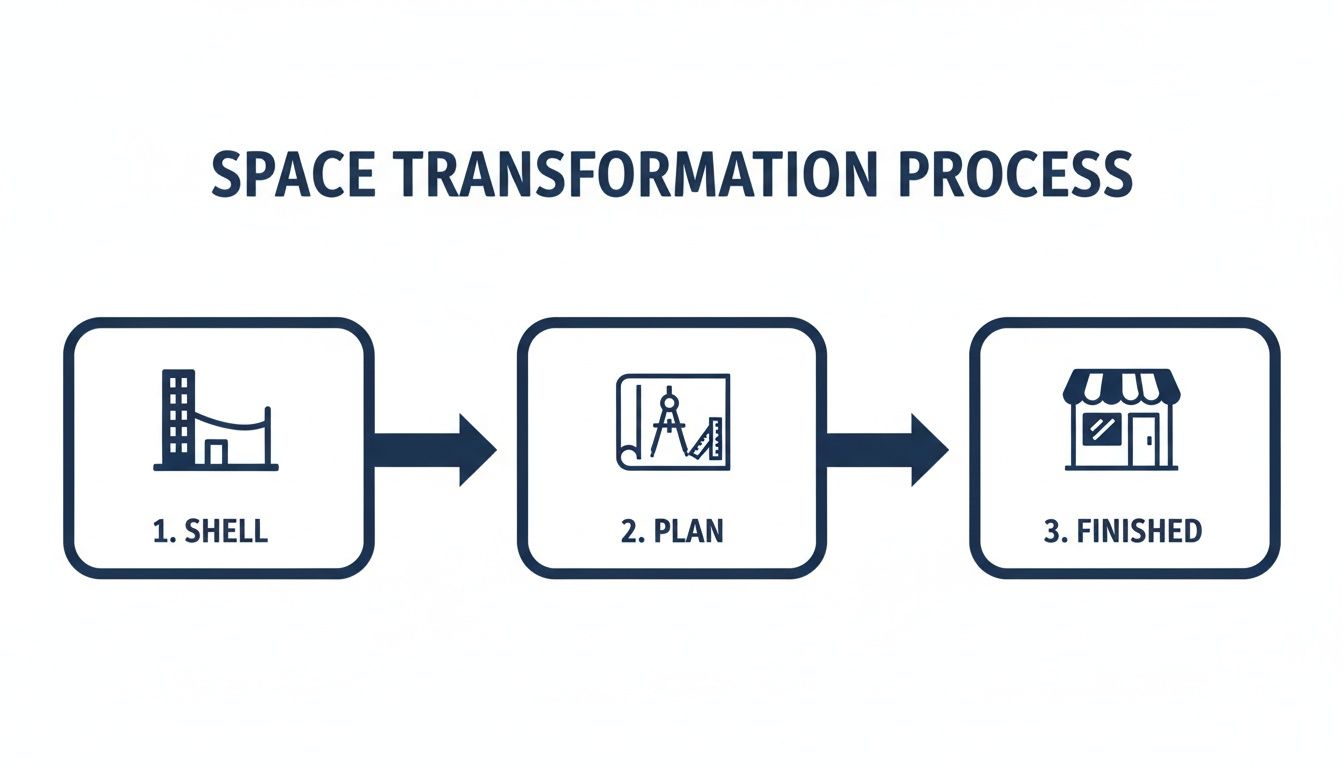
The image above gives you a bird's-eye view of how a build-out moves from a basic shell, through detailed planning, and finally to a polished, business-ready environment. It’s a simple illustration of our core promise: turning your vision into a functional reality.
Phase 1: Consultation and Design
Every great project starts with a simple conversation. During this initial phase, we sit down with you to truly understand your goals, day-to-day operational needs, brand identity, and budget. This goes beyond just aesthetics; it's about figuring out how the space needs to work for your team and your customers.
We’ll talk through everything—from the number of offices you need to the specific layout for a retail floor or the technical requirements of a commercial kitchen. Our team then translates those ideas into preliminary drawings and architectural plans. This collaborative design stage is all about making sure the final layout is perfectly aligned with your business objectives before a single hammer is swung.
Phase 2: Pre-Construction and Permitting
Once the design gets your stamp of approval, we shift into the critical pre-construction phase. This is where all the behind-the-scenes work happens that sets a project up for success. We perform a thorough site analysis, create a detailed project schedule, and lock in material selections.
A huge part of this stage is value engineering, where we comb through the plans to find smart ways to save money without sacrificing quality or the design you love. We also take on the complex process of securing building permits from local jurisdictions like Kent, Seattle, or Tacoma. Getting this paperwork handled correctly upfront is key to preventing costly delays later on.
Think of pre-construction as the foundation of your project. By locking in every detail and securing permits early, we eliminate surprises and create a clear path forward for the entire construction team.
Phase 3: Construction and Project Management
Now for the exciting part—this is where your vision starts to become a physical reality. Your dedicated project manager becomes your single point of contact, coordinating all the action on-site and keeping you in the loop every step of the way. We manage the construction process meticulously, ensuring everything follows the schedule and plans we agreed upon.
Key activities during this phase include:
- Demolition: Carefully removing any existing walls, finishes, or structures that aren't part of the new plan.
- Framing: Building the new interior walls that will define your offices, conference rooms, and other key areas.
- MEP Installation: Coordinating licensed plumbers, electricians, and HVAC technicians to install all the essential mechanical, electrical, and plumbing systems.
- Drywall and Painting: Hanging and finishing drywall to create smooth surfaces before our professional painters apply the final colors.
Our deep experience with the design-build project delivery method is a real asset here, ensuring seamless coordination between our design and construction teams for better efficiency and accountability.
Phase 4: Finishes and Fixtures
With the main construction work done, our focus shifts to the details that bring your brand’s personality and the space’s function to life. This is where your business's unique character really starts to shine through. Our skilled craftspeople work with absolute precision to install all the final elements.
The finishing stage typically involves:
- Flooring Installation: Laying everything from durable LVP and wood and tile floors to commercial-grade carpet.
- Custom Cabinetry and Millwork: Installing reception desks, breakroom cabinets, retail displays, and other custom-built features.
- Light and Plumbing Fixtures: Setting up all final lighting, faucets, sinks, and other essential hardware.
- Final Touches: Adding trim, hanging doors, and applying any specialty wallcoverings or finishes that complete the look.
Phase 5: Final Inspections and Handover
The project wraps up with a detailed walkthrough and the last round of inspections. We go over every inch of the build-out with you to create a "punch list"—a final list of any small items that need a touch-up. Our team addresses these points quickly to make sure the result meets our high standards, and more importantly, yours.
From there, we coordinate with city inspectors for final occupancy approval. Once all inspections are passed and you are 100% happy with the work, we officially hand over the keys. You're now ready to move in and prepare for your grand opening, confident that your new commercial space is built right and ready for business.
Build-Outs, Renovations, And Tenant Improvements Explained
In commercial construction, you’ll hear "build-out," "renovation," and "tenant improvement" thrown around, sometimes all in the same conversation. While they’re all related to transforming a commercial space, the differences matter. Getting the terms right helps you define your project's scope and communicate a clear vision to your commercial contractor near me.
It’s the first step toward a successful project, ensuring everyone is speaking the same language from day one.
The Build-Out: Creating Something From Nothing
A commercial build-out is exactly what it sounds like: building a finished interior from a completely raw, empty space. We usually start with what’s called a "grey shell"—basically just concrete floors, unfinished walls, and the main utility lines capped and waiting. From there, we build your business from scratch.
This is the most involved type of project. It’s a total transformation that includes:
- Framing all the new interior walls to create offices, conference rooms, and hallways.
- Installing brand-new HVAC, electrical, and plumbing systems from the ground up.
- Putting in insulation, drywall, and ceilings.
- Adding every last finish, from flooring and paint to light fixtures and cabinetry.
A great example is taking a vacant ground-floor unit in a new Seattle high-rise and turning it into a fully functioning coffee shop. This is where Wheeler Painting shines. We specialize in these smaller to mid-size commercial build out services that larger firms often pass on, giving your project the hands-on focus it needs.
The Renovation: Refreshing An Existing Space
A commercial renovation, on the other hand, breathes new life into a space that’s already been built out and occupied. The basic bones are there—walls, plumbing, and electrical are in place—but it’s time for an upgrade. The goal is to modernize, reconfigure, or rebrand the existing environment.
Renovation projects often involve a mix of demolition and new construction:
- Taking down a few non-structural walls to create a more open, collaborative office.
- Swapping out old lighting for modern, energy-efficient fixtures.
- Tearing out worn-out flooring and giving the whole interior a fresh coat of paint.
- Updating restrooms to meet current ADA standards.
Think of an outdated Tacoma office getting a complete facelift. We might add a custom breakroom, new paint, and sleek finishes to help a company attract top talent. This is a booming market; commercial renovation services are projected to jump from $1,598 million in 2026 to $2,621 million by 2032. It shows just how many businesses in Kent and across the region are investing in smart upgrades—a core specialty for our team. You can dive into the numbers in the latest market analysis.
Tenant Improvements: The Custom Fit
So, where do tenant improvements (TI) fit in? This is more of a catch-all term that describes any custom work a landlord does to prepare a space for a new tenant. It’s the critical step that makes a generic space perfect for a specific business.
A TI project can be a complete build-out (if the space is a raw shell) or a renovation (if the space just needs an update). The key difference is that the scope of work is defined by the lease agreement between the landlord and tenant, and it's often funded by a "TI allowance."
Whether your property needs a full build-out or a targeted renovation, Wheeler Painting is the perfect partner for facility managers and property owners in the Puget Sound area. As a nimble, focused firm, we provide the dedicated, hands-on service that these crucial facility maintenance projects demand.
Understanding The Costs Of A Commercial Build Out
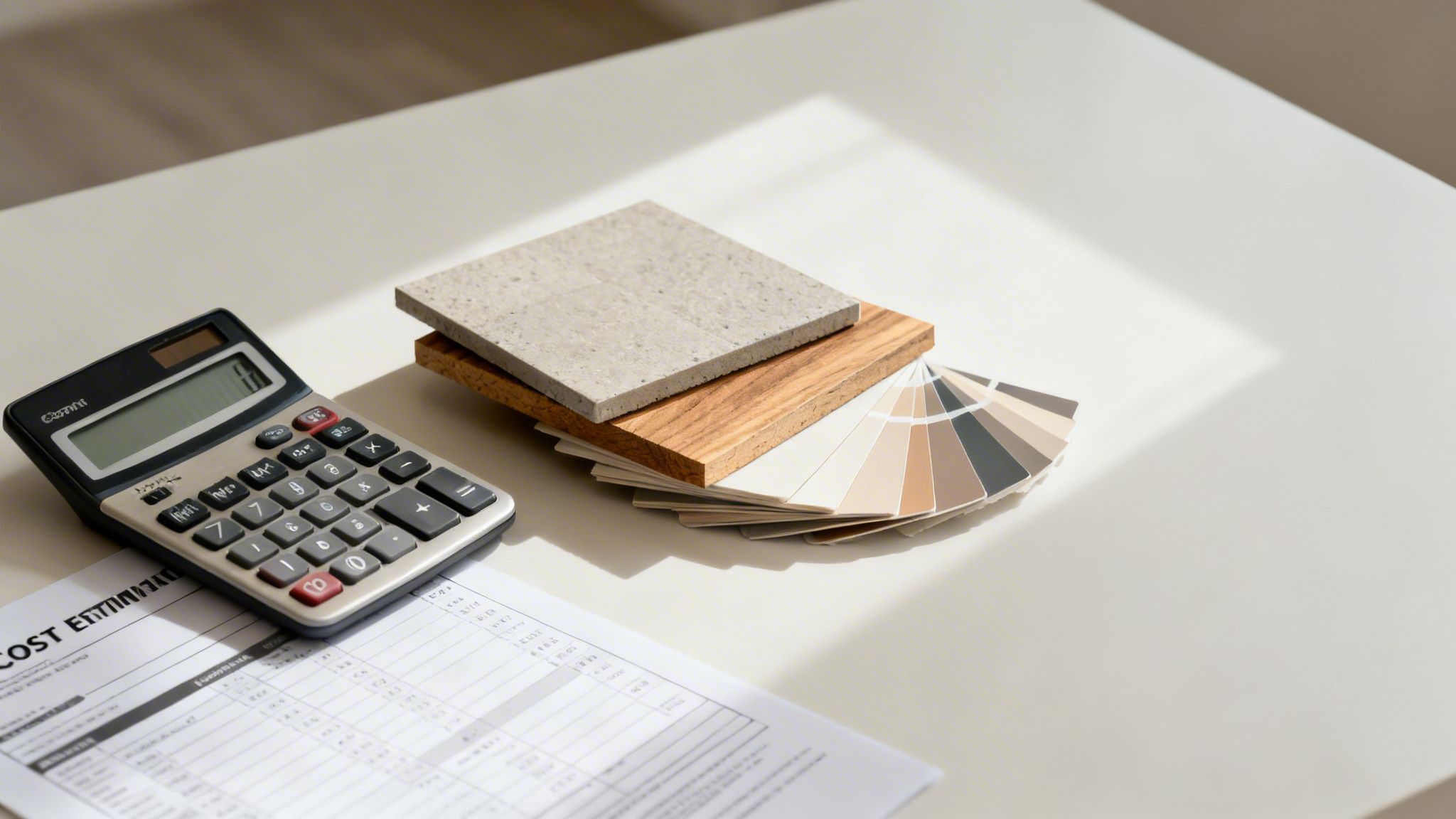
Let's get right to the question on every business owner's mind: "How much is this going to cost?" It's the most important question, and the answer isn't a single number. Think of your final project cost as a puzzle—it's made up of several distinct pieces that all fit together.
From the square footage of your new office to the specific type of lighting you choose for your retail store, every decision shapes the final budget. Our job is to give you a clear map of these costs so you know exactly where every dollar is going, right from the start.
Hard Costs: The Physical Build
The bulk of your budget will be dedicated to hard costs. These are the straightforward, tangible expenses you can see and touch—the actual materials and the skilled labor needed to put them all together.
Here’s what drives your hard costs:
- Size and Scope: It's simple math—a 10,000-square-foot office will require more materials and labor hours than a 2,000-square-foot cafe. Likewise, a project that starts with major demolition will naturally cost more than a simple cosmetic update.
- Quality of Materials: This is where your choices make a huge difference. High-end finishes like custom millwork, imported stone countertops, and designer light fixtures will carry a higher price tag than standard, builder-grade options.
- Labor: This covers the wages for the entire team of tradespeople bringing your vision to life—carpenters, electricians, plumbers, and painters. Labor rates can fluctuate based on the project's complexity and the current market in places like Seattle and Tacoma.
Another huge factor is the starting condition of the space. Are you leasing a "grey shell" (raw, unfinished space with concrete floors and exposed studs) or a "vanilla shell" (a space with ceilings, basic lighting, and primed walls already in place)? The former is a blank slate but requires a significantly larger investment to build out.
Soft Costs: The Behind-The-Scenes Expenses
Beyond the construction itself, you have soft costs. These are the essential, behind-the-scenes services and fees that make the project possible. They aren't as visible as new walls or flooring, but they are absolutely critical for a smooth, legal, and successful build out.
Think of soft costs as the project's brain and nervous system. They handle the planning, compliance, and legal framework that allows the physical construction to happen. Budgeting for them upfront prevents major headaches and delays down the road.
Common soft costs include:
- Architectural and Design Fees: The cost for a professional to create the blueprints and detailed plans that act as the roadmap for the entire project.
- Permit and Inspection Fees: Every city, from Kent to Tacoma, has its own schedule of fees for issuing building permits and conducting mandatory inspections.
- Engineering Fees: If your project involves changing the building's structure, or requires a complex new HVAC or electrical system, you'll need a specialized engineer's stamp of approval.
- Insurance and Legal Costs: These are non-negotiable protections for you, the property owner, and your contractor throughout the construction process.
A Transparent Approach To Your Budget
We've seen it all, and we know the best projects are the ones where everyone is on the same page financially. That’s why we provide detailed, itemized proposals that break down every single anticipated cost. No surprises, no guesswork—just a clear plan that empowers you to make smart decisions.
To help manage these details, we often rely on sophisticated tools like Exayard construction estimating software to ensure our projections are as accurate as possible from day one. This table breaks down the main factors that will influence your final budget.
Commercial Build Out Cost Influencers
| Cost Factor | Description | Impact on Budget |
|---|---|---|
| Space Condition | The state of the commercial space before work begins (e.g., grey shell vs. vanilla shell). | High |
| Material Quality | The selection of finishes, from flooring and lighting to fixtures and paint. | High |
| Project Scope | The extent of the work, from cosmetic updates to full-scale demolition and reconstruction. | High |
| Design Complexity | Intricate layouts, custom-built features, and unique architectural elements. | Medium |
| Location | Local labor rates, permit costs, and material availability in your specific city or region. | Medium |
| Permits & Fees | The costs associated with city permits, inspections, and engineering reviews. | Low to Medium |
Ultimately, a good contractor is a partner, not just a vendor. We actively practice value engineering, a process where we look for ways to reduce costs without sacrificing the quality or integrity of your design. This could mean suggesting an alternative material with a similar aesthetic for a lower price or re-working a construction sequence to be more efficient.
This collaborative approach ensures your vision comes to life on budget. To get a preliminary idea for your own planning, check out our easy-to-use commercial painting cost estimator and start building your budget today.
Navigating Permits And Building Codes In Washington
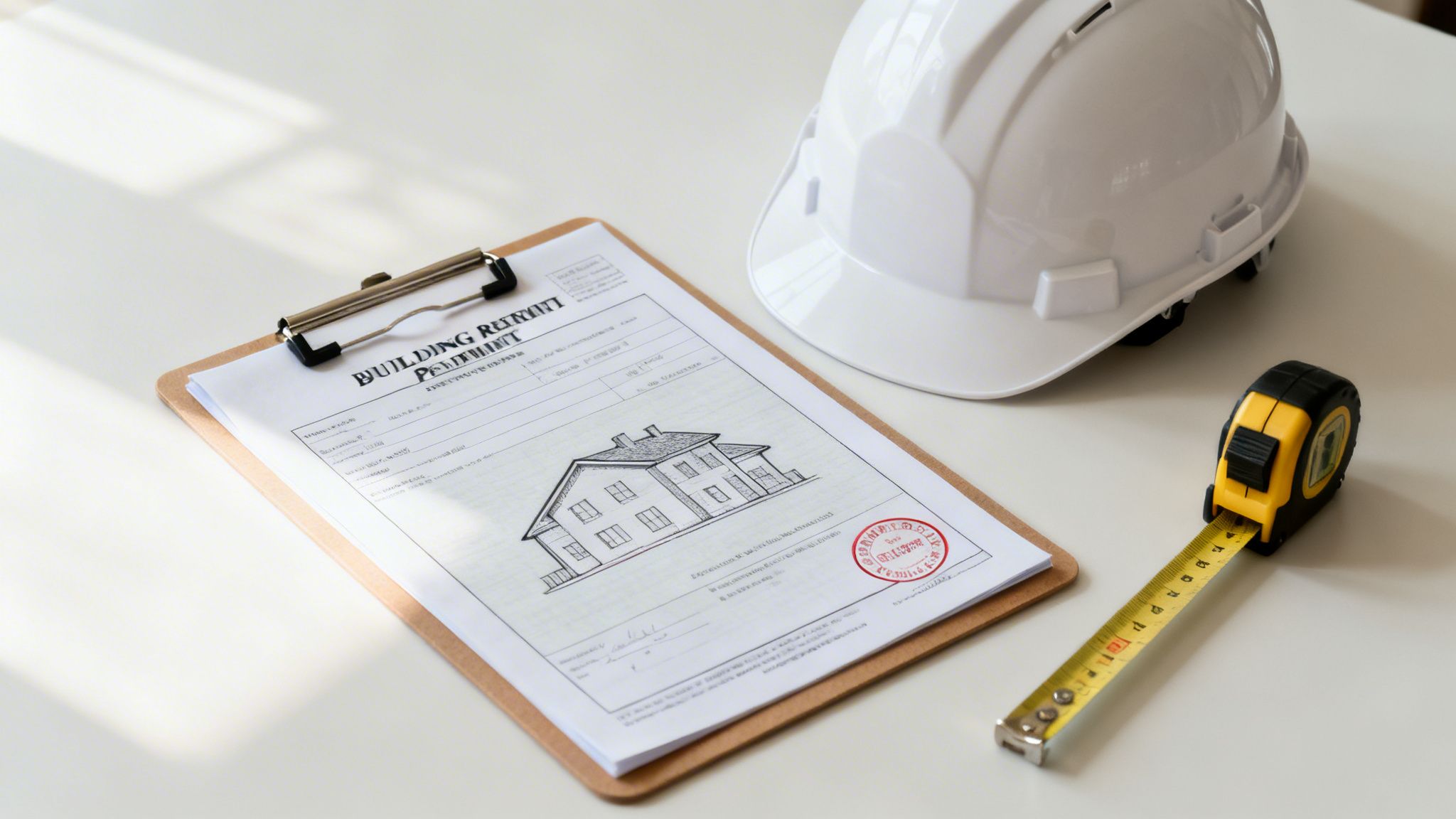
Let’s be honest—for most business owners, the maze of permits, codes, and inspections is the single most daunting part of a construction project. In Washington, especially, navigating the specific rules for cities like Seattle, Tacoma, or Kent can feel like a full-time job. Our job is to take that entire administrative headache off your plate so you can focus on your business.
Think of building codes not just as rules, but as a framework for protecting your investment. They ensure your space is safe for employees and customers, and that it’s built to last. Getting it wrong isn't an option. It can lead to failed inspections, expensive rework, and significant delays in opening your doors.
Ensuring Full Compliance And Safety
As your general contractor, our responsibility goes beyond the physical construction. We make sure your commercial build out services are 100% compliant with all local and federal regulations. We don’t just build to your vision; we build to code.
Having been a part of the Puget Sound construction scene since 1991, we've built real, working relationships with the permitting offices and inspectors in the region. This isn't just a talking point—it's a critical advantage. We know the people, we understand the nuances of each jurisdiction, and we know how to prepare documentation that gets approved without a hitch.
We bake compliance into the project from day one. Instead of reacting to inspection issues, we design the project around local codes and the Americans with Disabilities Act from the start. This proactive approach prevents costly surprises and ensures your space is built right the first time.
Integrating ADA Requirements Seamlessly
One of the most important layers of compliance is the Americans with Disabilities Act (ADA). This is about much more than putting a ramp out front. It's about ensuring your commercial space is genuinely accessible to everyone.
We weave ADA requirements into the core design of your space, considering details like:
- Accessible Entrances: Making sure doorways meet width standards and thresholds are low.
- Clear Pathways: Designing intuitive layouts that are easy to navigate for all.
- Compliant Restrooms: Building restrooms with the right clearances, grab bars, and fixture heights.
The Value Of Experienced Permit Management
Understanding the local commercial building permit requirements is step one. But successfully managing the process is what keeps your project on track and on budget. With the commercial services market projected to reach USD 10.32 trillion by 2030, avoiding permitting delays is more important than ever to stay competitive. You can read more about this market growth at Research and Markets.
Handing this over to an experienced team means you avoid the pitfalls that can derail a project. It's about getting you open for business on schedule, with the peace of mind that every "i" is dotted and every "t" is crossed.
Why Choose Wheeler Painting For Your Build Out Project
Picking the right contractor for your build out isn't just about hiring someone to put up walls—it's about finding a true partner you can trust with your vision and your investment. For business owners and facility managers across the Puget Sound, Wheeler Painting brings something different to the table: deep construction know-how combined with an expert's eye for painting and specialty finishes.
This unique blend means we manage your entire project under one roof, from the initial framing all the way to the final brushstroke. You get a single, accountable team dedicated to getting the job done right, eliminating the headaches of coordinating multiple contractors. We understand a build out can feel overwhelming, so we focus on clear communication and dependable craftsmanship to turn your goals into reality, on time and on budget.
Your Local Small-To-Mid-Size Project Specialist
Since 1991, Wheeler Painting has been a fixture in the local business community, helping companies in Kent, Seattle, and Tacoma transform their spaces. We intentionally focus on the small to mid-size projects that larger general contractors often pass over.
This specialization is our strength. It allows us to give your project the focused, personal attention it deserves. You’re not just another job number on a massive project board; you’re a valued partner, and your success is our priority.
We deliver on this promise with:
- Integrated Expertise: Our ability to merge construction work with high-end painting and finishing means you get a seamless, top-quality result without juggling different vendors.
- Transparent Communication: You can expect honest, frequent updates and straightforward proposals. We find that an informed client is a confident one.
- Proven Reliability: With decades of local experience, we have a long history of delivering on our word and completing projects as promised.
Choosing Wheeler Painting means choosing peace of mind. We take the guesswork out of the process, providing a clear path from concept to completion for your commercial build out services.
Experience the difference of working with a local team that’s genuinely invested in your business. Let us handle the complexities of your build out so you can stay focused on what you do best.
Common Questions About Commercial Build-Outs
When you're thinking about a commercial build-out, a lot of practical questions come to mind. It's only natural. Getting straight answers is the first step, so let's dive into some of the most common questions we hear from business owners across the Puget Sound.
How Long Does a Typical Commercial Build-Out Take?
This is the big one, and the honest answer is: it depends. A simple cosmetic refresh of an existing office space renovation might take as little as 4-6 weeks. But if we're starting from a completely empty shell for a new restaurant or retail store, you're more likely looking at 3-6 months, sometimes longer.
The real drivers of your timeline are the complexity of your design, lead times for specific materials (like custom millwork or specialty flooring), and frankly, how quickly we can move through permitting in your specific city, be it Seattle, Kent, or Tacoma. A big part of our job in the beginning is to map all this out into a detailed, realistic schedule so you know exactly what to expect.
What’s the Difference Between a "Vanilla Shell" and a "Grey Shell"?
Think of it like this: a "vanilla shell" is a blank canvas that's already been prepped for you. The space is nearly ready for business, usually with finished ceilings, primed walls, basic lighting and HVAC, and a restroom that's up to code. It’s a great starting point.
A "grey shell", on the other hand, is completely raw. You’re literally starting with bare concrete floors, uninsulated exterior walls, and just the basic utility hookups for plumbing and power. A grey shell build-out is a much bigger undertaking, but it also gives you total freedom to create a space from the ground up. We can help you walk any potential property in the Puget Sound area and give you a clear-eyed assessment of what it will take to get it ready for business.
Can We Stay Open During a Renovation?
In many cases, yes. Keeping your doors open while we work is definitely possible, but it requires smart, strategic phasing. We can map out a plan to tackle the project in contained sections or schedule the noisiest work for your off-hours to keep disruptions to your team and customers at an absolute minimum.
A phased renovation in an occupied space is all about control and safety. It means creating secure barriers between the work zone and your public areas. As a contractor that’s handled these complex projects for years, we’re experts at managing the logistics so you can keep running your business.
Who Pays for a Tenant Improvement Build-Out?
Who foots the bill is a critical part of any commercial lease negotiation. Most of the time, the landlord will offer a "Tenant Improvement Allowance" (or TI Allowance). This is a set amount of money, often calculated per square foot, that they contribute toward the construction.
If your dream space costs more than the allowance to build, you as the tenant are generally responsible for covering the difference. We’re used to working with both tenants and landlords across the Seattle-Tacoma metro to keep projects on budget and ensure every dollar is tracked with complete transparency.
Ready to take your vision from blueprint to reality? The team at Wheeler Painting has been the go-to partner for businesses throughout the Puget Sound since 1991. Let's talk about your project and show you how our deep experience in commercial build-outs can make the whole process a success.

 “Like” us on Facebook!