
How to Convert a Shower to a Bathtub: A Professional Guide
Swapping a stand-up shower for a bathtub is a popular home improvement project, but it’s more complex than a simple fixture exchange. At its core, the job involves removing the old shower, reconfiguring the plumbing to fit the new tub, and finishing with a fresh, waterproof surround. The primary phases are demolition, plumbing work, and meticulous waterproofing to ensure a lasting, beautiful result.
Should You Convert Your Shower Into a Bathtub?

Deciding to convert a shower into a tub is a significant choice for any homeowner. It's easy to feel overwhelmed by the decision, but the reasons for making this change are often very practical. Understanding the initial questions and the true scope of the project is the first step toward making a choice you’ll be happy with for years to come.
This isn't just a cosmetic update; it's a real investment in how you use and enjoy your home or property. The bathroom remodeling market reflects this, with projections showing massive growth from USD 412.8 billion in 2025 to USD 593.7 billion by 2035. People are placing more value on comfort and wellness, and turning an underused shower into a versatile tub is a perfect example of this trend.
Why Homeowners and Property Managers Make the Switch
The desire to convert a shower to a tub often comes down to a shift in needs or simply wanting a more relaxing, valuable space. As a local contractor serving the community, we see a few key motivators time and time again.
Growing Families: For homeowners, a bathtub is essential for bathing young children. It transforms bath time from a challenge in a stand-up shower into a simple, manageable routine.
Creating a Personal Retreat: After a long week, nothing beats a hot soak. Many homeowners and even tenants in commercial properties are looking to create a spa-like oasis to unwind and de-stress.
Boosting Property Value: If your home is the only one on the block without a tub, adding one can make it far more attractive to potential buyers, especially families. Having at least one bathtub is a huge selling point in the real estate market.
Before you get too deep into planning, ask yourself a critical question: Is this the only full bathroom in the house? Removing the only shower could complicate daily routines and potentially impact your home's value down the line. It's a factor that needs serious consideration.
Initial Questions to Answer
Before swinging a single hammer, you need to know if the project is feasible. Start with the basics. Do you have enough room for a standard tub? Most are 60 inches long, and stand-up showers are often built into smaller alcoves. You’ll need to measure carefully.
Next, think about your property's value. While adding a tub is usually a positive, removing the only walk-in shower in a home designed for accessibility could be a drawback for some buyers. Finally, be realistic about your budget and timeline. A professional conversion is a multi-day job involving plumbers, carpenters, and tile setters. Knowing the full scope helps set clear expectations from the start, whether for a residential home or a commercial renovation.
Nailing Down the Plan: Budget, Tubs, and Materials
Once you’ve decided to swap that standing shower for a proper bathtub, the planning phase begins. This is what separates a smooth, successful project from a series of headaches. A good plan isn't just about picking a tub you like; it’s about thinking through materials, understanding local costs, and making sure every choice works for your specific bathroom and budget. Let's walk through how we guide property owners to get these crucial details right.
Choosing the Right Bathtub Type
First, what kind of tub will you install? Your bathroom's layout is the biggest factor, but so is the style you're aiming for. In our experience with residential and commercial renovations, the choice almost always comes down to one of these three.
Alcove Tubs: This is the workhorse. An alcove tub is designed to fit neatly into a three-walled enclosure—often the exact space your old shower occupied. They’re practical, make waterproofing the walls straightforward, and the standard 60-inch length is a perfect fit for most conversions.
Freestanding Tubs: If you’re dreaming of a spa-like retreat, nothing makes a statement like a freestanding tub. They look incredible but demand more floor space. The plumbing is also more involved since the fixtures can't be mounted on the wall, which is something to factor into your budget.
Corner Tubs: If you have an unusual layout, a five-sided corner tub can be a brilliant way to maximize bathing space without consuming the whole room. We often see these in older homes or master suites with unique angles.
Selecting Your Bathtub Material
After you have a style in mind, it's time to think about the material. This decision is a balance of durability, feel, and cost. It’s no surprise the global bathtub market was valued at USD 11.91 billion in 2025; property owners have more high-quality options than ever. North America leads this trend, holding 36.51% of the global market share in 2025, showing how much we value these kinds of improvements. You can explore these bathtub market trends to see how new materials are changing the industry.
Here are the materials we install most often and what you can expect from them:
Acrylic: This is arguably the most popular choice today. It’s lightweight, available in many shapes, and its non-porous surface is easy to clean. It also retains heat well and resists chipping, making it a great all-around option.
Fiberglass: If the budget is tight, fiberglass is a common choice. It's the most affordable material and very lightweight, which can simplify installation. The downside is that it’s more prone to scratching and can feel less solid than heavier materials.
Cast Iron: The heavyweight champion. Coated in tough enamel, a cast iron tub can last a lifetime and holds heat better than any other material. But its durability comes with a major consideration: weight.
Pro Tip: Don't underestimate the weight of a cast iron tub. A standard model filled with water can easily top 1,000 pounds. Before we install one, our residential construction services team always inspects the subfloor. If there's any doubt, we reinforce the floor joists. It’s a critical step to prevent major structural problems down the line.
Creating a Realistic Local Budget
Now, let's talk numbers. Budgeting for a conversion in our service area means looking at the full picture, not just the price of the tub. Local labor rates and the age of local housing stock mean you must plan for both known and unknown costs.
A solid budget includes the tub and fixtures, professional labor, and a contingency fund for surprises.
Here’s a realistic cost breakdown for a project in our area:
| Cost Component | Typical Price Range | What It Covers |
|---|---|---|
| Materials | $500 – $3,000+ | The tub itself, fixtures (faucet, drain), your new tile or wall surround, and all behind-the-scenes plumbing and waterproofing supplies. |
| Professional Labor | $2,500 – $7,000+ | This covers skilled work: demo, plumbing updates, tub setting, carpentry, tiling or panel installation, drywall repair, and painting. |
| Potential Hidden Costs | $500 – $2,500+ | This is your contingency fund for issues we might uncover after opening the walls, like rotted subfloor, outdated plumbing, or mold that needs remediation. |
By thinking through these categories, you can create a budget that reflects the reality of your project, ensuring your conversion goes smoothly and results in a bathroom you’ll love.
Our Process for a Flawless Shower-to-Tub Conversion
With the plans in place, it's time for our team to get to work. Watching a cramped shower transform into a beautiful new bathtub is one of the most satisfying parts of our job. But achieving that result requires precision and expertise. Over the years, we've refined our process on countless residential and commercial projects, making sure every tub we install is built to last.
Here’s a look at how our professional team tackles a shower-to-tub conversion. It’s a detailed process where craftsmanship ensures the final result is beautiful, functional, and completely watertight.
Careful Demolition and Site Prep
The first step is always removing the old shower. This isn't about brute force; it's a careful deconstruction. We start by shutting off the main water supply and disconnecting the old fixtures. Then, we remove the shower surround piece by piece, whether it’s old tile or a fiberglass unit.
Our primary goal is to expose the wall studs and subfloor without damaging the surrounding drywall. This gives us a clean slate and, just as importantly, lets us inspect the bathroom's structure. It's common to find hidden moisture damage or mold—issues we can resolve now to prevent major headaches later.
Tackling the Plumbing: The Heart of the Conversion
Once the space is open, we address the most technical part of the job: the plumbing. A shower drain and a tub drain are in different locations. Getting this right is non-negotiable and truly defines the conversion.
Drain Relocation: Your shower drain is likely near the center, while the new tub’s drain will be at one end. To fix this, we cut into the subfloor, access the P-trap and drainpipe, and re-route everything to the new location. This is precision work that must meet local plumbing codes to ensure proper drainage and prevent leaks.
Water Supply Lines: The shower valve and head are set high on the wall. We lower the hot and cold supply lines to the correct height for the new combination tub and shower valve. This is also the perfect time to upgrade to a modern, pressure-balancing valve for enhanced safety and comfort.
A common DIY oversight is forgetting about the sheer weight of a new tub. A standard bathtub, once filled with water and a person, can easily weigh over 800 pounds. We always inspect the subfloor and add extra blocking between the floor joists to guarantee your floor can handle that load without shifting or sagging.
Framing and Subfloor Preparation
Before the new tub can go in, the subfloor must be perfect. We repair any damage found during demolition, paying close attention to the area around the old drain where water might have seeped in. We also ensure the floor is perfectly level. An unlevel tub is a significant problem—it won't drain correctly and can rock or creak.
Sometimes, we also need to adjust the wall framing. Alcove tubs require a snug, three-wall enclosure. Our carpenters will frame the opening to the exact size and install a solid ledger board along the back wall to support the tub’s rim.

As you can see, an alcove tub is a natural fit for most shower conversions, while freestanding and corner tubs offer more creative freedom if the layout allows.
Setting the Tub and Building the Surround
With all the prep work done, it's time for the main event: setting the new bathtub. We carefully move the tub into the framed alcove, check that it's level in every direction, and secure it directly to the wall studs. Many tubs sit best in a bed of mortar, which we use to create a rock-solid foundation that eliminates any chance of flexing.
Once the tub is anchored, we hook up the new drain and overflow, meticulously testing every connection to ensure it’s 100% watertight. The last major step is installing fresh waterproof backer board for the new surround. This is the foundation for your tile or wall panels and is your primary defense against moisture.
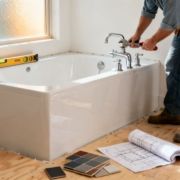
Seeing how these steps come together in a real project can make all the difference. Take a look at the photos from one of our recent bathroom remodel projects to get a better sense of the transformation. It’s a complex job, but one that is incredibly rewarding when done right by a trusted local provider.
Finishing Touches: From Waterproofing to Polished Fixtures

Once your new tub is set, the real transformation begins. This is where we shift from heavy construction to the fine details you'll see and appreciate every day—the tile, the fixtures, and the flawless paint job.
But what you don't see is even more important. Behind those beautiful finishes lies the most critical element of the entire project: waterproofing. Getting this right is what separates a bathroom that lasts for decades from one that fails in just a few years.
Choosing Your Tub Surround: Tile vs. Panels
The walls surrounding your tub need to look great while standing up to a constant barrage of water. Your two main choices are classic tile or modern solid panels.
Classic Tile: There's a reason tile has been a bathroom staple for centuries. It offers limitless design freedom, from simple subway patterns to complex mosaics. We typically recommend porcelain or ceramic for their durability and variety. The only real-world drawback is that grout lines need proper sealing and maintenance to stay fresh and free of mildew.
Waterproof Wall Panels: For a sleek, modern look with minimal upkeep, solid wall panels are a fantastic option. Made from materials like acrylic or solid surface composites, they create a seamless, grout-free wall that’s incredibly easy to clean. No grout means no scrubbing.
Our Take: This often comes down to personal style and your willingness to perform maintenance. Tile gives you total creative control, while panels offer a clean, "set it and forget it" alternative. We can show you samples of both to help you decide what works best for your home and lifestyle.
Why Waterproofing Is Non-Negotiable
Living in a damp climate means we understand how crucial it is to keep water out. Proper waterproofing isn't just a suggestion; it's the single most important part of ensuring your investment doesn't lead to hidden rot and mold damage.
This is much more than a simple bead of caulk. A truly durable bathroom requires a complete, multi-layered system. Before a single tile is set, we install a waterproof membrane over the cement backer board. This creates an unbroken barrier that stops water from ever reaching your home's wood framing. We've honed our expertise in these advanced waterproofing techniques for wet rooms because we know what it takes to build a bathroom that can handle constant humidity. Every corner, seam, and plumbing cutout is meticulously sealed to create a completely watertight shell.
Drywall Repair, Paint, and Final Details
A conversion project always leaves some marks on the surrounding drywall. A true professional doesn't just hang the tile and leave; our job isn't done until the room looks perfectly finished. We take the time to expertly patch, sand, and re-texture any damaged areas so the repairs are completely invisible.
Next comes paint. In a bathroom, the right paint is crucial. We always use high-quality, moisture-resistant paint, typically in a satin or semi-gloss finish. These sheens are formulated to inhibit mold and mildew and are far easier to wipe down.
Finally, we install the "jewelry" of the bathroom: the new fixtures. This includes the tub and shower faucet, drain assembly, and any new lighting. Whether you've chosen a striking matte black or a timeless polished chrome, these final touches pull the whole design together.
Projects like these are a smart investment. With the bathtub and shower industry reaching USD 27.29 billion in 2025 and continuing to grow, homeowners and commercial property managers are clearly prioritizing comfort and spa-like amenities. You can learn more about this growing demand by reading the latest bath fixtures market trends on archivemarketresearch.com.
Why Hire a Local Contractor for Your Renovation
While a DIY shower-to-bathtub conversion might seem appealing, this project is loaded with potential pitfalls. It involves serious plumbing, potential structural changes, and waterproofing that must be perfect. One misstep can lead to catastrophic and expensive damage.
This is why bringing in a trusted, local contractor is a smart move. At Wheeler Painting, we know a bathroom remodel can feel overwhelming, whether it’s for your home, a retail build-out, or an office space renovation. Our job is to make the entire process clear and manageable, handling every detail so you get a beautiful new bathroom built to last.
Navigating Local Codes and Permits
One of the biggest hurdles for any DIYer is the maze of local building codes. As soon as you alter plumbing drains or supply lines—the core of this project—a permit is required. An experienced local contractor like Wheeler Painting already knows the specific rules for your city and manages the entire permitting process for you.
We handle everything from submitting plans to scheduling inspections. This not only keeps your project compliant but also guarantees your new bathroom is safe. That protects you from surprise fines and issues when it comes time to sell your property.
Think of a professional contractor as your single point of accountability. Instead of you juggling a plumber, carpenter, and tile setter for your residential or commercial renovation, one team manages everything from demolition to the final coat of paint. It removes the stress from your shoulders.
The Value of Local Experience
Working with a contractor who understands the challenges of our local climate is invaluable. The constant dampness makes expert-level waterproofing non-negotiable. We’ve spent decades perfecting our techniques because we’ve been called in to fix too many jobs where a small leak turned into thousands of dollars in hidden mold and structural rot.
Our local experience also means we know the homes and commercial buildings here. We can anticipate the unique quirks of a historic building or a modern facility, spotting things like outdated plumbing or framing that needs reinforcement before it becomes a surprise delay. This foresight keeps a project on time and on budget.
Here’s what a local pro really brings to the table:
- Code Expertise: We know the specific plumbing and building codes for cities in our service area, ensuring your project sails through inspections.
- Climate-Proof Methods: Our waterproofing systems and material choices are specifically designed to handle regional humidity.
- Proven Local Suppliers: Our long-standing relationships with local suppliers often mean better pricing and quicker access to quality materials.
- Community Reputation: As a local business, our name is everything. We’re accountable to our neighbors and committed to craftsmanship you can depend on.
Choosing the right team is the single most important decision for your project's success. For more advice, check out our guide on how to choose a general contractor.
Ultimately, converting your shower into a bathtub is a major investment. Hiring an experienced local contractor like Wheeler Painting protects that investment, ensuring a smooth process and a beautiful result you will enjoy for years to come.
Common Questions About Shower-to-Bathtub Conversions
Even with a solid plan, a few questions always pop up before starting a big project like this. It's a major change for your bathroom, and you want to be sure about the details. We've heard just about every question from homeowners and facilities managers in our area, so let's clear up some of the most common ones.
Our job is to provide straight answers and make you feel completely comfortable with the process, whether you’re remodeling your own home or upgrading a commercial space.
How Long Does a Conversion Actually Take?
For a standard project, a professional crew can typically complete a shower-to-bathtub conversion in about four to seven days. This timeline covers everything from demolition and plumbing to setting the tub, waterproofing, tiling, and installing fixtures.
Of course, the schedule can sometimes extend. If we’re waiting on custom materials or discover unexpected issues like subfloor damage after opening the walls, it might add time. We always communicate openly about any potential delays as soon as we identify them.
Will Converting My Shower to a Tub Increase My Home's Value?
In most situations, absolutely. This is especially true in family-oriented neighborhoods. Having at least one bathtub is a huge selling point for buyers with kids. If your home currently has zero tubs, adding one can provide a healthy return on your investment.
From our decades of experience as a residential contractor, we’ve seen that a well-done conversion doesn't just add to your home's price tag. It adds real functional and aesthetic appeal that buyers notice immediately, making your home a much stronger contender on the market.
What Are the Biggest Mistakes to Avoid?
The most destructive and expensive mistakes almost always come down to two things: improper plumbing connections and failed waterproofing. A tiny, slow leak from a poorly sealed drain can silently cause thousands of dollars in rot to your subfloor and the ceiling below.
It’s a nightmare scenario, but we see it. The most common issues we're called to fix are:
- Poorly sealed drains: Leading to hidden leaks and structural rot.
- Failed waterproofing: Once moisture gets behind the tile surround, it creates a breeding ground for mold and decay that requires a massive, costly tear-out to fix.
Hiring a professional for your shower-to-bathtub conversion is the simplest way to ensure these risks are completely off the table.
Is a Permit Required for a Shower-to-Tub Conversion in Washington?
Yes. Nearly every jurisdiction requires a permit for this kind of work because it involves altering your property's plumbing. Anytime you're changing supply and drain lines, the city wants to know about it. Skipping this step can lead to fines and major headaches when you eventually sell.
As a licensed general contractor, we manage the entire permitting process for you. We ensure every part of the job—from the pipes in the wall to the final faucet—is inspected and fully up to local building codes, giving you total peace of mind.
Ready to transform your bathroom with a beautiful new tub? The team at Wheeler Painting has been serving homeowners and businesses in our community for over three decades, delivering dependable craftsmanship on every residential and commercial construction project. Let our local experts handle the complexities so you can enjoy a stress-free renovation and a stunning result.
Schedule your on-site consultation today at wheelerpainting.com

 “Like” us on Facebook!