
How to Plan a Kitchen Layout: A Practical Guide for Your Space
A kitchen layout that genuinely works for you isn’t about picking the cabinets or countertops first. It’s about something more fundamental: how you actually live and work in the space. Getting this part right from the start is the secret to a kitchen that’s not just beautiful, but a true joy to use every single day.
Building the Foundation for Your Kitchen Remodel
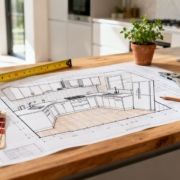
A truly great kitchen remodel begins with thoughtful preparation. Long before the first hammer swings, the most important work is done with a simple tape measure and a notebook. This is where you dig into what drives you crazy about your current kitchen and start dreaming up a space that actually serves you and your family.
Here in the Puget Sound, many of us are fighting the same battles—not enough counter space, appliances crammed into awkward corners, or a layout that just makes cooking feel like a chore. The first move in planning your new kitchen layout is to simply pay attention.
Define Your Kitchen’s Purpose
First things first: what is your kitchen’s real job? Is it a pure, utilitarian cooking zone, or is it the command center for your home where homework happens, guests mingle, and you sip your morning coffee? Knowing its primary role is crucial for deciding what features to prioritize.
- The Family Hub: If your kitchen is where everyone gathers, an island with seating or a seamless flow into the living room might be at the top of your list.
- The Chef’s Workspace: For those who love to cook, the focus shifts to generous counter space, maybe a second prep sink, and a smart, efficient path between the fridge, stove, and sink.
- The Multi-Purpose Room: Does it need to be an office, dining room, and kitchen all in one? If so, your design needs to create clear, distinct zones for each activity to keep things from feeling chaotic.
Your new layout should be a problem-solver, not just a style update. Seriously, make a list of every little thing that bugs you now. Is it the dishwasher door that blocks the main walkway when it’s open? The pantry you can barely reach into? That list is your new best friend—it’s the roadmap to a design that will make your life easier.
Before diving deep into design, it's helpful to answer a few foundational questions. This checklist can clarify your priorities and set a clear direction for your project.
Essential Kitchen Planning Checklist
| Planning Area | Key Questions to Consider | Why It Matters |
|---|---|---|
| Lifestyle & Use | How many people cook at once? Do you entertain often? Is it a spot for kids' homework? | This defines the need for multiple workstations, seating, and overall traffic flow. |
| Pain Points | What are the top 3 frustrations with your current kitchen layout? | Your new design's primary goal should be to eliminate these specific problems. |
| Appliance Needs | Are you dreaming of a larger fridge, a double oven, or a special wine cooler? | Appliance dimensions are fixed and dictate cabinet and counter layout from the start. |
| Storage Goals | Are you constantly running out of pantry space? Do you need better organization for pots/pans? | Answering this helps you plan for pull-out pantries, deep drawers, or other custom storage solutions. |
| Budget & Scope | What is your realistic budget? Are you moving walls or just replacing fixtures? | This sets the boundaries for what's possible and prevents costly surprises down the road. |
Thinking through these points gives you a solid brief to work from, whether you’re DIY-ing the design or bringing in a professional residential contractor.
Take Precise Measurements
Once you know what you need, you have to figure out the where. This is where accuracy is everything. Sloppy measurements can derail a project fast, so grab a quality tape measure and document it all.
- The room’s overall length and width.
- The exact size and location of every door and window (including the trim).
- Pinpoint where your current plumbing, outlets, and gas lines are.
- Don’t forget the ceiling height!
These numbers are the reality check for your wishlist. They’ll tell you if that amazing oversized island you saw on Pinterest will actually fit, or if a more streamlined galley layout is the smarter choice. This is also where a good local contractor can be a huge help, as they can spot things you might miss, like load-bearing walls that could complicate your plans.
For anyone trying to wrap their head around the financial side of things, it’s a good time to look at a detailed kitchen remodel cost breakdown to see how these early decisions can impact the overall investment. A little planning now saves a lot of money—and headaches—later.
Designing for Flow: From Work Triangles to Modern Zones
Ever been in a kitchen that just works? Where everything you need is right where you'd expect it to be? That intuitive feeling doesn't happen by chance; it’s the result of a layout designed for pure, unadulterated flow. The classic concept behind this magic is the kitchen work triangle.
For decades, this simple idea has been the secret sauce of efficient kitchen design. It connects the three pillars of kitchen activity: the sink (cleaning), the refrigerator (storage), and the stove (cooking). When you can move easily between these three points in an unobstructed triangle, your daily routine becomes seamless. No more awkward treks across the room with a dripping head of lettuce or a sizzling-hot pan.
Why the Work Triangle Still Matters
Even with all the modern design innovations, the work triangle remains the bedrock of good kitchen planning. It just plain works. A recent 2026 kitchen layout trends report from Homes & Gardens confirms its staying power, highlighting it as a proven formula for efficiency.
From our experience, the sweet spot for the triangle's dimensions is key. Each leg should measure somewhere between 4 and 9 feet, with the total of all three sides landing between 13 and 26 feet. This keeps the space from feeling either cramped or like a marathon route. In fact, kitchens that get this right often see 20-30% faster task completion times compared to those with a chaotic layout.
This process of analyzing your needs, defining your goals, and taking precise measurements is the foundation for getting it right.

Starting with these fundamentals ensures your layout is built on solid ground, not guesswork.
Moving Beyond Triangles to Smart Work Zones
While the work triangle is a brilliant starting point, let’s be honest—today’s kitchens are so much more than just a place to cook. They’re homework central, entertainment hubs, and the command center for the entire family. That's where the concept of work zones comes in.
Think of zones as an evolution of the triangle. Instead of just three points, you create dedicated mini-stations for specific tasks. This is how we, as professional contractors, approach a modern kitchen plan. By grouping all the items and appliances needed for a task—like making coffee or packing lunches—you create an incredibly organized space, especially when multiple people are using the kitchen at once.
Pro Tip: Pay close attention to your daily habits. Where do you instinctively set down the mail? Where do you brew your morning coffee? Creating dedicated zones for these routines is the single best way to conquer clutter and build a kitchen that feels effortlessly organized.
Mapping Out Your Key Kitchen Zones
Let's walk through the most common zones and how to set them up for success. Thinking about your space this way will help you design a layout that truly fits your family’s rhythm.
Prep Zone: This is your command center for chopping, mixing, and assembling meals. Ideally, it should sit right between the sink and the fridge, giving you easy access to produce and a place to rinse. Generous counter space is non-negotiable here, along with storage for knives, cutting boards, mixing bowls, and a conveniently located trash bin.
Cooking Zone: Centered on your cooktop or range, this zone needs "landing space"—at least 12-15 inches of countertop on either side for hot pots and pans. Keep your spices, oils, and cooking utensils in nearby drawers or cabinets so you can grab them without missing a beat.
Cleaning Zone: This area is all about the sink and dishwasher. The number one mistake we see people make is putting their dish and silverware storage across the room. For true efficiency, locate those cabinets or drawers right next to the dishwasher. It turns unloading from a chore into a simple, pivot-and-place motion.
Storage Zone: This is your pantry and refrigerator area. We always recommend grouping these together. It makes putting away groceries a one-stop-shop and simplifies grabbing ingredients when you're meal planning.
Beyond these four core areas, you can really tailor the layout to your life. A dedicated coffee bar with mugs and your machine can be a game-changer, freeing up valuable counter space elsewhere. For many of our clients here in Western Washington, a small homework station or charging nook keeps laptops and phones from taking over the island. Thinking in zones is what elevates a good kitchen into a great one.
Choosing the Right Kitchen Layout for Your Space

Now that you're thinking in terms of work zones, it's time to choose the physical blueprint for your kitchen. This is a huge decision. It dictates traffic flow, countertop space, and the overall feel of the room. The best layout isn’t just about what’s trendy; it’s about what works for your home’s architecture and your family’s daily rhythm.
Let's break down the most common layouts and get into the real-world pros and cons of each. Think of this as finding the layout that solves your current kitchen's biggest headaches.
The L-Shape: A Versatile Classic
You’ve seen this one everywhere for a reason. The L-shaped kitchen, running along two perpendicular walls, is incredibly popular, especially here in the Puget Sound where open-concept living is so common. It just works.
This layout naturally creates a great work triangle, keeping the path between your fridge, sink, and stove clear and efficient. Its biggest advantage is how it opens up the room, often leaving enough space for a dining table or an island. Suddenly, your kitchen becomes a social hub.
An L-shape is fantastic for families who cook together, as it provides enough elbow room for a few people to work without bumping into each other. The only real catch? That tricky corner cabinet can become a black hole for pots and pans if you don't install smart storage like a Lazy Susan or pull-out shelving.
The Galley Kitchen: A Powerhouse of Efficiency
Don't let a small footprint fool you—the galley kitchen is a workhorse. Made up of two parallel walls of cabinetry and countertops, this layout is common in smaller homes and condos where every inch counts. What it might lack in openness, it more than makes up for in pure, streamlined efficiency.
Serious cooks often love this setup. With the main work areas facing each other, everything is just a quick pivot away.
The main drawback, of course, is that a galley can feel tight, especially if it's a major walkway through the house. It's usually a one-cook kitchen and doesn't have that "hang out" vibe many families want today. If you go this route, making sure you have at least 42 inches between the counters is non-negotiable for comfortable movement and appliance access.
The most beautiful kitchen in the world won’t make you happy if it doesn’t work for how your family actually lives. Take what resonates with your daily routines and leave the rest. The key is planning for your life, not just copying what looks pretty on social media.
The U-Shape and Peninsula Designs
Lining three walls, a U-shaped kitchen creates a self-contained and highly functional workspace. It gives you an incredible amount of counter and storage space and naturally keeps foot traffic out of the cook’s way, which is a big plus for safety and focus.
A great twist on this is the peninsula. By making one of the "U" walls shorter, you create a peninsula that opens into an adjacent dining or living area. It's the perfect compromise: you get the efficiency of a U-shape with the social connection of an open-plan design. The peninsula can easily become a breakfast bar, a serving station, or the go-to spot for homework.
The challenge with a U-shape is making sure the room is wide enough. If it's too narrow, the parallel counters can feel claustrophobic. You can get a better sense of what's involved in a layout transformation by exploring the bare facts about a kitchen remodel.
Comparing Popular Kitchen Layouts
Choosing a layout can feel overwhelming. To make it easier, here’s a quick comparison of the layouts we've discussed, highlighting where each one truly shines.
| Layout Type | Best For | Pros | Cons |
|---|---|---|---|
| L-Shape | Open-concept homes, social kitchens, medium-sized spaces. | Very versatile, great for workflow, opens up the room for an island or table. | Corner cabinets can be awkward and inefficient without special hardware. |
| Galley | Small, narrow spaces; condos and apartments. | Extremely efficient workflow, maximizes space in a small footprint. | Can feel cramped, not ideal for multiple cooks or heavy foot traffic. |
| U-Shape | Larger kitchens, households with serious cooks. | Abundant counter and storage space, keeps traffic out of the work zone. | Can feel closed-in if the room is too narrow, requires a larger footprint. |
| Peninsula | Bridging kitchen and living areas, creating casual seating. | Offers the benefits of a U-shape with an open feel, adds a social element. | Can create a bottleneck for traffic flow if not planned carefully. |
| One-Wall | Studios, lofts, and very small homes. | The ultimate space-saver, everything is easily accessible. | Limited counter and storage space, difficult to create a true work triangle. |
| Island | Larger L-shape or U-shape kitchens, entertaining. | Adds storage, seating, and prep space; becomes a social hub. | Requires significant clearance on all sides, can disrupt traffic flow. |
Ultimately, the best choice marries your personal cooking style with the architectural reality of your home.
The One-Wall and Island Layouts
Finally, we have the most specialized layouts. The one-wall kitchen is the king of space-saving, putting all appliances, cabinets, and counters along a single wall. It's a perfect solution for studios or accessory dwelling units, but creating a functional work triangle can be a real puzzle.
On the other hand, an island is the modern kitchen's MVP. It can be added to almost any layout (especially L- and U-shapes) as long as you have the floor space. An island can house a prep sink or cooktop, but most often it provides much-needed extra counter space and seating. It almost instantly becomes the social heart of the kitchen, but planning for plenty of walkway clearance on all sides is absolutely critical to keep the space from feeling cramped.
Mastering the Details: Spacing, Storage, and Appliance Placement

A good kitchen layout looks great on paper. A great kitchen layout feels effortless to live and work in. The real difference often comes down to just a few inches—the precise spacing between countertops, the thoughtful placement of appliances, and the smart integration of storage.
This is where a design goes from concept to reality. It's easy to get the big picture right, but if you can't open your refrigerator door without hitting the island, the whole plan falls apart. We lean heavily on proven standards from groups like the National Kitchen & Bath Association (NKBA) to create a blueprint that’s not just beautiful, but safe, comfortable, and highly functional.
Giving Yourself Room to Maneuver: Clearances and Walkways
One of the most common regrets we hear from homeowners after a remodel is that they didn't leave enough open space. A cramped kitchen is just plain frustrating to use, not to mention a potential safety hazard.
As a rule of thumb, the absolute minimum width for any walkway should be 36 inches. But honestly, for any kitchen that sees real use or has more than one person in it, you’ll want to aim for 42 to 48 inches. That extra bit of room is the difference between squeezing past someone and moving comfortably.
When an island is involved, these numbers become even more critical.
- Work Aisles: For the space between an island and a main work counter (think sink or stove), you need at least 42 inches.
- Walk-Through Aisles: If an aisle is just for foot traffic, 36 inches can work, but pushing it to 42 inches makes the entire kitchen feel more open and inviting.
Don’t forget about appliance doors! You have to account for the full swing of your refrigerator, oven, and dishwasher doors. A seasoned contractor will always double-check these clearances to ensure you aren’t creating an unexpected roadblock.
The Art of the "Landing Zone"
Ever pulled a sizzling pan out of the oven and had a moment of panic trying to find a spot to put it down? That’s exactly what landing zones are for. These are designated, heat-resistant countertop spaces right next to your key appliances, and they're a non-negotiable part of good design.
- Next to the Fridge: Plan for at least 15 inches of counter space on the handle side of your refrigerator. It’s the perfect spot to set down grocery bags while you unload.
- Beside the Cooktop: You'll want a minimum of 12 inches on one side and 15 inches on the other. This gives you a safe place for hot pots, pans, and stirring spoons.
- Around the Sink: Aim for 18 inches on one side (for stacking dirty dishes) and 24 inches on the other (for a drying rack or clean items).
Thinking through these small, practical details is what elevates a kitchen from a simple room with appliances into a truly efficient workspace.
Smart Storage Is a Game Changer
Nothing ruins the look and feel of a new kitchen faster than clutter. A successful layout finds a home for everything, keeping your countertops clear and your most-used tools right where you need them. The old way of thinking—deep, dark cabinets where things go to get lost—is out.
Today, it's all about accessibility and visibility.
- Pull-Out Everything: Swapping standard lower cabinet shelves for full-extension pull-out drawers is a revelation. Instead of getting on your hands and knees, you bring the contents to you.
- Dedicated Drawers: Deep drawers near the cooktop are perfect for pots and pans. Well-designed drawer organizers for cutlery, utensils, and spices can transform your daily cooking routine.
- Go Vertical: A tall, narrow pull-out pantry next to the fridge is an incredibly efficient use of space for cans and spices. Likewise, adding vertical dividers to a cabinet creates the ideal spot for stashing baking sheets and cutting boards.
This is where having an experienced team like Wheeler Painting & Restoration Services in your corner really pays off. As a full-service general contractor, we help Puget Sound homeowners think through these practical details from day one. We’re here to ensure your vision for a beautiful kitchen is built on a foundation of smart, real-world design, making the whole process feel seamless.
Getting Your Lighting and Electrical Right
You can have the most brilliant kitchen layout on paper, but without the right lighting and power, it's just a pretty room. The wiring and plumbing behind the drywall are what truly bring a kitchen to life, turning it from a static space into the warm, functional heart of your home. That's why thinking about these systems from the get-go is one of the most critical parts of planning your new kitchen layout.
Folding electrical and plumbing into your initial plans isn't just a suggestion—it's essential. Getting it right from day one saves you from the headache and high cost of backtracking later. It’s what makes sure your finished kitchen works as beautifully as it looks, with light and power exactly where you need it, when you need it.
Layering Your Light Like a Pro
Great kitchen lighting isn't about one big, bright fixture in the middle of the ceiling. That's actually a classic mistake that casts annoying shadows right where you're trying to work. A truly well-lit kitchen uses three distinct layers of light working together to create a space that’s both functional and full of atmosphere.
Ambient Lighting: Think of this as the base layer—the overall glow that fills the room. This job is usually handled by recessed can lights, flush mounts, or even a statement chandelier. The goal is comfortable, even illumination across the entire kitchen.
Task Lighting: This is your precision lighting, the real workhorse of the kitchen. It’s focused light aimed directly at your key work areas like countertops, the sink, and the stove. Under-cabinet LED strips are fantastic for this; they completely wipe out shadows on your prep surfaces.
Accent Lighting: Now for the fun stuff. Accent lighting is all about creating visual interest and highlighting the details you love. Maybe it's a few small spotlights inside glass-front cabinets to show off beautiful glassware, or a chic pendant light that turns your island into a stunning centerpiece.
A smart lighting plan does more than just illuminate; it sets the mood. Put each layer on its own dimmer switch, and you can instantly take your kitchen from a bright, bustling workspace to a softly lit spot for a quiet dinner.
Powering Up for Real Life
Next up is power. Our kitchens demand way more than just an outlet for the toaster and coffee maker these days. We've got stand mixers, air fryers, laptops, and phones all competing for juice. Having enough power in all the right places is non-negotiable.
As you map out your layout, mentally walk through your daily routine. Where will you blend a smoothie? Where does the slow cooker go on a busy weekday? A good rule of thumb is to place outlets every four feet along countertops. You'll never regret having an extra outlet, but you'll definitely curse not having one.
It’s also crucial to plan for major appliances, which need their own dedicated circuits to run safely without tripping the breaker. This isn't optional—it's a code requirement for items like your:
- Refrigerator
- Dishwasher
- Electric range or oven
- Garbage disposal
- Microwave
Don't Forget the Plumbing
Finally, let's talk about the pipes. It might seem basic, but deciding on the final location for your sink, dishwasher, and refrigerator (especially if it has a water line) is a cornerstone decision. Trust me, moving drain lines and water pipes after the fact is a messy, expensive job you want to avoid at all costs.
This is where working with a team that gets the big picture is so valuable. A general contractor who brings licensed electricians and plumbers to the table early on ensures all these hidden systems are planned and installed correctly from the start. Here at Wheeler Painting & Restoration Services, we manage this whole process for our Puget Sound clients. This integrated approach is the secret to a renovation that runs smoothly and results in a kitchen that works perfectly for years to come.
Bringing Your Vision to Life with a Professional Contractor
You’ve done the hard work of planning your kitchen layout. Now for the exciting part: turning those sketches and ideas into a beautiful, functional space you can actually cook in. This is where your detailed plan meets the real world, and honestly, the single most important decision you'll make from here on out is choosing the right professional to build it.
Think of your layout as the roadmap. A great contractor is the seasoned guide who knows the terrain, anticipates the roadblocks, and gets you to your destination without any wrong turns. They’re the ones who translate your vision into a real, tangible kitchen, handling everything from the first swing of the sledgehammer to the final coat of paint.
From Blueprint to a Beautiful Build
A general contractor’s job goes way beyond just managing the construction crew. They are the project's conductor, orchestrating a complex symphony of tasks and people.
First and foremost, they handle the critical-but-not-so-glamorous stuff, like securing building permits. This isn't just paperwork; it’s what ensures your remodel is safe, legal, and up to code. They also have a roster of trusted, licensed subcontractors—the electricians, plumbers, and cabinet installers they’ve worked with for years.
Trying to juggle all these different tradespeople yourself can quickly turn into a full-time job, riddled with scheduling nightmares and expensive delays. A seasoned contractor ensures the plumber isn’t showing up before the electrician has even run the new wires. It’s a carefully choreographed dance, and they know all the steps.
They also keep a pulse on what's new and what's next. For instance, the whole concept of the kitchen is changing. The National Kitchen & Bath Association’s 2026 Kitchen Trends Report found that 76% of designers see kitchen footprints getting bigger, even as new homes get smaller. We're seeing a huge demand for oversized islands—half of which are now over 7 feet long—that need specific structural and electrical planning. An experienced pro knows how to handle these modern demands. You can dig into this trend from the full NKBA report to see what's on the horizon.
Why a Local Puget Sound Contractor Makes All the Difference
When you're remodeling in Western Washington, hiring a local contractor has some serious perks. A local professional has deep roots here. They know which suppliers have the best materials and can often get better pricing and availability.
More importantly, they have an intimate understanding of the specific building codes and permitting quirks in our area. This inside knowledge can save you from a world of headaches and frustrating delays down the line.
A great contractor is your advocate, your problem-solver, and your project manager, all rolled into one. Their real job is to see challenges before they happen, communicate clearly, and deliver a finished kitchen that doesn't just meet your expectations—it completely wows you.
When you partner with a full-service team like Wheeler Painting & Restoration Services, you get one point of contact for the entire job. We manage every single detail, from the first design chat to the final walkthrough, making sure your project stays on track and within budget. We truly believe a kitchen remodel should be an exciting journey, not a source of stress.
Ready to find the right partner for your project? Our guide on how to choose a general contractor is a great place to start. It’s packed with smart questions to ask and the key qualities to look for.
Your Kitchen Layout Questions, Answered
Even the best-laid plans can leave you with a few lingering questions. It’s completely normal. Over the years, we’ve heard just about everything from homeowners here in the Puget Sound, so let’s tackle some of the most common ones that come up during the design phase.
What’s Really the Most Efficient Kitchen Layout?
This is the million-dollar question, and the honest answer is: it depends entirely on your space.
From a pure, task-oriented perspective, a classic galley kitchen is tough to beat. Everything is in a tight, linear space, meaning you're just a quick spin away from your sink, stove, and fridge. It minimizes steps like nothing else.
But for the way most of us live today, an L-shape or U-shape kitchen often hits the sweet spot. When designed properly with a smart work triangle, they are incredibly efficient and provide the flexibility needed for more than one person to cook at the same time. Plus, they integrate beautifully into open-concept homes, keeping the cook connected to the rest of the family.
What’s the Real Cost of Changing a Kitchen Layout?
The budget for rearranging a kitchen can swing wildly. If you're just shifting some cabinets around and not touching the utilities, you might only add a few thousand dollars to your total remodel cost.
The real budget-busters are moving walls, plumbing, and electrical. As soon as you start rerouting water and gas lines or making structural changes, the cost can easily jump by tens of thousands of dollars. The only way to get a firm number for your specific project is to have a trusted contractor walk the space and provide a detailed estimate.
Your most valuable investment isn't the countertops or the cabinets; it's the plan itself. Diving into demolition without a clear, professionally reviewed design is a recipe for delays, stress, and unexpected costs.
Do I Actually Have Enough Room for an Island?
A kitchen island can be a fantastic addition, but forcing one into a space that’s too small will cause daily frustration. Don't do it unless you have the room.
The golden rule is you need a minimum of 36 to 42 inches of clear walkway on all sides of the island. Anything less and the kitchen will feel cramped and become a bottleneck.
For the island itself to be truly useful, aim for it to be at least four feet long and two feet deep. An island smaller than that tends to be more of a roadblock than a functional workspace. Measure twice, build once!
Planning a new kitchen layout is a big undertaking, but you don’t have to figure it all out on your own. Here at Wheeler Painting & Restoration Services, we've spent decades helping Western Washington homeowners create kitchens that are as functional as they are beautiful. We have the hands-on experience to bring your ideas to life, the right way.
Contact us today for a consultation and let's start building your dream kitchen together.

 “Like” us on Facebook!