The Business of Color: Choosing the Right Commercial Painting Service
Walk past two competing storefronts. One has a faded, peeling exterior. The other is freshly painted with a bold, intentional color scheme. Which business do you trust more before even stepping inside?
That’s the power of commercial painting—and most business owners underestimate it. A professional paint job does far more than make your building look clean. It shapes how customers feel about your brand, influences how employees perform, and protects your property from expensive structural damage down the road.
Whether you’re refreshing a single retail location or repainting an entire office complex, choosing the right commercial painting service is a decision worth taking seriously. This guide walks you through everything you need to know—from color psychology and material quality to contractor selection, project planning, and long-term maintenance.
First Impressions Are Made Before You Say a Word
Customers form opinions about a business within seconds of seeing it. Your building’s exterior is part of that judgment. A well-maintained, professionally painted façade signals competence, stability, and attention to detail. A neglected one suggests the opposite—even if your product or service is exceptional.
This matters enormously in competitive markets. Retail stores, restaurants, medical offices, hotels, and industrial facilities all rely on visual credibility to attract and retain customers. A fresh coat of exterior paint is one of the most cost-effective ways to reinforce your brand identity and stand out on a busy street.
Think of it as a form of silent marketing. The colors, finish, and overall presentation communicate your brand values before a single word is exchanged. A law firm projects authority with deep navy and charcoal tones. A children’s daycare builds trust and warmth with soft, inviting hues. A tech company signals innovation with clean whites and sharp accent colors. Every choice tells a story.
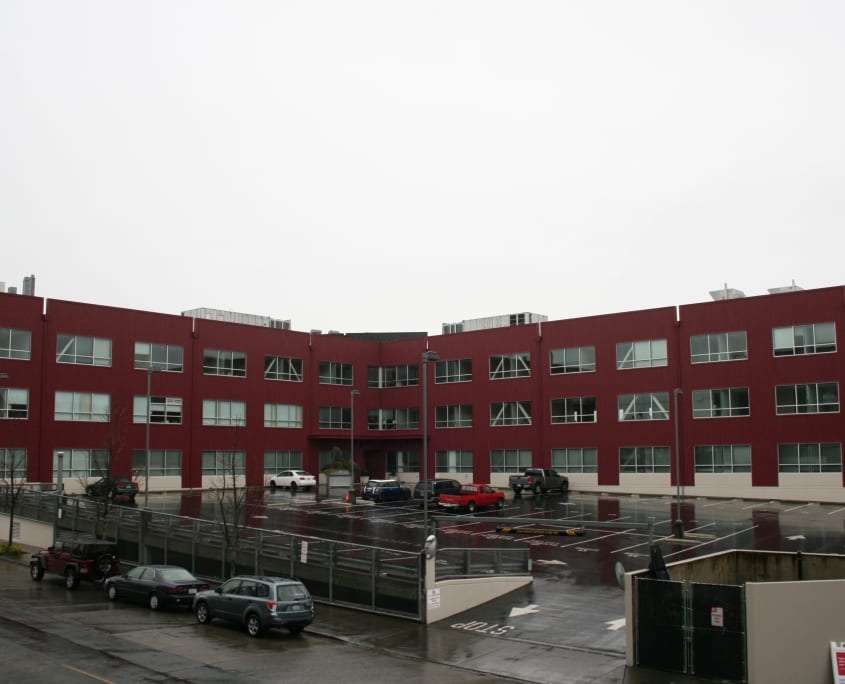
Commercial Painting Service Provider
The Psychology of Color in Commercial Spaces
Color isn’t just aesthetic—it’s strategic. Decades of research in environmental psychology show that color directly influences mood, behavior, and decision-making. Applying these insights to your commercial space can have a measurable impact on both customer experience and employee performance.
For customer-facing spaces, consider what emotion you want people to feel when they walk in. Blue tones promote trust and calm—ideal for banks, healthcare providers, and professional services. Warm reds and oranges stimulate appetite and urgency, which is why fast-food chains use them so consistently. Green communicates health, sustainability, and balance, making it a natural choice for wellness brands and organic retailers.
For employee workspaces, productivity is the priority. Studies suggest that blue and green environments support focus and reduce mental fatigue. Yellow, used sparingly, can encourage creativity in design studios or collaborative spaces. Harsh, sterile whites, on the other hand, tend to create visual monotony that decreases engagement over time.
The mistake many businesses make is choosing colors based purely on personal preference or brand guidelines without considering how those colors will function in the physical space. Lighting conditions, room dimensions, and the nature of work being done all influence how a color will be perceived. A good commercial painter—one with experience in large-scale projects—can advise you on finish types, sheen levels, and color combinations that translate well from a paint chip to a full wall.
Why Quality Matters More Than You Think
Low-cost painting seems attractive on paper. In practice, it tends to be a false economy.
Commercial properties face a level of wear that residential spaces simply don’t. High foot traffic, UV exposure, moisture, temperature fluctuations, and regular cleaning all degrade paint faster than most people expect. If a contractor cuts corners on surface preparation or uses budget materials, you’ll likely be repainting again within two to three years—paying twice for what should have been a ten-year solution.
Premium commercial paints and coatings are engineered to handle this kind of stress. They offer better adhesion, mold and mildew resistance, fade protection, and washability. When applied correctly over properly prepared surfaces, they hold up significantly longer and maintain their appearance through years of regular use.
The ROI calculation is straightforward. Spending more upfront on quality materials and skilled labor reduces your total repainting frequency, lowers long-term maintenance costs, and protects the structural integrity of your surfaces. In some cases, it also reduces liability—surfaces that crack, chip, or peel can create safety hazards, particularly in industrial settings.
The Wheeler Painting Advantage
Large-scale commercial projects require a fundamentally different skill set than residential painting. The logistics are more complex, the surfaces more varied, and the standards considerably higher. That’s where specialized experience becomes critical.
Wheeler Painting & Restoration Services brings exactly this kind of expertise to commercial projects. Their team is equipped to handle everything from multi-story office buildings and retail centers to hospitality properties and industrial facilities. What separates them is their rigorous approach to surface preparation—the step that most contractors rush, and the one that determines how long a finish actually lasts.
Proper commercial surface preparation involves cleaning, repairing cracks and damage, priming, and in some cases, applying specialty coatings before the topcoat ever goes on. Wheeler’s team understands that paint is only as good as the surface beneath it. By investing time and resources at this stage, they deliver finishes that stay sharp, adhere properly, and provide lasting protection.
Their restoration capabilities also mean they can handle aging or historically significant buildings with care, matching original finishes and repairing surfaces without compromising the building’s character.
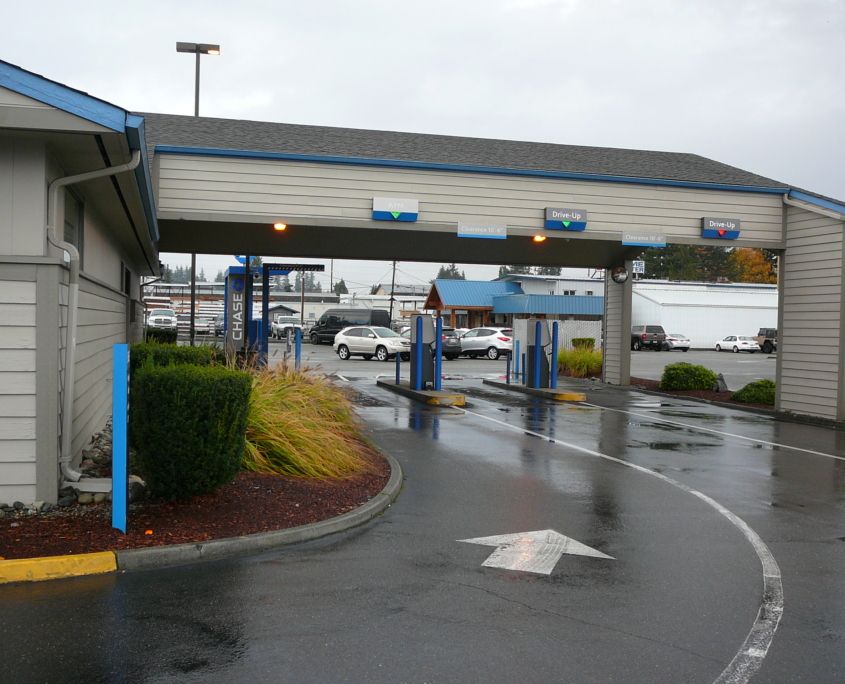
Commercial Painting Service
How to Choose the Right Commercial Painting Contractor
Not all commercial painters are created equal. Here’s what to look for when evaluating contractors for your project:
Licensing and Insurance: Any reputable contractor should carry full liability insurance and workers’ compensation coverage. Always verify these before signing a contract. If something goes wrong on your property and the contractor isn’t properly insured, you could be left holding the bill.
Commercial-Specific Experience: Ask specifically about their commercial project history. A contractor who primarily handles residential painting may lack the equipment, crew size, and process management skills needed for large-scale commercial work. Request a portfolio of similar projects and, where possible, references from commercial clients.
Detailed Written Quotes: A trustworthy contractor provides a detailed, itemized quote that specifies surface preparation methods, paint brands and product lines, number of coats, timeline, and warranty terms. Vague quotes often lead to disputes and unexpected costs mid-project.
Crew Size and Equipment: Large commercial jobs require sufficient manpower and the right equipment—scaffolding, spray systems, lifts, and protective covering for surrounding surfaces and landscaping. A contractor who lacks this infrastructure will either take too long or compromise quality to compensate.
Warranty and Follow-Up: Quality contractors stand behind their work. Ask about any labor or materials warranty, and what the process is if an issue arises after the project is complete.
Planning Your Project to Minimize Business Disruption
One of the biggest concerns business owners have about commercial repainting is the disruption to daily operations. The good news is that with proper planning, most projects can be completed with minimal impact on staff and customers.
Start by discussing scheduling flexibility with your contractor. Many commercial painting teams offer evening, weekend, or phased scheduling options to work around peak business hours. For multi-story buildings or large complexes, a phased approach—completing one section before moving to the next—allows operations to continue largely uninterrupted.
Clear communication is equally important. Give your staff advance notice of when and where painting will occur, and arrange temporary signage or barriers to guide customers safely around any work areas. For businesses with sensitive equipment or inventory, ensure your contractor uses appropriate protective covering and ventilation protocols.
Low-VOC and zero-VOC paint options are worth discussing with your contractor, particularly for interior commercial spaces that remain occupied during the project. These formulas significantly reduce odor and off-gassing, making it easier for employees to work safely in adjacent areas.
Maintenance Strategies That Extend Your Finish
A quality paint job is an investment—and like any investment, it rewards careful maintenance.
Seasonal inspections are one of the simplest things you can do. Twice a year, walk the exterior of your building and look for signs of cracking, peeling, chalking, or moisture intrusion. Catching small issues early prevents them from becoming large, expensive ones.
Regular cleaning extends the life of both interior and exterior finishes. For exteriors, a low-pressure wash removes dirt, pollutants, and organic growth that gradually degrade the coating. For high-traffic interior surfaces, use cleaning products that are compatible with your paint’s finish—abrasive cleaners can strip sheen and compromise durability.
Touch-up programs are another smart strategy. Some commercial painting contractors, including Wheeler Painting & Restoration Services, offer ongoing maintenance agreements that include periodic touch-ups and condition assessments. This kind of proactive care keeps your property looking its best year-round and extends the gap between full repaints.
Finally, document your project. Keep a record of the paint products used, including brand, product line, and color codes. When a touch-up is needed—whether it’s next year or five years from now—you’ll be able to match the original finish precisely.
Commercial Space Painting
Making the Right Call for Your Commercial Property
A commercial repaint is one of the highest-visibility investments a business can make. Done well, it elevates your brand, protects your property, and creates an environment where both customers and employees thrive. Done poorly, it creates ongoing problems that cost far more to fix than they would have to prevent.
The right contractor brings more than a paintbrush—they bring strategic color guidance, technical expertise, and a commitment to quality that shows up in every stage of the project. Wheeler Painting & Restoration Services has built its reputation on exactly this kind of comprehensive, professional approach.
If your commercial property is due for a refresh, start the conversation early. Get multiple quotes, ask the right questions, and choose a partner who treats your building with the same care you bring to your business.
When is it actually too cold to paint outside? You'll hear many numbers thrown around, but the simplest, most reliable rule for property and business owners is this: most standard latex paints need the air and the surface you're painting to be at least 50°F.
However, the real challenge, especially in our local climate, isn't just the daytime high. You need to consider the full weather forecast for the next 48 to 72 hours. Understanding this is key to ensuring your investment in a new paint job is protected.
Why 50°F Is the Golden Rule for Exterior Painting
For anyone managing a property—whether it’s your home, a retail business, or a large facility—getting the temperature right is the first step toward a paint job that truly protects your investment. It helps to think of paint as more than just color; it's a high-performance shield for your property. For that shield to form correctly, the ingredients in the paint need to go through a chemical process called curing.
Curing is the essential chemical reaction where paint hardens and bonds to the surface, forming a durable, protective film. This process is extremely sensitive to temperature and can take days, or even weeks, to fully complete.
When the mercury dips below 50°F, this critical curing process grinds to a halt. The paint might feel dry to the touch, but underneath, it hasn't formed the tough, resilient layer it needs to fight off rain, sun, and changing seasons. This is a crucial detail, whether you're trying to protect your home's siding or ensure a massive commercial painting project has the durability to last for years.
The Problem with Painting in the Cold
Pushing your luck and painting in cold weather can lead to a host of expensive headaches down the line. Latex paints—which are used in about 85% of all residential projects—are water-based. Cold temperatures prevent the water in the paint from evaporating properly. Worse, those chilly nights often bring dew, which re-wets the surface and throws the curing process completely off track. You can get a deeper look into the science of paint application at the Benjamin Moore advice center.
This leads to some familiar, frustrating problems:
Poor Adhesion: The paint doesn't stick properly, leading to bubbling, cracking, and peeling.
Uneven Color and Sheen: The finish looks blotchy and streaky because the pigments and binders never merged together smoothly.
Surfactant Leaching: You might see ugly, brownish, sticky streaks running down your new paint. This is a sign the paint's core ingredients are washing out, compromising its protective integrity.
Paint Type and Minimum Application Temperature
Not all paints are created equal, and some modern formulas offer more flexibility. This table provides a quick reference for the minimum temperatures required for common exterior paints.
Paint Type
Minimum Air and Surface Temperature
Critical Overnight Low
Standard Latex/Acrylic
50°F (10°C)
Must stay above 35-40°F
Low-Temp Acrylic
35°F (1.7°C)
Must stay above freezing (32°F)
Oil-Based/Alkyd
40°F (4.4°C)
Must stay above 32°F
Elastomeric Coatings
50°F (10°C)
Must stay above 40°F
While new low-temp paints can extend the painting season, it's always best to consult the manufacturer's technical data sheet for precise requirements.
At Wheeler Painting, our job is to help local property owners avoid these pitfalls. Whether we're working on a residential remodeling project or a large-scale facility construction service, our expertise ensures your exterior painting gets done right—at the right time—for a finish that looks great and lasts.
The All-Important Difference: Drying vs. Curing
Understanding the distinction between drying and curing is key to realizing why overnight lows matter just as much as daytime highs. Let’s look at what’s actually happening on the surface of your siding.
Drying (Evaporation): This is just step one. It's when the water (in latex paint) or solvent (in oil-based paint) evaporates, leaving the surface feeling dry. This part happens relatively fast.
Curing (Coalescence): This is where the real magic happens. For the next several days, polymer binders in the paint must physically merge and lock together to create a solid, continuous film. This process demands that temperatures stay consistently above the manufacturer's minimum, which is often 50°F.
If the temperature plummets overnight, you get dew. That moisture settles back onto your "dry" paint, re-wetting the surface and stopping the curing process in its tracks. The end result is a weak finish prone to cracking, peeling, and blistering.
Whether it’s a small residential remodeling project or a massive office space renovation, a failed cure means your investment is gone. This is exactly why experienced local painters are so obsessive about watching the full 24-hour weather forecast before even thinking about opening a can of paint.
Looking Beyond the Thermometer for a Flawless Finish
Just glancing at the weather forecast isn’t enough if you want a great paint job. Any experienced painter knows that figuring out what temperature is too cold to paint exterior walls is about much more than the number on the thermometer. It’s a complex puzzle that professionals solve on every project.
Think of it this way: even on a pleasant 60°F day, the shady side of a house or commercial building might only be 45°F—already dipping below the safe zone. At the same time, the side basking in the sun could be a perfect 70°F. This is why pros always measure the surface temperature; it’s the wall itself that needs to be warm enough for the paint to cure correctly.
The Invisible Threats of Humidity and Dew Point
Moisture is the other big variable that can ruin a fresh coat of paint. High humidity, a constant companion in our local climate, dramatically slows down how quickly water evaporates from the paint. This stretches out the curing time, leaving the paint exposed and vulnerable to sagging, streaking, or damage from an unexpected temperature drop.
That brings us to the dew point—the specific temperature where moisture starts condensing out of the air and onto surfaces.
If the surface temperature is at the dew point, or even just a few degrees above it, an invisible film of moisture will form on your siding. Painting over this condensation is a guaranteed recipe for failure; the paint will have no chance to stick properly.
You can see this concept in action below. Warmth is the catalyst that helps paint cure into a hard, protective shell, while cold and moisture stop that process in its tracks.
As the graphic shows, getting a durable finish is all about striking a delicate balance. Warmth helps the paint bond, but cold or damp conditions create a barrier that prevents it from ever forming that tough, lasting layer.
Finding the Optimal Painting Window
This is why professional painters constantly analyze the entire environmental picture. While the "gold standard" for exterior painting is often said to be 77°F, a good rule of thumb is to stay between 50°F and 90°F to minimize risk. Studies have found that 90% of optimal adhesion occurs within this range when humidity is low. Once temperatures drop below 50°F, the binders in the paint struggle to activate fully. Some experts even note that latex paints can show cracking rates 40% higher in these colder conditions. You can dive deeper into how temperature affects paint performance in this detailed exterior paint guide from Consumer Reports.
For property owners and facilities managers, this underscores the value of bringing in an expert. At Wheeler Painting, we do more than just look at a thermometer. We use specialized tools like infrared thermometers and hygrometers to get precise readings of surface temperature and humidity. This ensures every project, from a residential remodeling job to a large retail build-out, is done under the right conditions for a beautiful, long-lasting finish.
Choosing the Right Paint for Our Local Climate
Not all paints are created equal, especially when you're painting in our region. The famously unpredictable weather means you can't just grab any can off the shelf. Picking the right paint for the conditions is the secret to a job that not only looks great but also lasts for years.
Think of it like dressing for the weather. You wouldn't wear shorts and a t-shirt on a frosty morning, right? The same logic applies to paint. You have to match the product to the environment it will be applied in.
Standard vs. Low-Temperature Paint
For a long time, standard latex and acrylic paints were the main option for exterior painting. These are fantastic, durable products, but they come with a strict requirement: the air and surface temperature must be at least 50°F for them to work properly. If it's colder, the paint cannot cure, and you end up with a weak, compromised finish.
Fortunately, paint chemistry has made huge strides. We now have low-temperature acrylic paints that are a total game-changer for our area.
These advanced paints are engineered with special binders that can cure in temperatures all the way down to 35°F. This simple difference dramatically extends the painting season, letting us work in the early spring and late fall when we otherwise couldn't.
So, how do you decide which one is right for your home or business? It comes down to timing, weather, and your project's specific needs.
A Quick Comparison
Standard Latex/Acrylic Paints: These are the reliable workhorses of the industry. They offer a great balance of performance and value, but you must respect that 50°F minimum. They're perfect for jobs scheduled during the prime summer months.
Low-Temperature Acrylic Paints: These are premium products and often cost a bit more, but the flexibility they provide is invaluable for projects in the shoulder seasons. If you’re on a tight timeline for your commercial renovation or anxious to get your house painted before winter, this is the paint you need. To learn more about project timing, you might be interested in our guide on the best time to paint a house exterior.
It's also worth mentioning oil-based (alkyd) paints. They were once a popular choice and perform well in the cold, but their high levels of Volatile Organic Compounds (VOCs) and new environmental regulations have made them much less common for exterior home and business painting today.
As painters who work exclusively in our community, we are experts at navigating these choices. We help our clients select the perfect product for their property, ensuring a beautiful, long-lasting finish, no matter what the forecast says.
Smart Painting Strategies for Your Washington Property
When you're painting a house or a business in our area, timing is everything. It’s about more than just picking a sunny day; it’s about thinking like a painter who has worked through decades of our fickle weather.
Our prime painting season usually kicks off in late spring and wraps up in early fall. That's our sweet spot, giving us the warm, dry weather that paint needs to cure properly and form that tough, protective shell. But the real mark of a professional is knowing how to work the tricky "shoulder seasons"—those early spring and late autumn weeks where the weather can turn on a dime.
Chasing the Sun and Watching the Forecast
On a cool, sunny day, you won't see an experienced crew just start painting on any wall. We have a technique called "chasing the sun."
It’s simple, really. We start on the east side of the building to catch the morning sun, follow it to the south side for the middle of the day, and finish on the west-facing walls as the afternoon sun warms them. This keeps the surface temperature right where it needs to be for good adhesion, even if the air has a bit of a nip to it.
Of course, this only works with a clear multi-day forecast. Any painter worth their salt, whether they're on a residential remodeling job or a big retail build-out, will tell you the overnight low matters just as much as the daytime high. One night of heavy dew or an unexpected dip below freezing can ruin an entire day of hard work.
Proactive planning is the cornerstone of a successful exterior paint job in our area. This means not only watching the weather but also properly preparing all surfaces, a critical step before any paint is applied. You can learn more about surface preparation in our guide to power washing services.
Why Local Expertise Matters
Understanding our region's weather is a science you learn from experience, not just an app. A local professional has spent years learning to schedule jobs around our notoriously unpredictable climate. That hands-on knowledge leads to smarter scheduling, picking the right products for our damp environment, and knowing which corners not to cut.
For a homeowner or a facilities manager, that experience is your best asset. When you hire a contractor who truly understands our local weather, you're making a solid investment in your building's future. It’s the difference between a paint job that looks good for a year and one that protects your property and holds its value for many seasons to come.
Why Hiring a Professional Painter Is Your Best Bet
Trying to tackle an exterior paint job on your own can feel like a smart way to save money. But as we've explored, figuring out what temperature is too cold to paint exterior surfaces is more complicated than a quick glance at a weather app. One simple mistake related to temperature can turn a weekend project into a costly disaster.
When a paint job fails, you haven't just lost the cost of paint and supplies—you've lost the time and energy you poured into it. Worse, a failed coat of paint leaves your home or commercial building's siding exposed to moisture, which can lead to serious structural damage down the line.
The Professional Advantage for Homes and Businesses
Hiring an experienced contractor isn't just another bill to pay; it's an investment in your property's long-term value, protection, and curb appeal. For homeowners and busy facilities managers alike, handing the project over to a professional team like Wheeler Painting removes all the guesswork and ensures a beautiful, durable finish.
A seasoned crew brings much more to the table than just brushes and ladders. They arrive with specialized knowledge and the right tools for the job.
Access to Low-Temp Products: We know which premium low-temperature paints actually perform, giving us a much wider window to work in, especially in the tricky Pacific Northwest climate.
Professional-Grade Tools: We don't guess. We use tools like infrared thermometers to get precise surface temperature readings and hygrometers to measure humidity, making sure conditions are truly ideal before a single can of paint is opened.
Local Weather Expertise: A local contractor lives and breathes the regional weather. We understand the patterns and know how to "chase the sun" around a building to schedule work effectively, avoiding risks from overnight temperature drops and morning dew.
A professional paint job is your property's first line of defense. By ensuring proper application under the right conditions, you're not just improving aesthetics—you're investing in long-term durability and preventing costly repairs.
This is especially true for commercial properties. Whether you're managing a retail build-out or an office space renovation, project timelines are often tight and the results must be perfect. Trusting a professional team ensures the job is done correctly the first time, protecting your investment and keeping your business looking its best. You can learn more about how our expertise can benefit your property by exploring our professional exterior painting services.
Ultimately, you can't put a price on the peace of mind that comes with knowing the job was done right. From painstaking prep work to selecting the perfect products and applying them flawlessly, hiring a pro is the smartest way to get a beautiful finish that will last.
Answering Your Top Questions About Painting in Tricky Weather
When it comes to exterior painting, timing is everything. Property owners often ask us about the specifics of temperature, so let's clear up a few common questions.
Can I Paint If It's 50°F Now But Will Drop to 40°F Tonight?
This is a gamble, and usually not one worth taking. A standard latex paint needs a good 4-6 hours above 50°F just to get touch-dry. But the real magic, the curing process, takes much longer—often 48 to 72 hours of mild weather.
When the temperature plummets overnight, that curing process slams to a halt. Dew often forms, re-wetting the surface and wrecking the paint's ability to bond. The result is a weak finish that's prone to peeling down the road. It's almost always better to wait for a more stable weather window.
Does Direct Sunlight Help When It's Cold Out?
It absolutely does! In the shoulder seasons, a painter's best friend is the sun. We often "chase the sun" around a building, painting the walls as they get bathed in direct light. The sun can heat a surface well above the ambient air temperature, creating a perfect microclimate for application.
The catch, however, is that the surface needs to stay warm enough for the entire curing period, not just for the hour or two you're holding the brush.
Are There Special Paints for Colder Weather?
Yes, there are. Paint chemistry has come a long way. We now have fantastic premium acrylics specifically formulated for application in temperatures as low as 35°F. These "low-temp" paints use special binders that allow them to cure properly even when it's cold and damp.
These products are a game-changer for extending the painting season in our community. A good contractor will know exactly which product to use to ensure your shoulder-season project is a success, whether it's for your home or a large commercial property.
How Does Humidity Affect My Painting Project?
High humidity is a real project-killer. It slows the evaporation of water from the paint, drastically stretching out drying and curing times.
Even on a warm day, painting in high humidity is asking for trouble. The paint is more likely to sag, streak, or simply fail to stick correctly. If the temperature then drops overnight while the paint is still wet, you've got a recipe for failure.
https://wheelerpainting.com/wp-content/uploads/2026/02/what-temperature-is-too-cold-to-paint-exterior-winter-painting.jpg11522048https://wheelerpainting.com/wp-content/uploads/2019/11/Restoration-Logo-300x49.png2026-02-24 22:59:332026-02-24 22:59:33What Temperature Is Too Cold to Paint Exterior? A Guide for Property Owners
For property owners and facility managers in the Puget Sound area, a successful construction or painting project isn’t just about the final look; it’s about lasting quality and peace of mind. From preventing costly rework to ensuring safety and durability in our unique Pacific Northwest climate, a systematic approach to quality is non-negotiable. Whether you’re planning a residential remodel, a commercial build-out, or a large-scale painting job, overlooking small details can lead to significant problems. This is where a comprehensive construction quality control checklist becomes essential.
It transforms complex projects from overwhelming undertakings into manageable, step-by-step processes. For local homeowners undertaking a siding replacement or business owners planning an office space renovation, this checklist serves as a roadmap to excellence. It provides a clear framework for verifying materials, inspecting workmanship, and ensuring every aspect of the job meets exacting standards. A well-defined quality plan is the single most effective tool for minimizing defects, avoiding budget overruns, and achieving the desired outcome on schedule.
At Wheeler Painting & Restoration, we’ve spent decades refining our quality control to deliver dependable results for businesses and homeowners across our community. This guide shares our field-tested construction quality control checklist, breaking down the critical inspection points for everything from structural integrity to the final paint finish. We’ll provide actionable steps and clear standards to help you, ensuring your next project meets the highest benchmarks from foundation to final closeout.
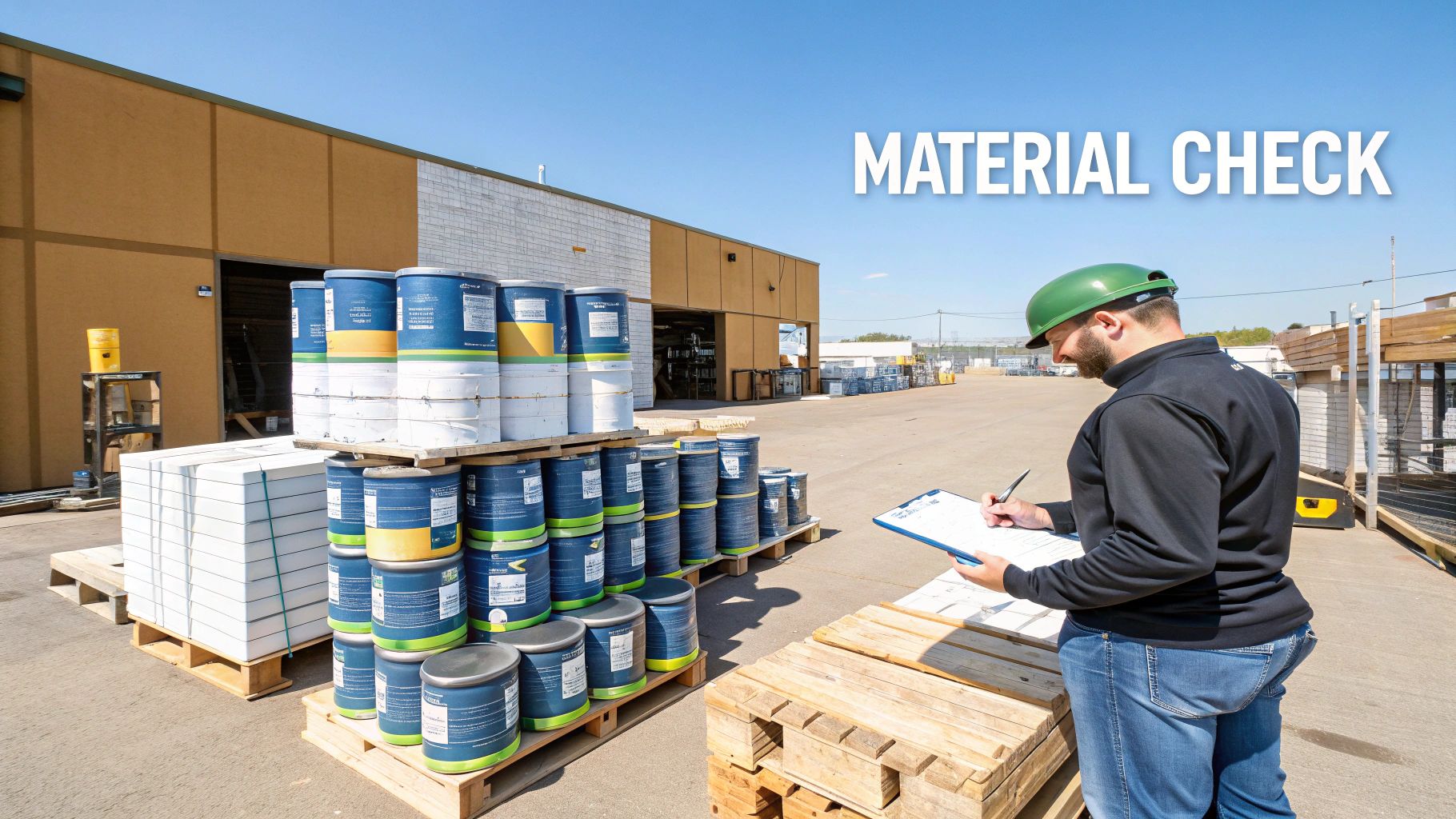
1. Material Inspection and Certification
The foundation of any high-quality construction or painting project is the materials themselves. This critical first step in a construction quality control checklist involves the comprehensive verification that every single product brought on-site, from lumber and drywall to paint and sealants, meets or exceeds project specifications. It’s a methodical process of confirming that materials are undamaged, authentic, and certified for their intended application, especially in the demanding climate of the Pacific Northwest.
For a commercial build-out or a residential remodel, this means more than just a quick visual scan. It’s about documenting batch numbers, cross-referencing product data sheets with architectural plans, and ensuring every component has the right certifications to guarantee performance, safety, and longevity. Using the wrong materials can lead to premature failure, warranty voids, and costly rework.
Why This Step Is Crucial
Proper material inspection directly impacts durability and compliance. For instance, using an interior-grade coating on an exterior surface in rainy Western Washington will inevitably lead to failure. Verifying an ASTM-certified exterior paint ensures it can withstand moisture and UV exposure. Similarly, confirming drywall batch certifications before a residential kitchen remodel guarantees consistent quality and fire-resistance ratings.
Actionable Implementation Tips
To integrate this check into your process, consider these straightforward steps:
Create a Detailed Receiving Log: Document the date, supplier, product name, lot number, and inspector’s initials for every delivery. This creates an unbroken chain of custody.
Photograph Everything: Take clear photos of material labels, certification stamps, and any visible damage upon arrival. This documentation is invaluable for warranty claims and project records.
Implement Just-In-Time Delivery: Coordinate with suppliers to have materials delivered shortly before they are needed. This minimizes on-site storage, reducing the risk of damage, moisture absorption, or theft.
Proper On-Site Storage: If materials must be stored, ensure they are in a climate-controlled, dry environment. This prevents issues like moisture absorption in drywall or paint degradation from temperature swings.
2. Surface Preparation and Substrate Assessment
Even the highest quality materials will fail if applied to a compromised surface. This step in a construction quality control checklist involves the rigorous evaluation and preparation of all substrates before painting, coating, or attaching new materials. Proper substrate assessment identifies and corrects issues like hidden moisture, previous coating failures, or structural damage that could otherwise jeopardize the entire project’s integrity and longevity—a critical concern in the damp Puget Sound environment.
For a commercial build-out or a home remodel, this means going beyond a simple visual check. It requires meticulous testing for moisture content, assessing the pH of concrete floors before an epoxy application, and identifying any underlying rot or mold. Skipping this foundational work is a direct path to peeling paint, delaminating coatings, and costly, frustrating rework down the line.
Why This Step Is Crucial
Thorough surface preparation directly dictates the adhesion, performance, and lifespan of finishes and materials. For example, applying a fresh coat of paint over exterior wood siding with a high moisture content will inevitably lead to blistering and failure as the water tries to escape. Similarly, identifying and performing mold remediation on drywall in a storm-damaged home is essential before repainting to ensure a healthy and durable interior environment.
Actionable Implementation Tips
To make this a non-negotiable part of your quality control process, follow these steps:
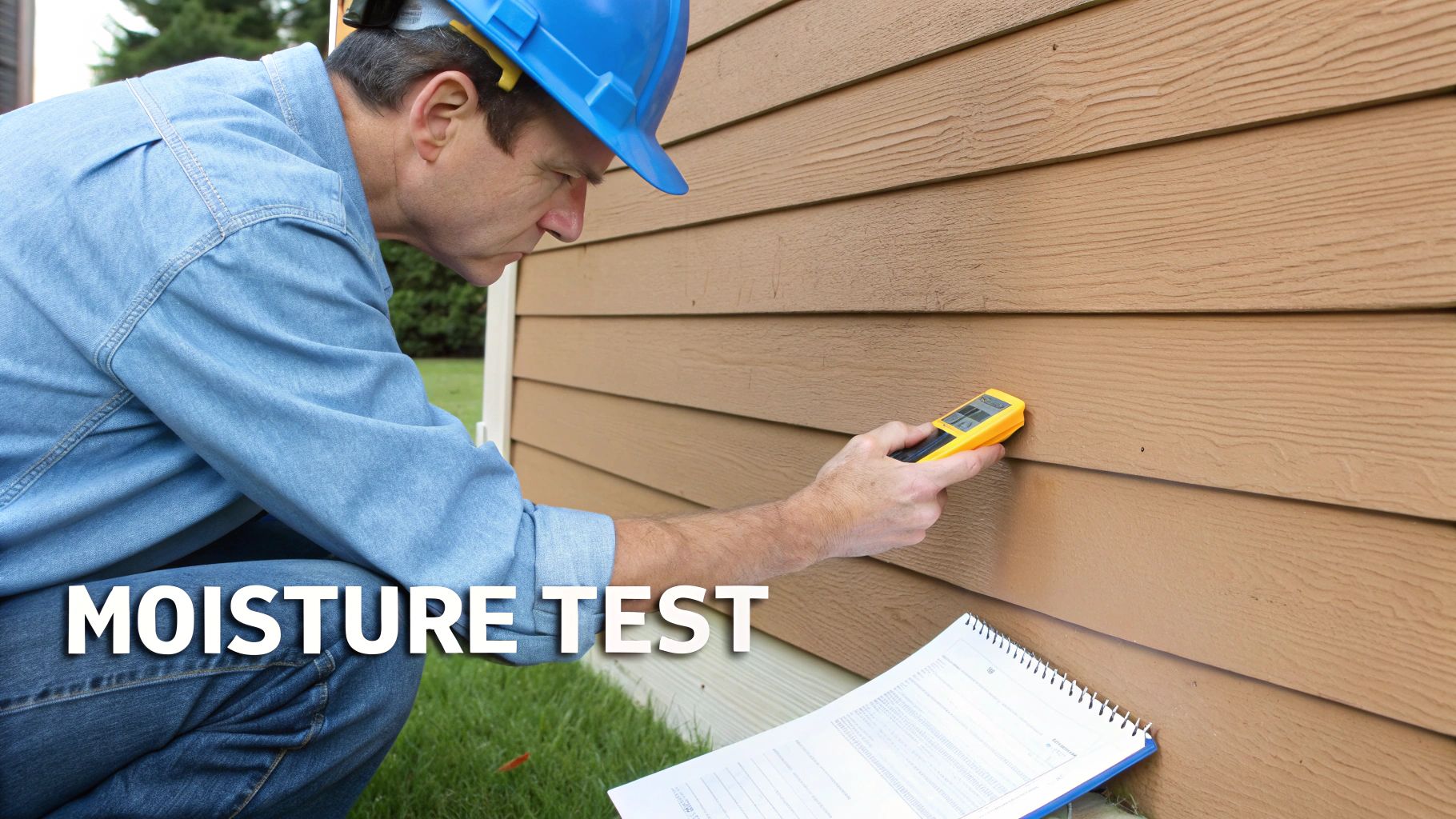
Use Calibrated Moisture Meters: Invest in and regularly calibrate professional-grade moisture meters. Document readings on all substrates, especially in corners, near windows, and on weather-exposed surfaces.
Establish Clear Thresholds: Define and adhere to acceptable moisture levels before proceeding. A common standard is ensuring wood moisture content is at or below 15% before painting.
Document with Photos: Take detailed “before” and “after” photos of all surface preparation work. This provides transparent proof of due diligence for the client and serves as a valuable project record.
Allow Adequate Drying Time: After pressure washing, cleaning, or making repairs, enforce a strict drying period. Rushing to apply coatings before the substrate is fully dry is a primary cause of adhesion failure.
3. Dimensional Accuracy and Layout Verification
Once materials are on-site, the focus shifts to ensuring they are assembled precisely as designed. This step in the construction quality control checklist is a systematic process of measuring and verifying every dimension, layout, and alignment. From structural framing to the final placement of fixtures, this verification guarantees that the physical build-out perfectly matches the architectural plans and building codes, a non-negotiable step for any successful project.
For a commercial tenant improvement in an office space or a complex kitchen remodel, this means confirming that every wall, opening, and fixture location is exact. A deviation of even half an inch can cause a cascade of problems, from ill-fitting cabinetry and countertops to compliance issues with ADA regulations. This meticulous verification prevents costly rework and ensures all subsequent trades can perform their jobs correctly.
Why This Step Is Crucial
Precise layout verification is the backbone of a project’s integrity. For example, during a residential exterior restoration, verifying window opening dimensions ensures the new units and their flashing will fit perfectly, creating a weathertight seal against Puget Sound’s damp climate. In a commercial build-out, confirming the layout against drawings ensures that specific operational and tenant requirements are met, preventing expensive changes after walls are closed.
Actionable Implementation Tips
To integrate dimensional checks into your workflow, implement these practical strategies:
Measure at Multiple Points: Never trust a single measurement. Verify dimensions at several points along any given element (e.g., top, middle, and bottom of a door opening) to check for squareness and consistency.
Utilize Laser Levels: For establishing consistently level horizontal and vertical lines across large spaces, such as for countertop installations or ceiling grids, modern laser levels are indispensable tools.
Mark and Sign Off: Clearly mark approved layout lines and dimensions on the floor or framing with chalk or tape. Have the lead carpenter or site supervisor sign off on these critical checkpoints before the next phase begins.
Schedule Verification Gates: Build formal verification checks into the project schedule at key milestones: after framing is complete, before drywall is installed, and prior to final fixture placement.
4. Paint Application Process Control
The aesthetic appeal and long-term durability of a finish depend entirely on how it’s applied. This step in a construction quality control checklist moves beyond material selection to standardize the entire application process, from surface preparation and priming to the final topcoat. It establishes a repeatable, documented procedure for every coating, ensuring consistent, high-quality results across diverse projects, from residential remodels to large-scale commercial renovations.
For a commercial facility or a home exterior, this means controlling every variable. It involves documenting environmental conditions like temperature and humidity, verifying proper coating thickness at each stage, and adhering to manufacturer-specified drying times. This meticulous control prevents common failures like peeling, blistering, and uneven sheen, safeguarding the investment and ensuring a flawless finish.
Why This Step Is Crucial
Standardized application directly impacts coating performance and longevity. For example, applying an exterior marine-grade coating system to a home without verifying the dry film thickness (DFT) could leave the substrate vulnerable to moisture intrusion from the constant Puget Sound rain. Similarly, an interior kitchen remodel requires enamel paint applied over a moisture-resistant primer; skipping this control can lead to premature failure in a high-humidity environment.
Actionable Implementation Tips
To integrate this check into your process, consider these straightforward steps:
Establish Environmental Limits: Define and document the acceptable temperature and humidity ranges for each coating product. Empower teams to halt work when conditions fall outside these limits to prevent application defects.
Use Film Thickness Gauges: Regularly measure wet film thickness (WFT) during application with a simple gauge to ensure sufficient material is being applied. This is a quick, real-time check for proper coverage.
Verify Dry Film Thickness (DFT): Use an electronic DFT meter to confirm the final coating thickness meets the project specifications before applying subsequent coats. This is crucial for performance coatings. To learn more about how professional application impacts results, explore our specialized painting services.
Maintain On-Site Logs: Keep a detailed daily log of temperature, humidity, and moisture readings. This documentation provides a verifiable record of quality control and is invaluable for project closeout.
5. Drywall and Interior Finish Quality Standards
The final appearance of any interior space hinges on the quality of the surface beneath the paint. This step in a construction quality control checklist focuses on the systematic inspection of drywall installation and finishing, from hanging the sheets to the final sanding. It’s a meticulous process ensuring that every wall and ceiling provides a smooth, uniform, and flawless canvas for paint, which is essential for both high-end residential and professional commercial interiors.
For a commercial tenant improvement in an office or a kitchen remodel, this means verifying everything from proper fastener countersinking to the smoothness of joint compound. Skipping this detailed inspection can lead to visible seams, shadowing, and surface imperfections that even the best paint cannot hide, resulting in a finish that looks unprofessional and requires costly rework.
Why This Step Is Crucial
A flawless finish directly impacts the aesthetic quality and client satisfaction of a project. For instance, a residential kitchen remodel that specifies a Level 5 drywall finish requires a perfectly smooth surface to accommodate high-gloss paints and under-cabinet lighting, which accentuate imperfections. In a commercial setting, ensuring detailed drywall inspection protocols are met guarantees the professional appearance required for client-facing spaces. This attention to detail is a cornerstone of successful residential construction projects.
Actionable Implementation Tips
To guarantee superior interior finishes, integrate these checks into your workflow:
Define and Communicate Finish Levels: Clearly specify the required drywall finish level (from 0 to 5) in project documents and ensure the installation crew understands the standard for each room.
Inspect with Critical Lighting: Use a work light held at a low angle to the wall surface. This technique, known as side-lighting, casts shadows that reveal subtle waves, tool marks, and sanding imperfections invisible under direct overhead light.
Stage-Gate Inspections: Don’t wait until the end. Conduct separate inspections after taping, after each coat of mud, and after sanding. Catching issues early is far more efficient than correcting them after primer has been applied.
Mandate Primer Application: Document that a full coat of high-quality primer has been applied and approved before any other trades (like cabinet installers or painters) begin their work. This seals the surface and ensures proper paint adhesion.
6. Flashing and Waterproofing Verification
In the moisture-rich climate of the Pacific Northwest, water is the primary enemy of building integrity. This makes flashing and waterproofing one of the most critical steps in any construction quality control checklist. This phase involves the meticulous inspection of all installations designed to prevent water intrusion, from the seals around windows and doors to the flashing at every roof penetration and exterior transition. It’s a non-negotiable step for ensuring a building’s long-term health.
Whether it’s a commercial build-out or a residential siding replacement, getting this detail wrong leads to catastrophic failures. Proper verification means checking sealant application, ensuring correct material overlaps, and confirming proper fastening techniques. Overlooking a single improperly sealed window can result in rot, mold, and structural damage that costs thousands to remediate.
Why This Step Is Crucial
Effective flashing and waterproofing are the building’s first and most important line of defense against water damage. In a residential roof restoration, for example, detailed inspection of flashing at all penetrations like vents and chimneys prevents leaks that could undermine the entire project. Similarly, for a commercial waterproofing project, verifying sealant effectiveness and membrane integrity ensures the structure remains dry and sound for decades.
Actionable Implementation Tips
To ensure your project is watertight, integrate these verification steps:
Photo-Document Everything: Take detailed photographs of all flashing and waterproofing installations before they are covered by siding, roofing, or trim. This creates a permanent record of proper installation.
Verify Material Compatibility: Ensure that the sealants used are chemically compatible with the adjacent materials (e.g., metal flashing, vinyl window frames, fiber cement siding). Using the wrong sealant can cause it to fail prematurely.
Schedule Pre-Closure Water Testing: For critical areas, conduct a controlled water test after installation but before the final coverings are put on. This proactive check can reveal any small leaks or imperfections that are easy to fix at this stage.
Train Crews on Overlap Direction: Ensure every team member understands that all flashing and weather-resistant barriers must be installed shingle-style. This means the upper layers overlap the lower layers to shed water down and away from the structure.
7. Structural Inspection and Load-Bearing Verification
Ensuring a building’s structural integrity is non-negotiable, whether it’s a new home addition or a commercial expansion. This step in a construction quality control checklist is a rigorous verification that all load-bearing elements like beams, headers, joists, and their connections are installed correctly according to engineering plans and building codes. It’s the framework that guarantees the safety and longevity of the entire structure.
For a residential kitchen remodel that involves removing a wall, this means confirming the new support beam can handle the load. In a commercial construction project, it involves ensuring a new mezzanine floor meets all seismic and live-load requirements. Skipping this verification can lead to catastrophic failures, compromising safety and resulting in immense liability.
Why This Step Is Crucial
Proper structural verification is the backbone of safe construction. In the Pacific Northwest, this is particularly important due to regional seismic activity and wind load requirements. An improperly secured connection between a new addition and an existing home can create a critical failure point during an earthquake. Likewise, a commercial tenant improvement that adds significant weight without reinforcing the structure below is a disaster waiting to happen. This check ensures the building can safely handle all intended and environmental stresses.
Actionable Implementation Tips
To effectively integrate structural verification into your workflow, follow these steps:
Schedule a Framing Inspection: Arrange for the local building department to conduct a framing inspection before any drywall or insulation is installed. This allows for easy visibility and modification if needed.
Photograph All Connections: Document every structural connection, fastener pattern, and load-bearing element with clear photos. This creates a visual record that proves compliance with engineered drawings.
Cross-Reference Plans and Codes: Meticulously compare the installed framing against the approved architectural and engineering plans. Verify that all materials and fasteners meet the specific building codes for the Puget Sound region.
Use Rated Fasteners: Ensure all structural screws, bolts, and hangers are rated for the seismic and wind loads common in Western Washington. Using standard fasteners where engineered ones are specified is a common but dangerous mistake.
8. HVAC, Plumbing, and MEP Rough-In Inspection
The hidden systems behind your walls, including mechanical, electrical, and plumbing (MEP), are the lifelines of any modern building. This step in a construction quality control checklist is a systematic verification of these systems during the rough-in phase, performed after installation but before drywall or other finishes conceal them. It is a non-negotiable checkpoint to prevent catastrophic failures and expensive, invasive repairs down the line.
For a commercial tenant improvement in an office space, this involves verifying that HVAC zoning, fire suppression systems, and plumbing for new restrooms meet all local codes before the walls are closed. Likewise, during a residential kitchen remodel, it’s the final opportunity to confirm that the plumbing for a new island sink is properly vented and all new electrical circuits are correctly routed, ensuring functionality and safety for years to come.
Why This Step Is Crucial
A meticulous MEP rough-in inspection is about proactive problem-solving. Identifying a poorly sealed duct joint, an unsupported plumbing line, or an improperly secured electrical box at this stage is a simple fix. Discovering the same issue after the walls are painted requires demolition, rework, and significant project delays. This check ensures system integrity, code compliance, and long-term operational efficiency, directly impacting utility costs and occupant comfort.
Actionable Implementation Tips
To effectively integrate MEP rough-in checks into your workflow, follow these best practices:
Schedule a Coordinated Walk-Through: Hold the inspection with the mechanical, electrical, and plumbing foremen present. This allows for immediate clarification and on-the-spot resolution of any identified issues.
Conduct Pressure and Integrity Tests: Don’t just rely on visual checks. Use a hydronic flush test for plumbing supply lines and a static pressure test for ductwork to definitively confirm that there are no leaks.
Create a Photographic Record: Take detailed, high-resolution photos of all systems within the wall and ceiling cavities. This documentation is invaluable for future maintenance, troubleshooting, or renovation planning.
Verify Code-Mandated Clearances: Use a tape measure to confirm that all installations meet required clearances, such as proper spacing for pipe supports and ensuring electrical boxes are not recessed too far into stud cavities.
9. Safety Compliance and Fall Protection Inspection
Beyond materials and workmanship, a project’s ultimate quality is measured by its safety record. This non-negotiable step in a construction quality control checklist involves the continuous verification that the worksite adheres to all OSHA standards. It focuses on the proactive management of hazards, including fall protection systems, scaffolding integrity, proper ladder use, personal protective equipment (PPE), and clear hazard communication to protect everyone involved.
Whether it’s a “residential contractor near me” painting a multi-story home or a commercial crew renovating a local retail space, safety protocols are paramount. This isn’t a one-time check but a daily commitment to identifying and mitigating risks. For example, any restoration work on a high-pitched roof requires certified scaffolding and constant monitoring, while a commercial painting project mandates daily safety briefings to address the day’s specific tasks and potential hazards.
Why This Step Is Crucial
A rigorous safety program protects lives and ensures legal and insurance compliance. An accident can halt a project indefinitely, lead to severe legal penalties, and irreparably damage a company’s reputation. Proactive inspections and documented safety measures demonstrate a commitment to crew and client well-being, which is a hallmark of a professional contractor. It prevents costly delays and protects the project’s financial and legal standing.
Actionable Implementation Tips
To effectively integrate safety compliance into your workflow, consider these critical actions:
Develop Site-Specific Safety Plans: Before work begins, create a unique safety plan that identifies the specific hazards of that project, from electrical risks in an office renovation to fall hazards on an exterior repaint.
Conduct Daily Pre-Work Safety Meetings: Start each day with a brief “toolbox talk” to discuss the day’s tasks, associated risks, and the required safety measures. This keeps safety top-of-mind for the entire crew.
Inspect All Equipment Before Use: Every harness, lanyard, ladder, and scaffold component must be inspected for damage or wear before each use. Damaged equipment must be immediately removed from service.
Maintain Certifications and Documentation: Ensure crew leads have current OSHA 10-hour certification. Meticulously document all safety inspections, training sessions, and incidents to protect against liability and satisfy insurance requirements.
10. Final Inspection and Punch List Documentation
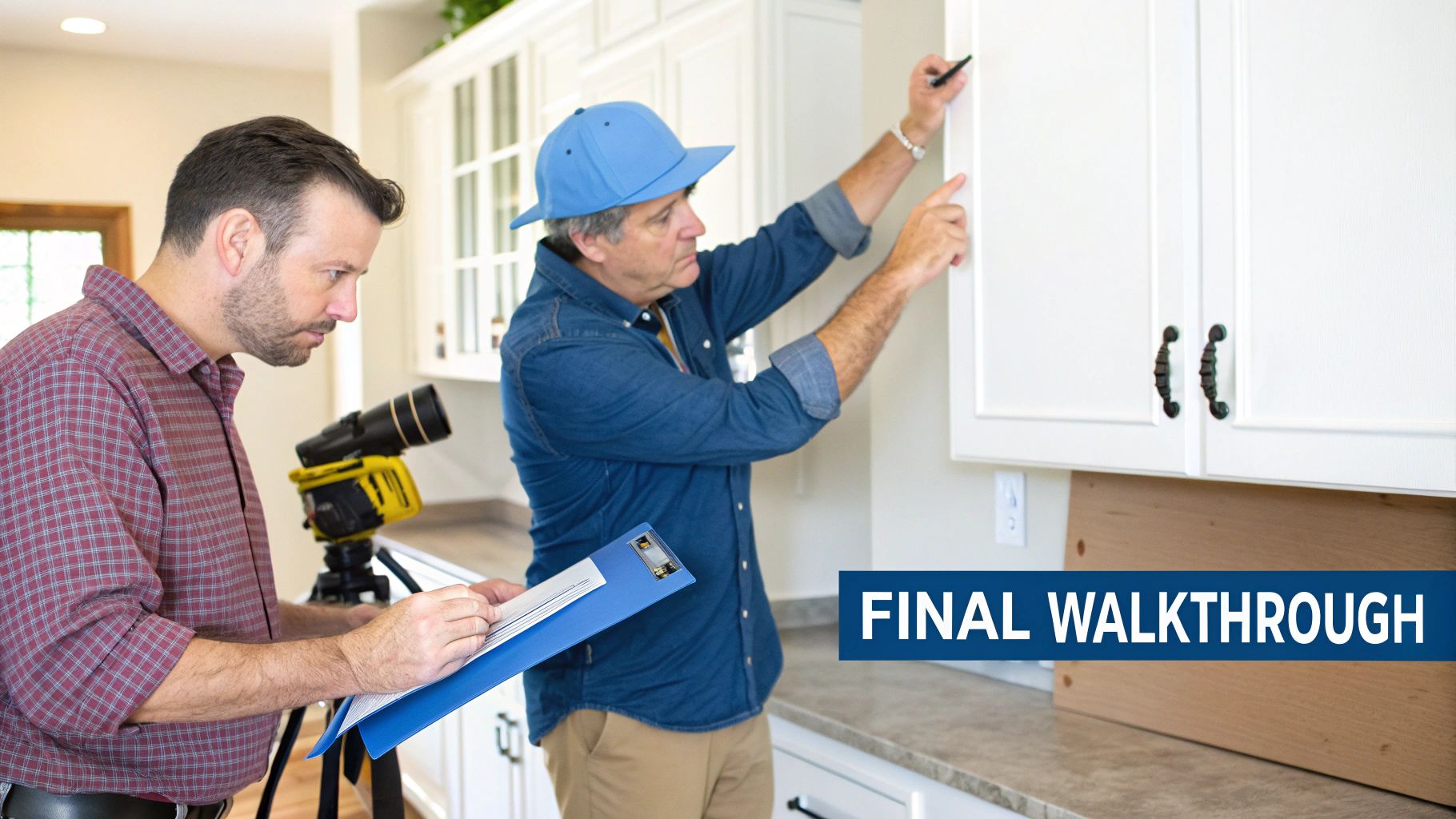
The final inspection and punch list represent the project’s last critical quality gate before handover. This step in a construction quality control checklist is a comprehensive walkthrough with clients, architects, and stakeholders to formally document completion, identify any outstanding items, and verify that all work meets the approved specifications and the client’s expectations. It is the definitive moment where craftsmanship is confirmed and the project is brought to a successful close.
Whether it’s a commercial build-out for an expanding business or a home remodel, this process is far more than a simple visual check. It’s a methodical review where every detail, from the fit of a cabinet door to the finish on a freshly painted wall, is scrutinized against the project scope. Creating a detailed punch list ensures that even the smallest deficiencies are captured, tracked, and resolved before the final payment is made and the keys are handed over.
Why This Step Is Crucial
A thorough final inspection is the key to client satisfaction and a professional project closeout. For example, during the final walkthrough of a residential kitchen remodel, our team methodically verifies countertop fit, hardware installation, and plumbing functionality to ensure the space is move-in ready. Similarly, a final walkthrough for a commercial tenant improvement with a property manager confirms that every fixture is installed correctly and all code requirements are met before the tenant takes occupancy. This structured process prevents post-project disputes and ensures the finished product aligns perfectly with the client’s vision.
Actionable Implementation Tips
To execute a seamless final inspection and punch list process, follow these steps:
Use a Standardized Checklist: Create a detailed final inspection checklist tailored to the specific project scope. This ensures no area, from electrical outlets to paint touch-ups, is overlooked.
Schedule Ample Time: Book the final walkthrough with enough time scheduled to allow for minor, on-the-spot corrections, which can significantly shorten the final punch list.
Document with Photos: Take clear photographs of the completed work as a whole, and then take separate, detailed photos of each identified punch list item. This visual evidence eliminates ambiguity.
Prioritize the Punch List: Categorize items by urgency: safety issues (must-fix before occupancy), functional problems (affecting use), and cosmetic imperfections. This helps structure the final corrective work efficiently.
Set a Clear Timeline: Agree on a specific timeframe for completing all punch list items. Follow up with a final re-inspection of the corrected work before issuing the final invoice and closing out the project.
Prevents disputes, ensures client satisfaction and permit closure
Partner with a Team That Puts Quality First
Moving from a conceptual plan to a finished, functional space is a complex journey filled with countless decisions and potential pitfalls. This comprehensive construction quality control checklist is designed to demystify that process, transforming it from an overwhelming task into a manageable, step-by-step roadmap to success. By systematically addressing each phase, from pre-construction verification to the final punch list, you create a framework for accountability, precision, and excellence.
The checkpoints we’ve explored, such as Material Inspection, Surface Preparation, and Waterproofing Verification, are not just isolated tasks. They are interconnected elements in a larger system designed to prevent costly rework, ensure structural integrity, and deliver a final product that stands the test of time. For local homeowners undertaking a remodel or businesses planning a commercial build-out, this structured approach is the most effective way to protect your investment and achieve your vision.
Key Takeaways for Your Next Project
Mastering quality control is less about memorizing a list and more about adopting a mindset of proactive diligence. Here are the most critical takeaways to implement immediately:
Documentation is Your Strongest Ally: Verbal agreements are fleeting. A project binder, whether digital or physical, containing signed-off checklists, material certifications, photos, and communication logs provides an indisputable record of progress and standards.
Early Detection Saves Everything: The cost and complexity of fixing an error skyrocket as a project progresses. Verifying foundation layout before concrete is poured is simple; adjusting a structural wall after drywall is installed is a nightmare. This principle applies to every trade, from MEP rough-ins to paint prep.
Empowerment Through Specificity: Vague instructions lead to ambiguous results. Instead of asking if the “paint looks good,” a quality checklist asks, “Is the paint free of runs, sags, and holidays? Is the color consistent across all surfaces under various lighting conditions?” This level of detail removes subjectivity and sets clear, measurable standards for success.
Putting Quality Control into Action
The true value of a robust construction quality control checklist is realized when it becomes a living document, actively used by a dedicated team. It fosters a culture of shared responsibility where every team member, from the project manager to the specialty subcontractor, understands the quality standard and their role in upholding it. This collaborative approach ensures that potential issues are identified and resolved at the earliest possible stage, maintaining momentum and keeping the project on schedule and within budget.
For property owners and facility managers in Western Washington, this isn’t just about avoiding problems; it’s about achieving peace of mind. Knowing that a methodical, documented process is guiding your project allows you to focus on the bigger picture rather than worrying about the small details. It transforms the client-contractor relationship from a transactional service into a trusted partnership built on transparency and a mutual commitment to excellence. Ultimately, a project guided by a meticulous quality control process doesn’t just look better on day one, it performs better for years to come.
When your project demands a partner who has built quality control into the very fabric of their process, turn to the experts at Wheeler Painting & Restoration Services. Our decades of experience in residential and commercial construction in the Puget Sound region are founded on the meticulous principles outlined in this guide, ensuring your project is a resounding success. Start your project with confidence by visiting us at Wheeler Painting & Restoration Services to schedule your on-site consultation today.
https://wheelerpainting.com/wp-content/uploads/2026/02/3.jpg12602240Michael Sparkverticalhttps://wheelerpainting.com/wp-content/uploads/2019/11/Restoration-Logo-300x49.pngMichael Sparkvertical2026-02-14 22:35:452026-02-17 22:14:01Construction Quality Control Checklist for Flawless Projects
From Color Selection to Perfect Finish: Painting Services Near Me
A fresh coat of paint does more than just cover a wall; it completely transforms the feeling of a room. Whether you want to brighten up a dim hallway or add a splash of drama to a living area, the right color and finish can dramatically enhance your home’s aesthetic. However, achieving that flawless look involves more than just buying a bucket of paint and a brush. It requires careful planning, preparation, and execution to ensure the result is as beautiful as you imagined.
While taking on a home improvement project yourself might seem tempting, hiring painting services near me often saves time and prevents costly mistakes. Expert painters bring a level of precision and efficiency that is hard to replicate, ensuring that lines are crisp, coverage is even, and the finish lasts for years.
This guide explores everything you need to know about navigating your next painting project, from the initial color selection to the final brushstroke. It covers essential steps for preparing your surfaces, choosing the right materials, and understanding the application process.
Understanding Professional Painting Services Near Me
Types of Painting Services
Professional painting services extend far beyond simple wall coverage, offering specialized solutions for every part of your home. Interior services often include detailed trim work, ceilings, and cabinetry, while exterior projects focus on durable coatings that withstand weather elements. Accent walls and specialty finishes, such as faux painting or texturing, are also popular options that allow homeowners to customize their spaces with unique visual interest.
Benefits of Local Experts
Choosing local experts for your painting needs often results in a more personalized and responsive service experience. Local painters are familiar with the specific architectural styles and climate conditions of your area, which influences the best products and techniques to use.
Professional vs. DIY
When deciding between hiring a professional or doing it yourself, consider the differences in quality, safety, and efficiency. Professionals have the right tools and safety equipment to handle high ceilings or difficult exterior angles that might be dangerous for an amateur.
Professional Painting Service
Color Selection Strategies
Room Function and Mood
The color you choose sets the tone for the entire room, so it is important to align the shade with the room’s function. Calming colors like soft blues, greens, and lavenders are excellent choices for bedrooms and bathrooms, where relaxation is the goal. Conversely, energizing tones like yellows or warm reds can make social spaces like kitchens and living rooms feel vibrant and welcoming.
Lighting Effects on Color
Light plays a crucial role in how a paint color appears on your walls, often shifting its look throughout the day. Natural daylight reveals the truest version of a color, while artificial lighting—whether warm incandescent or cool LED—can alter its undertones significantly. It is essential to observe how your chosen shade looks in the morning, afternoon, and evening to ensure you remain happy with the choice.
Current Trends vs. Timeless Colors
Balancing modern trends with timeless appeal helps ensure your home looks stylish now and for years to come. While bold, trendy colors can create a striking focal point, neutral shades like whites, grays, and beiges provide a versatile backdrop that adapts to changing decor styles.
Preparing Your Home for a Painting Project
Furniture Protection and Room Prep
Proper preparation starts with clearing the room to create a safe and accessible workspace for the painters. Moving furniture to the center of the room and covering it with plastic sheeting protects your belongings from dust and accidental splatters. Taking the time to remove breakable items, wall hangings, and window treatments ensures that nothing gets damaged during the process.
Wall and Surface Preparation
Achieving a smooth, professional finish relies heavily on the condition of the surfaces before a drop of paint is applied. This step involves filling nail holes, repairing cracks, and sanding down rough patches to create an even canvas. Priming is also critical, especially when covering dark colors or painting over fresh drywall, as it ensures better adhesion and true color payoff.
Testing Samples
Before committing to a full gallon, it is wise to test your chosen colors directly on the walls. Applying small swatches in different areas of the room helps you visualize how the color interacts with the space’s unique lighting and furniture. This simple step can save you from the disappointment of a color that looks different on the wall than it did on the paint chip.
The Painting Process Explained
Application Techniques
Different surfaces require specific application techniques to ensure a uniform and durable finish. Rolling is typically used for large, flat wall surfaces to cover ground quickly, while brushing is essential for cutting in corners and detailed trim work. Spraying provides a flawless, factory-like finish for cabinets or exterior siding, demonstrating why professional painting services are equipped with a variety of tools.
Priming and Base Coats
Priming serves as the foundation for your paint job, sealing the surface and preventing stains from bleeding through. A high-quality primer creates a bond between the wall and the topcoat, which enhances durability and longevity.
Quality Checks and Touch-Ups
The final stage of the painting process involves rigorous quality checks to ensure every inch of the surface meets high standards. Professional painters inspect walls for drips, missed spots, or texture inconsistencies, correcting them immediately.
Professional Painting Service Provider
Wheeler Painting: Trusted Local Professionals
Experience and Expertise
Wheeler Painting has built a reputation for reliability and high-quality craftsmanship through years of dedicated service. Their team comprises skilled professionals who understand the nuances of surface preparation and paint application.
Specialty Services Offered
Beyond standard wall painting, Wheeler Painting offers a range of specialty services to meet unique aesthetic and functional needs. These include decorative finishes that add texture and depth, as well as protective coatings designed to resist mold and mildew in damp areas.
Maintenance Tips
To keep your newly painted surfaces looking fresh, Wheeler Painting provides practical maintenance advice tailored to the specific products used. Regular cleaning with gentle solutions helps remove dust and grime without damaging the finish. Following these simple care guidelines extends the life of the paint job, keeping your home looking beautiful for years.
Choosing the Right Paint and Finish
Paint Types
Selecting the right type of paint is crucial for both the application process and the long-term performance of the finish. Latex (water-based) paints are popular for their quick drying times, low odor, and easy cleanup, making them ideal for most interior walls. Oil-based paints, on the other hand, offer a hard, durable finish that resists wear and tear, making them suitable for trim and high-traffic areas.
Finish Options
The sheen of the paint affects both the look of the room and the durability of the walls. Matte and eggshell finishes hide imperfections well and offer a sophisticated, non-reflective look perfect for living rooms and bedrooms. Satin and semi-gloss finishes reflect more light and are easier to clean, making them the preferred choice for kitchens, bathrooms, and hallways.
Durability Considerations
Matching the paint type and finish to the specific needs of the room ensures your investment lasts. High-traffic areas like entryways and children’s rooms benefit from durable, washable finishes that can withstand frequent cleaning. By considering how the space is used, you can select a painting service solution that remains pristine despite daily wear and tear.
Budgeting and Cost Considerations
Factors Affecting Price
Several variables influence the overall cost of a professional painting project, starting with the size of the room and the height of the ceilings. The condition of the walls also plays a role; extensive prep work like patching repairs will increase labor time.
Getting Accurate Quotes
When seeking painting services near me, it is important to request detailed quotes from multiple local providers. A transparent quote should break down labor, materials, and any additional fees so you understand exactly what you are paying for. Comparing these estimates allows you to find a service that fits your budget without compromising on quality.
Cost-Saving Strategies
There are strategic ways to manage costs without sacrificing the quality of your painting project. Phasing the work by tackling one room at a time can spread out the expense, making it more manageable. Additionally, asking about seasonal discounts or choosing high-quality, durable paint that requires fewer repaints over time can offer significant long-term savings.
Painting Service
DIY vs. Professional Painting
When DIY Can Work
Tackling a painting project yourself can be a rewarding option for smaller, manageable tasks. Painting a single accent wall or touching up scuffs on trim are great entry-level projects that require minimal equipment. For these limited scopes, a DIY approach allows you to save money while still refreshing your space.
Risks of DIY Projects
Larger projects often expose the limitations of a DIY approach, leading to common frustrations like uneven coverage or visible brush strokes. Without professional-grade tools and experience, achieving a clean edge along ceilings and trim can be surprisingly difficult. Furthermore, DIY projects frequently take longer than anticipated, disrupting your daily life for days or even weeks.
Benefits of Hiring Professionals
Hiring painting services guarantees a level of efficiency and finish quality that is difficult to achieve on your own. Experts handle all the preparation, heavy lifting, and cleanup, leaving you with nothing but a beautifully painted home. Their ability to deliver long-lasting, flawless results makes the investment worthwhile for most homeowners.
Enjoy a Flawless Finish in Your Home
A professional paint job is an investment in your home’s comfort and value. From the initial excitement of color selection to the meticulous preparation and expert application, every step contributes to a final result that you can be proud of. Understanding the process empowers you to make decisions that suit your style, budget, and functional needs.
By partnering with trusted professionals like Wheeler Painting, you ensure that your vision is brought to life with skill and precision. Their expertise transforms the complex task of painting into a seamless experience, delivering a durable and visually stunning finish. Whether you are refreshing a single room or revitalizing your entire home, professional painting services offer the reliability and quality you deserve.
https://wheelerpainting.com/wp-content/uploads/2023/08/Residential-Painting-Seattle-03-scaled.jpg19202560Michele Wheelerhttps://wheelerpainting.com/wp-content/uploads/2019/11/Restoration-Logo-300x49.pngMichele Wheeler2026-01-29 09:00:272026-02-17 07:37:25Painting Services Near Me