

Your Guide to Concrete Stain and Sealer for Stunning Results
That plain gray concrete patio or driveway isn’t doing your property any favors. For homeowners and business owners across the Puget Sound, there's a fantastic way to not only fix that eyesore but also add serious value and protection: concrete stain and sealer. It's a combination that can completely revitalize a surface, whether it’s a residential patio or a high-traffic commercial floor.
From Drab Slab to a Stunning Feature

If you're tired of that boring slab or need a durable, appealing floor for a retail space, staining and sealing your concrete is one of the best upgrades you can make. This isn't just a coat of paint. The process involves thoroughly cleaning the concrete, applying a stain that penetrates deep into the surface for rich, lasting color, and then locking it all in with a high-quality protective sealer.
The result is a huge visual upgrade that also defends the concrete against moisture, oil stains, and daily wear and tear. In this guide, we'll walk you through the whole project, step-by-step. We'll cover what you can reasonably DIY and give you the straight scoop on when it's time to call in a trusted local provider. We understand the unique challenges our climate presents and will provide advice tailored to get you results that last.
Why Sealing Is Non-Negotiable in the Pacific Northwest
Here in the Puget Sound, with our relentless rain and freeze-thaw cycles, leaving concrete unprotected is asking for trouble. Water is the enemy. It seeps into the concrete's pores, and when it freezes, it expands, causing cracking, chipping, and spalling. A good sealer is your best line of defense.
It's no surprise that demand for these products is exploding.
The global market for concrete sealers hit USD 1,759.6 million in 2024 and is on track to reach over USD 3,015.6 million. For those of us in areas like Puget Sound, where weather is tough on concrete, sealers are essential. Penetrating sealers are especially popular because they soak in to repel water and stains from within, all while letting the concrete breathe.
North America accounts for a huge chunk of those sales, driven by new construction and renovation projects, including residential remodeling and commercial renovations. This just goes to show how critical sealing is for protecting the investment you have in your property. If you're interested in the market trends, you can dig deeper into the complete concrete sealer market report.
How to Assess Your Concrete Before You Begin

Before you get excited about colors and finishes, you need to play detective with your concrete slab. The final look of your concrete stain and sealer is only ever as good as the surface underneath it. Taking the time to do an honest assessment now will save you from some serious, project-killing mistakes down the road.
Take a walk around the entire area—whether it's a small backyard patio or a sprawling commercial floor—and get a good look at what you're dealing with. This initial inspection is your game plan; it tells you exactly what prep work is needed.
Identifying and Addressing Cracks
It's concrete, so you're going to find cracks. The key is knowing which ones are a simple fix and which ones are red flags.
Most of what you'll see are tiny, web-like hairline cracks. These are usually just cosmetic. You can fill them easily with a flexible elastomeric caulk or a polymer-modified cement filler before you start staining.
Bigger issues are spalls, which are more like pits where chunks of concrete have popped out. These require a sturdier concrete patching compound to get them level again. If you find any deep, structural cracks—anything wider than a credit card—it's smart to have a professional contractor like Wheeler Painting take a look. That could signal a problem with the foundation itself, and our team has experience with both residential and commercial construction issues.
Pro Tip: When you're filling cracks, overfill them just a little. Most patching materials shrink as they dry. This lets you sand the patch perfectly flush with the surface for a repair that completely disappears under the stain.
The Crucial Moisture Test
Nothing will ruin a concrete coating faster than moisture. If water vapor is constantly pushing up through the concrete, it's guaranteed to make your new sealer bubble, peel, and fail. We see this all the time on garage floors and basement patios, especially here in the damp Puget Sound climate.
You might even see evidence of it already. If you notice a chalky white powder on the surface, that’s efflorescence. It's the mineral salts left behind as moisture evaporates. Seeing this means a moisture test isn't optional—it's mandatory.
Thankfully, the test is incredibly simple:
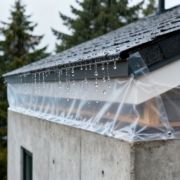
- Grab a 2’x2’ square of clear plastic sheeting.
- Tape it down on all four sides, making sure it’s completely sealed to the concrete.
- Just leave it alone for at least 24 hours.
When the time's up, pull back the plastic. If the concrete looks dark or you see condensation on the plastic, you've got a moisture issue. We can't tell you how many projects we've seen fail because someone skipped this five-minute test. Dealing with moisture often involves a deep cleaning to open up the concrete's pores, which is something you can learn more about by checking out the benefits of professional power washing.
Choosing the Right Concrete Stain and Sealer
Walking into a store and seeing a wall of different concrete stains and sealers can feel overwhelming. But once you know what you’re looking at, the choice becomes much clearer. Picking the right products is about more than just color; it’s about getting the look you want and making sure it lasts for years.
Let's start with the stain, which is what gives your concrete its character. You’re essentially choosing between two different approaches here, each with its own unique result.
Acid-Based vs. Water-Based Stains
Acid-based stains are old-school cool. They work by creating a chemical reaction with the lime and minerals in your concrete, producing rich, translucent tones that look like they're part of the stone itself. The final look is always a bit of a surprise—think marbled, variegated patterns in earthy browns, tans, and soft blue-greens. No two floors will ever be identical. If you want a one-of-a-kind, artisanal finish for a patio or an eye-catching retail build-out, this is your ticket.
On the other hand, we have water-based stains. These behave more like a traditional dye, soaking into the concrete’s surface pores without a chemical reaction. This gives you far more control and consistency. If you need to match a specific color for your interior or exterior painting project, or want a more uniform look, water-based is the way to go. The color palette is massive, offering everything from bold reds to deep, solid blacks. They're also a great solution for concrete that has a low lime content, where an acid stain wouldn't react properly.
This flowchart breaks down the visual difference you can expect. It really helps to see how an acid stain creates that organic, marbled effect versus the predictable, even color you get from a water-based product.

Film-Forming vs. Penetrating Sealers
Once your stain is down, you need to protect it with a sealer. Just like with stains, you have two main families of products to consider.
Film-forming sealers do exactly what their name suggests: they create a durable protective layer on top of the concrete. Products like acrylics, urethanes, and epoxies fall into this category. They offer fantastic protection against spills, scuffs, and heavy foot traffic, and you can choose a finish from matte all the way to a high gloss. For commercial spaces or a garage floor that sees a lot of action, a film-former is usually the best bet. For the ultimate in durability, you might even consider a full system. You can learn more about what an epoxy floor coating is and how it provides a thicker, more robust surface.
Penetrating sealers work completely differently. Instead of forming a surface film, these silane- or siloxane-based products dive deep into the concrete's pores. There, they create a hydrophobic (water-repelling) barrier from the inside out. The best part? They’re completely invisible once cured and won't change the texture or color of your stained concrete. This makes them perfect for preserving that natural look while locking out moisture—an absolute must-have for any outdoor concrete here in the wet Puget Sound climate.
To help you visualize your options, here’s a quick comparison of the most common products we use on projects in the Seattle area.
Stain and Sealer Comparison for Your Puget Sound Project
This table breaks down the key differences between common concrete stains and sealers, helping you weigh the appearance, durability, and ideal use case for your project.
| Product Type | Best For | Appearance | Durability & Protection |
|---|---|---|---|
| Acid Stain | Achieving a unique, artisanal look on patios, walkways, or interior floors. | Variegated, marbled, translucent tones. Earthy color palette. | Stain is permanent. Requires a top-coat sealer for protection. |
| Water-Based Stain | Consistent color, specific color matching, and creating graphics or patterns. | Opaque or semi-transparent, uniform color. Wide range of colors available. | Stain is permanent. Requires a top-coat sealer for protection. |
| Acrylic Sealer | General-purpose sealing for both interior and exterior surfaces. Good UV resistance. | Clear, non-yellowing film. Available in matte to gloss finishes. Enhances color. | Good. Protects against water and stains but requires reapplication every 1-3 years. |
| Epoxy/Urethane Sealer | High-traffic interior areas like garages, basements, and commercial floors. | Thick, high-gloss film. Can be colored. Extremely durable finish. | Excellent. Resists chemicals, abrasion, and hot-tire pickup. A long-term solution. |
| Penetrating Sealer | Exterior surfaces like driveways and patios where a natural look is desired. | Invisible finish. Does not change the appearance or texture of the concrete. | Good to Excellent. Superb water repellency, preventing freeze-thaw damage. Long-lasting. |
Ultimately, choosing the right stain and sealer combination comes down to balancing aesthetics with performance. Think about where the concrete is, how much traffic it will get, and the look you’re trying to achieve.
Decorative concrete is a big deal, with the market valued at USD 850 million globally. Here in the Puget Sound, we see property managers combining stains with penetrating sealers for a one-two punch of curb appeal and critical moisture defense. For homeowners, the right combo can extend the life of their concrete by up to 50%.
Making the right choice upfront ensures your surface isn't just beautiful on day one, but that it's also protected and built to handle our local weather for the long haul.
Putting It All Together: Your Guide to Applying Concrete Stain & Sealer

Alright, you've done your homework, assessed the concrete, and picked out the perfect products. Now comes the rewarding part—bringing that vision to life. Applying concrete stain and sealer isn't complicated, but it does demand patience and a methodical approach.
Think of it as three distinct stages: a deep clean, the application itself, and the final cure. The biggest mistake we see homeowners make is rushing through one of these steps. Each one lays the foundation for the next, so giving each stage the attention it deserves is your ticket to a durable, professional-grade finish.
First, Get Your Surface Spotless and Ready
You simply can't stain over years of built-up grime, oil spots, or old, flaky sealers and expect good results. The first order of business is getting that concrete impeccably clean. For most outdoor surfaces like patios and driveways, a good pressure washing is all it takes to blast away the dirt.
But what if your surface is smooth, like a brand-new garage floor or a hard-troweled basement? Stain needs something to grab onto, and on a dense surface, it will just sit on top. This is where you’ll need to etch the concrete. An etching product is a specialized cleaner that chemically opens up the pores of the concrete, giving it a texture a bit like medium-grit sandpaper. This profile is perfect for the stain to penetrate deeply and evenly.
Here’s your game plan for prep:
- Clear the Deck: Start by sweeping or blowing off all leaves, dirt, and loose debris.
- Attack Grease: Hit any stubborn oil or grease stains with a dedicated concrete degreaser. Follow the product instructions.
- Wash It Down: Thoroughly pressure wash the entire area.
- Etch If Necessary: If the surface is smooth or sealed, apply an etching solution. Be sure to rinse it away completely afterward.
Once clean, the concrete needs to dry out completely. Here in the Puget Sound, that can easily take 24 to 48 hours, so be patient and check the weather forecast.
Expert Tip: The way you spray has a huge impact on the final look. For acid stains, use a figure-eight motion with overlapping passes to get that beautiful, mottled effect. With water-based stains, always maintain a "wet edge" by working in smaller, manageable sections to avoid lap marks.
Next, Apply the Stain and Sealer
Once your concrete is bone dry and ready, it's time for the main event. A basic pump-up garden sprayer is your best friend here—it’s the perfect tool for applying a light, consistent coat of stain without over-saturating the surface.
After the stain is down and has dried according to the manufacturer’s directions, it's time to lock in that color and add protection. This is where the sealer comes in. Penetrating sealers are a massive part of the industry—valued at USD 381 million globally in 2025—for a good reason. They soak into the concrete to protect it from within, rather than forming a slippery film on top. For our damp Puget Sound climate, these are an excellent choice, especially with so many great low-VOC, water-based options available that comply with local environmental regulations. You can get more details on the growth of penetrating concrete sealers and how they work.
Finally, Let It Cure
The final phase is all about patience. Curing isn't just about drying; it's a chemical process where the stain and sealer harden and bond with the concrete.
- Foot Traffic: You can typically walk on the surface in about 4 to 6 hours.
- Heavy Items & Vehicles: Hold off on moving heavy furniture back or parking cars on the surface for at least 48 to 72 hours.
- Full Cure: A complete chemical cure can take up to a week. During this time, try to keep the surface dry and protect it from chemicals or spills.
Knowing When to Call a Professional Contractor
There's a real satisfaction in a DIY job well done. But when it comes to concrete stain and sealer, it’s crucial to know when to step back and call in an expert. Recognizing that line can be the difference between a beautiful, long-lasting surface and a costly, frustrating mess.
Before you even think about picking colors, take a hard look at the concrete itself. If you're seeing deep cracks, widespread flaking (spalling), or persistent damp spots, that’s your first red flag. These aren’t just cosmetic flaws; they often point to deeper issues like foundation movement or moisture problems from below.
A professional can diagnose what's really going on. Slapping a coat of sealer over a serious structural issue is just a temporary fix that will fail, and an experienced contractor will make sure the slab is sound before any staining begins. If you’re looking for a “residential contractor near me,” choosing one with this expertise is vital.
Large-Scale and Commercial Projects
The sheer size of a project is often the clearest sign you need a pro. Staining a small concrete patio is a manageable weekend project. Staining a huge driveway, a commercial showroom, or an entire parking garage? That's a different league entirely.
These bigger jobs require a professional team and specialized equipment to get a uniform finish. Without them, you’re almost guaranteed to see lap marks and color inconsistencies, especially on a large, open surface.
For any business, bringing in a "commercial construction near me" expert like Wheeler Painting is less about convenience and more about protecting your investment and ensuring safety.
A commercial floor, whether in a retail space or an industrial facility, has to perform. It needs to stand up to heavy foot traffic, forklifts, and chemical spills. A pro will select and apply a high-performance system—from office space renovation to institutional painting—that not only looks good but also meets all durability requirements and local building codes.
Ultimately, it's about minimizing risk and preventing operational downtime.
When Specialized Coatings and Finishes Are Required
Some high-performance coatings are simply not DIY-friendly. We're talking about products like high-solid epoxies or chemical-resistant urethane systems. These materials are incredibly tough, but they demand precise application conditions—everything from surface temperature to air humidity has to be just right. One mistake can cause the entire coating to fail.
Hiring a pro gives you access to their industrial-grade grinders and vacuums, their deep knowledge of different products, and their ability to solve problems on the fly. It’s what ensures a finish lasts for a decade or more, not just a couple of seasons. For tricky situations that require a fast response, our team is equipped to handle just about anything. You can see how we manage time-sensitive projects in our guide to emergency parking lot services.
Answering Your Top Questions About Concrete Staining and Sealing
Even the most detailed guide can leave you with a few lingering questions. When you’re staring at your own concrete, specific concerns always pop up. We get it. Over the years, we've heard just about every question in the book from homeowners and facility managers here in the Puget Sound.
Here are the honest, straightforward answers to the questions we're asked most often.
How Long Does Concrete Sealer Really Last in the Pacific Northwest?
This is probably the most practical question of all, especially with our notoriously wet weather. There's no single answer, but as a solid rule of thumb, you should plan on reapplying a quality sealer every 2 to 5 years.
The exact lifespan really boils down to two things: the product you choose and the wear and tear it endures. For instance, a premium penetrating sealer on a quiet residential patio can easily last closer to that 5-year mark. On the other hand, a film-forming acrylic sealer on a high-traffic commercial entryway will likely need a fresh coat every 2 years to keep looking its best. Our damp winters are the ultimate test for any coating, making regular check-ups a must.
Can I Stain and Seal Old Concrete That's Already Been Treated?
You absolutely can, but there's a huge catch: preparation is everything. You can't just slap a new coat of stain over an old, peeling sealer and hope for the best.
First, that old coating has to go—all of it. This usually involves a chemical stripper and a good amount of elbow grease with a scraper, or mechanical grinding for tougher coatings like epoxy. Once the concrete is bare, it needs a thorough cleaning and acid etching to open up the pores. This is what allows the new stain to soak in deeply rather than just sitting on top.
If your concrete is particularly old or looks damaged and overly porous, it's wise to get a professional opinion. An expert can tell you if the slab is still in good shape for staining or if you're at risk of a splotchy, uneven finish.
What's the Biggest Mistake People Make with This Project?
Without a doubt, the #1 mistake we see is rushed or improper surface preparation. It's the least exciting part of the job, and that's precisely why it gets skipped. People get excited about the color and just want to get to the fun part.
But failing to deep clean, not treating oil spots, skipping the acid etch on a smooth slab, or forgetting to check for moisture is a recipe for disaster.
We’ve been called out to fix it countless times: a beautiful stain job that starts peeling, flaking, or turning cloudy within months. Taking the time to get the concrete perfectly clean, profiled, and dry isn't just a suggestion—it’s the only way to guarantee a finish that lasts.
Is Stained and Sealed Concrete a Good Option for a Commercial Floor?
It’s a fantastic option. For places like retail shops, showrooms, restaurants, and office lobbies, stained concrete offers a killer combination of sophisticated style, serious durability, and low-key maintenance. The seamless, non-porous surface is a breeze to keep clean and holds its own against constant foot traffic.
For new commercial construction or major renovations, you can really dial in the performance. In a high-wear environment, we often recommend layering a beautiful concrete stain with a heavy-duty topcoat system, like a high-performance epoxy or urethane. This one-two punch delivers maximum protection against scuffs, spills, and the daily grind, keeping the floor looking sharp for years to come.
If your project feels like it's getting too big, or if you simply want to ensure a perfect, professional finish from the start, our team at Wheeler Painting is ready to step in. We have decades of experience making complex concrete projects straightforward for our residential and commercial clients all over the Puget Sound.
Schedule your free, on-site consultation with Wheeler Painting today!






 “Like” us on Facebook!