

What Causes Paint to Bubble on Walls and How to Fix It
When you see paint bubbling on a wall, it’s easy to feel frustrated. But those bubbles are more than just an eyesore—they’re a clear signal that something’s wrong underneath the surface. The number one reason paint starts to bubble is almost always moisture. Still, other issues like poor prep work, using the wrong kind of paint, or even too much heat can also be the culprit.
Understanding the cause is the first step toward a lasting solution, whether you're a homeowner or a business owner managing a commercial property.
Why Is My Wall Paint Bubbling?

It helps to think of a paint bubble as a warning light on your car’s dashboard. It’s an undeniable sign of a problem, and just painting over it is like putting a piece of tape over the light—it doesn't fix the engine. The real issue could be anything from a hidden plumbing leak and trapped humidity to mistakes made the last time the room was painted.
For a homeowner, bubbling paint in a bathroom often points straight to a ventilation issue. If you're a business owner or facilities manager, it might mean the sealant is failing on the outside of your commercial building. Figuring out the root cause is the critical first step toward a fix that will actually last.
The Science Behind a Paint Bubble
Paint is supposed to create a strong, protective film that sticks tightly to the surface below, whether it's drywall, wood, or plaster. A bubble is simply what happens when that bond breaks. Something gets trapped between the paint film and the wall itself, physically pushing the paint away from the surface.
So, what breaks that bond? The most common culprits are:
- Water or Moisture: From leaks, high humidity, or condensation.
- Air or Solvents: Trapped during painting because of high heat or bad technique.
- Contaminants: Any dirt, grease, or dust left on the wall before painting.
Moisture: The Arch-Nemesis of Paint
Water is, without a doubt, the biggest enemy of a flawless paint job, especially here in our local service area. Industry data shows that water is behind up to 70% of paint bubbling issues in residential and commercial properties. As trapped moisture heats up and cools down, it expands and contracts, literally forcing the paint off the wall and creating those familiar blisters. You can find more details on how this works over at alsqualitypainting.com.
This guide will help you play detective and understand what’s happening behind the paint. This knowledge is crucial whether you’re a homeowner planning a weekend repaint or a facilities manager overseeing a commercial renovation. It’s the only way to ensure the problem gets solved for good.
The Role of Moisture and Hidden Leaks

When you see paint bubbling, your first thought should always be water. Moisture is almost always the culprit. Just think of the drywall or plaster on your wall as a stiff sponge. It will quietly soak up any water it comes across, whether from a dripping pipe or just humid air. This is the single biggest reason what causes paint to bubble on walls is such a headache for property owners.
The real problem begins when that trapped moisture tries to get out. As the wall warms up and cools down, the water caught behind your paint expands and contracts. That movement creates a surprising amount of pressure, pushing outward until it finally breaks the paint's grip on the wall. The result? Those ugly blisters and bubbles.
For anyone managing property in our local communities, this fight against moisture can feel never-ending. And the source isn't always something dramatic like a burst pipe; it's often a much quieter, sneakier problem.
Finding the Source of the Water
To fix the problem for good, you have to figure out if you're dealing with a direct leak or just high humidity. Water is a sneaky invader. It can get into your walls from all sorts of places, and the bubble you see might be far from the actual entry point. An experienced pro knows exactly where to start looking.
Here are some of the usual suspects we see in residential and commercial buildings:
- Plumbing Leaks: That slow, silent drip from a pipe hidden in a wall can saturate drywall for months before you ever see a bubble.
- Failing Roof Flashing: The seals around chimneys, vents, and skylights are common weak spots. Rain gets in, runs down through the attic, and shows up on an interior wall.
- Improperly Sealed Windows and Doors: In our climate, wind-driven rain is a fact of life. If the caulk around your windows and doors is old and cracked, water will find its way in.
- Clogged Gutters: When gutters get backed up, water can pour over the side and run down your siding. It doesn't take much for that water to get behind the paint and into the wall itself.
Expert Insight: In both homes and commercial buildings around here, the most deceptive source of moisture is condensation. Our cool, damp climate creates the perfect storm. Warm, moist air inside hits a cold exterior wall, and that water vapor turns right back into liquid. This is why you so often see bubbling paint on the exterior walls of poorly ventilated kitchens and bathrooms.
Direct Leaks vs. High Humidity
It’s critical to know what kind of water problem you have. If you press on a paint bubble and it feels soft, squishy, or even drips a little, you almost certainly have a direct and active leak. These need immediate attention to stop serious structural damage. For these kinds of complex water issues, our team offers professional guidance on water removal and restoration to make sure the root cause is solved before we even think about painting.
On the other hand, if you see lots of small, hard blisters scattered across a wall, that's usually a sign of high humidity or condensation. We see this all the time in bathrooms without a good exhaust fan or in certain commercial spaces. While it’s not as urgent as an active leak, it’s still telling you that the environment is ruining your paint job. The fix usually involves improving ventilation or using a paint designed specifically for high-moisture areas. A professional assessment will save you the frustration of a repair that just fails again.
How Poor Surface Prep Guarantees Bubbles
While moisture gets most of the blame for bubbling paint, a rushed or lazy prep job is right behind it. Think of your wall as a canvas. Trying to paint over a dirty, dusty, or greasy surface is like slapping a sticker on a sandy beach—it’s just not going to hold. Paint needs a perfectly clean, stable foundation to grab onto and form a lasting bond.
Even contaminants you can't see will sabotage your new paint. Things like oil from fingerprints, airborne cooking grease in a kitchen, or even the residue left behind by common cleaning products can create a microscopic barrier. This film stops the new paint from gripping the surface properly, creating weak spots that are guaranteed to bubble and peel away.
The Professional Prep Process
For any experienced painting contractor, surface preparation isn't a suggestion; it's a non-negotiable part of the job that ensures the final finish actually lasts. It’s the most critical phase of any residential remodel or commercial construction project we undertake.
A proper prep job always includes these steps:
- Thorough Cleaning: A simple wipe-down with water won’t cut it. Professionals use solutions like trisodium phosphate (TSP) to break down years of accumulated grime, grease, and other contaminants that normal cleaning leaves behind.
- Sanding for Grip: Old glossy or semi-gloss surfaces are sanded to "scuff up" the finish. This microscopic abrasion gives the new paint a rougher texture to mechanically grab onto, creating a much stronger bond.
- Meticulous Dust Removal: After sanding, every last speck of dust has to go. We use tack cloths or shop vacuums with brush attachments. Any dust left behind will just mix into the wet paint and prevent it from sticking to the wall.
Meticulous preparation is the difference between a paint job that looks great for a decade and one that fails in a year. A significant 60% of bubbling complaints stem from painting over unclean surfaces, especially in homes with residue from cooking or smoking. You can find more about how surface issues cause paint failure by reading this informative guide from makeitright.ca.
Why Priming Is Not Optional
After cleaning and sanding comes the final, crucial step: priming. A good primer acts as the ultimate bridge, connecting the wall to the paint. It seals the underlying surface, blocks tough stains from bleeding through, and creates the perfect uniform base for your topcoat to adhere to beautifully. Skipping this, especially over new drywall or patched areas, is one of the fastest ways to see bubbles pop up.
For our teams, whether it's a small bedroom or a huge retail build-out, priming is non-negotiable. To see why this step is so vital for professional-grade results, check out our guide on why you must prime new sheetrock before painting. It’s a step that protects your investment and is the key to a bubble-free finish, saving homeowners and facilities managers from expensive repairs down the road.
When Heat and Humidity Are the Problem
Even if you’ve prepped a surface perfectly, the environment itself can sabotage your paint job. Extreme temperatures and humidity are notorious culprits behind paint bubbling, especially in a place with unpredictable weather like our local area. Think of paint like a cake batter—if the oven is too hot or the kitchen is too humid, it’s just not going to turn out right.
Painting a wall while it's baking in direct sunlight is a classic mistake. The intense heat flash-dries the very top layer of the paint, creating a skin before the solvents or water underneath can evaporate. These trapped vapors have to go somewhere, so they push up against that semi-dry skin, creating a rash of blisters across the surface.
The Problem With Local Humidity
Just as bad as high heat is the high humidity we’re so familiar with here in our community. When the air is already heavy with moisture, the water in latex paint has nowhere to go. This slows the curing process to a crawl, leaving the paint film weak and susceptible to problems. Before you know it, you can see sagging, streaking, and eventually, bubbling as moisture remains trapped.
We see this all the time on both residential and commercial projects. For facilities managers overseeing office space renovations, a wall next to a new heat-generating appliance or a large, sun-drenched window can become a bubble-prone hotspot. A fresh coat of paint in these areas requires a careful eye on the climate to stand a chance.
A 2026 Angi survey of Pacific Northwest contractors revealed that our region's wild temperature and humidity swings contribute to 30% of all paint bubbling service calls. The data also shows a 40% spike in paint failure when surface temperatures climb over 90°F, as the top layer dries too fast and traps solvents.
Common Application Mistakes That Create Bubbles
Beyond just the weather, simple mistakes during the application process can introduce bubbles into the finish. Using the wrong technique or tool can be just as damaging as painting on a blistering hot day.
Two of the most common errors we fix are:
- Applying Coats Too Thickly: It’s tempting to slather on a heavy coat to finish faster, but this is a recipe for disaster. A thick layer of paint traps air and solvents, preventing it from drying evenly and leading straight to bubbles.
- Using the Wrong Roller Cover: A roller with a nap that’s too long for a smooth wall will whip tiny air bubbles into the paint film as you roll. A pro knows to match the roller nap to the surface texture for a smooth, bubble-free application.
Managing all these environmental and technical details is exactly why professional timing is so crucial. A skilled painter understands the ideal conditions needed for a durable, long-lasting finish. You can learn more about this in our guide on the best time to paint your house exterior. This expertise is what separates a quick job from a quality result, whether it’s for a home remodel or a large-scale commercial building.
Your Step-by-Step Guide to Fixing Paint Bubbles
Seeing paint bubbles pop up is one of those frustrating home or property maintenance moments. The good news is that fixing them is usually a straightforward process, but only if you do it right. We'll walk you through how to repair those small, annoying bubbles and, just as importantly, how to spot the signs that you’re dealing with a bigger issue that needs a pro.
The absolute first step is a bit of detective work. Before you can even think about picking up a scraper, you have to figure out what causes paint to bubble on walls in your specific spot. Once you’ve solved that mystery—whether it's a slow leak, a steamy bathroom with no ventilation, or just a bad prep job from years ago—you can finally start the repair.
A Three-Step Repair Process
If you're dealing with a few small, localized bubbles (and you're positive there isn't an active leak), this is a repair you can likely handle yourself. The key is to create a perfectly smooth, clean, and stable foundation for the new paint.
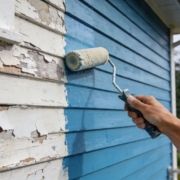
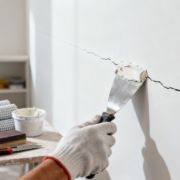
- Scrape and Remove: Grab a putty knife or a good paint scraper. You'll want to carefully get under the bubble and lift off all the loose, peeling paint. Don't be shy here—keep scraping a little bit beyond the bubbled spot until you hit paint that's firmly stuck to the wall.
- Sand the Edges: Now, take some 180-grit sandpaper and feather the edges where the old paint meets the bare patch. The goal is to make the transition so smooth you can't feel it when you run your hand over it. This little step is what keeps that ugly paint ridge from showing through your fresh coat.
- Clean and Prime: Wipe down the entire area to get rid of every last speck of dust. Then, apply a high-quality primer to the bare spot. This seals the surface and gives the new paint something to really grab onto.
This handy flowchart can help you quickly run through the likely culprits behind your paint bubbling woes.

As you can see, what’s happening in the room—like high heat or humidity—is often just as critical as the tools and techniques you used to paint.
When to Call a Professional Contractor
A quick DIY fix is perfect for small cosmetic flaws. But sometimes, those little bubbles are like the tip of an iceberg, signaling a much bigger problem lurking beneath the surface. For both homeowners and facilities managers, knowing when to put the tools down and call for help is the most important step of all.
If you scrape off a paint bubble and the drywall or plaster behind it feels soft, damp, or looks discolored, stop what you're doing immediately. This is a clear sign of a serious moisture issue that a simple patch-and-paint job will never fix.
You should get in touch with a professional contractor like Wheeler Painting if you’re seeing any of these red flags:
- Bubbles that keep coming back in the same spot, even after you've repaired them.
- Widespread bubbling across an entire wall or even multiple walls.
- Paint bubbles that feel soft or squishy when you press on them.
- Any visible water stains, dark spots, or a musty smell near the bubbles.
When you're facing these more complex scenarios in a home or commercial building, a professional diagnosis is the only way to safeguard your property. A trusted local pro can pinpoint the true source of the problem, whether it's a hidden pipe leak or a flaw in the building's exterior, and make sure the fix is a permanent one.
Your Partner for Lasting Painting and Construction
At the end of the day, bubbling paint is more than just an eyesore. It’s a clear signal from your walls that something deeper is wrong, and a quick-fix paint job just won’t cut it. As we’ve covered, a truly lasting repair means getting to the root of the problem, and that requires a professional eye. With decades of local experience, Wheeler Painting is here to provide exactly that kind of peace of mind.
We offer a full range of painting, restoration, and construction services for homeowners and businesses all over our local service area. Whether you're planning a major residential remodeling project, managing a commercial renovation, or just need a reliable partner for facility construction services, our team is built on clear communication and craftsmanship you can count on.
We believe complex projects should be straightforward for our clients. By handling everything from the initial diagnosis to the final coat of paint, we take the stress out of your next project and ensure every detail is handled correctly.
Our team has been serving the community since 1991, and we're ready to help protect your investment for years to come. From retail build-outs and office space renovations to siding replacement and interior painting, we have the expertise to deliver results that last. Contact us for an on-site consultation and see how our commitment to quality can make all the difference.
Common Questions About Paint Bubbling
We get asked all the time about what causes paint to bubble on walls. It's a frustrating problem, but understanding why it happens is the first step to getting it fixed for good, whether you're a homeowner or a facilities manager. Here are some quick, straightforward answers to the questions we hear most often.
Can I Just Scrape and Paint Over the Bubbles?
That’s probably the most common mistake people make, and it’s a recipe for frustration. Just scraping off the blister and slapping on a new coat of paint only hides the problem for a little while. The issue that caused the bubble in the first place—usually moisture or a contaminated surface—is still trapped underneath.
Before you know it, the bubble will be back, and it's often worse the second time around. The only way to fix it properly is to get to the root of the problem. You have to scrape away all the loose and failing paint, sand the edges smooth, fix what caused the bubble, prime the bare spot, and then you can repaint.
Why Does My Bathroom Paint Always Bubble?
Ah, the bathroom. It’s the perfect storm for paint problems. The constant humidity from hot showers and baths creates a ton of moisture in the air. This steamy air then condenses into water droplets on the cooler surfaces of your walls and ceiling.
That water eventually works its way behind the paint, breaking the bond with the wall and causing those familiar bubbles and blisters.
Pro Tip: Your best defense is a good exhaust fan. Run it during every shower and leave it on for at least 30 minutes afterward to pull all that damp air out. Also, make sure you’re using a high-quality paint formulated specifically for high-moisture areas like bathrooms and kitchens. It makes a huge difference.
Will Bubbles Go Away on Their Own?
It would be nice if they did, but unfortunately, no. Once the paint has lifted and the bond with the surface is broken, it can't re-adhere on its own. The bubble is there to stay.
If you ignore it, the problem will only get worse. The bubble will likely grow, the paint will start to flake and peel, and you could even end up with damage to the drywall or plaster underneath.
If you’re seeing bubbles that point to a bigger moisture problem, getting a professional opinion is your best bet. The experienced teams at Wheeler Painting can pinpoint the exact cause and deliver a solution that lasts. Schedule your on-site consultation today and protect your property.




 “Like” us on Facebook!